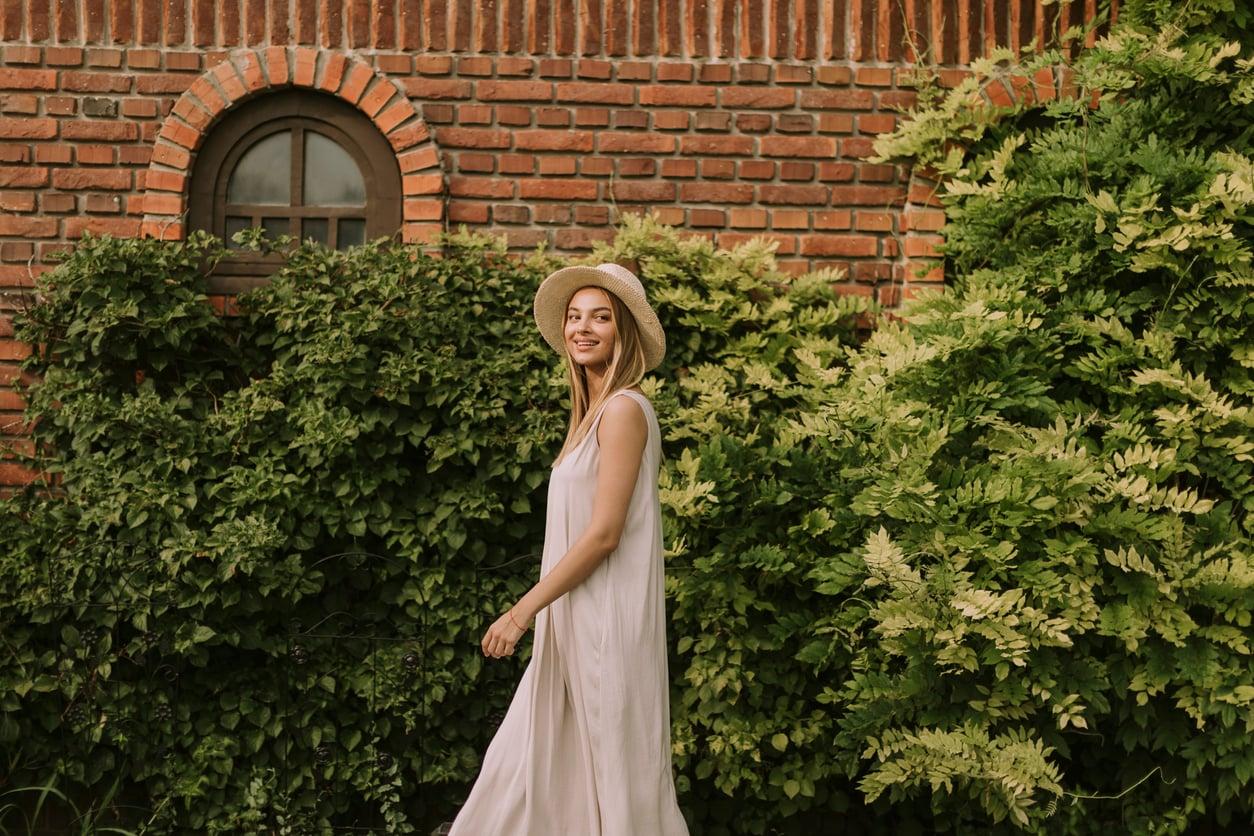
Denim is where a season declares itself, and this one is speaking clearly: less compression, more shape. The jeans arriving in shops now are roomier through the leg, darker in the wash and longer in the hem than the pairs most of us have been wearing since spring. It's a flattering direction, but it comes with a learning curve — loose denim needs a slightly different set of decisions above the waist and below the ankle than the skinny years ever asked of us.
The four shapes to know
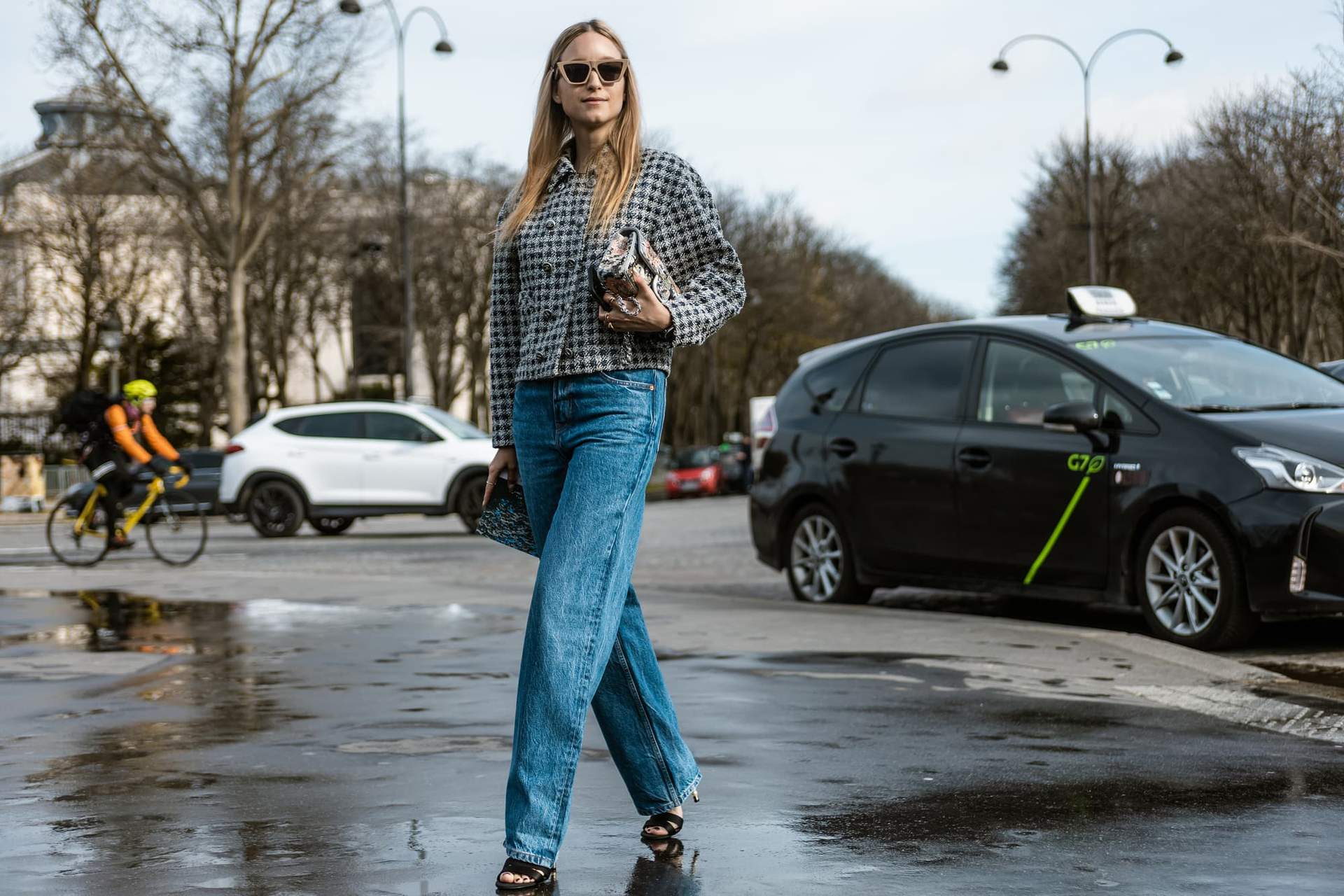
The wide straight. The workhorse. A leg that drops from hip to hem in one clean line, no taper, no flare. It reads slightly formal, which is why it works with a knit and a loafer for anything from a school pickup to a Tuesday meeting. If you buy one pair of new jeans this autumn, this is the one that will still make sense in two years.
The barrel or curved leg. Rounded through the thigh, narrowing gently at the ankle, so the leg curves rather than falling straight. It's the most fashion-forward of the four and the most personal — some bodies love it immediately, others feel swamped at the knee. Try it with a slim top and a shoe with a bit of shape, and be honest with the mirror rather than the trend report.
The long, slightly flared boot cut. Not the low-slung version from the 2000s: this one sits at the natural waist, skims the thigh and opens from the knee, with a hem long enough to graze the floor at the back. It is quietly the most elongating cut available, particularly over a heeled boot.
The relaxed cropped straight. Fuller through the leg but stopping just above the ankle, which keeps things practical in wet weather and lets a good boot do the talking. It's the easiest loose cut to wear if you're shorter, because the hem never eats your leg length.
The colour story: deep indigo and true black
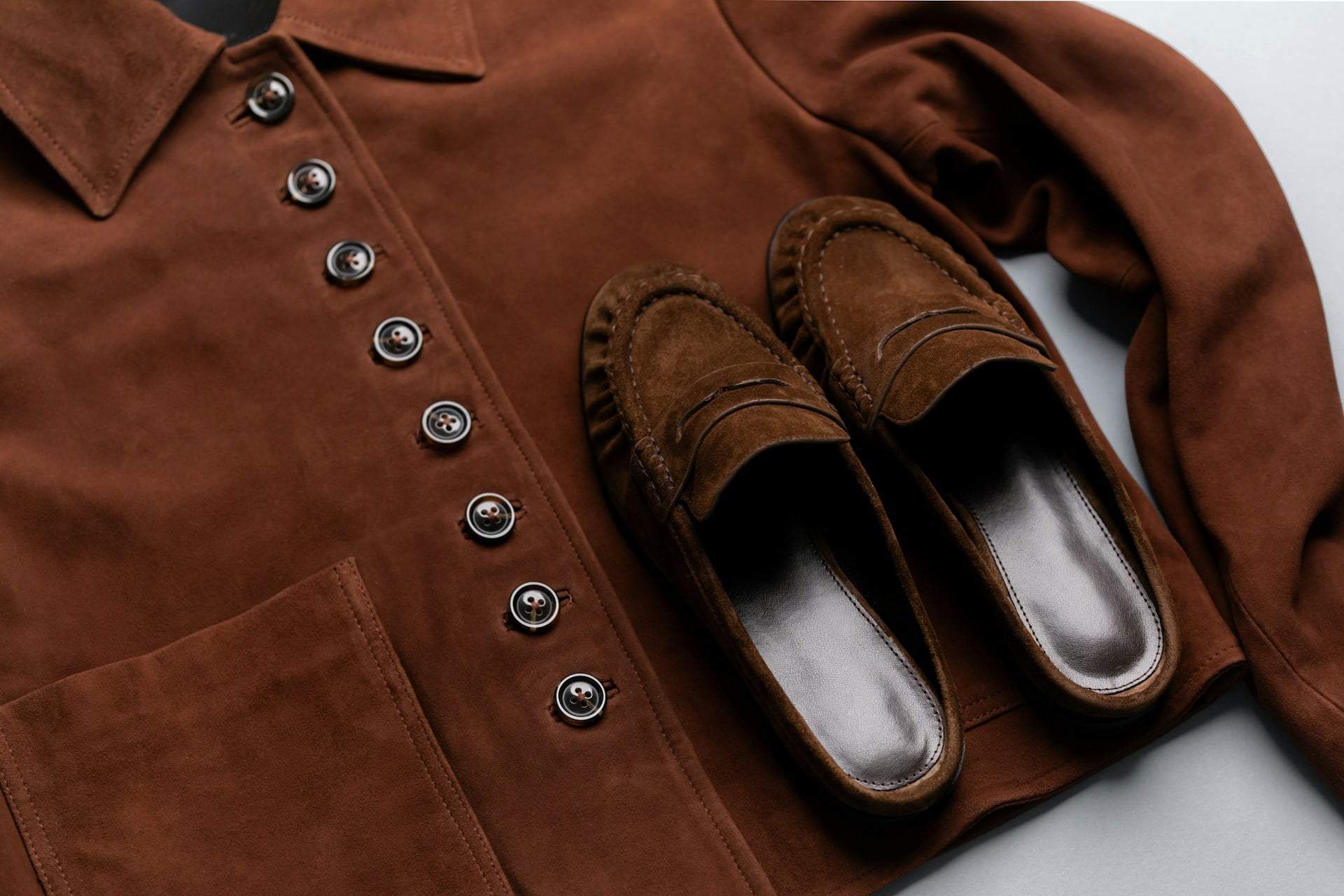
Pale, distressed washes are stepping back. What's dominating instead is rinse denim — dark, even, barely faded indigo — plus proper black and a scattering of soft browns and inky blue-greys. This matters practically as well as aesthetically: dark, undistressed denim behaves almost like a trouser, so it holds up in workplaces where jeans are borderline, and it pairs with black knitwear without the mismatched-blue problem.
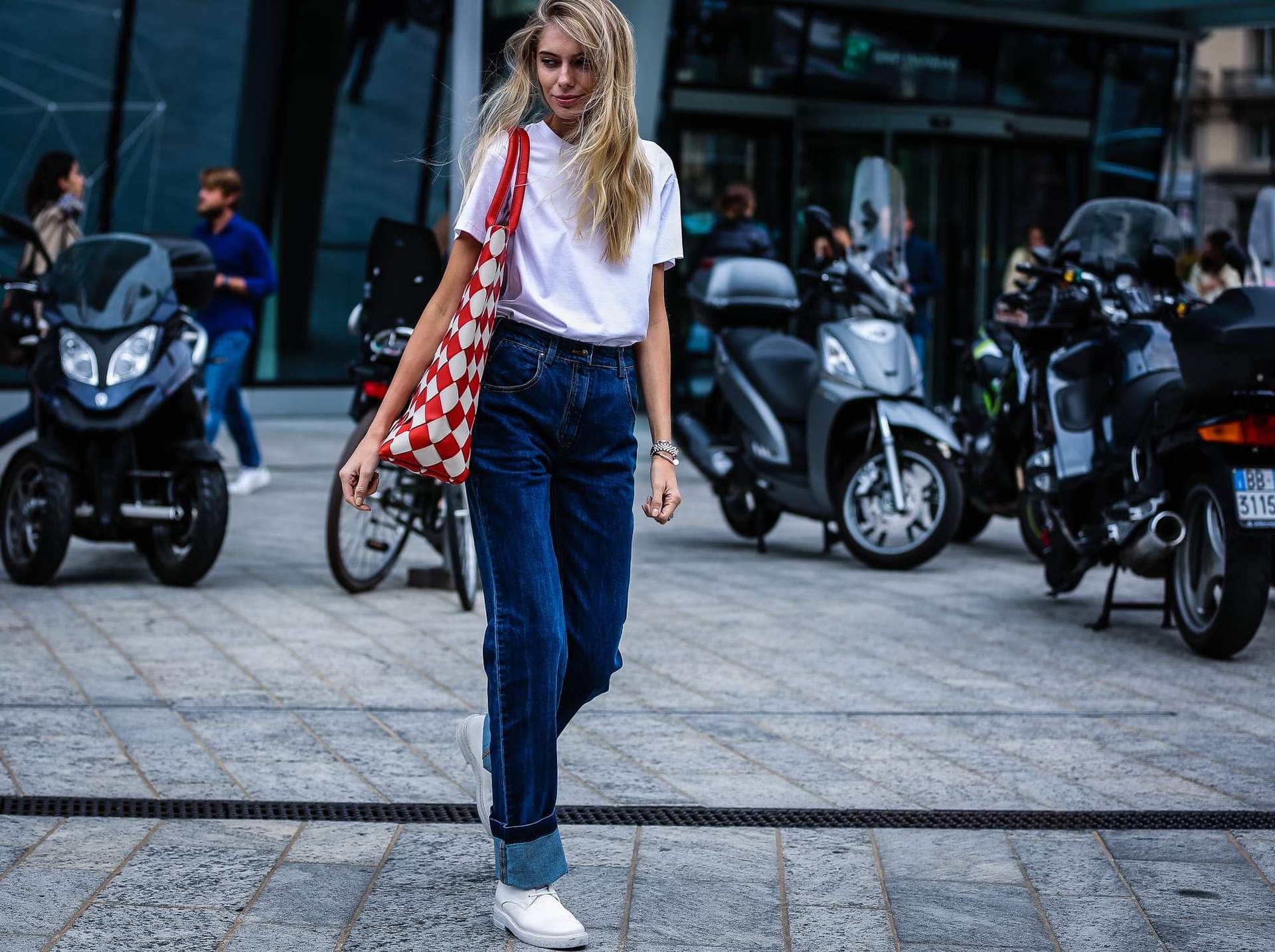
Detail-wise, watch for western yokes, visible seams down the front of the leg, patch pockets and slightly higher backs. Turn-ups are back too, but the deep, deliberate single cuff rather than a hasty roll.
How to wear volume without disappearing into it
Loose denim asks for one point of definition and one point of intention. The point of definition is usually the waist: tuck something, or wear a top that stops at or just below the waistband so the eye knows where your body is. A cropped knit, a tucked-in shirt, a fine jumper with a belt visible — all do the job.
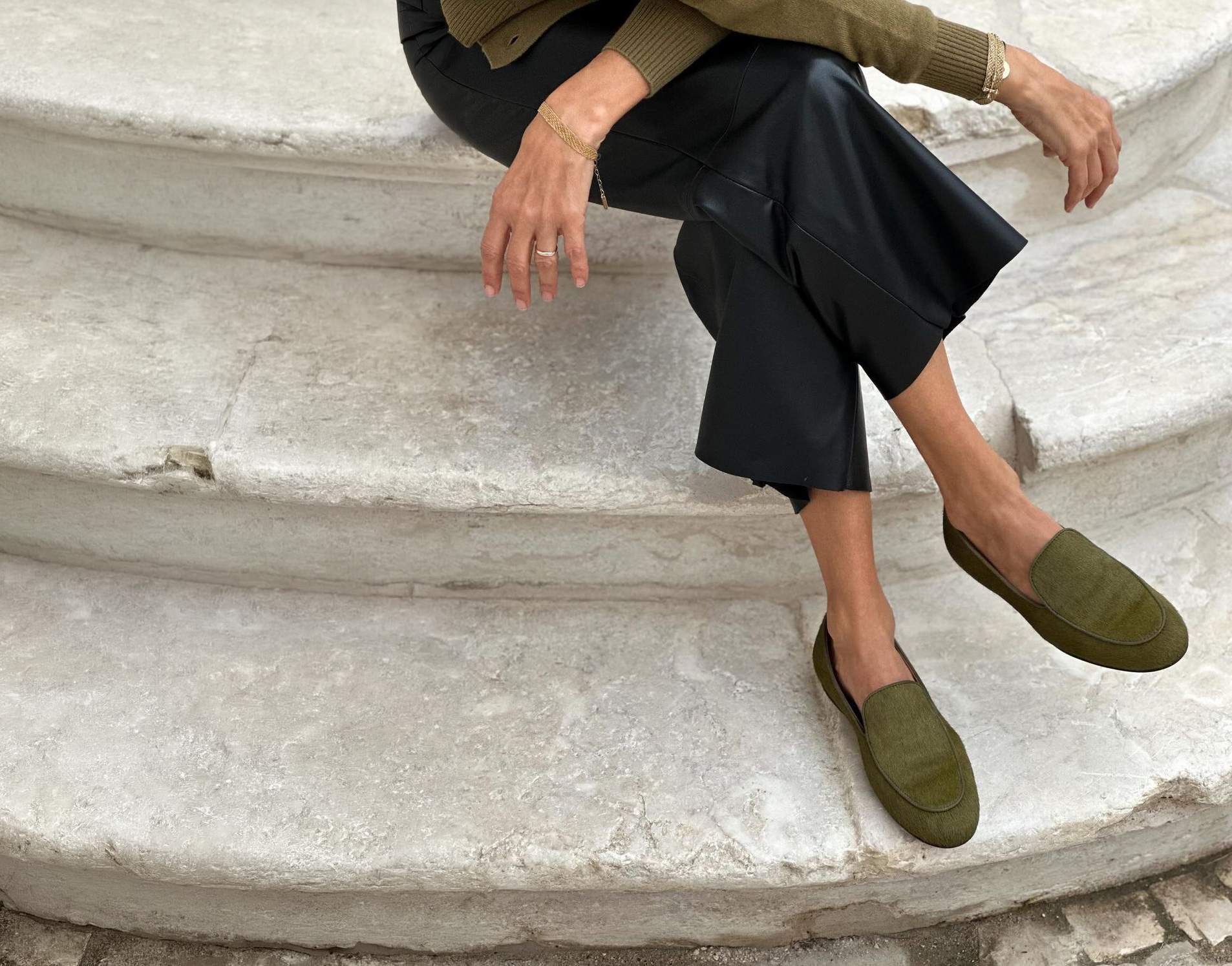
The point of intention is the shoe. This is where wide jeans succeed or fail. A substantial loafer, a boot with a defined heel or a clean trainer with some structure will anchor the volume; a flimsy flip-flop or a soft ballet flat will let the whole leg collapse. And get the length right: for a floor-skimming wide leg, the hem should sit roughly where the shoe meets the ground at the back with a whisper of a break at the front. Too long, and you'll be walking on your hems by October. Too short, and the proportion reads accidental.
One more thing worth saying, because nobody ever does: fit at the hip is not negotiable, but fit at the hem always is. If the waist and seat are right and the leg is too long, get them shortened. A tailor's hem on a wide leg costs less than a second pair of jeans that don't fit.
What length should wide-leg jeans be with boots?
Longer than you think. Aim for a hem that reaches the top of the boot's heel or just below, so the denim covers the shaft entirely and the leg line stays unbroken. If you switch between flats and heels regularly, either buy for the flats and accept a slight break with heels, or keep one pair hemmed for each.
Do I have to give up my skinny jeans?
Absolutely not — a dark, well-fitting slim jean under a tall boot is one of the most useful things in a cold-weather wardrobe, and it will keep looking deliberate as long as the rest of the outfit is current. The shift worth making isn't replacing everything; it's adding one roomier, darker pair so you have a choice, then noticing over a month which one you actually reach for.