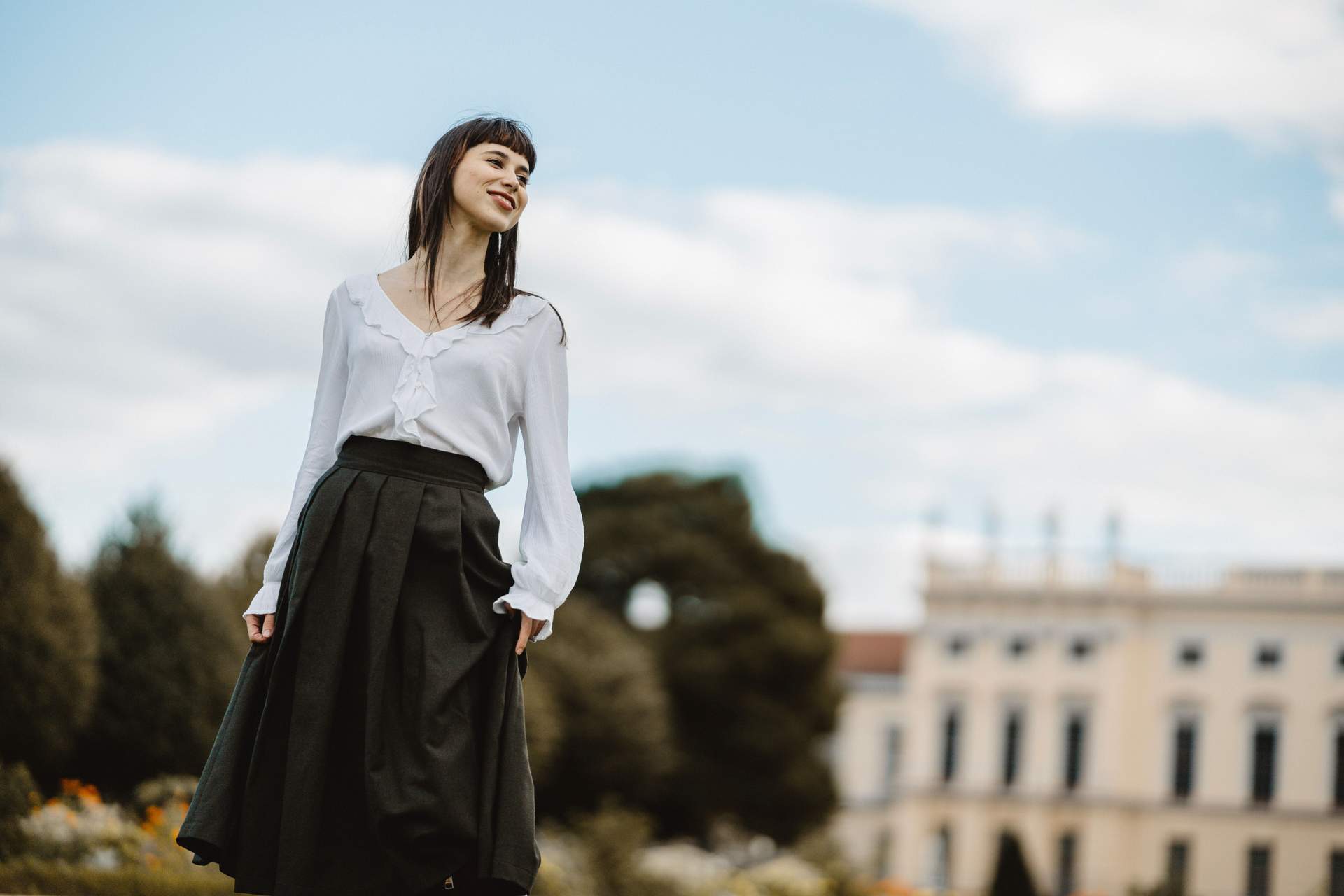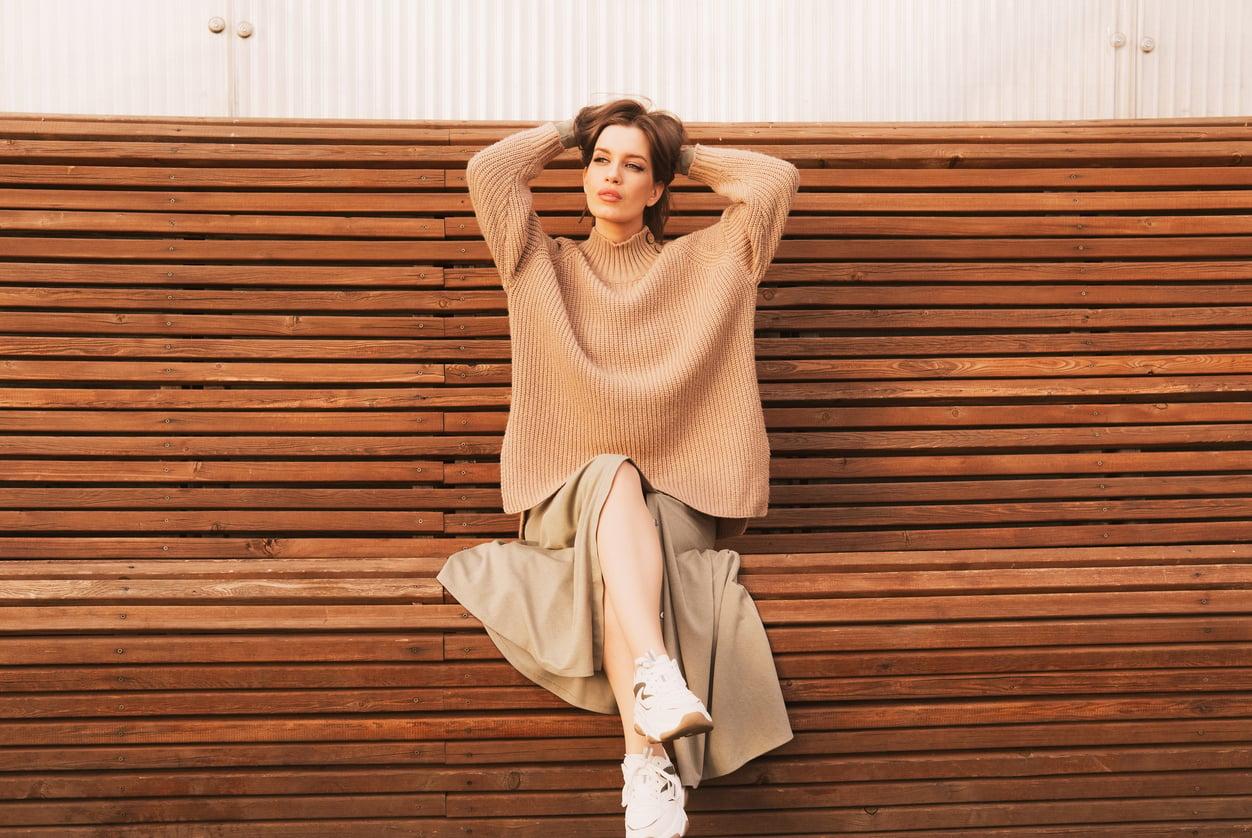
Fashion designers have known it for decades: the way your body looks in an outfit has almost nothing to do with your size. It comes down to one thing — where the eye draws a line between your top and bottom half. That invisible dividing line is everything. And the 2/3 rule is the simplest way to control it.
Also known as the golden ratio principle, this idea has shaped architecture, painting, and sculpture for centuries. Renaissance artists applied it deliberately because the human eye is naturally drawn to asymmetric but balanced proportions. In fashion, it translates to this: the most flattering outfits divide the body not in half, but roughly one-third to two-thirds.
What the 2/3 rule actually means
The principle is straightforward. Choose the length of your layers so that one piece covers roughly one-third of your body and the other covers two-thirds — never a neat 50/50 split. When a top or blazer hits right at the mid-hip, it cuts the silhouette in half, making you look shorter and wider than you actually are.
But a shorter top — one that ends at the waist or just at the upper hip — lets the eye travel down the leg uninterrupted. The result? Your legs look longer, your frame looks leaner, and the whole outfit looks more considered.
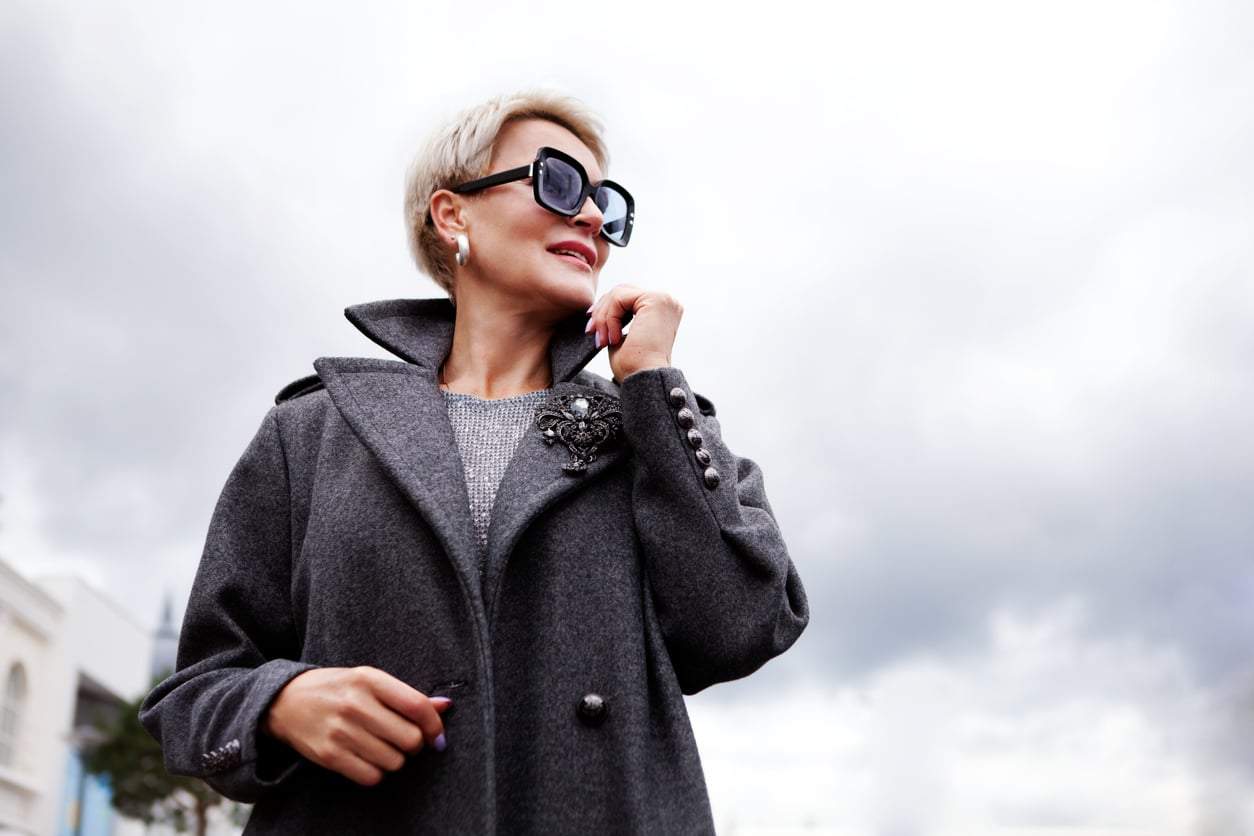
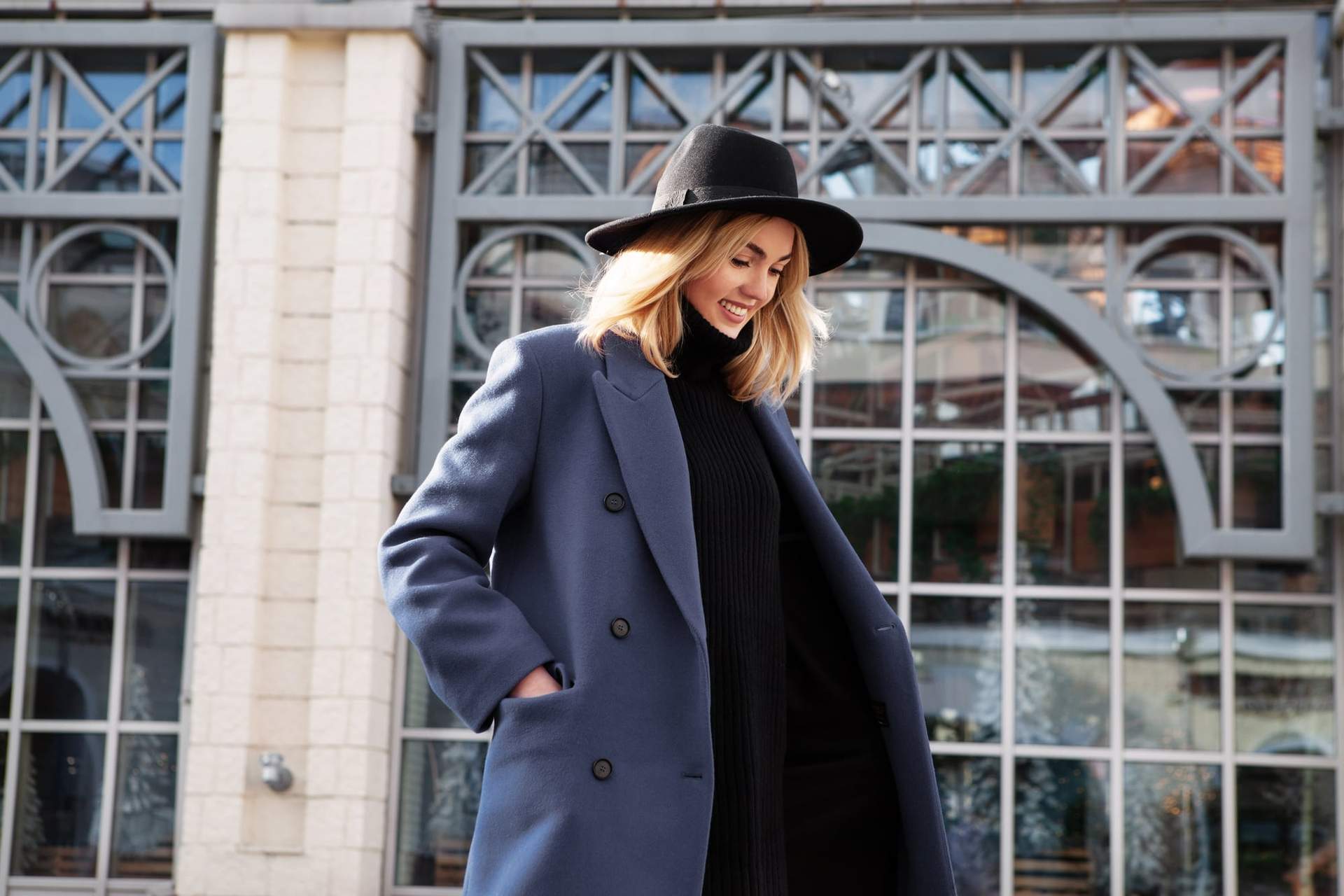
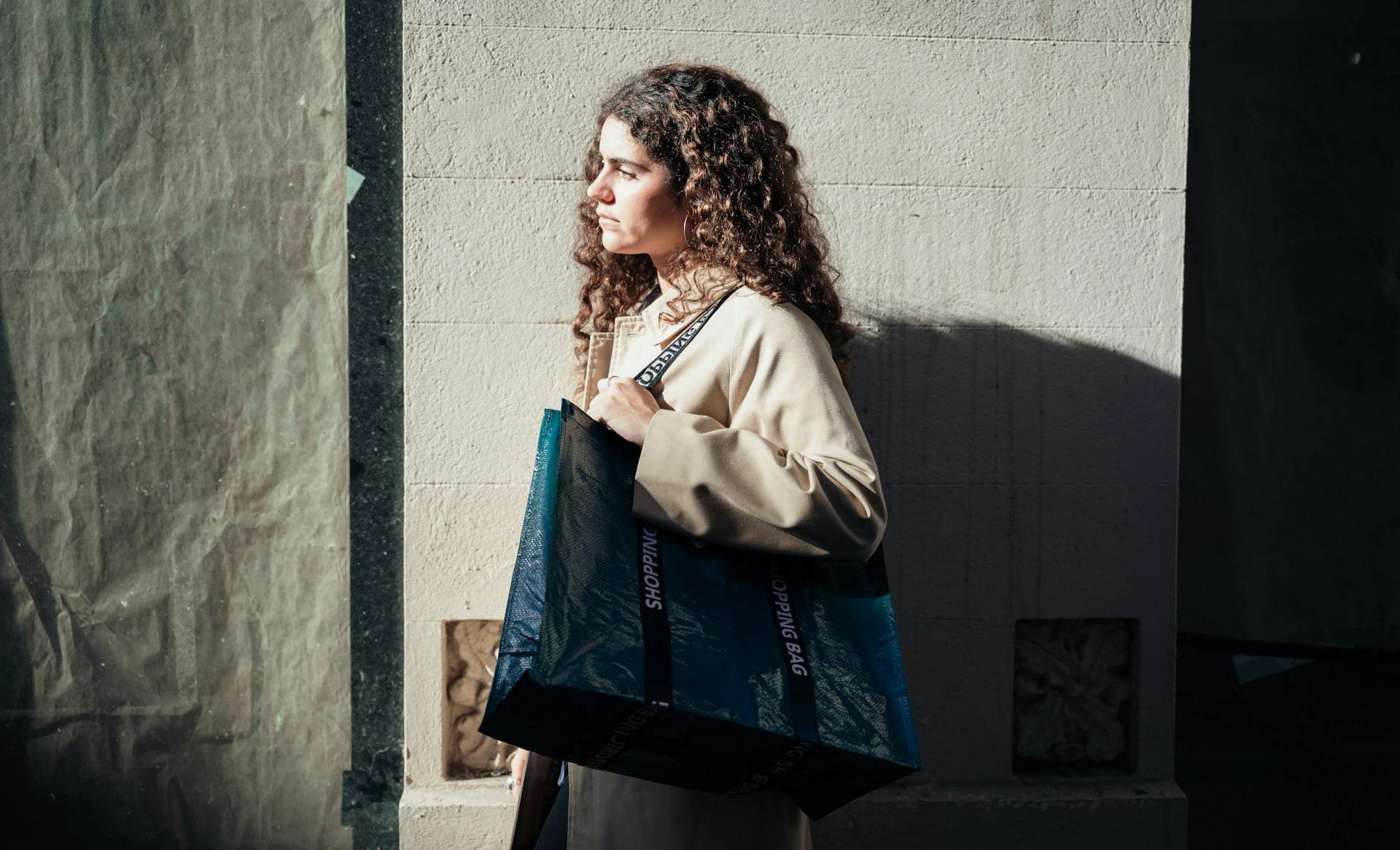
The same logic works in reverse. A longer cardigan or oversized blazer that falls to mid-thigh or below also creates the 2/3 proportion — this time with the top layer as the dominant piece.
The one rule that never changes: the two pieces should never be the same length as each other.
How to apply it in everyday outfits
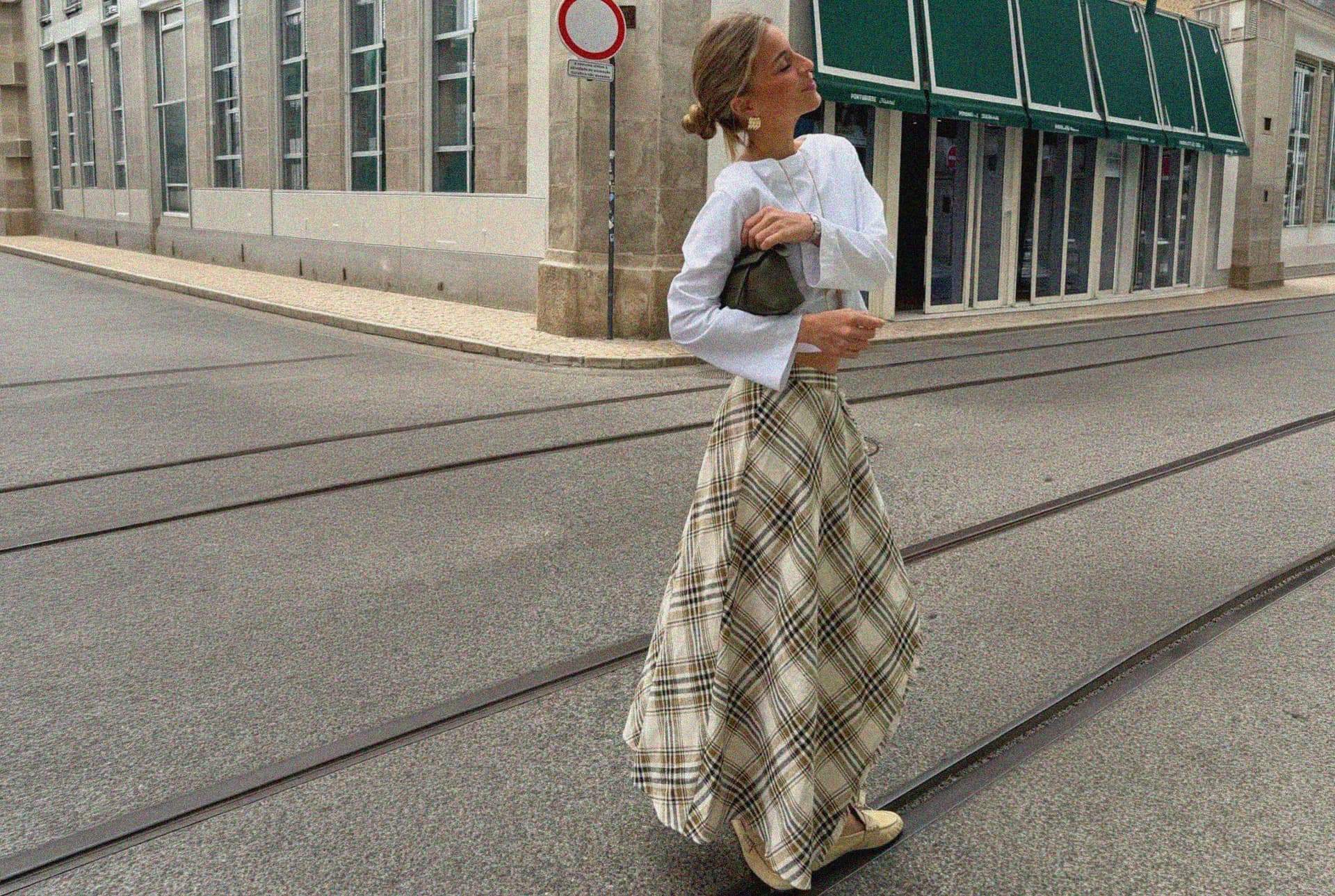
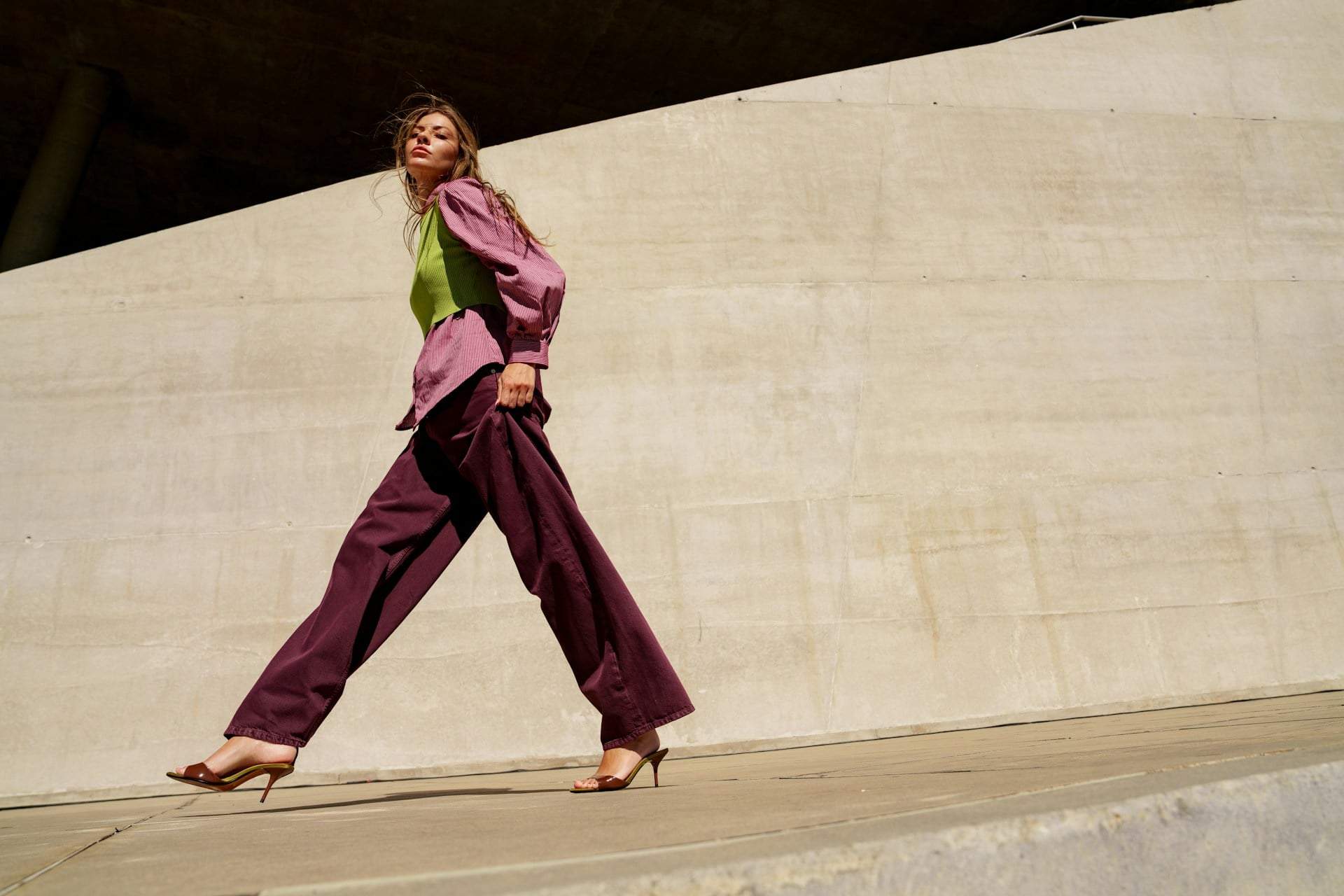
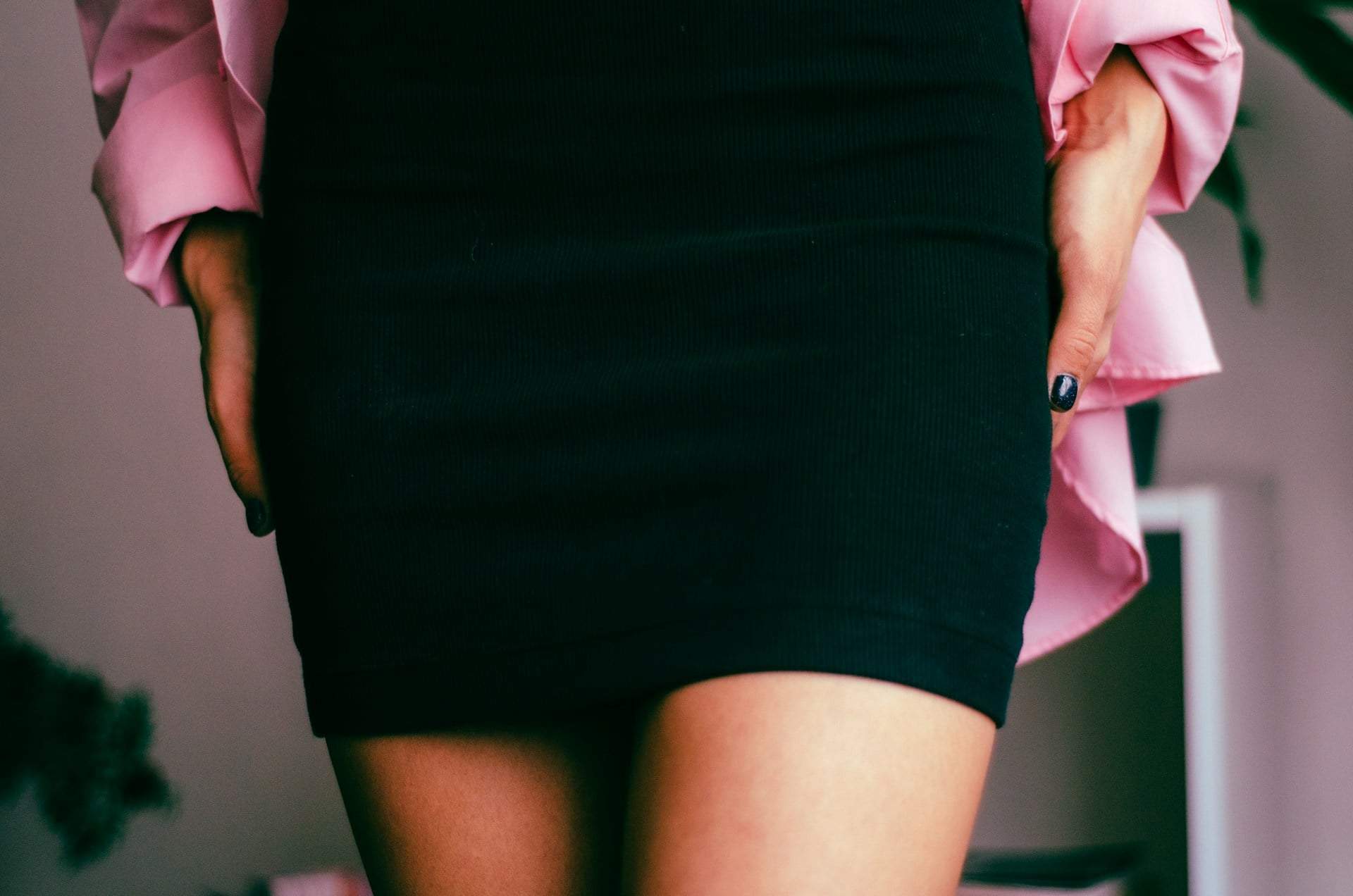
The easiest way to start is to position your top or jacket either above or below the hipbone — never directly on it. High-waisted trousers or skirts are the perfect partner for this trick: by raising the waistline, your legs visually lengthen and your upper body becomes proportionally shorter, which is exactly the 2/3 effect you're after.
Crop tops make this effortless since they naturally end above the waist. But if you prefer a longer, more relaxed top, try a front tuck — tucking the front hem into your waistband while leaving the back slightly loose. The eye still reads a higher waistline, and the proportion clicks into place.
How layering changes the equation
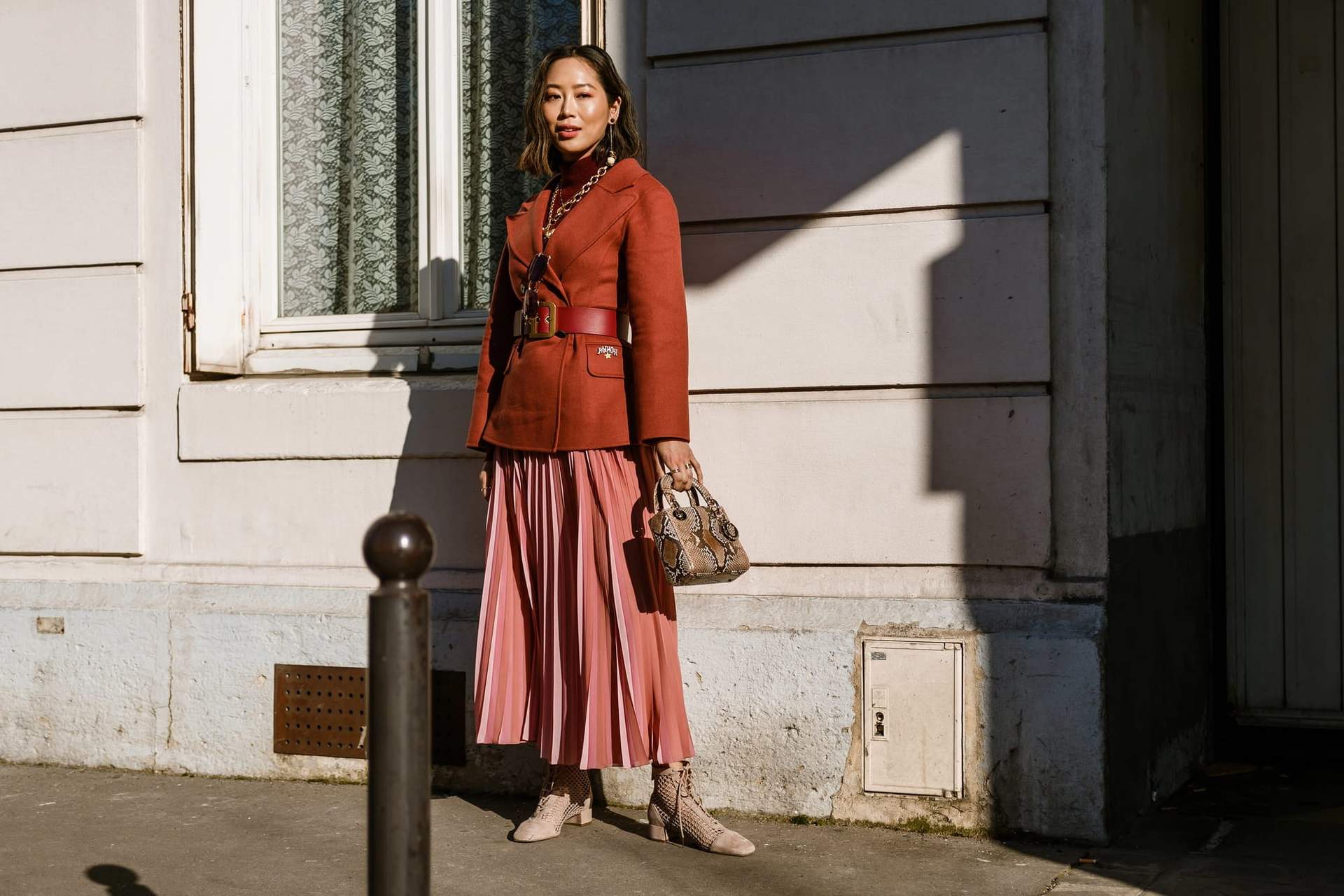
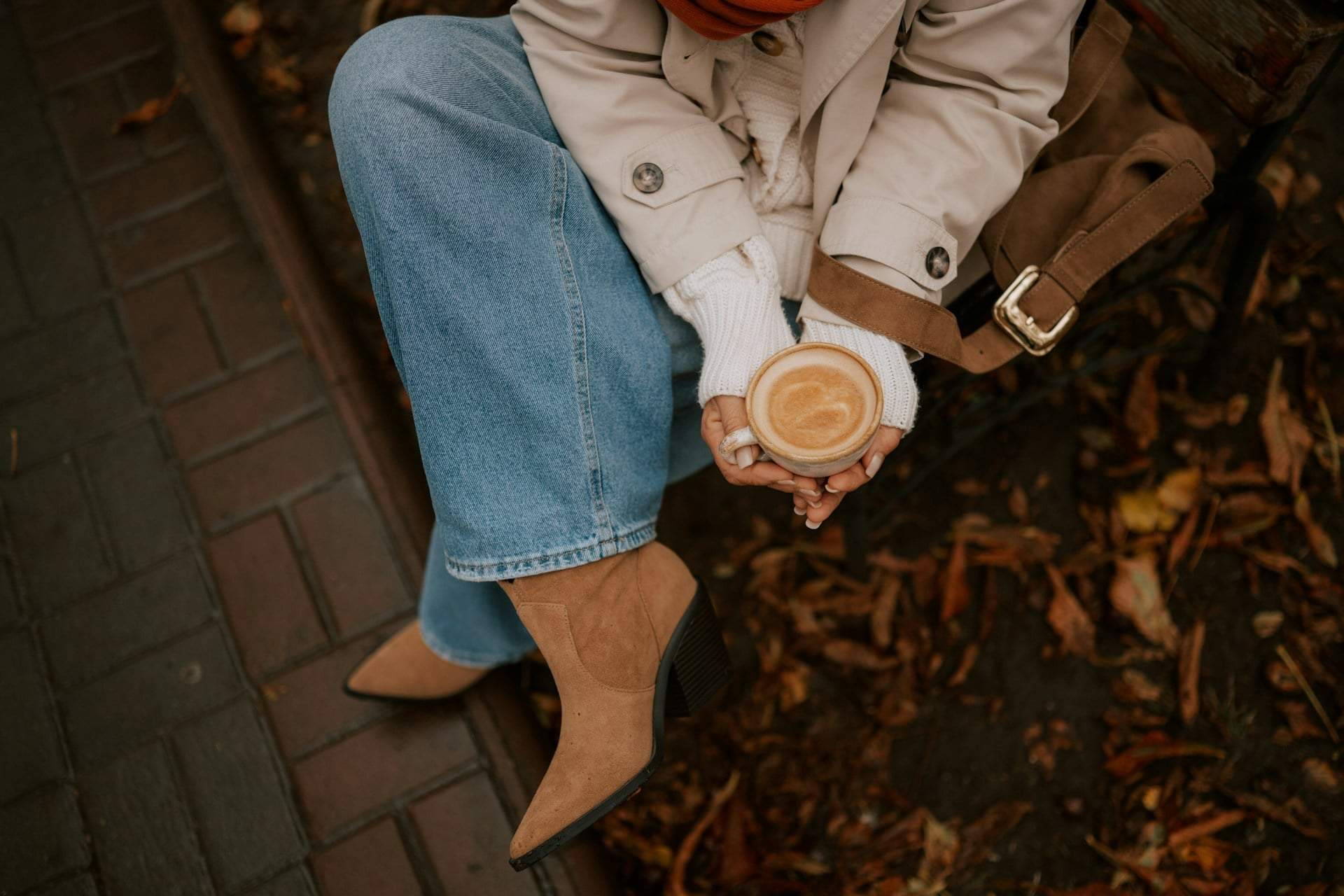
The same rule applies to jackets and blazers, just on a larger scale. A cropped, waist-length blazer worn over a longer dress or top follows the 2/3 principle naturally — and looks especially sharp with heeled boots or mules, since the leg line extends even further.
With long coats, the rule flips: if your coat reaches two-thirds down your thigh, pair it with something fitted and shorter underneath. This keeps the layered look intentional rather than overwhelming. Belt placement matters here too — cinching slightly above or below the natural waist creates a more dynamic line than tying it dead center.
When it's worth breaking the rule
The 2/3 ratio is a starting point, not a law. If you're petite, be careful with very long top layers — a dominant oversized coat can visually overwhelm a shorter frame rather than flatter it. If you're tall, you have more freedom to play with dramatic contrasts between long outerwear and short tops, since vertical length is already working in your favor.
It's also worth checking your outfit from the side, not just the front — proportions can look very different in profile. If the hemline of your top and the waistline of your bottoms are too close together, one small adjustment is often all it takes: roll up a sleeve, pull a belt a little higher, or half-tuck your shirt. Suddenly the outfit feels lighter, sharper, and completely intentional.
Is the 2/3 rule the same as the golden ratio?
They're closely related. The golden ratio divides a line so the shorter part relates to the longer part the way the longer part relates to the whole. The 2/3 fashion rule is a simplified, wearable version of that same principle — easy to apply without any measuring.
Does this rule work for all body types?
Yes, though the way you apply it varies. Petite frames benefit most from high-waisted bottoms and cropped or tucked tops, which maximize the illusion of height. Taller frames can experiment more freely with longer outer layers and shorter tops.
What's the most common mistake people make with proportions?
Hitting the exact mid-hip with a top or jacket. This 50/50 split is the proportion trap that most commonly makes an outfit feel flat or visually heavy. Moving the dividing line even slightly — up or down — immediately improves the overall silhouette.
Do accessories follow the same logic?
They can reinforce it. A belt worn slightly off-center, a bag strap that hits at an asymmetric point, or shoes that extend the leg line all contribute to the overall proportion of the outfit and can strengthen or soften the 2/3 effect.