A job interview can be decided in the first few minutes — before a single professional question is asked. Your appearance won't replace your skills, but it shapes that all-important first impression. The goal isn't to dress down or bland out — it's to let your confidence and competence do the talking, not your outfit. Here are five pieces that can work against you, no matter how sharp your résumé is.
1. A sheer or sparkly knit top
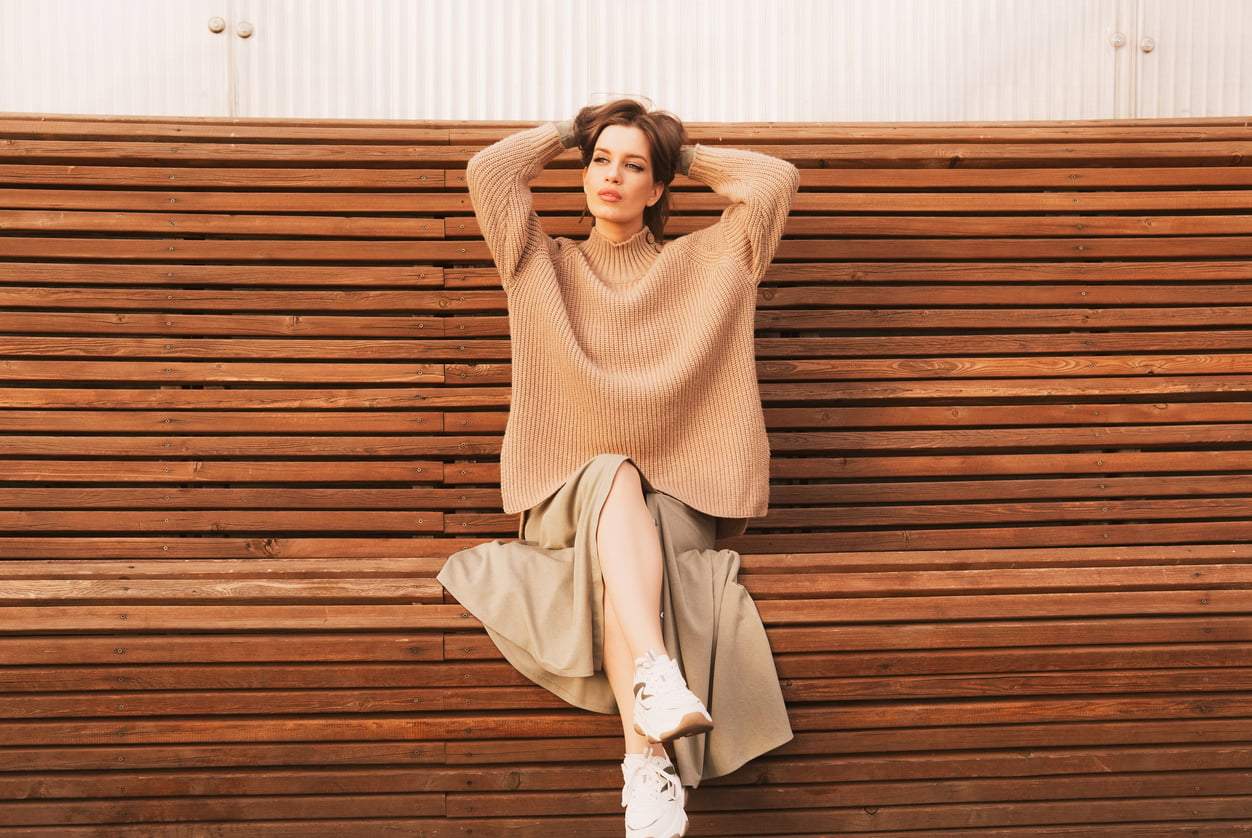
Glittery, deep-cut, or semi-transparent knitwear has its moment — just not in a conference room. Tops that are too clingy, sheer, or festive draw attention to your look rather than your words, and if you're constantly adjusting the neckline or smoothing the fabric, that nervous energy will show. A well-fitted, understated top in a neutral or muted tone projects the kind of quiet confidence that interviewers remember for the right reasons.
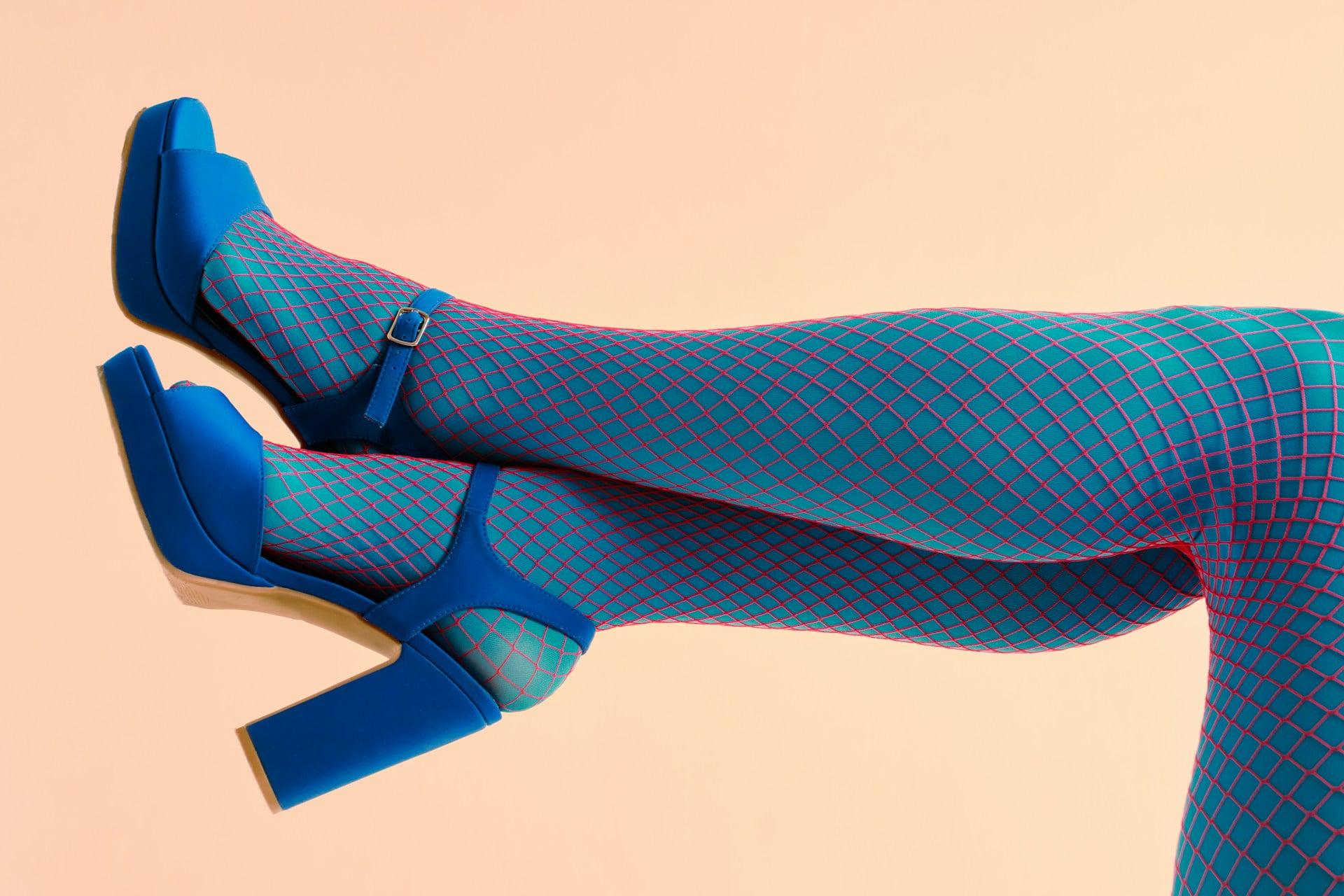
2. Extreme platform shoes or very high stilettos
A bold shoe can elevate an everyday outfit — but a job interview isn't the best stage for your most daring pair. If your heels are so high or unstable that your walk feels uncertain, that hesitation transfers directly to your body language and overall presence. A block-heel pump, a clean loafer, or a sleek ankle boot will keep you grounded — literally and figuratively — and let your personality lead instead.
Wondering what a polished interview outfit actually looks like from head to toe? These accessory ideas can help you pull the whole look together.
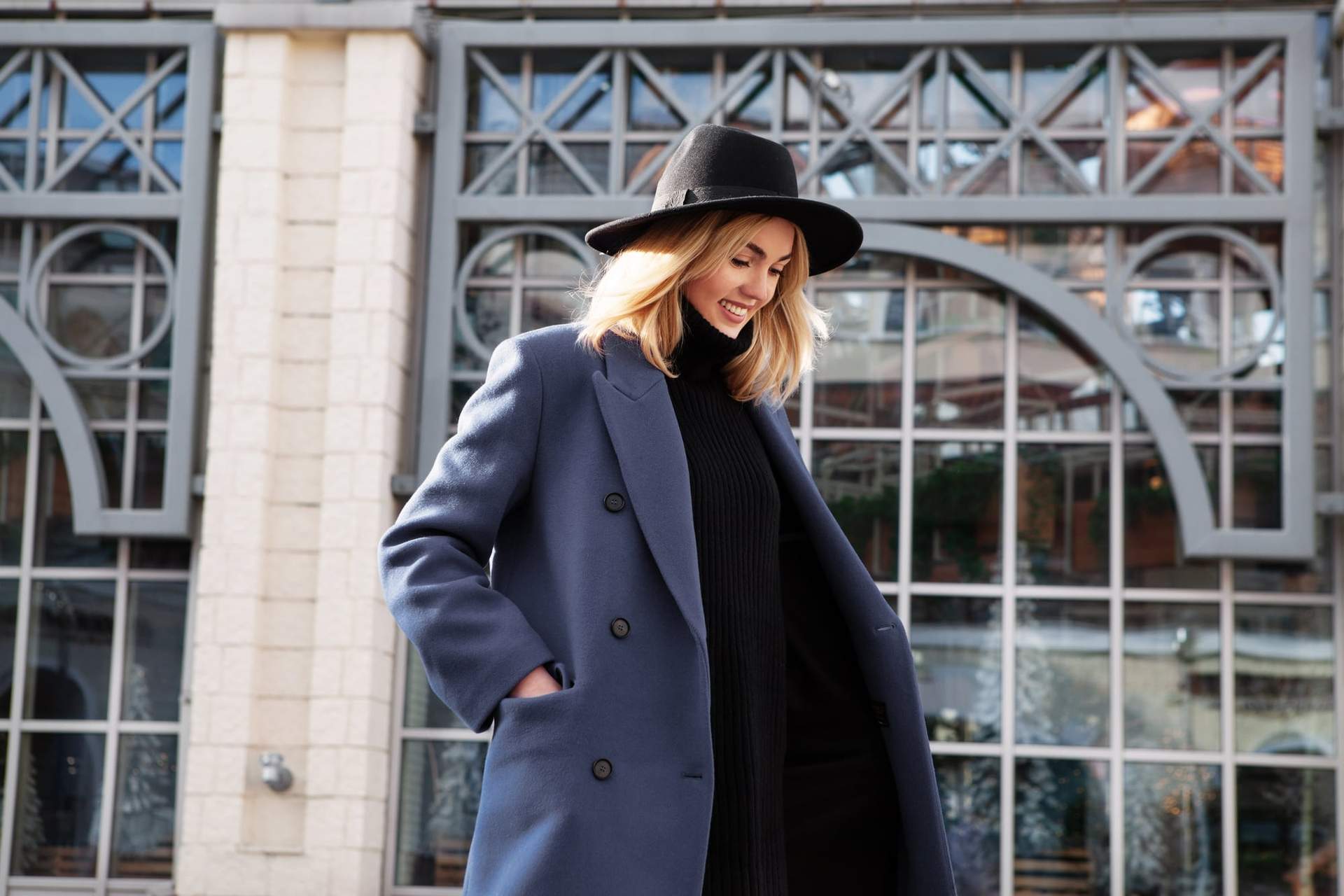
3. An oversized, shapeless coat
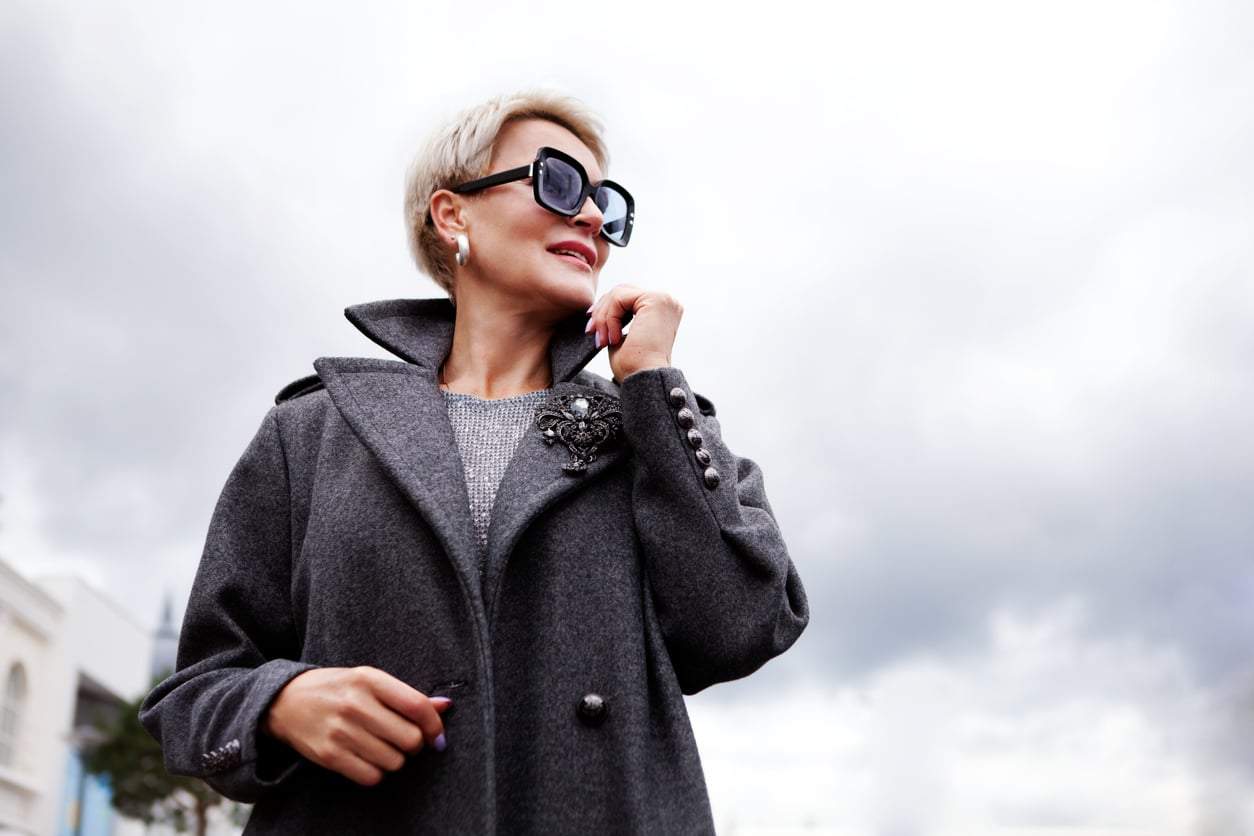
Oversized outerwear is having a major fashion moment — and rightly so. But there's a difference between a deliberately structured oversized coat and one that simply swamps you. If the shoulders slide off, the sleeves cover your hands, or the coat completely hides your outfit underneath, the overall effect can read as unpolished rather than intentionally cool.
A coat that sits well at the shoulders — even if it has a relaxed silhouette — immediately makes the whole look feel more put-together and refined.
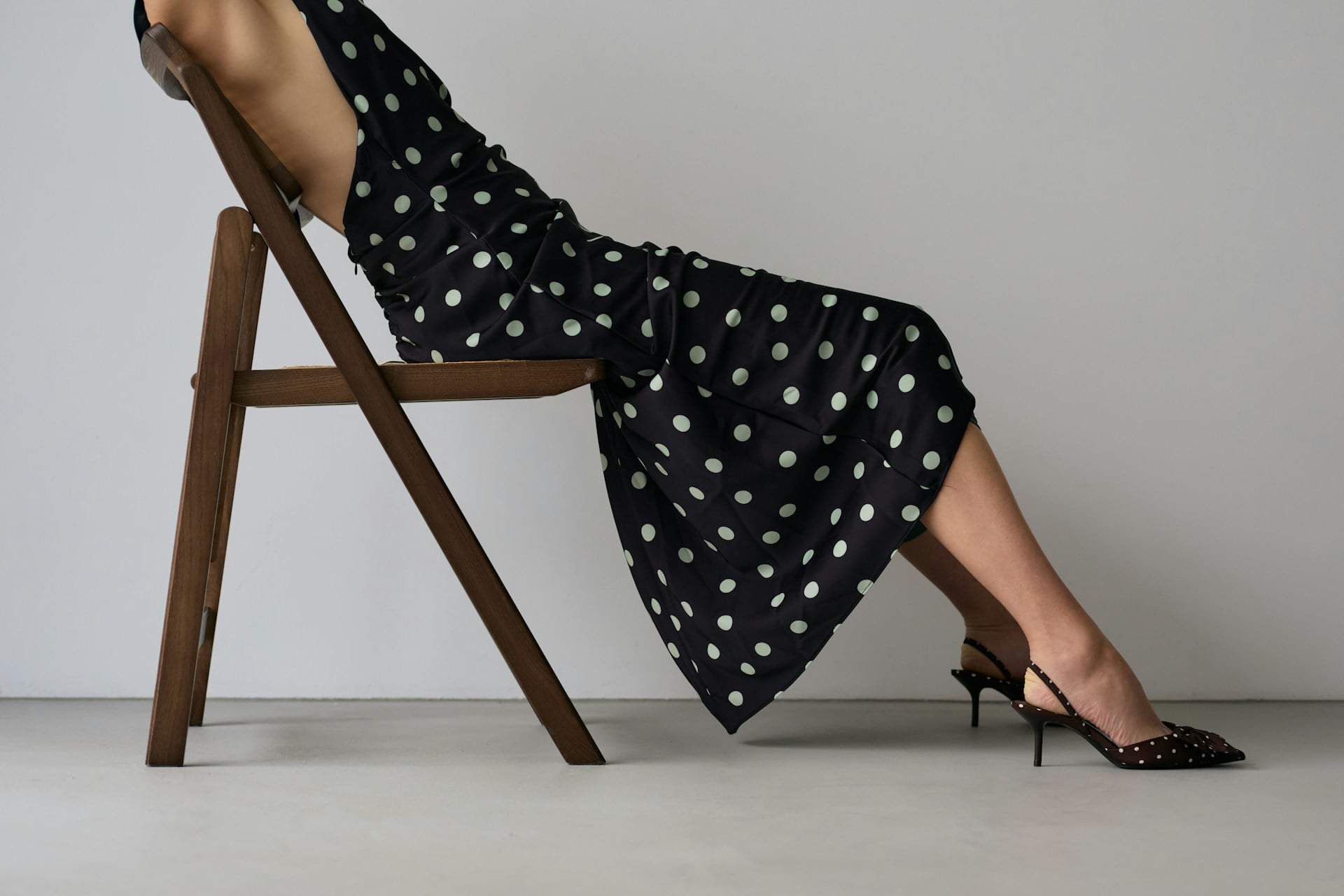
4. A skirt or shorts that are too short
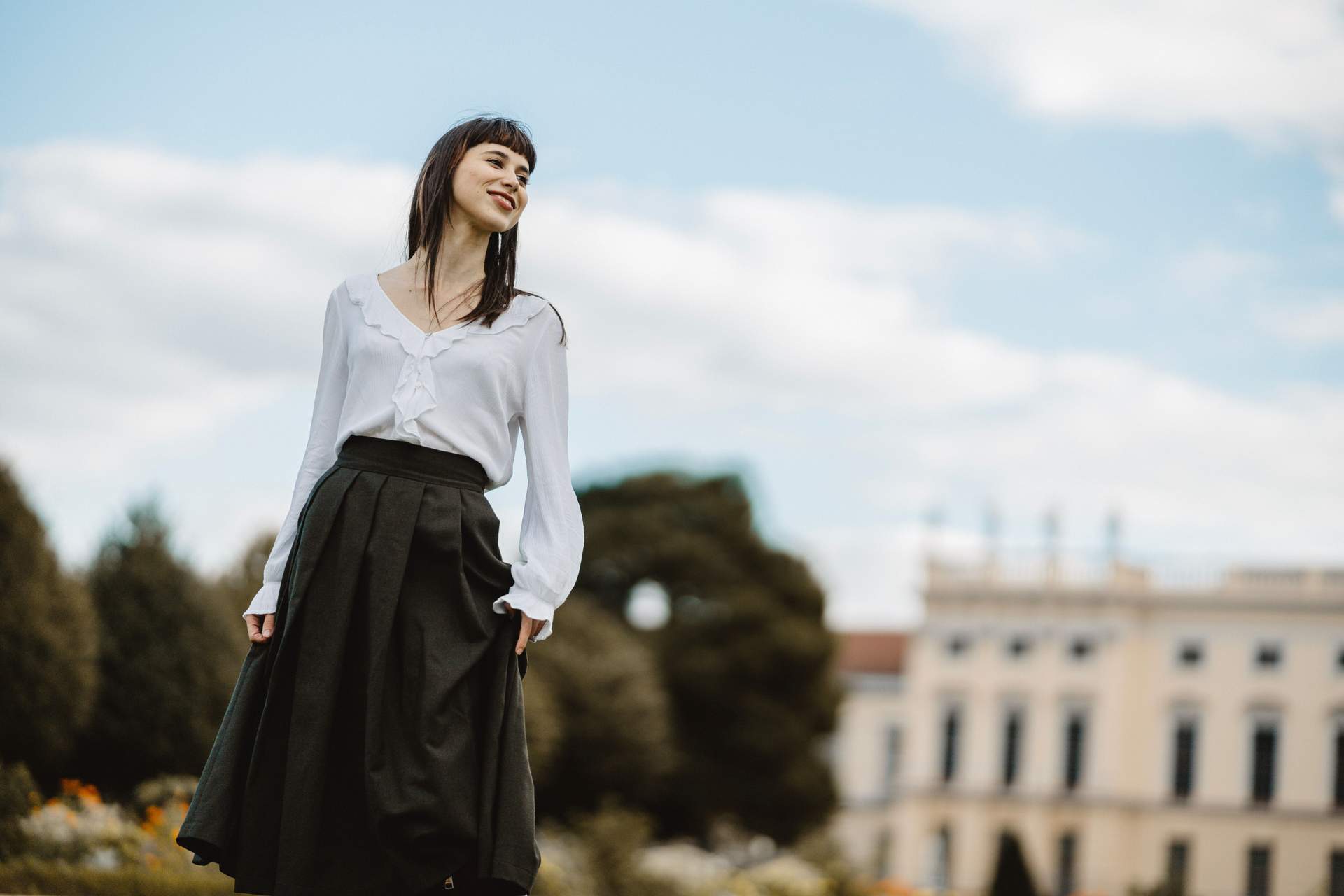
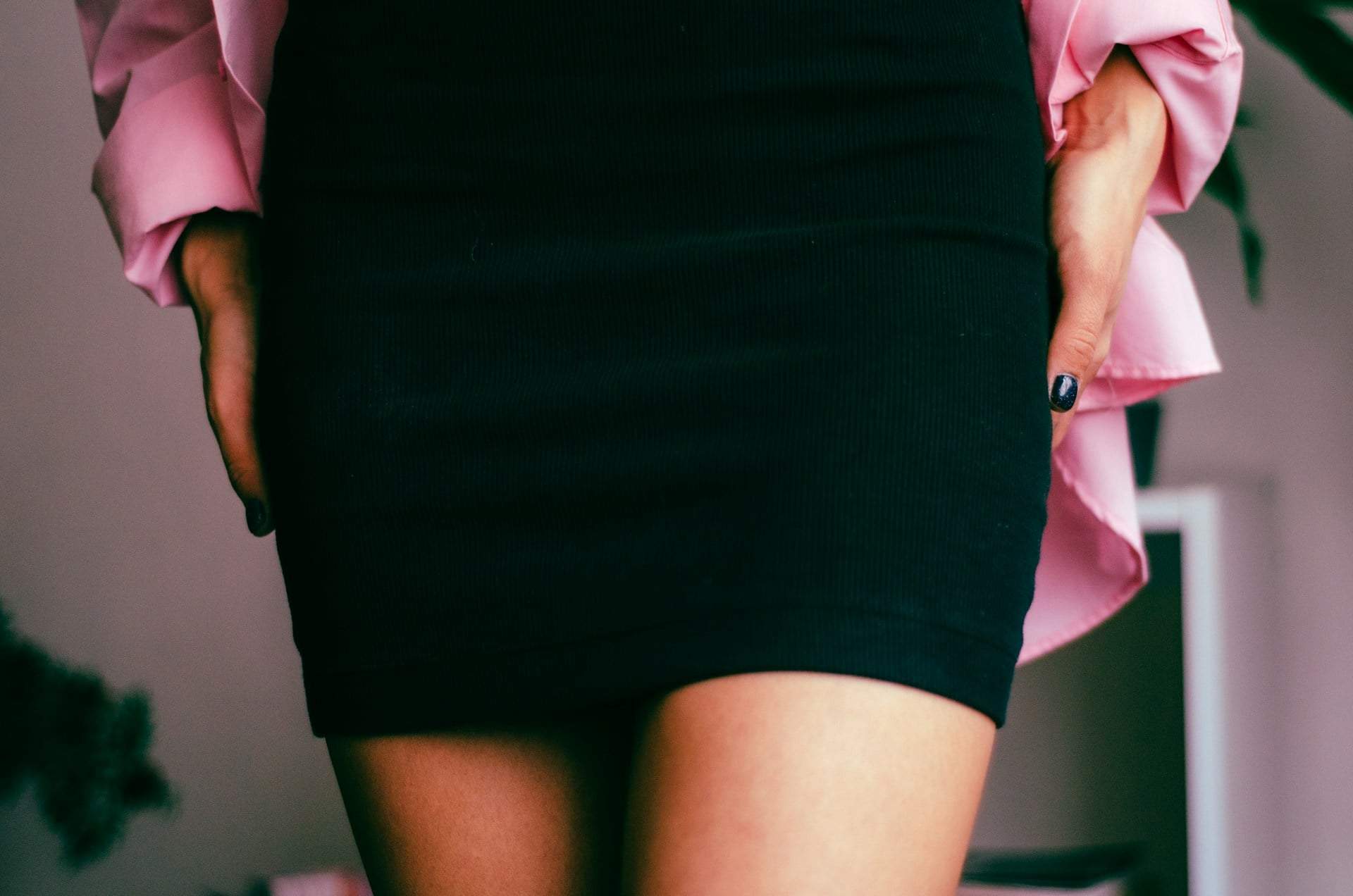
There's nothing wrong with loving shorter hemlines — the issue is practicality under pressure. In an interview setting, you'll be sitting, crossing your legs, and moving around a room. If you spend any mental energy making sure nothing is riding up, that focus is stolen from the conversation where it belongs. A comfortable, well-fitting length — whether a midi skirt, tailored trousers, or knee-length dress — means you can move freely and stay fully present.
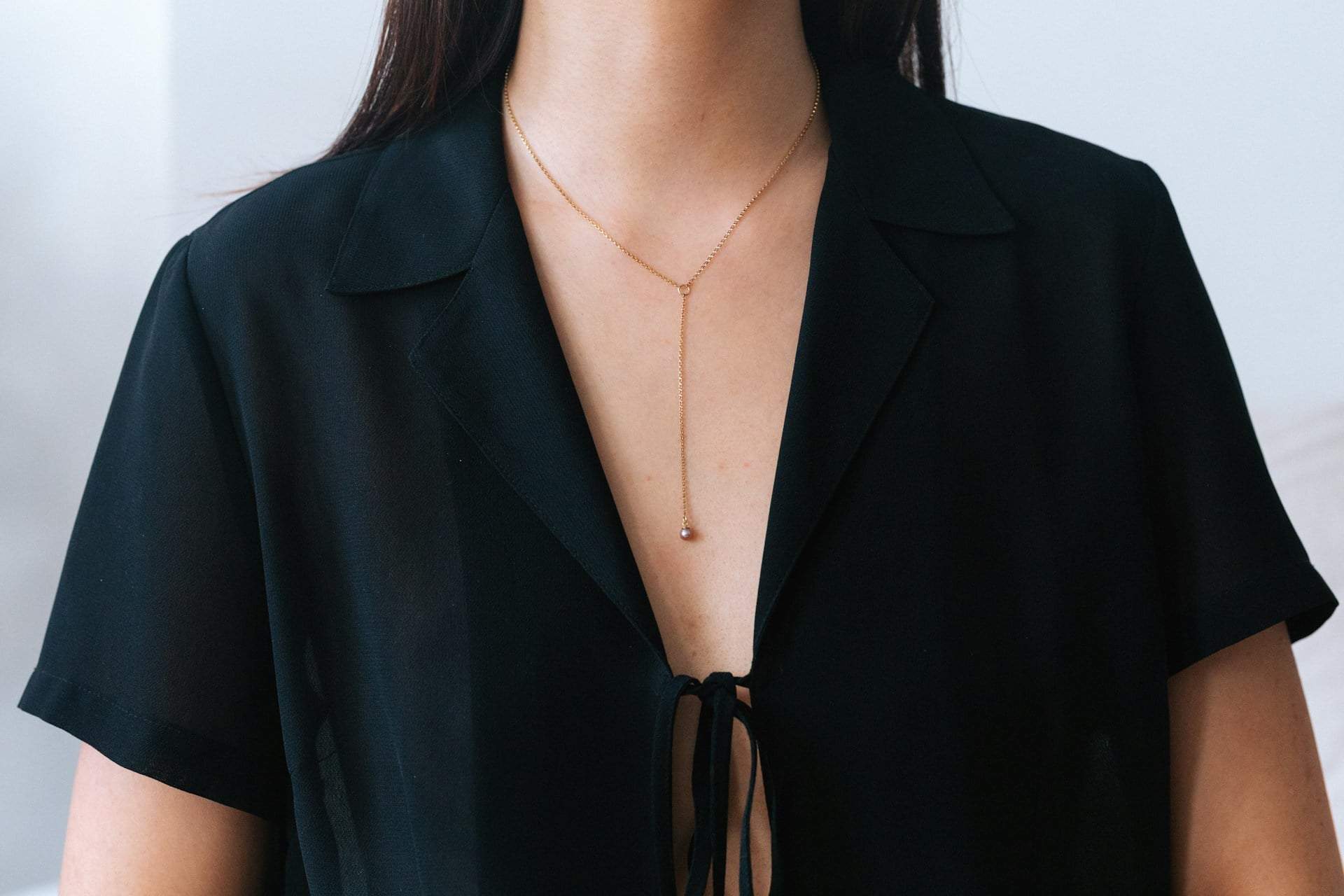
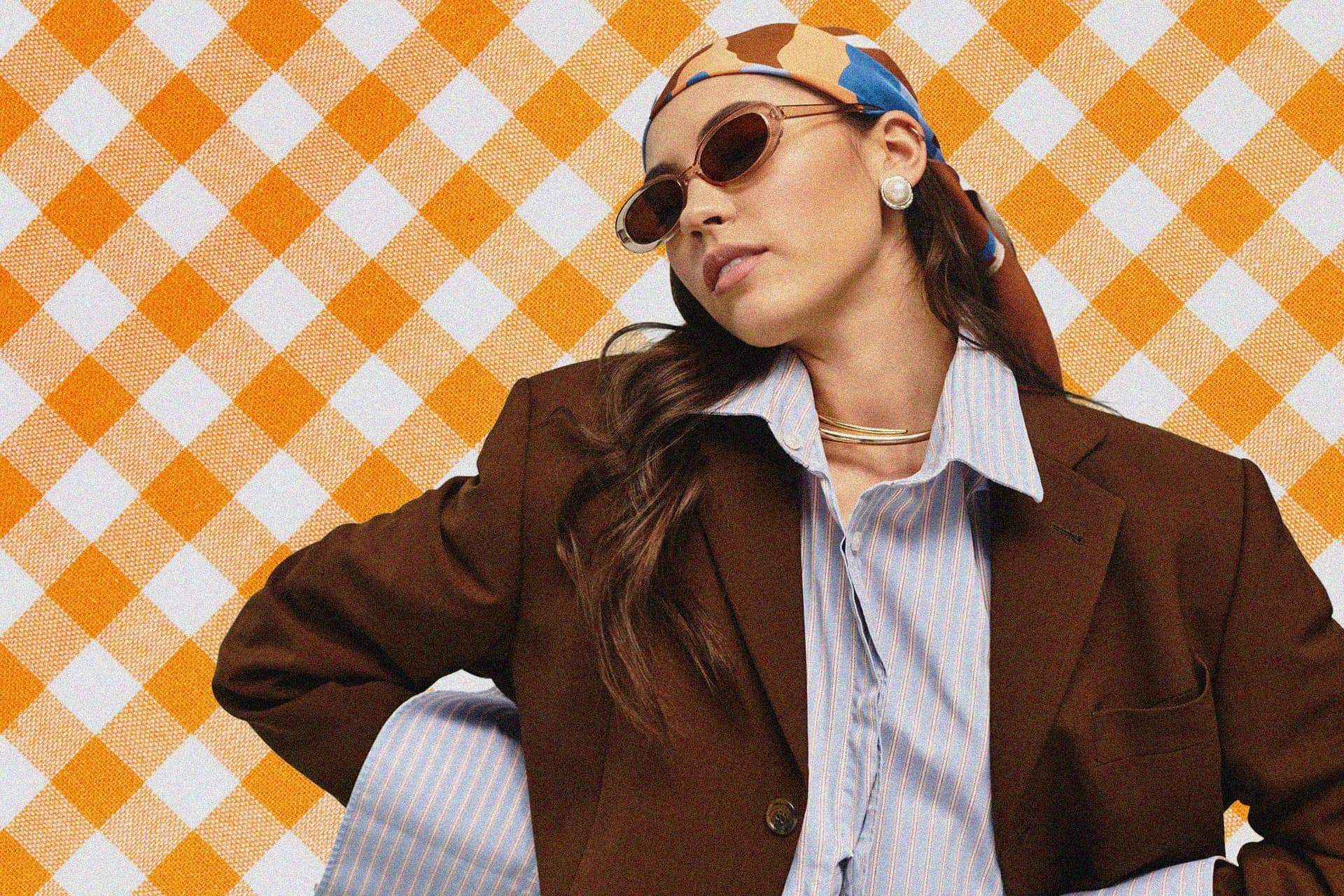
5. Statement accessories that steal the show
Bold jewelry has a place in fashion — a confident, expressive place. But an interview isn't the moment for jangling bangles, oversized chandelier earrings, or accessories that make noise with every gesture. They become a distraction for both you and the interviewer. A delicate necklace, simple stud earrings, or an elegant watch adds just enough polish without pulling focus away from what you're actually saying.
The ideal interview outfit isn't about wearing the most expensive or on-trend pieces. It's about choosing clothes in which you feel like yourself, comfortable, and genuinely confident. Your look should support your message — not compete with it.
Does what you wear really affect the outcome of a job interview?
It can — especially in the early moments. Interviewers form first impressions quickly, and your appearance is part of the signal you send before you say a word. The right outfit won't get you the job, but the wrong one can create unnecessary doubt.
What's the safest outfit formula for a job interview?
A well-fitted top or blouse, tailored trousers or a midi skirt, and a structured jacket or blazer is a reliable starting point for most industries. Choose pieces you feel comfortable moving and sitting in, and keep accessories simple.
Can you still show your personal style at a job interview?
Absolutely — and you should. The point isn't to disappear into a uniform, but to make sure your style choices support rather than distract from the impression you want to make. A subtle color, a well-chosen accessory, or an interesting cut can all express personality without overwhelming the room.
Are there outfit rules that apply to every industry?
Not universally, but comfort, fit, and cleanliness apply everywhere. What counts as appropriate varies between a law firm and a creative agency, so researching the company culture before you dress is always a smart move.