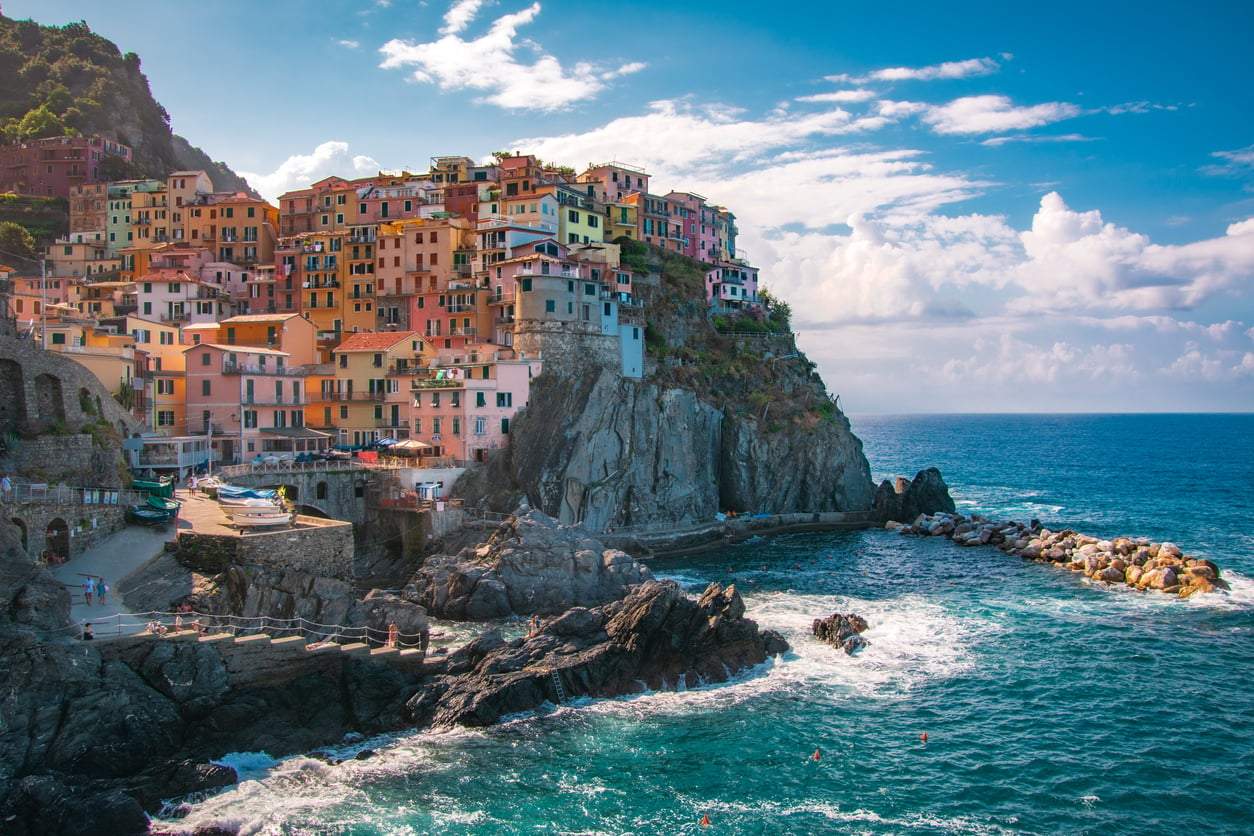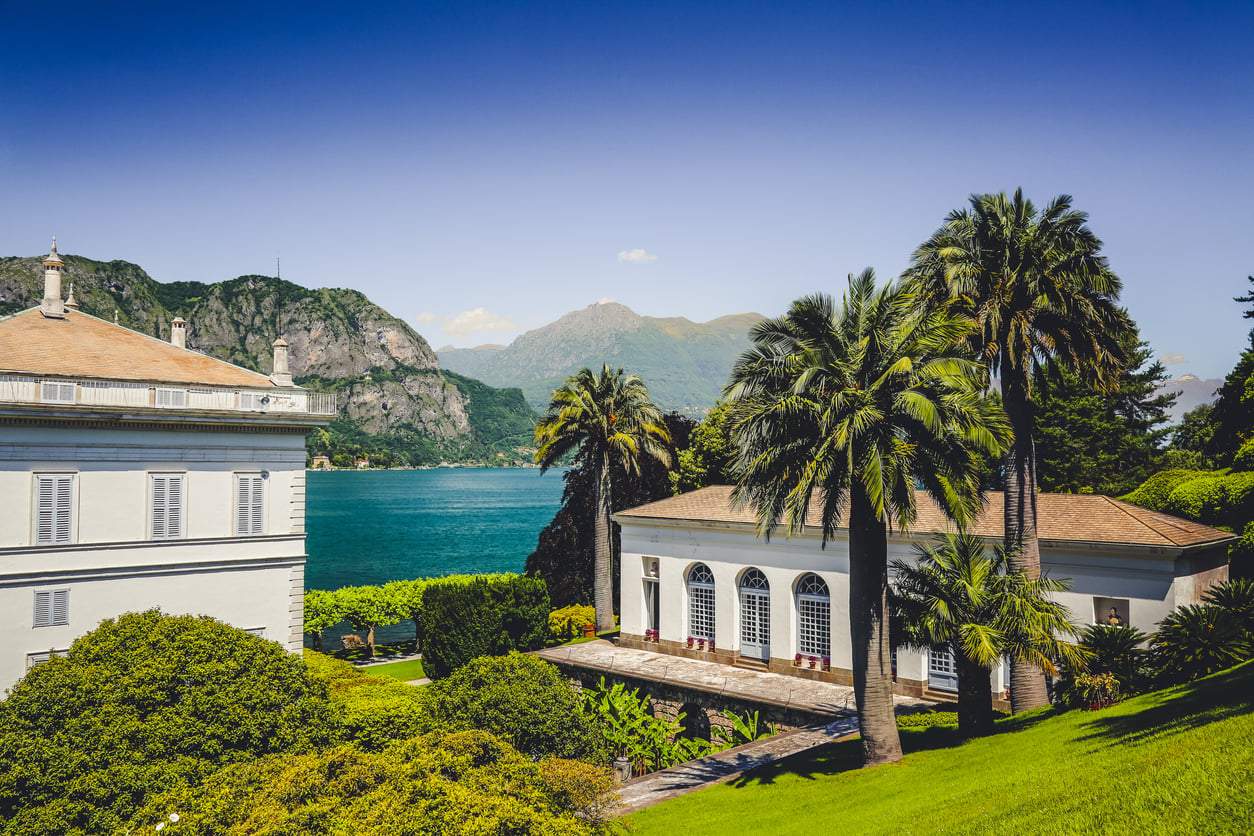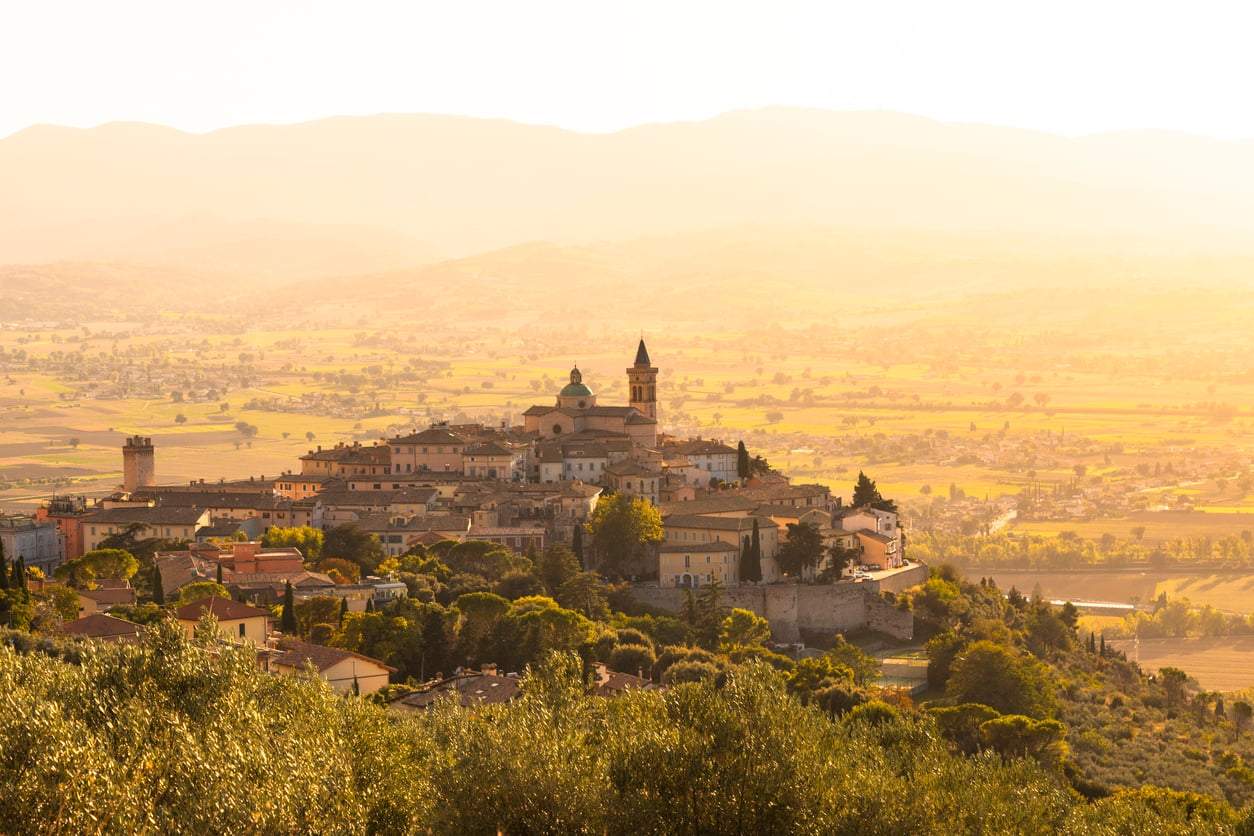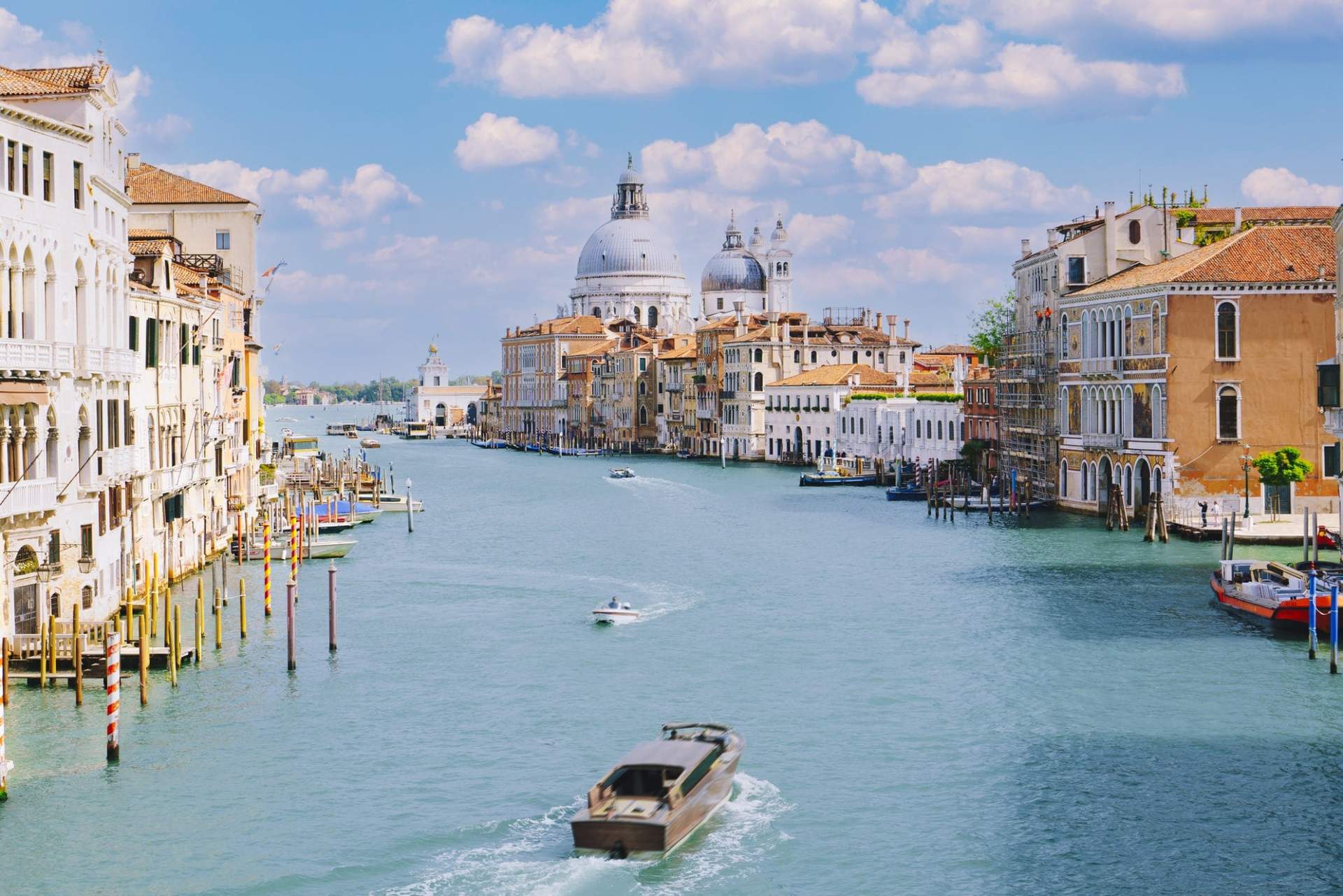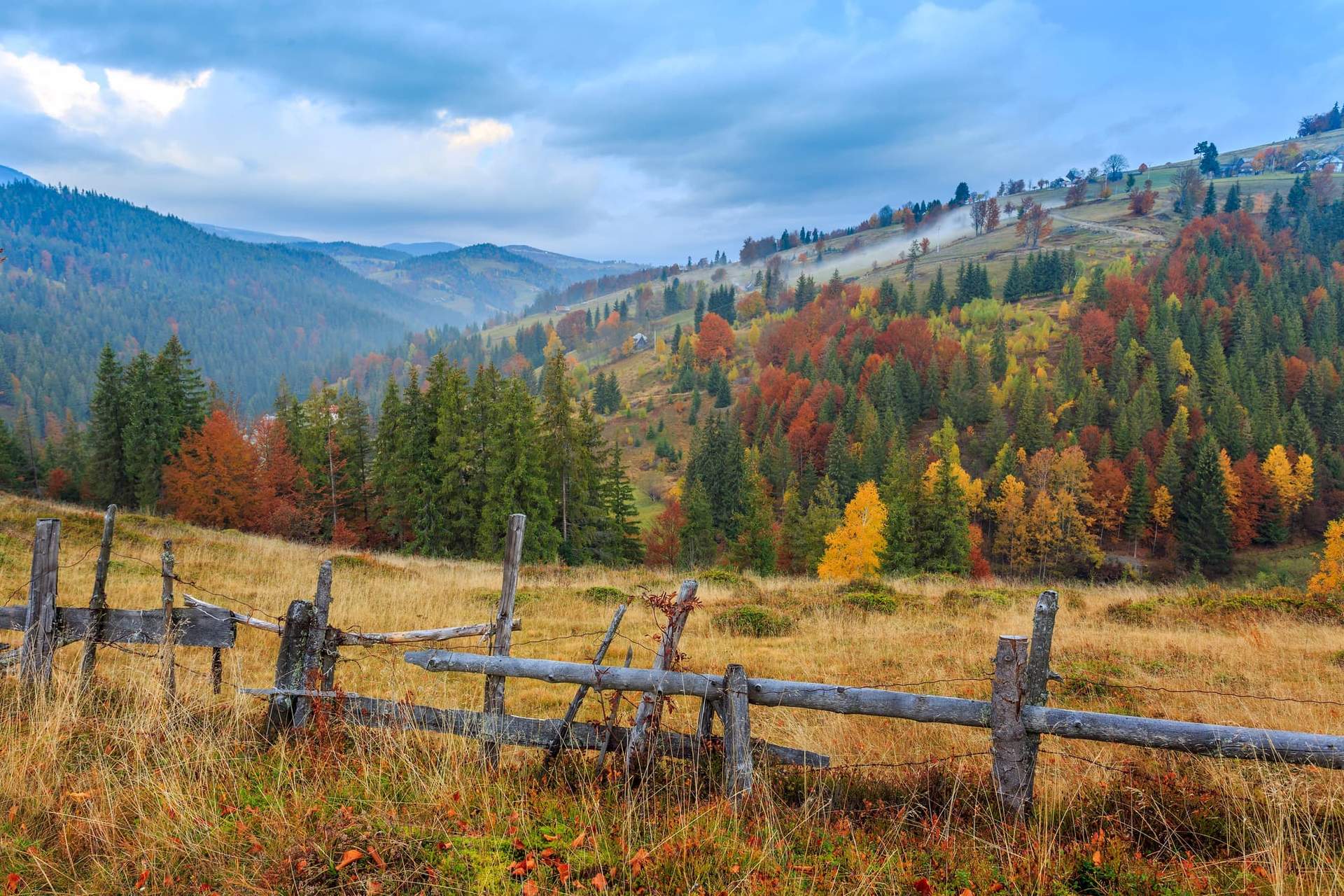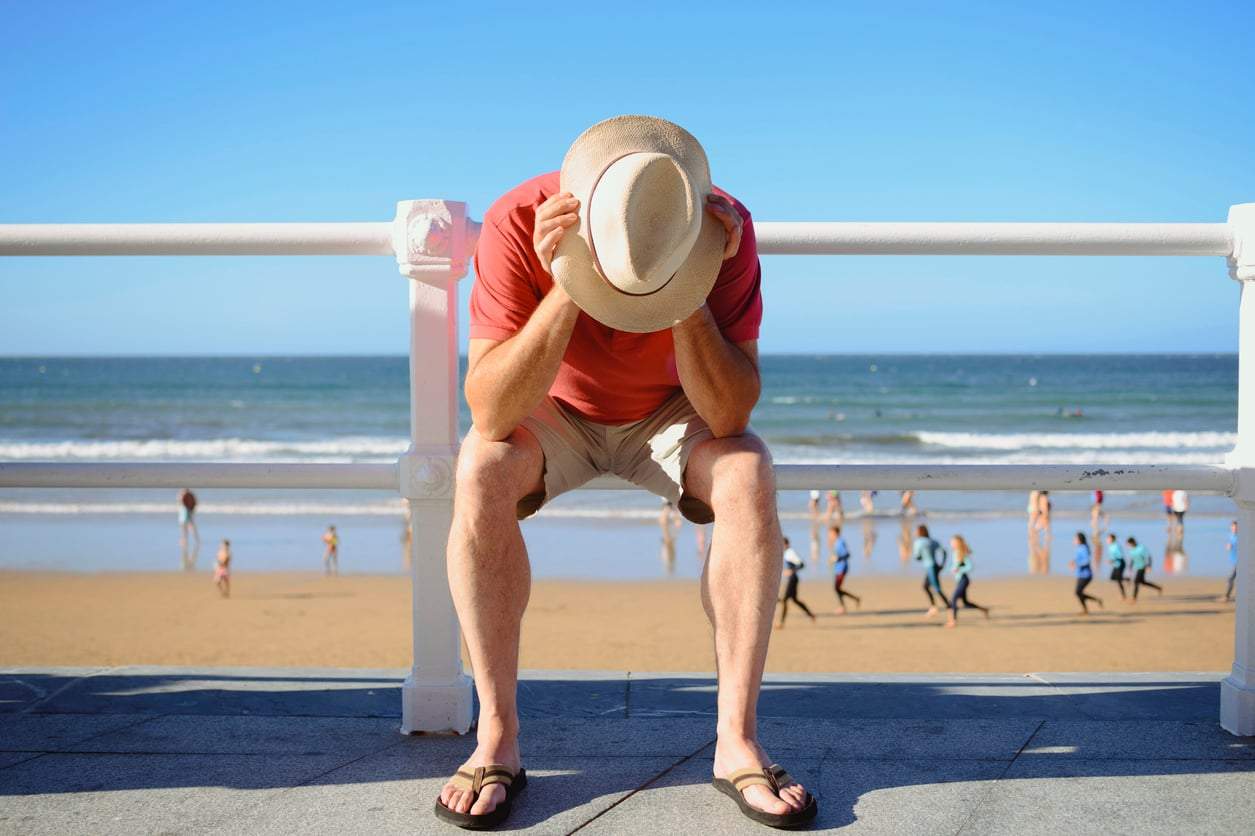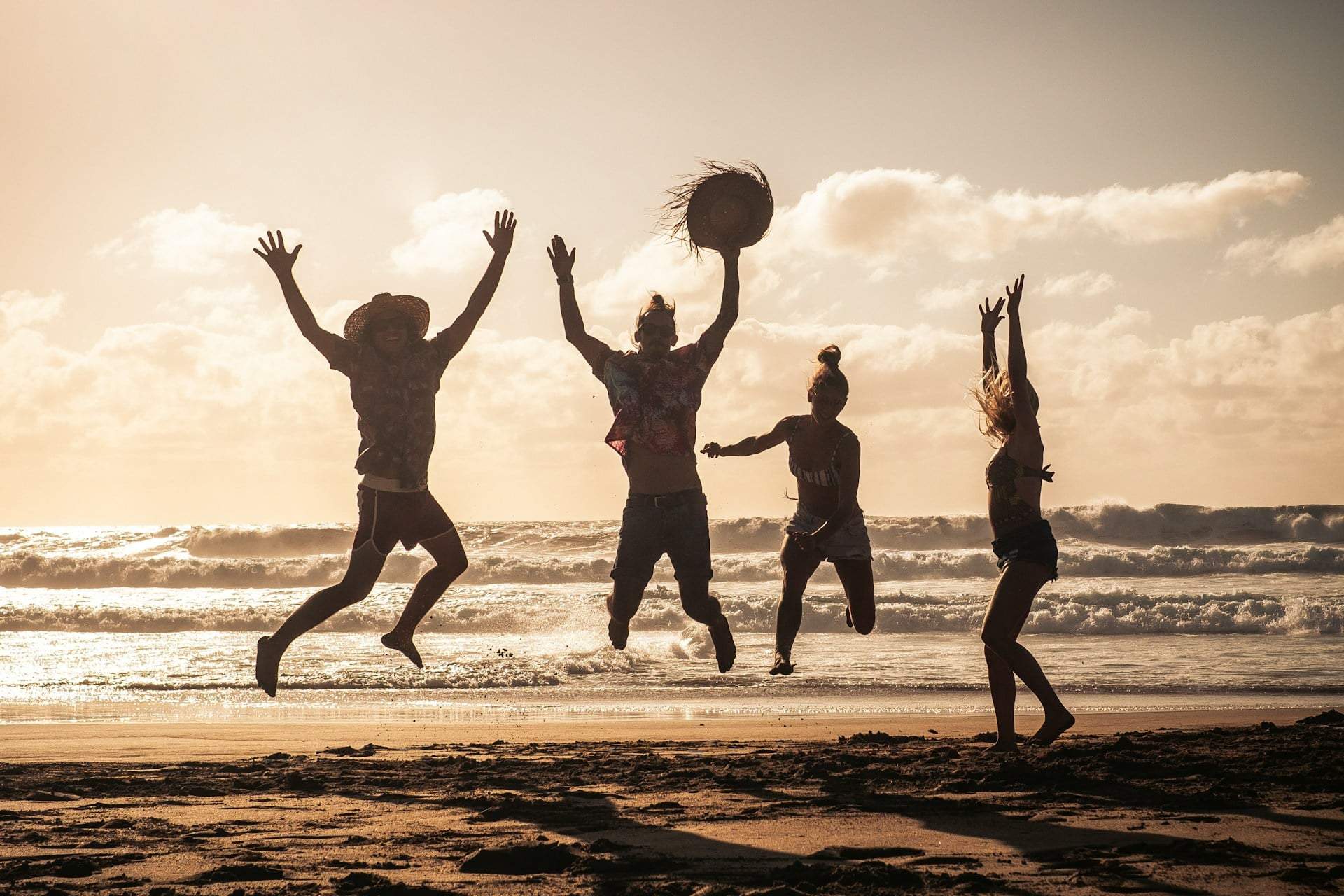
Everyone tells you to go in September, and the advice is broadly good. But I've watched enough people arrive on a famous stretch of coast in shoulder season, do exactly what they would have done in August, and go home saying it was ruined — that it was too full, too hot, too hard, that the pictures had lied. The month helps. It doesn't do the work for you. What actually decides whether a postcard village is a delight or a disappointment is a handful of unglamorous choices about when you move, where you sleep and how much you try to see.
Shoulder season is a change in rhythm, not a change in numbers
The real gift of late September isn't emptiness. It's that the day has usable edges again. Mornings are cool enough to walk in, evenings stretch out without the flattening heat, and the sea is still holding onto summer, which means swimming remains one of the best things you can do at four in the afternoon when the streets are at their worst.
The middle of the day, though, is unchanged. Between roughly eleven and four, the arrivals stack up: day trippers off trains, ferries and coaches, all funnelling into the same three photogenic streets. Fight that and you'll spend your holiday queuing. Plan around it and you effectively get a quieter destination for free. My whole approach is built on giving the middle of the day away — to a swim, a long lunch, a boat, a shaded terrace, a nap — and taking back the two hours after breakfast and the three before dinner, when the same alley you couldn't move through is suddenly yours.
Sleep in the town nobody photographs
The single best decision I make on coastlines like this is refusing to stay in the most beautiful village. The famous one is where everybody wants to be, so the rooms are smaller, the noise carries later and the prices reflect the postcard. One town along — the working harbour, the place with the ferry stop and the ordinary supermarket and no viral viewpoint — you get more space, better everyday food, and locals who are still pleased to see visitors in September.
Then you commute in, deliberately, early. Arriving somewhere at eight in the morning with a coffee while the shutters are still going up is a genuinely different experience from arriving at noon, and it costs nothing but an alarm.
One village a day, and mean it
The most common shoulder-season mistake is treating a string of villages as a checklist to be cleared in two days. Transport on narrow coastlines is slow by design: single-track roads, footpaths that climb, boats and trains that don't align neatly, and services that begin thinning out as the season turns. Three villages in a day means three arrivals, three departures and a great deal of standing on platforms, which is not what anyone came for.
Two things make an enormous difference. First, check whether the coastal walking paths are actually open — sections close after heavy rain or for repair work, and September brings the first real storms of autumn, so nothing is guaranteed. Second, book dinner. Kitchens are smaller than the crowds suggest, some places begin their seasonal closures, and a walk-in at eight in the evening can turn into an hour of trying doors.
Pack for weather, not for photographs: the same week can hand you a swim, a downpour and a genuinely cool evening. A light waterproof and shoes with grip will serve you better than another linen outfit.
Is September really quieter than August?
Generally yes, and noticeably so once schools go back — but "quieter" applies to the shape of the day rather than the whole day. Famous villages still fill up in the middle hours because day trips run whatever the month, so treat early morning and late afternoon as your prime time and expect the middle to feel like high season.
How many villages can I realistically see in one day?
One properly, or two if they're genuinely close and you accept that the second will be a quick look rather than a visit. Slow transport, ferry and train timings and steep footpaths eat far more of the day than a map suggests, and the pleasure of these places lives in the details — the bakery, the church, the swim off the rocks — which you only notice when you're not watching the clock.