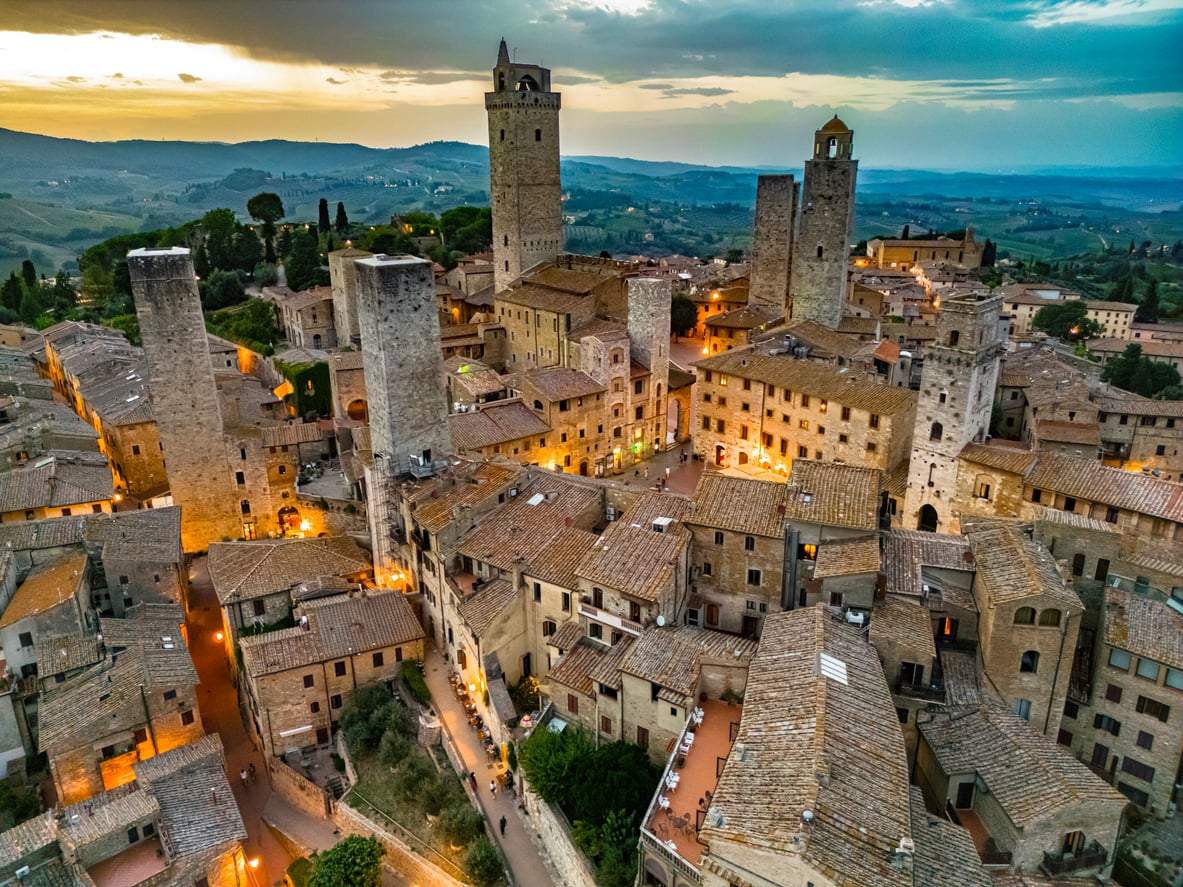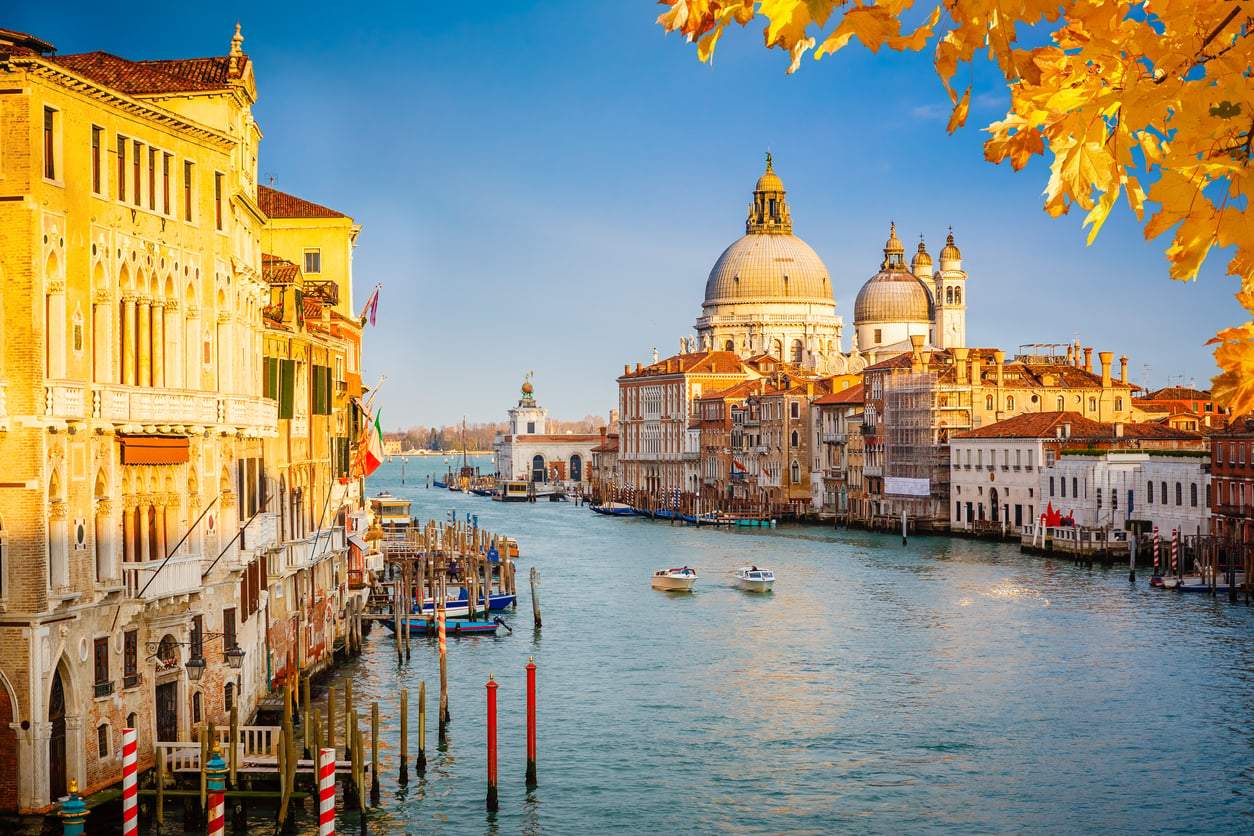
There is a moment in every famous small village when you understand exactly why it is famous, and it almost never happens at two in the afternoon. It happens early, when a man is hosing down the stones outside a bar and the light is still low, or late, when the day boats have gone and the swallows come out. The trick to loving these places is not avoiding them out of principle. It is arranging your day so that you are there for the good hours and somewhere else for the bad ones.
Understand the day-trip window
Almost every over-visited village runs on the same rhythm, dictated by coaches, ferries and cruise arrivals. Crowds build from mid-morning, peak in the early afternoon, and drain away by late afternoon as people are herded back to their transport. That window — roughly ten until five — is when the lanes are shoulder to shoulder, the queues form, and the staff are too harried to be anything but efficient.
So plan around it rather than through it. Be on the streets by eight, have a proper breakfast, walk the high paths or the church while they are empty, then retreat. Use the middle of the day for the things crowds ruin least: a long lunch, a swim somewhere out of town, a train to the next place, an actual nap. Come back at six and you will feel as though someone handed the village back to you.
Stay the night, even if it costs more
The single biggest upgrade is sleeping there. Day trippers only ever see the worst hours; if you stay, you get the two ends of the day that make the place extraordinary, and you get the version of village life that happens after the shutters come down on the souvenir shops. Rooms are smaller and pricier than in the nearest big town, and it is almost always worth it for one or two nights.
If the budget will not stretch, the next best thing is basing yourself one stop away — the unglamorous neighbouring town with the train station, the bus route and the normal supermarket — and travelling in at the edges of the day. You get earlier mornings and later evenings than the coach crowd, and you eat where people actually live.
Choose the second-most-famous version
Beautiful landscapes rarely produce just one beautiful village. There is usually a headline name that appears on every list, and two or three neighbours with the same stone, the same views and a fifth of the visitors, simply because they photograph slightly less well from the water or sit twenty minutes further from the car park. Look at a map of the area rather than a list of highlights and pick the one nobody is naming.
Walking between them is the other quiet luxury. Paths that link villages tend to be empty within ten minutes of leaving, and arriving on foot changes the whole feeling of a place — you come in through the back, past the vegetable plots and the washing lines, instead of decanting into the main square with everyone else. Check whether trails are open and whether they require a pass or ticket before you go, and take far more water than feels reasonable.
When is the best time of day to visit a popular village?
Before nine in the morning or after five in the afternoon, without much competition from any other answer. Early gives you empty streets, cool air and the working life of the village; late gives you the light, the locals reclaiming their squares and restaurants that have relaxed. If you can only do one, pick the evening in summer, when heat keeps the middle of the day unpleasant anyway.
Is it worth staying overnight instead of a day trip?
For a place you have travelled a long way to see, yes — one night transforms it from an item ticked off into somewhere you actually experienced. You get two golden hours instead of none, you stop watching the clock for the last boat, and you spend your money in the village rather than in a coach park. If a night is genuinely impossible, plan the longest day you can and eat dinner there before you leave.
Go in the shoulder weeks, and forgive the weather
The weeks either side of high season are the compromise that actually works: still warm enough to swim in many places, quiet enough to get a table without booking, and staffed by people who have not yet been worn down by three months of queues. The trade is unpredictability — a closed museum, a boat that is not running yet, a day of rain that keeps you in a cafe for two hours. Build that into the plan instead of resenting it, keep one indoor pleasure in reserve, and accept that a village seen in soft grey light with nobody else in it is a memory you will keep far longer than the perfect photograph you queued for.