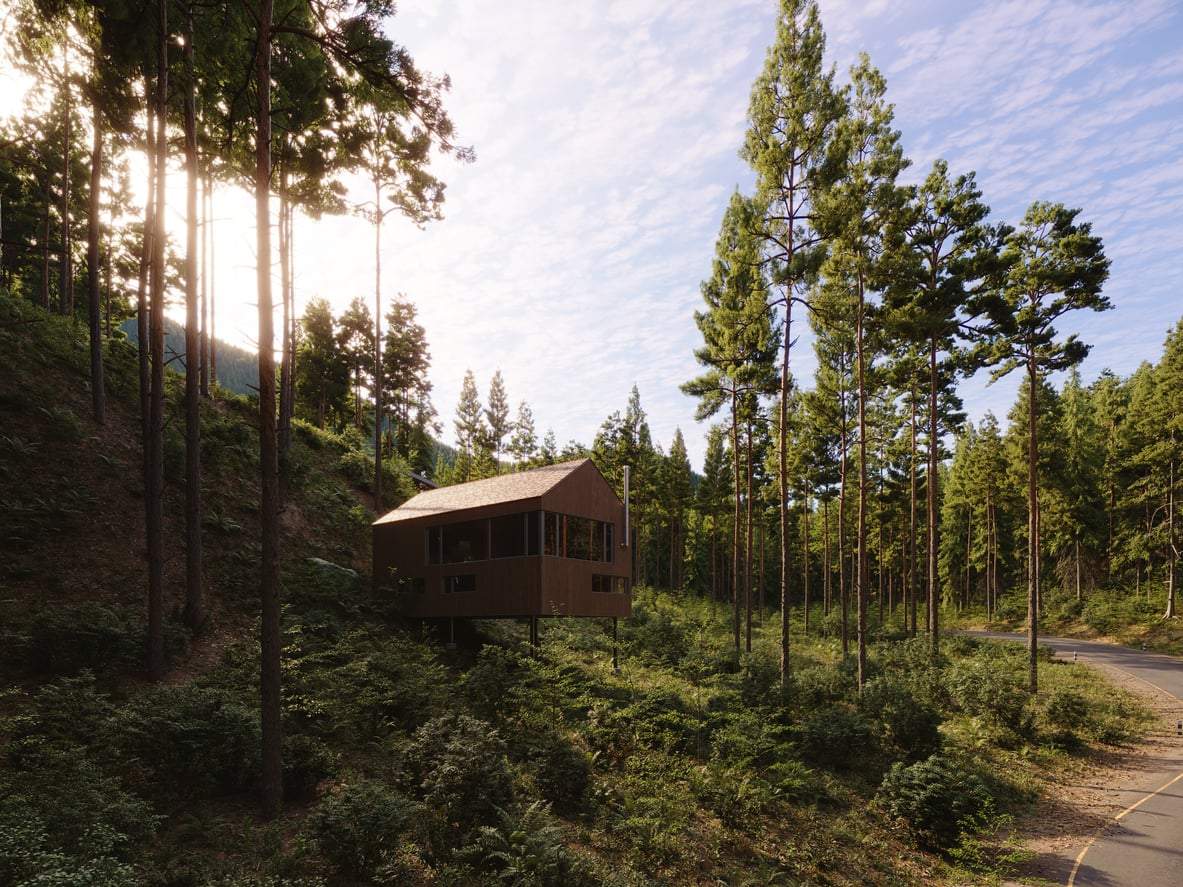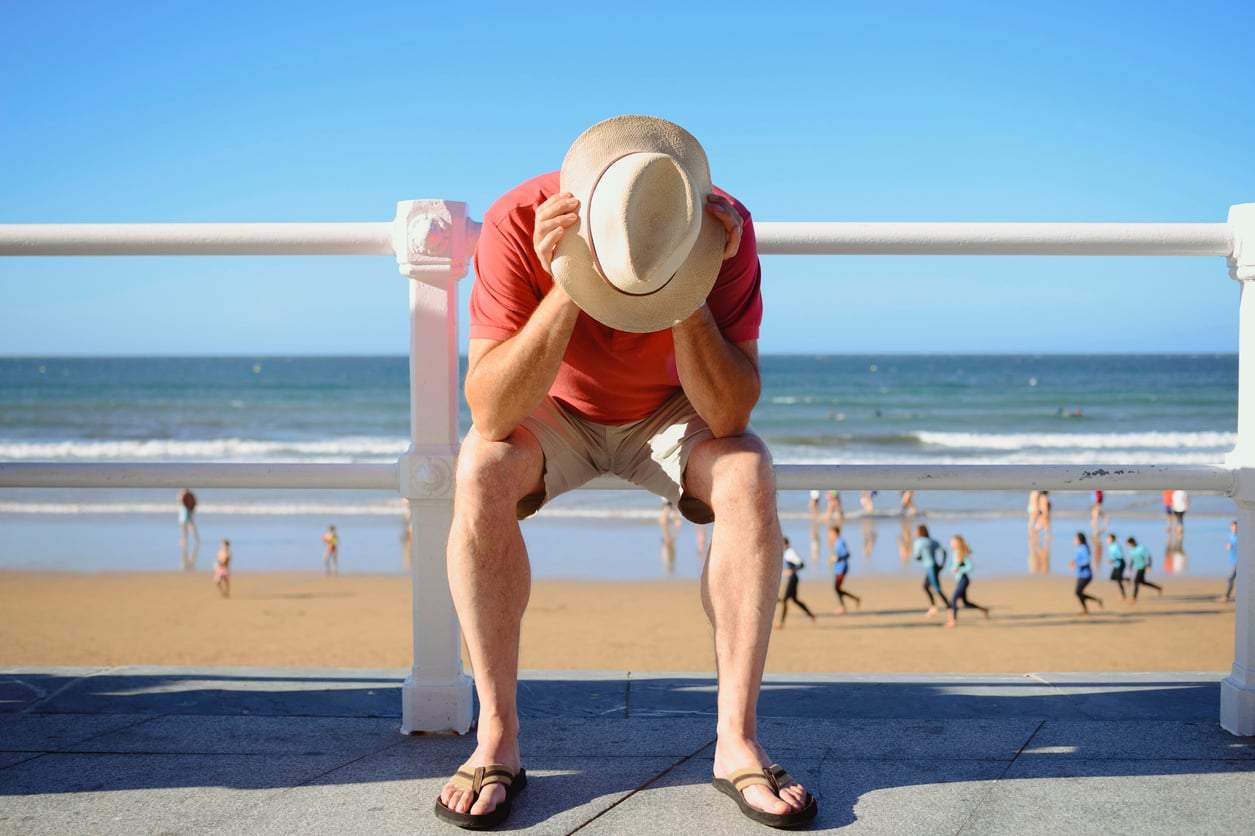
Everyone has the same shortlist of cities and the same instinct to visit them in June, when the queues wrap around the block and the terrace you read about has a forty-minute wait. Go in late November instead and the same place rearranges itself. The famous room in the gallery has three people in it. The restaurant that doesn't take bookings in summer will happily take yours. The city stops performing and simply gets on with its week, and you get to stand inside that.
Build the day around light, not around a list
The single biggest adjustment to off-season travel is daylight. In much of Europe at this time of year you have usable light from mid-morning until mid-afternoon, and planning as though you have twelve hours is how people end up disappointed. Put anything outdoors — the park, the viewpoint, the walk along the river, the market — into that bright window. Save the museums, the covered arcades, the churches and the long lunches for the dark hours, when being indoors feels like good sense rather than a compromise.
This also means doing less and enjoying it more. Two anchors a day is plenty: one before lunch, one after. The gap between them is where off-season travel actually lives — a slow coffee, an aimless street, a shop you would have walked past in a crowd. A trip with four scheduled items a day is a logistics exercise. A trip with two is a holiday.