Every few years a very old, very long story comes back into fashion — a new adaptation arrives, everyone starts talking about it, and a certain number of us quietly order the book with the best intentions. Then it sits by the bed radiating faint reproach. The problem is almost never the book and almost never your attention span. It's that finishing something long requires a structure, and most of us approach it with nothing but goodwill and a bookmark.
Choose the edition that suits your actual life
With a classic, the version you pick matters more than people admit. Translations vary enormously in tone: some are stately and formal, others are brisk and conversational, and the same work can feel like homework in one and like a thriller in another. Read the first page of two or three options before committing. If you find yourself re-reading the same sentence to decode it, that's not a character flaw, it's a mismatch.
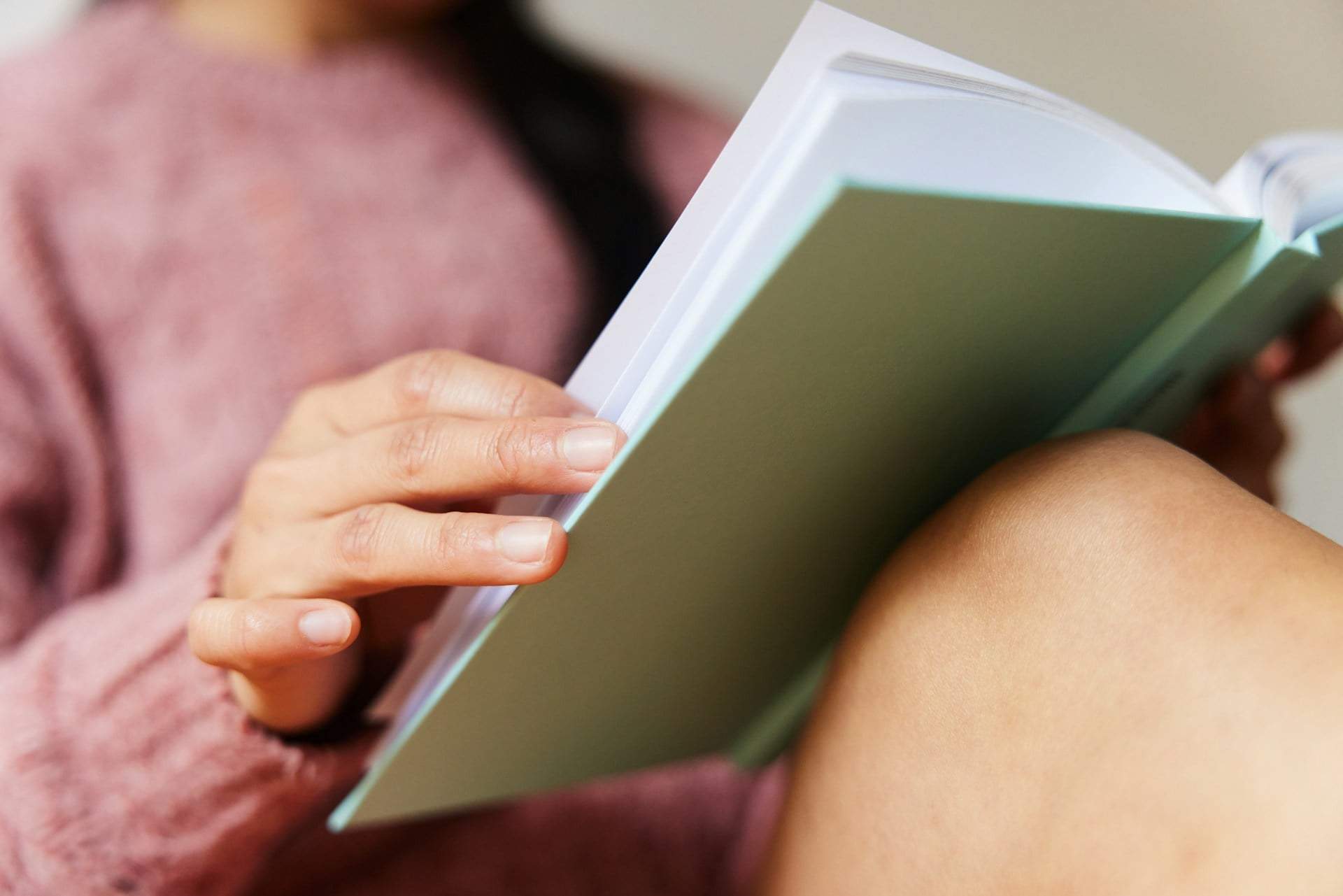
Physical format counts too. A heavy hardback is a lovely object and a terrible commuting companion. If most of your reading happens standing on a train or lying down half asleep, a paperback or a lit screen will get further than something you need two hands and a cushion to hold. And a good introduction or a short companion guide, read first, often makes the opening hundred pages far less bewildering — there's no prize for arriving unprepared.