Two nights away sounds like nothing. You leave on a Friday, you are home by Sunday evening, and half the time you spend the following week telling people it barely counted. But some short trips stretch: you come back with the feeling of having been properly elsewhere, of having lost track of the day for at least a few hours. Others evaporate the moment you drop your bag in the hall. Having done both versions more times than I care to admit, I'm convinced the difference has almost nothing to do with the destination and everything to do with how you shape the time once you're there.
Choose one neighbourhood and refuse to leave it
The fastest way to make a short trip feel short is to spread it across an entire city. You spend the weekend on public transport, arriving everywhere slightly late and slightly warm, ticking off sights that never accumulate into a feeling. The alternative is to pick one district — ideally a residential one with a market, a decent bakery and a park — and treat it as your temporary village. Stay there, eat there, buy your coffee from the same place two mornings running until the person behind the counter half recognises you.
This is the trick that makes forty-eight hours behave like a week. Familiarity, not novelty, is what creates the sensation of having lived somewhere. You can still take one trip out for the famous thing, if the famous thing genuinely interests you. Just make it a single excursion, not the structure of the whole weekend. Everything else happens within walking distance of where you sleep.
The arrival hour decides the tone
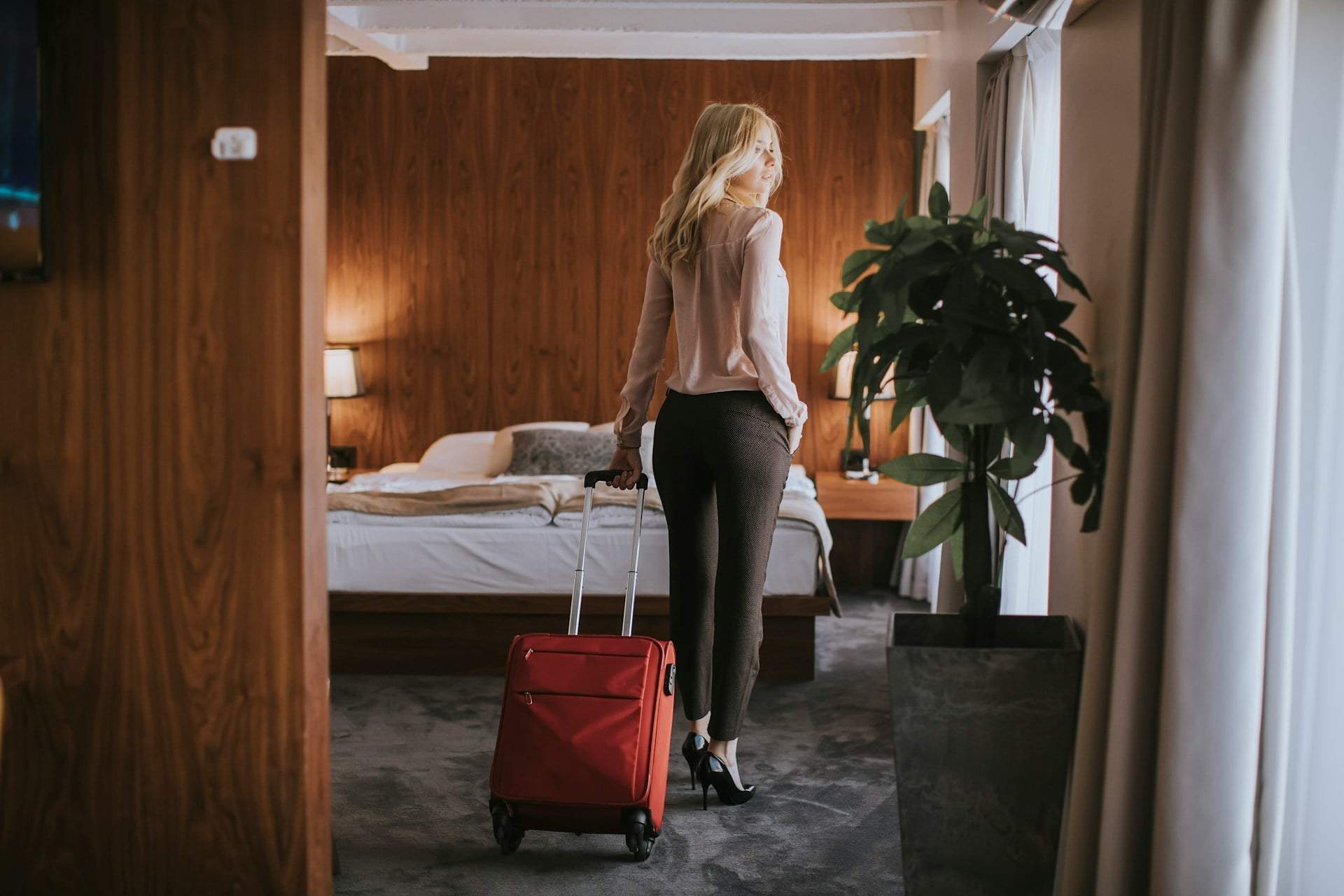
Most people waste the first two hours after landing or stepping off a train: they check in, scroll for somewhere to eat, get overwhelmed by options and end up somewhere forgettable near a station. Try treating that first hour as the most important part of the trip. Drop the bag, wash your face, change your shoes, and go straight out for a walk with no destination — thirty to forty minutes, phone in pocket, just to learn where things are in relation to each other.
You'll pass a restaurant you want to try, a bar with the right kind of light, a bridge or a square that becomes your landmark. By the time you sit down for the first meal you're already oriented, and orientation is what makes a place feel like yours. On the way back, buy breakfast for the morning: fruit, something baked, whatever the local equivalent of a good yoghurt is. It means you can wake up slowly instead of hunting for food in a strange grid of streets.
Book one thing, leave the rest empty
Short trips collapse under itineraries. My rule is one anchor per day and nothing else in the diary. The anchor might be a table you've reserved, a market that only runs on Saturday morning, a museum with a small collection you actually want to see, or a thermal bath if the city has one. Everything either side of it stays unplanned, which is the only way you'll ever end up in a second-hand bookshop for an hour or sitting in a park watching people walk dogs.
The other planning worth doing is logistical rather than cultural: know how you're getting from the airport or station into town, know whether you need cash, and check what closes early on Sundays. Those three answers prevent almost every short-trip stress. Everything else can be decided on the day, in the moment, over a coffee.
How do I make a two-night trip feel like a proper holiday?
Give yourself one long, unhurried meal and one long, unhurried walk — both without a deadline afterwards. Holidays feel like holidays when time stops being divided into slots, and a single stretch of three or four unstructured hours does more for that feeling than four crammed activities. It also helps to arrive on the earliest sensible transport and leave on the latest, so you buy yourself two whole daylight chunks rather than two halves.
What should I pack for two nights so I only take one bag?
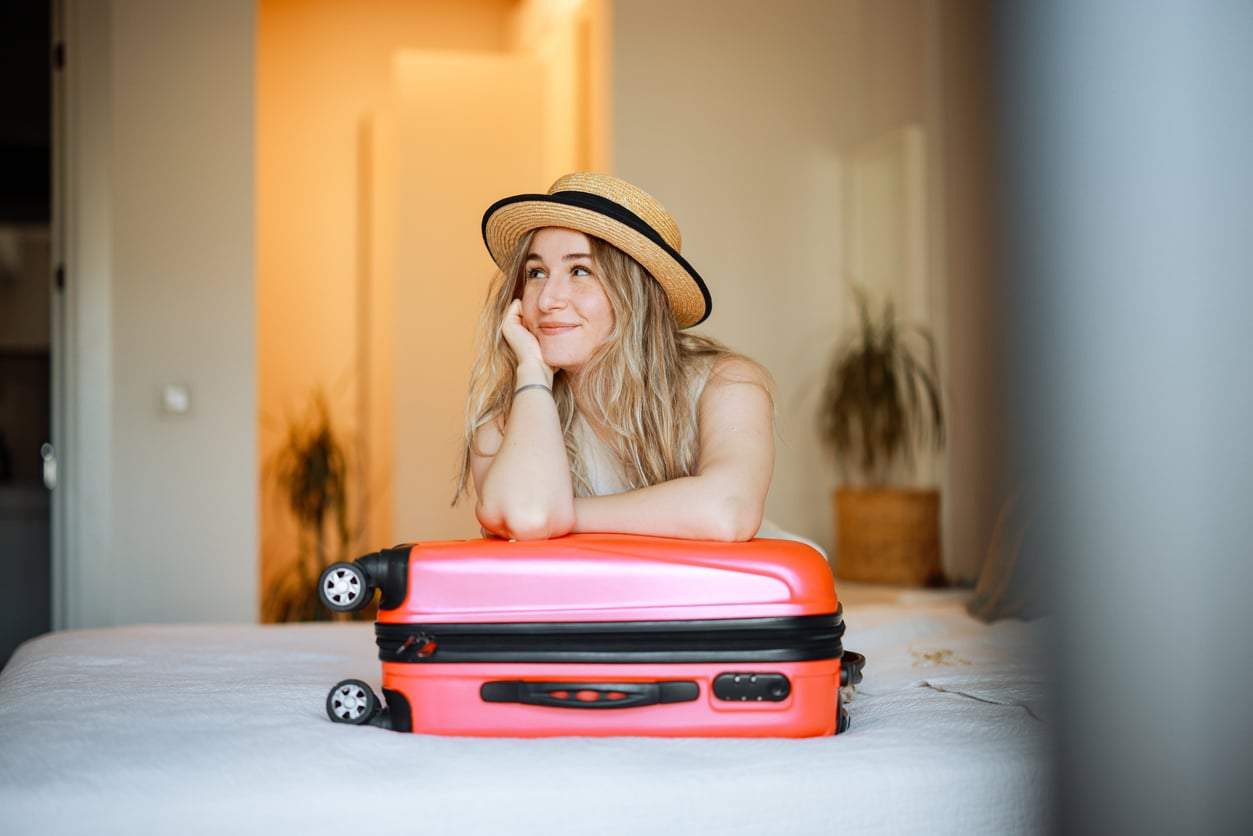
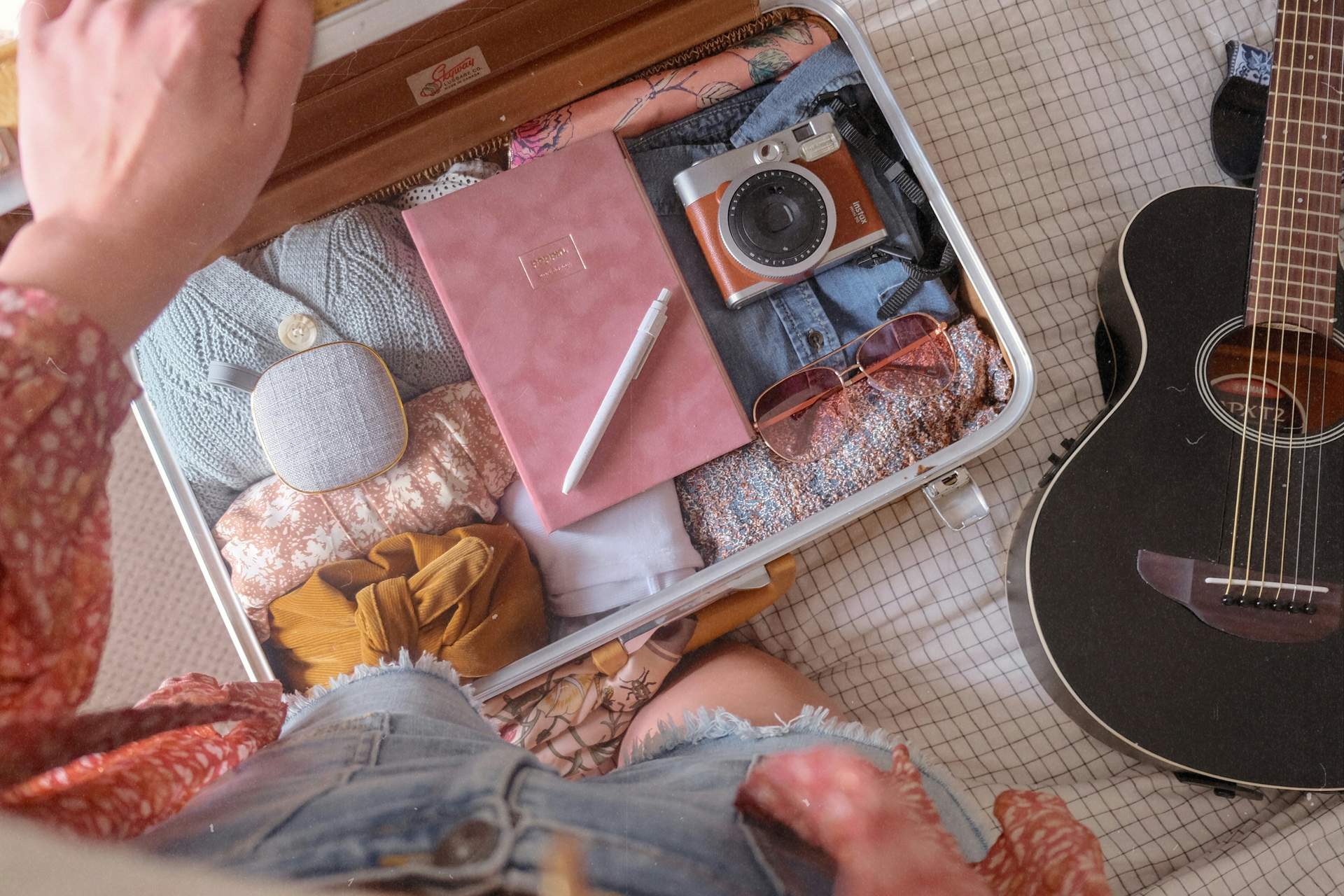
Build the whole trip around one pair of shoes you can walk ten kilometres in and still wear to dinner, then choose clothes in a single colour family so everything layers together. Two tops, one extra layer, one pair of trousers or a dress, plus something warm for evenings is genuinely enough for two nights, and decanting your toiletries into small bottles the night before saves you the airport queue. The point isn't minimalism for its own sake — it's that not checking a bag can add a comfortable hour to each end of a very short trip.