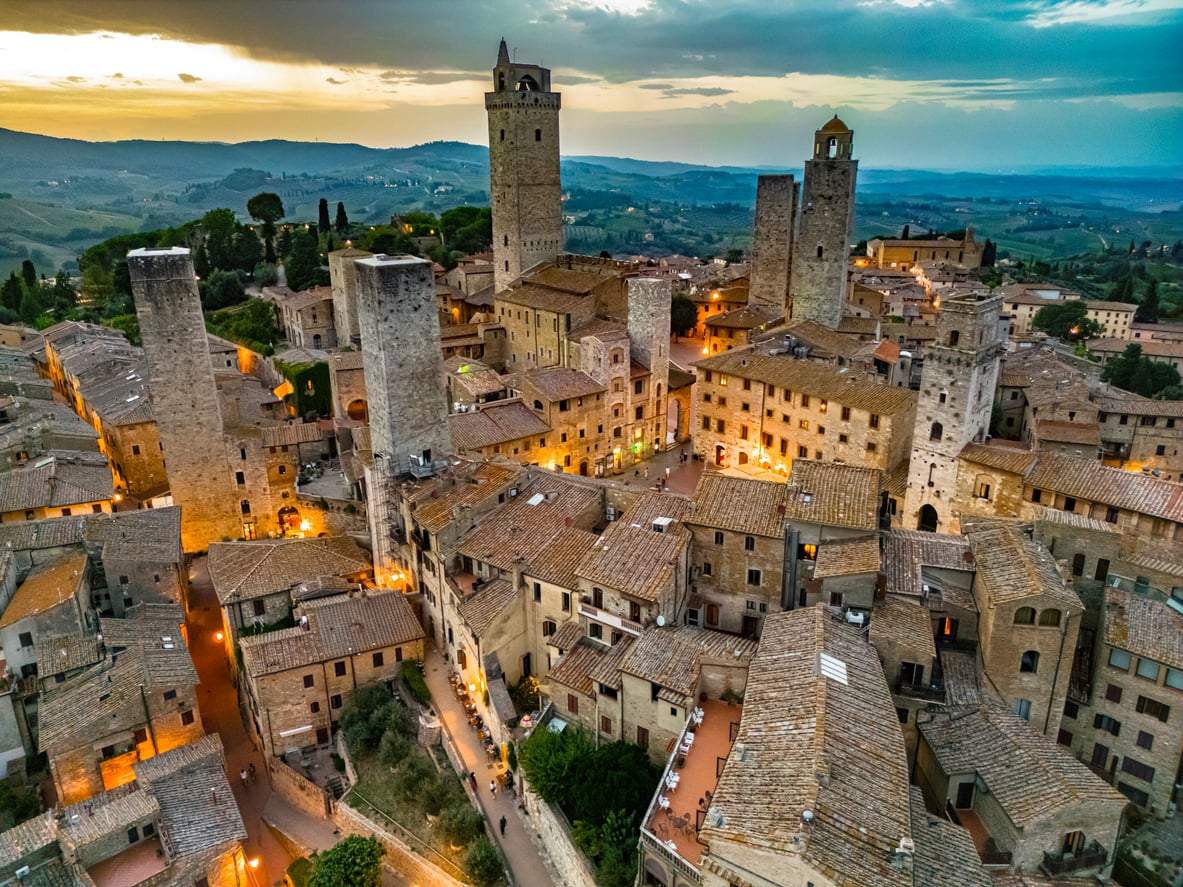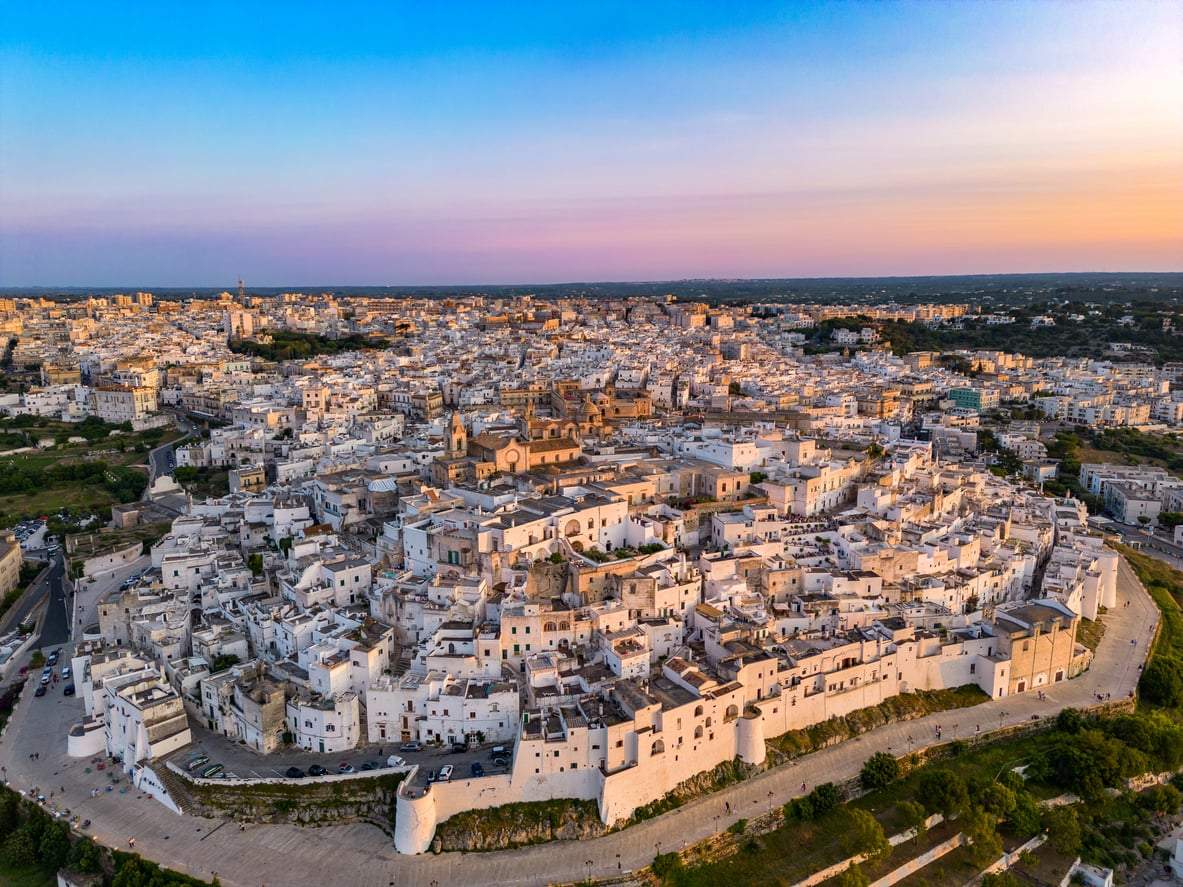
Imagine Tuscany's rolling green hills, medieval hilltop towns and unhurried afternoons — without the crowds, the queues or the eye-watering prices. That place exists, and most travelers walk right past it.
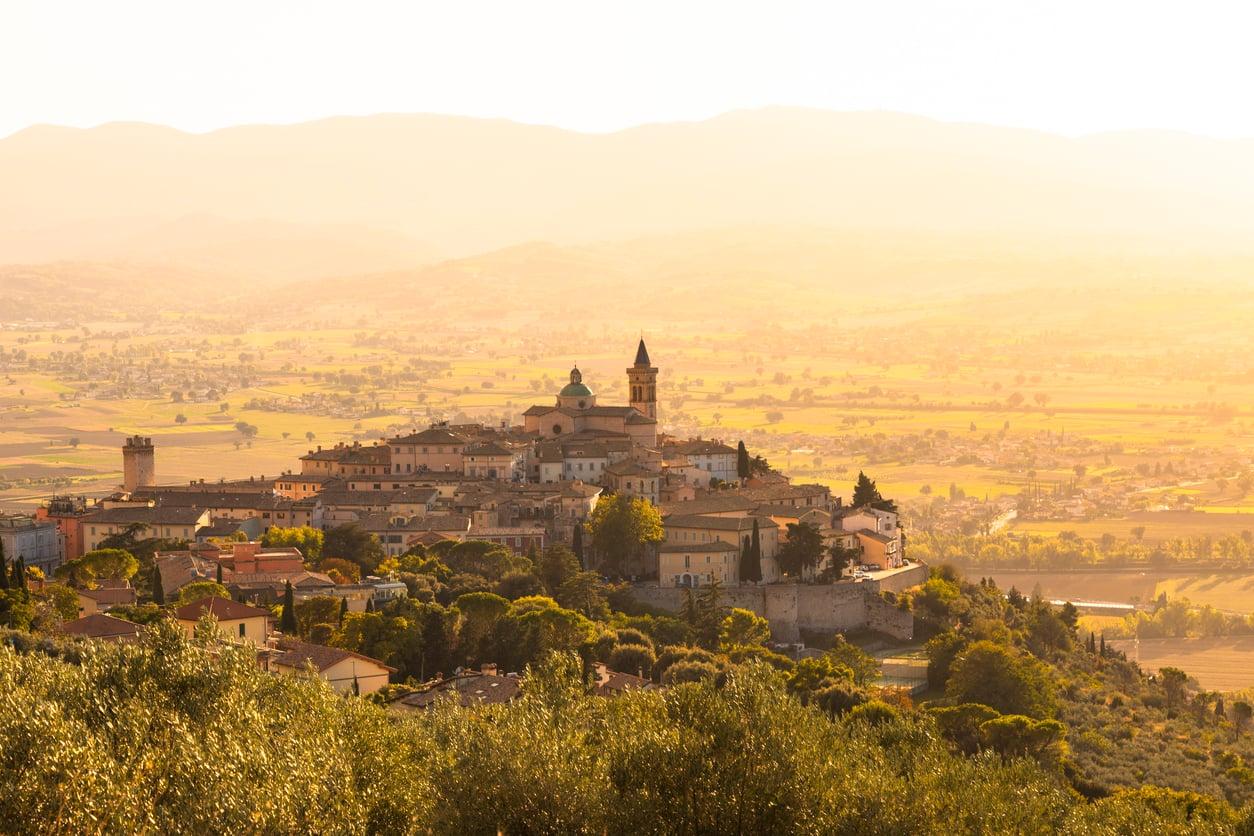
Tucked just below Tuscany, Umbria is shaped by the valleys of the Tiber River and endless waves of green countryside. It's also the birthplace of Saint Francis of Assisi, where the basilica and its breathtaking frescoes leave every visitor spellbound.
Umbria wins you over with its small, hidden villages
Wander through towns like Foligno, Spoleto and Perugia and you'll feel the true rhythm of Italian life. In the shadow of ancient castles, you rediscover the slow pleasures that make Italy so beloved — locals gathering on the piazza for an espresso, the same faces, the same easy conversations.
No one is in a hurry here. The afternoon siesta is sacred, and the flavors of the local cuisine beckon you toward a delicious, undiscovered adventure.
Umbria is the kind of place where you follow the sunset along the bend of a river and feel, for a moment, as if time has stopped completely.
Unlike Tuscany's busy, tourist-packed wine routes, Umbria's vineyards are quieter — but no less exceptional. The locals guard their traditions with real passion, and guests are welcomed warmly at every tasting.
Meals here are genuine celebrations. The truffles and the freshly made pecorino somehow taste even better in the embrace of these mountains.
Maybe that's why anyone who visits Umbria once always longs to return. Its magic isn't just that it's off the beaten path — it's that the region has authentically preserved its traditional roots and natural beauty.
A region rich in natural treasures
Umbria's landscapes are every bit as stunning as its historic towns. Along the shores of Lake Trasimeno, you'll find calm beaches, tiny harbors and charming fishing villages, while the trails of the Monti Sibillini National Park open up wild, dramatic mountain scenery.
Driving between cypress-lined switchbacks, olive groves and sunflower fields, a postcard-perfect view seems to appear around almost every bend.
Why Umbria should be your next trip
Umbria doesn't shout for your attention — it quietly slips into your heart. Here, it's not about ticking off must-see sights. It's about the small moments: a glass of local wine at sunset, the hush of a medieval alley, dinner at a family-run trattoria — the kind of things that stay with you long after you've gone home.
That's exactly why, for so many travelers, Umbria remains one of Italy's best-kept secrets — a place that offers culture, natural beauty and the real Italian way of life all at once.
Is Umbria really cheaper than Tuscany?
Yes. Umbria draws far fewer tourists than its famous neighbor, which is a big part of what makes it a more affordable and relaxed destination.
What are the must-visit towns in Umbria?
Assisi, Foligno, Spoleto and Perugia are all worth exploring, each offering that unmistakable slow, authentic Italian atmosphere.
What is there to do in Umbria besides sightseeing?
You can relax along Lake Trasimeno with its beaches and fishing villages, hike the trails of the Monti Sibillini National Park, or enjoy wine tastings and local specialties like truffles and pecorino.
When is the best way to experience Umbria?
The region is best enjoyed slowly — savoring small moments like a sunset glass of wine, a quiet medieval alley or a meal at a family trattoria, rather than rushing through a checklist of sights.