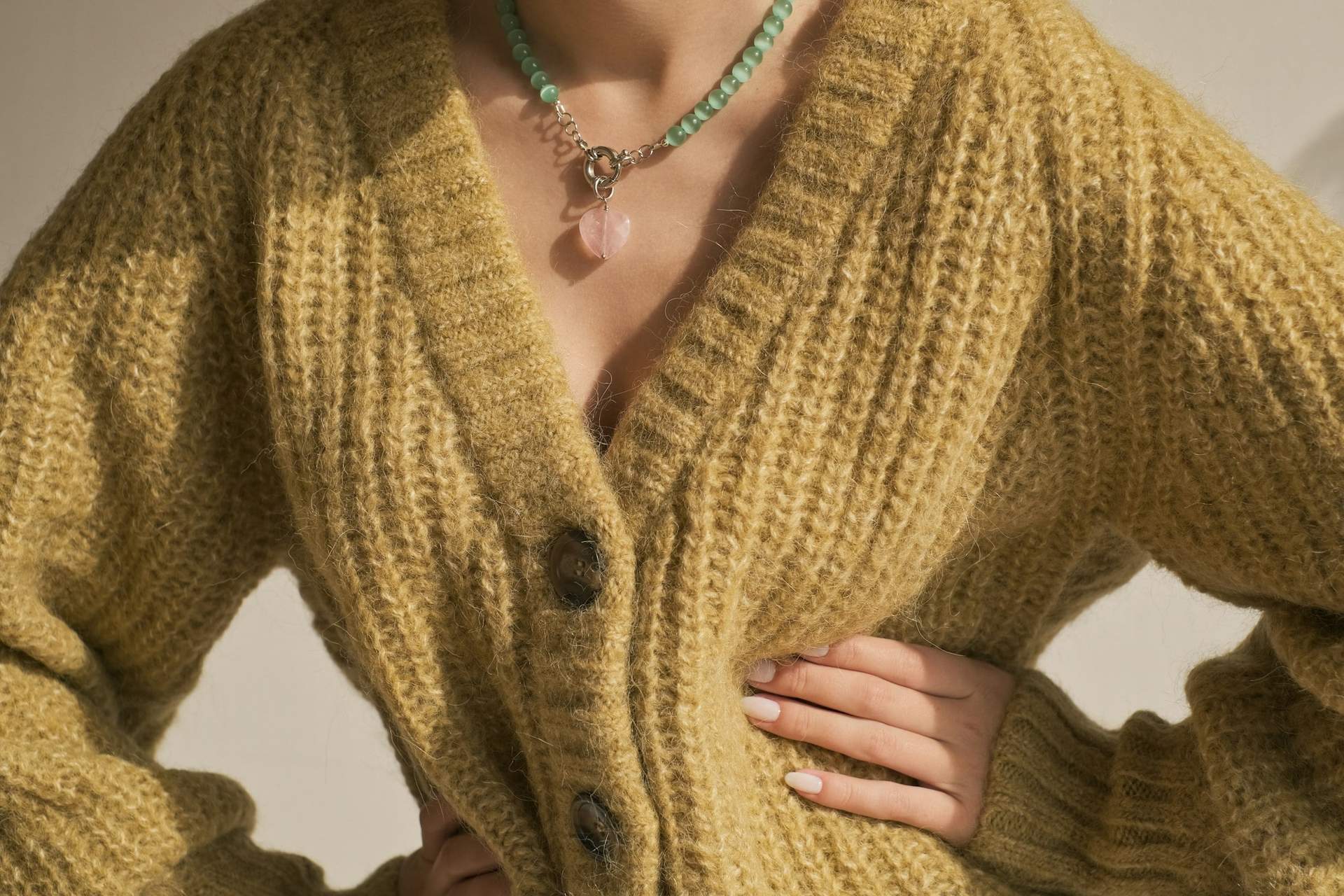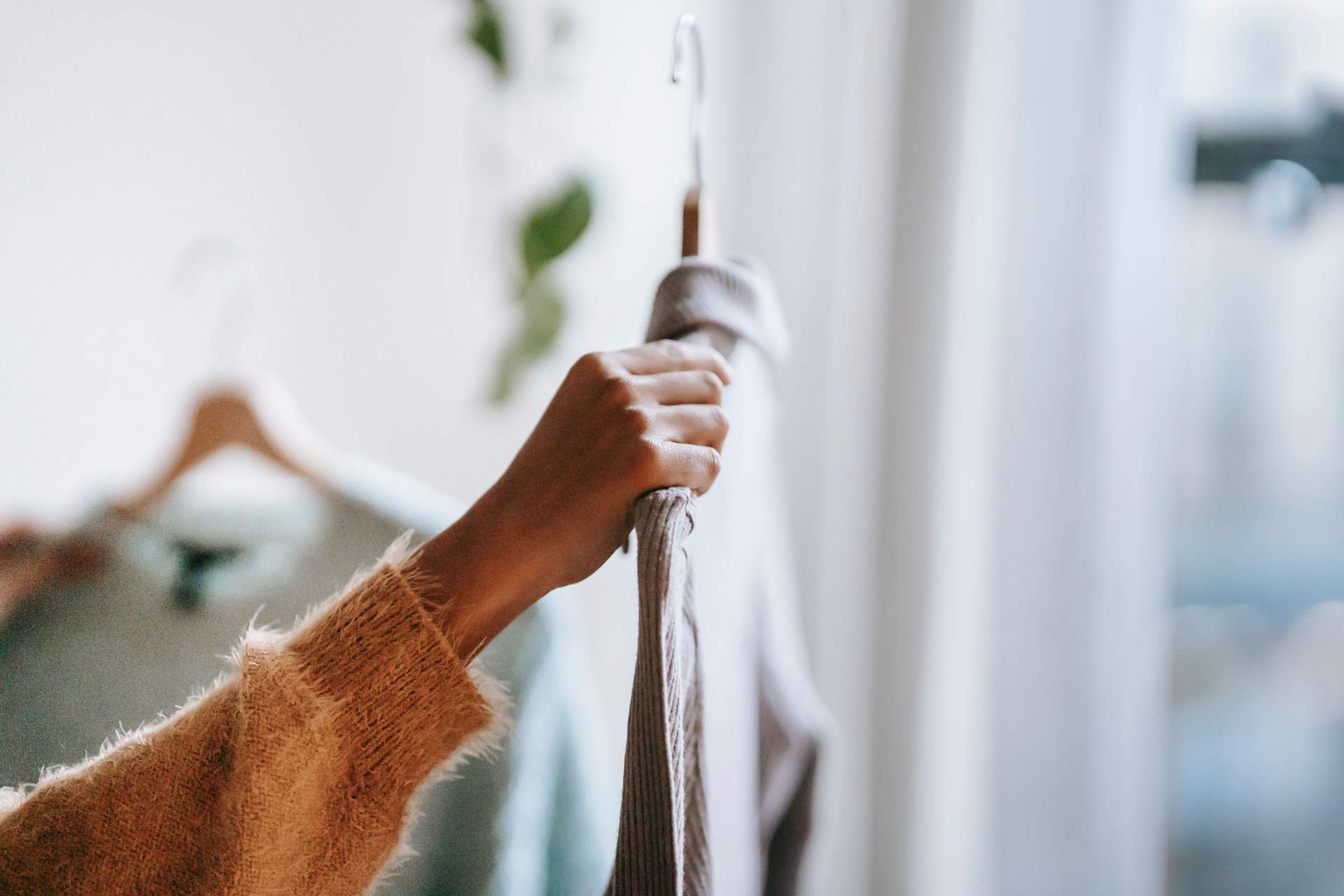
Knitwear season arrives with a particular kind of optimism. You buy the camel jumper, you wear it three times in a row, it looks wonderful — and then by February it has bobbled at the underarms, gone slightly baggy around the cuffs and developed that limp, exhausted look that no amount of folding fixes. The disappointment is worse with cashmere because you paid more for it, and because it was supposed to be the grown-up choice.
Price, unfortunately, is not the reliable signal we'd like it to be. Expensive cashmere can be poorly made and high-street cashmere can be excellent. What separates a jumper that lasts a decade from one that lasts a season is fibre quality, knit density and, honestly, how you wash it. All three are things you can assess yourself, standing in a shop, without any specialist knowledge.
The three checks to do before you buy
First, hold the knit up to the light. If you can easily see through the body of the fabric, it's loosely knitted and will stretch and pill quickly. Dense, tight knitting is the single best predictor of longevity, and it's why a two-ply jumper usually outlives a whisper-thin one, even at a similar price.
Second, rub a small section briskly between your palms for a few seconds. A little surface fuzz is normal; if a tiny pill forms almost immediately, the fibres are short and that jumper will bobble everywhere it rubs. Third, stretch the cuff or hem gently and let go. Good knitwear springs back. If it stays distended, the cuffs will be gaping by December.
Beyond that, look at the seams — flat, neat, without puckering — and check the composition label. Blends aren't automatically inferior; a little wool or silk can add structure and durability. Just know what you're buying, and treat a heavy blend as a different garment with different care needs.
Washing: gentler than you fear, and better than dry cleaning
Cashmere doesn't need washing after every wear. Two or three wears is plenty for most people, and airing a jumper overnight on a drying rack does most of the work in between. When it does need washing, hand washing is genuinely easy: lukewarm water, never hot, a small amount of a detergent made for wool or a mild baby shampoo, and no rubbing or wringing. Submerge, squeeze gently a few times, leave for ten minutes, rinse in water of the same temperature. Sudden temperature changes are what cause felting.
Press the water out against the side of the basin, then roll the jumper in a towel and press again. Dry flat, reshaped by hand, away from radiators and direct sun. Never hang it wet — the weight of the water will lengthen the arms permanently. If you have a machine with a true wool or hand-wash cycle, low spin, that is a reasonable alternative, ideally with the jumper inside a mesh bag.
Bobbling, storing and the annual revival
Pilling is not a defect so much as a stage. Even excellent cashmere bobbles where it rubs: underarms, sides, where a bag strap sits. Deal with it with a cashmere comb or a fabric shaver, working on a flat surface in short strokes, always in one direction. Do it gently and occasionally rather than aggressively once a year.
Store knitwear folded, never on hangers, which stretch shoulders into little peaks. Wash or at least air everything before putting it away for the summer, because moths are drawn to traces of skin and food rather than to clean wool. Cedar blocks or lavender sachets in a closed box or drawer help; a sealed bag with anything even slightly damp inside does not.
Can you put cashmere in the washing machine?
Yes, if your machine has a genuine wool or delicates cycle with a cool temperature and a low spin, and you use a wool-specific detergent. Put the jumper inside a mesh laundry bag, wash it with similar lightweight items rather than jeans and towels, and dry it flat afterwards. If you're unsure of the cycle, hand washing takes about ten minutes and removes all the risk.
How do you get rid of bobbling without damaging the jumper?
Lay the garment flat on a table — never de-pill it while wearing it, as you'll catch the fabric — and use a cashmere comb or a battery fabric shaver with light, consistent strokes in a single direction. Work on small areas and stop when the surface looks even rather than chasing every last bobble. Razors and scissors are tempting and reliably produce a hole, so it's worth owning the proper tool.