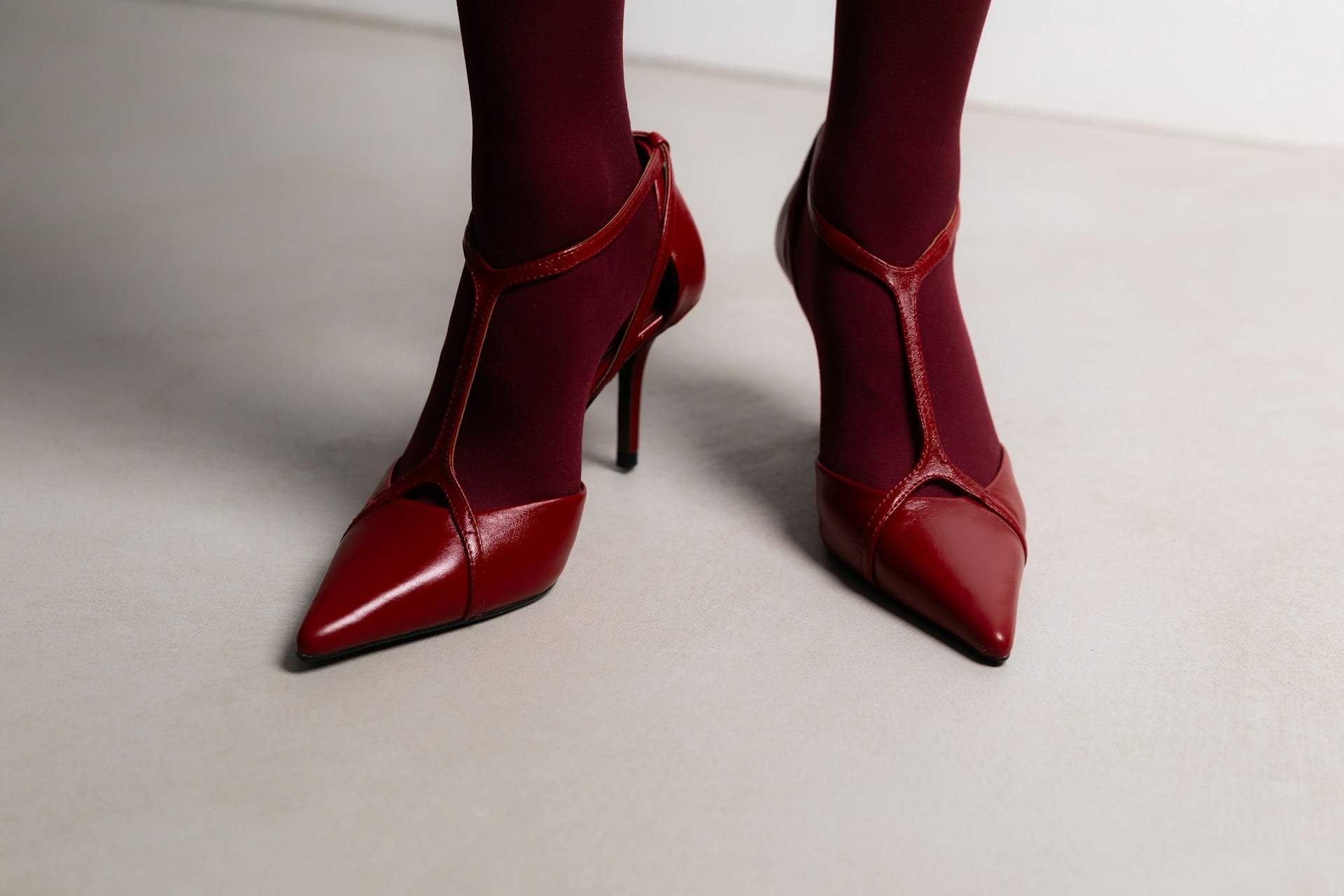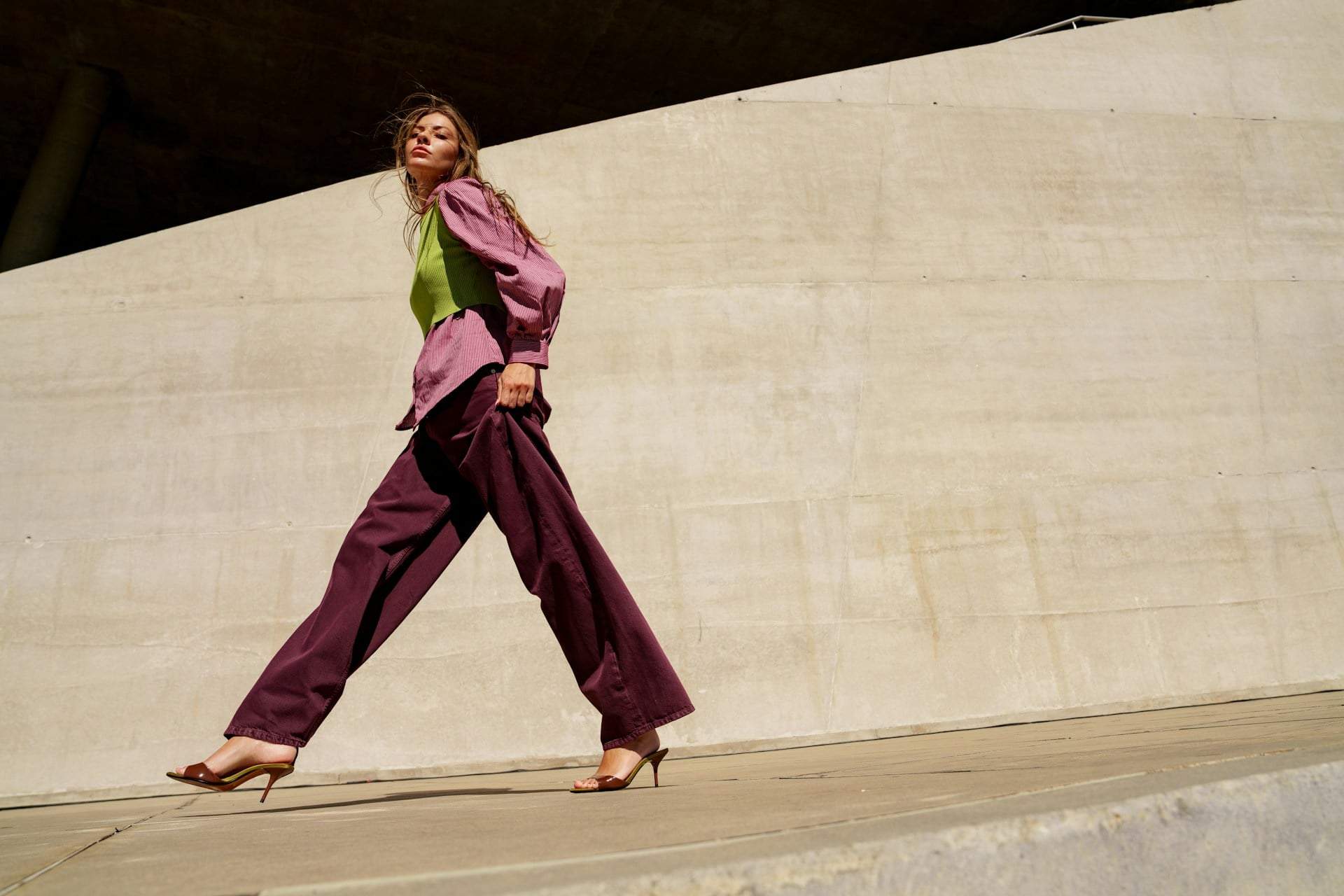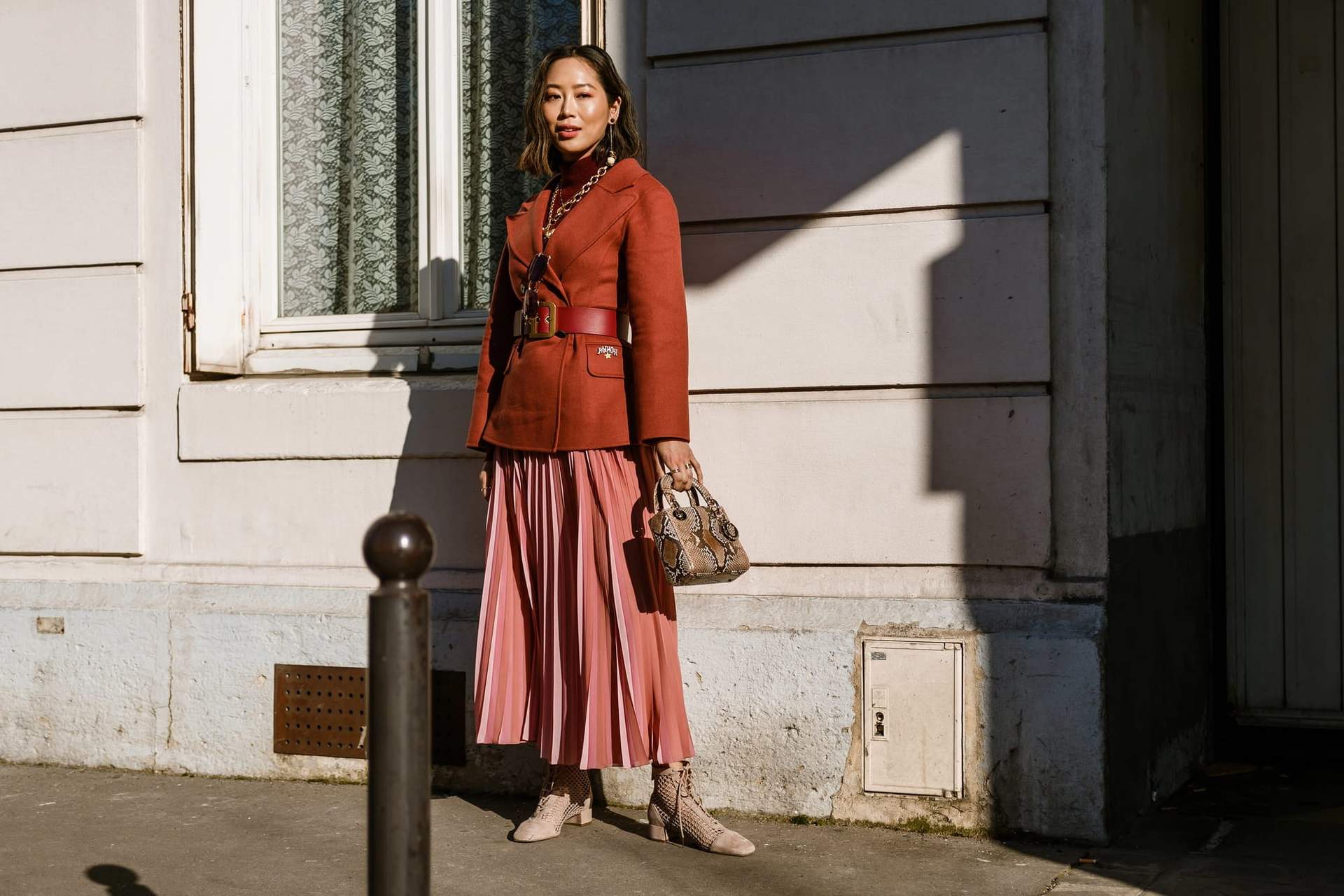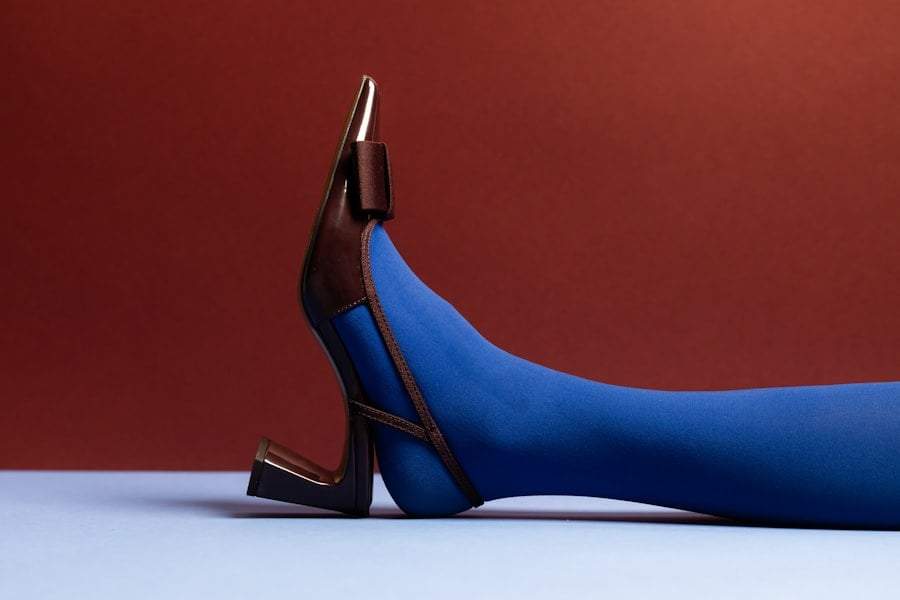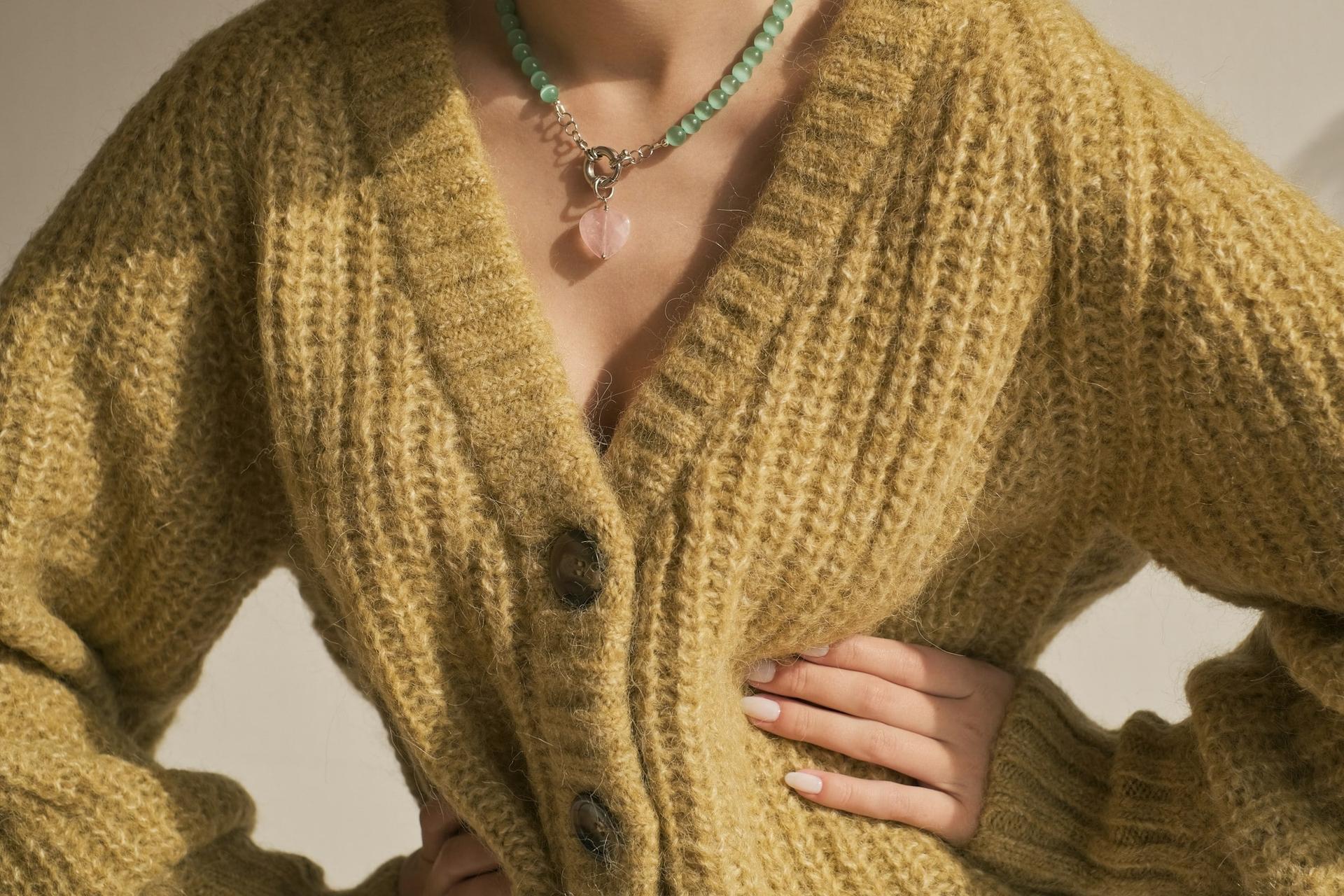
Walk into almost any shop this month and you will see the same shade repeated across the rails: a deep, edible brown, somewhere between espresso and dark chocolate. It is on leather trenches, on corduroy, on fine-knit polo necks and on denim, and it is being sold as an alternative to the black we all reach for by default in September. It is a genuinely good alternative — but only if you treat it as a colour in its own right rather than a substitute.
The reason brown is working so hard right now is that it softens everything around it. Black creates a hard line; it flatters by contrast and can look stark in daylight, especially under grey autumn skies. Deep brown holds the same weight and formality but reads warmer, and it makes skin and hair look less drained in overhead light. The risk is the opposite one: because brown sits closer to neutral, an all-brown outfit can go flat and a bit dusty if every piece has the same texture.
Pick your brown before you pick your piece
Brown is not one colour. There is the cool, almost grey-tinged brown that behaves like charcoal, the red-toned chestnut that sits next to burgundy, and the yellow-toned tan that belongs with camel and cream. Trouble starts when you own two of them and wear them together by accident.
A practical test in the shop: hold the garment next to something you already own in brown — a bag, a boot, a belt. If the two make each other look slightly muddy, they are from different families. Either commit to one family across an outfit, or separate them deliberately with a third colour so the eye reads it as a choice.
Texture is what stops brown going flat
This is the whole game. Chocolate brown in leather looks expensive. In suede it looks soft and slightly old-money. In corduroy it looks countryside. In a fine merino knit it looks quiet and modern. Put three of those together — a brown suede or leather outer layer, a brown knit, brown trousers — and the outfit has depth even though it is technically one colour.
Put three flat cottons together in the same shade and it goes lifeless. If your brown pieces are all smooth and matte, break the tonal look and give one layer a contrast instead: cream, oatmeal, or a crisp white shirt collar showing above the neckline.
The combinations worth trying this season
Brown and cream is the easy win: brown trousers, cream knit, brown boot, and you look finished in ten seconds. Brown and navy is the more grown-up pairing and the one people are nervous about — it works as long as the navy is genuinely dark and the brown genuinely deep, so the contrast reads as intentional rather than uncertain. Brown and burgundy is the season's richest combination, and a burgundy skirt or bag next to a brown jacket looks far more considered than it has any right to.
Brown with grey is underrated: a charcoal wool trouser with a chocolate leather jacket has an urban dryness that softer pairings lack. And brown with the cranberry and bright red shades showing up in shops is surprisingly wearable, because brown takes the edge off a loud colour without dulling it.
Does chocolate brown work with black?
Yes, and the old rule against it has been quietly retired — but the proportions matter. Use one of them as the clear main colour and the other as an accessory or a single layer: black trousers with a brown coat, or a brown dress with black boots and a black bag. What still looks accidental is a fifty-fifty split where the eye cannot tell which colour is the point, particularly if the brown has a strong red tone against a faded, washed-out black.
What if brown near my face washes me out?
Keep it below the shoulders. Brown trousers, a brown skirt, a brown coat worn open over a lighter top will give you the season's colour without draining your complexion. If you want brown up top, choose a neckline that shows skin or a contrast collar, and add a small amount of shine — earrings, a chain, a lip with warmth in it — to put light back where the fabric took it away. A red-toned brown tends to suit warmer complexions, a cooler grey-brown tends to suit cooler ones, but a mirror in daylight will tell you faster than any rule.