Nobody hands you a list on your 30th birthday telling you what to stop wearing. But something shifts. Your taste sharpens, your priorities change, and you start expecting more from your wardrobe. Conscious dressing isn't about expensive labels or rigid rules — it's about choosing pieces that actually work for you, not just fill a hanger. Here are seven items worth reconsidering as you step into your 30s and beyond.
1. Jeans that look great on the hanger but hurt to wear
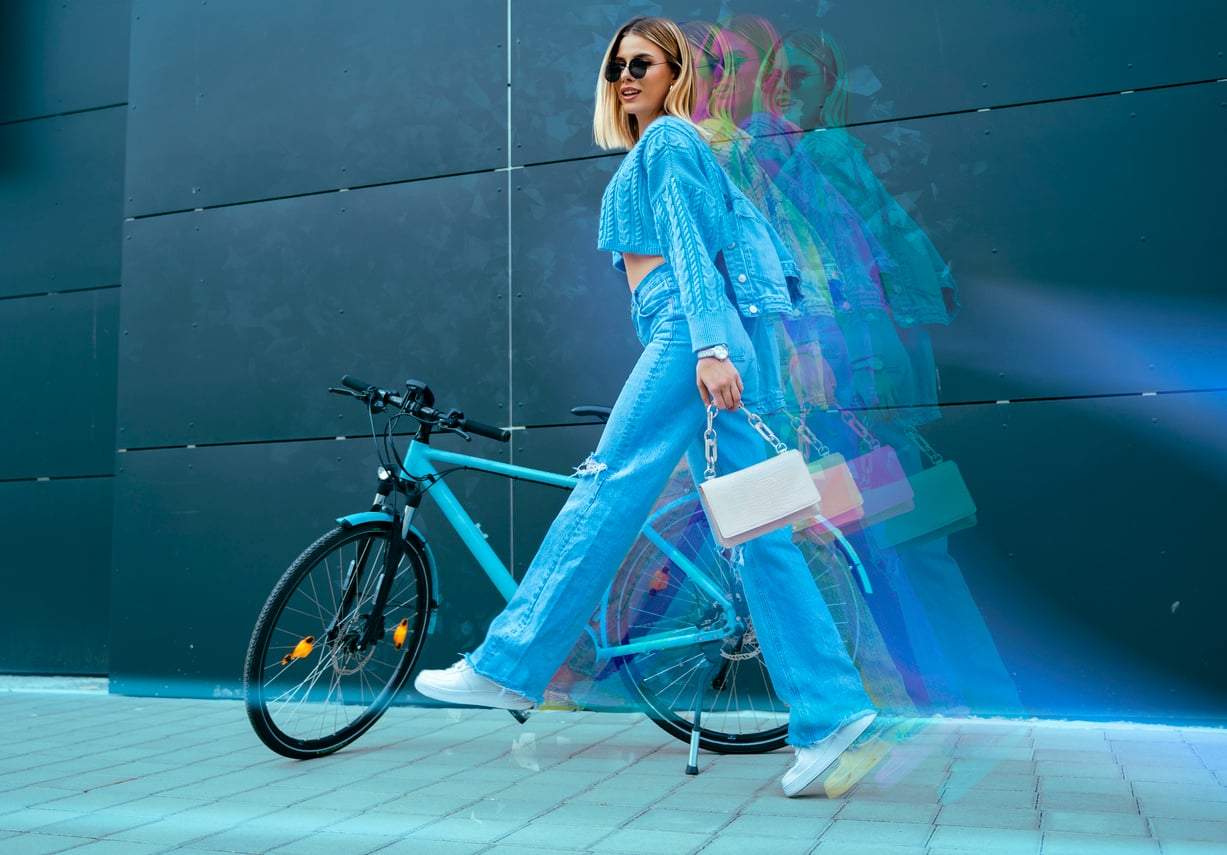
Super-skinny, low-rise jeans had a long run as a wardrobe staple. But any truly stylish woman knows that a great fit matters far more than a tiny size. If your jeans dig in at the waist, pull across the thighs, or need constant adjusting, they're working against you all day long.
High-waisted, straight-leg, or gently flared styles are easier to style, more flattering across body types, and effortlessly pair with a blazer, a button-down, or a simple tee. If you love a slim-cut jean, keep it — just make sure it's one you can actually breathe in. Comfort and style are not opposites.
2. Fast fashion pieces that lose their shape after two washes
Affordable clothing isn't the problem. The problem is pieces that pill, fade, or go shapeless after a few wears — and somehow still take up half your closet.
Quality and longevity matter more than how on-trend something is the moment you buy it.
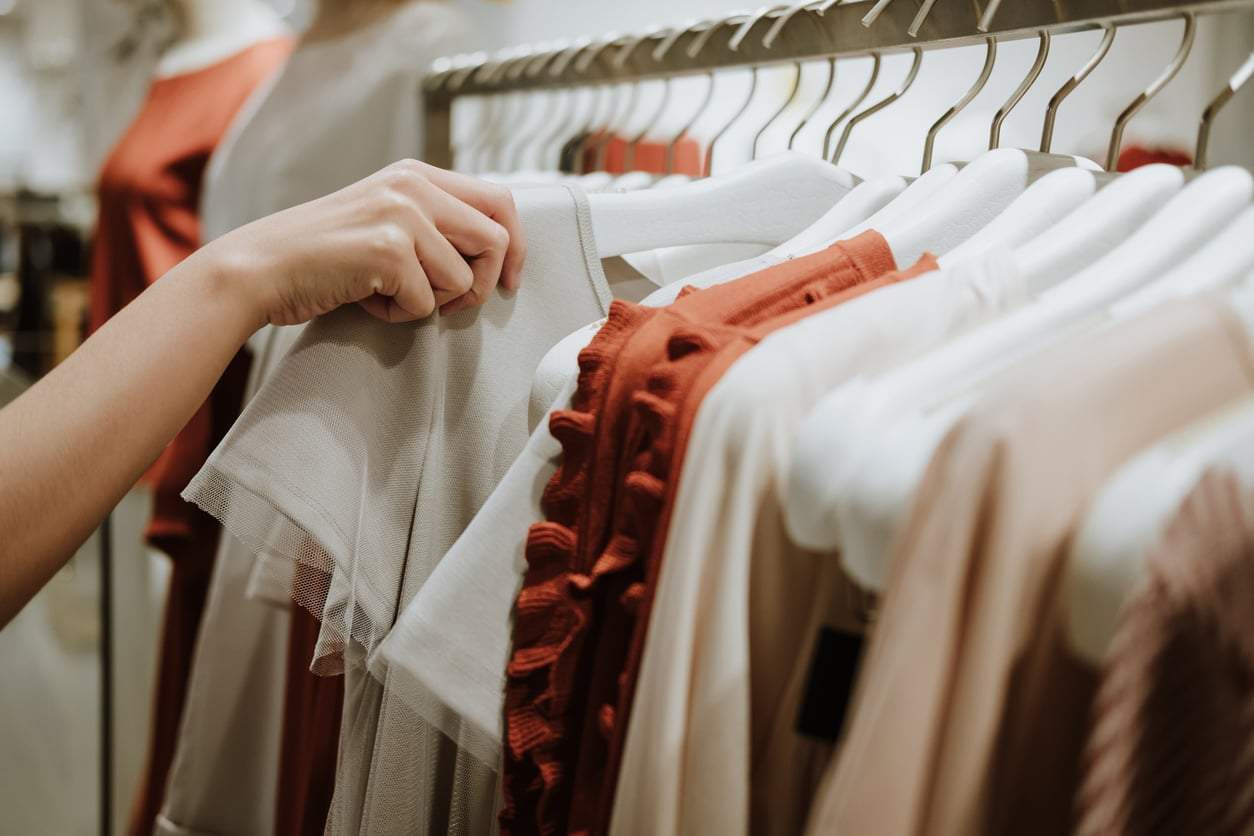
After 30, it's worth asking yourself before every purchase: will I still reach for this in two years? A well-cut blazer, a sturdy pair of trousers, or a soft, well-made basic top is a better long-term investment than five impulse buys you'll rarely wear. You don't need a full wardrobe overhaul — just a slightly more intentional approach next time you shop.
3. The mini skirt you feel self-conscious in
Mini skirts don't expire with age — there is no rule that says you have to cover up after 30. The real question is whether you feel comfortable and confident in what you're wearing, at whatever length that happens to be.
If you want a more polished look, a well-cut just-above-the-knee skirt or a midi length can be incredibly chic. Style it with sneakers and a knit sweater for everyday wear, or with ankle boots or heels for an evening out. Your age doesn't determine what looks good on you — your confidence does.
4. Worn-out, stretched-out tees that belong in the gym bag
A simple T-shirt can anchor almost any outfit — but only if it's in good shape. Faded fabric, a stretched neckline, and thinning cotton can undermine even the most carefully put-together look.
It's worth keeping a small selection of well-cut, neutral-toned basics in good condition. A white, black, or beige tee works with jeans and a blazer, but it can also look quietly elevated on its own with tailored trousers. The difference between looking polished and looking careless often isn't price — it's condition.
5. Head-to-toe logo pieces and over-branded accessories
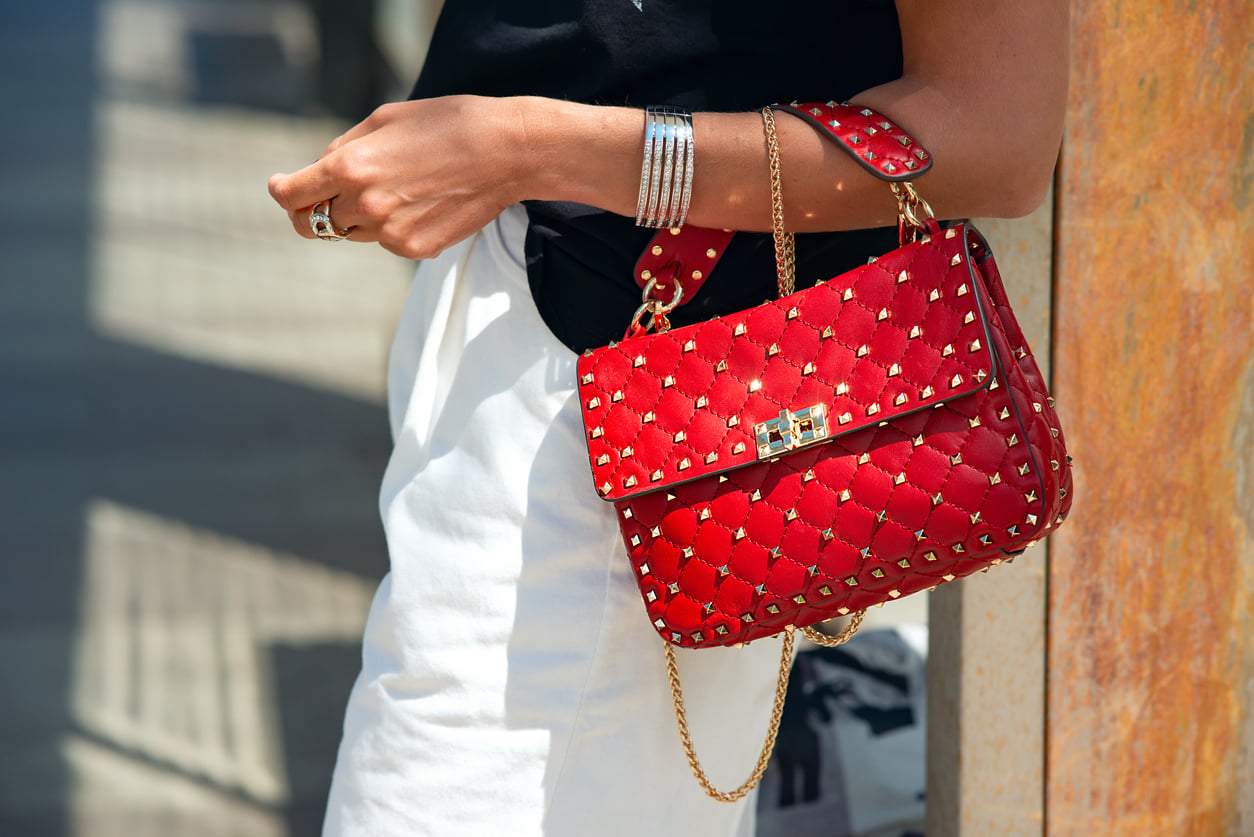
Oversized brand logos, bold monograms, and multiple logos in one outfit have a way of overpowering everything else. When you pull back on the branding, the cut, the fabric, and the details get to speak for themselves — and that's usually a much stronger statement.
This doesn't mean ditching every logo piece you own or spending a fortune on luxury basics. A standout bag or a bold belt can absolutely work — when the rest of the outfit lets it shine. The goal isn't to hide what you're wearing; it's to make sure your personal style does the talking, not your labels.
6. Heels you can't actually walk in
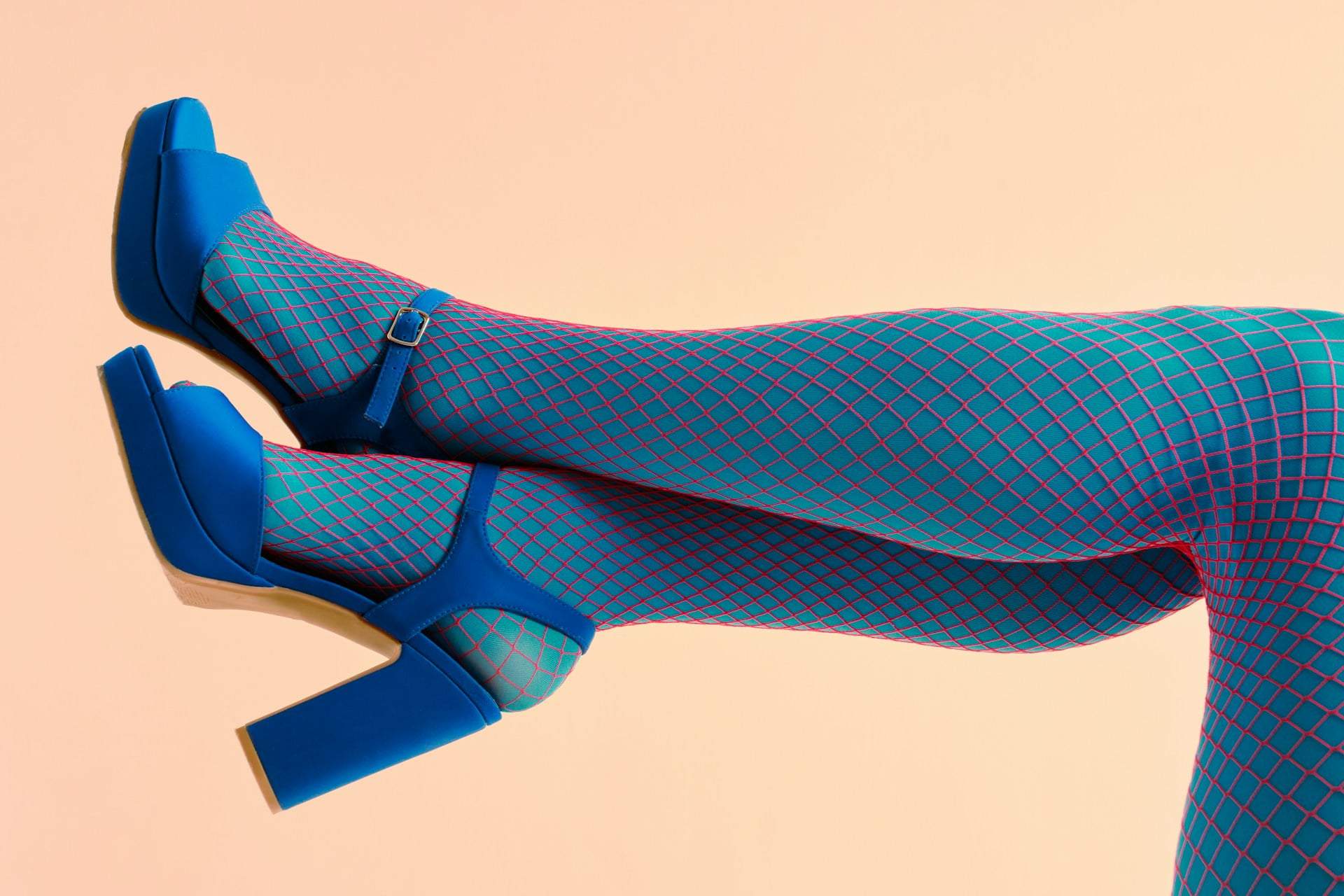
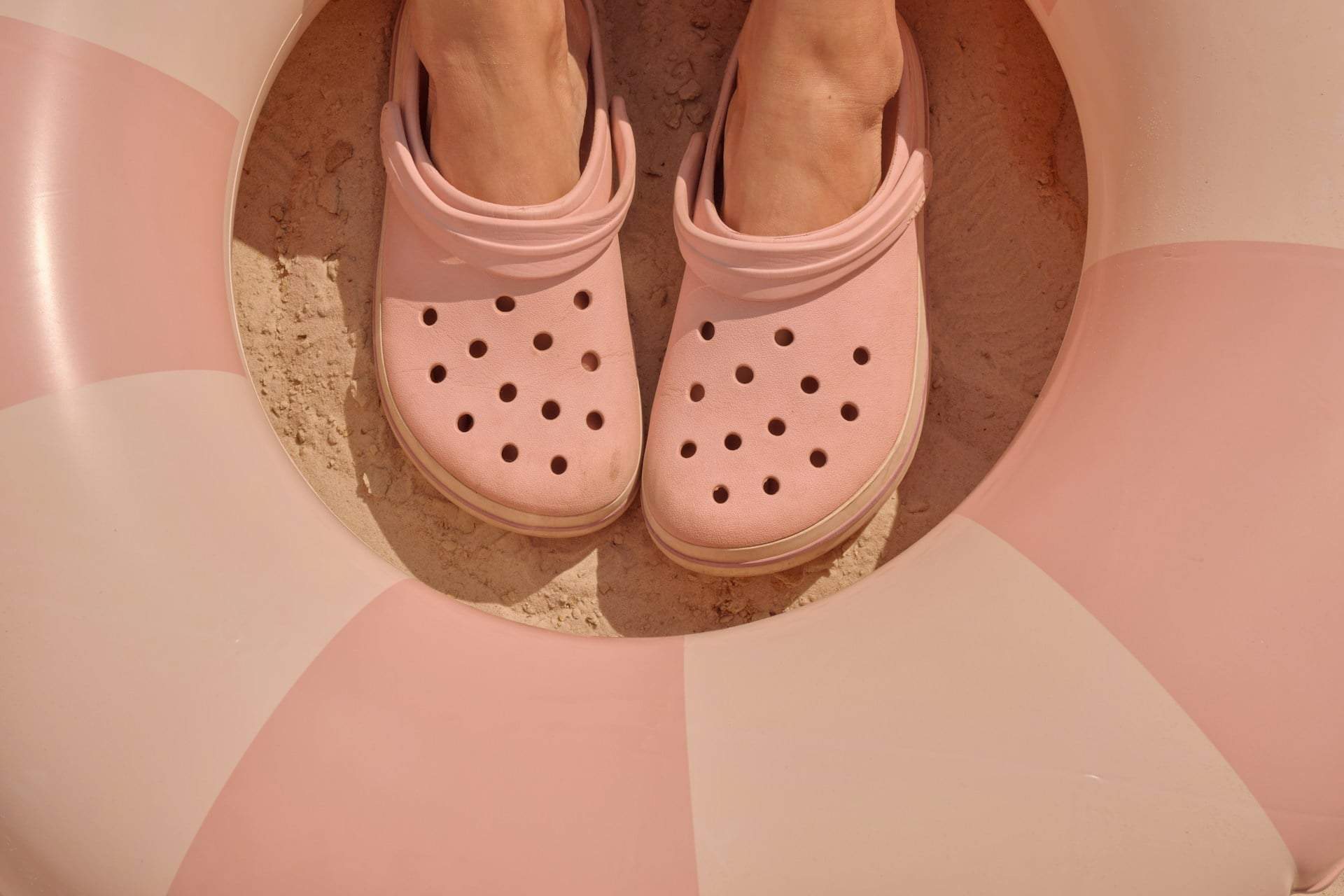
Stilettos can be stunning, but if every step is painful, you'll never carry them with real confidence. Comfort and elegance genuinely coexist — you just have to be willing to look a little further.
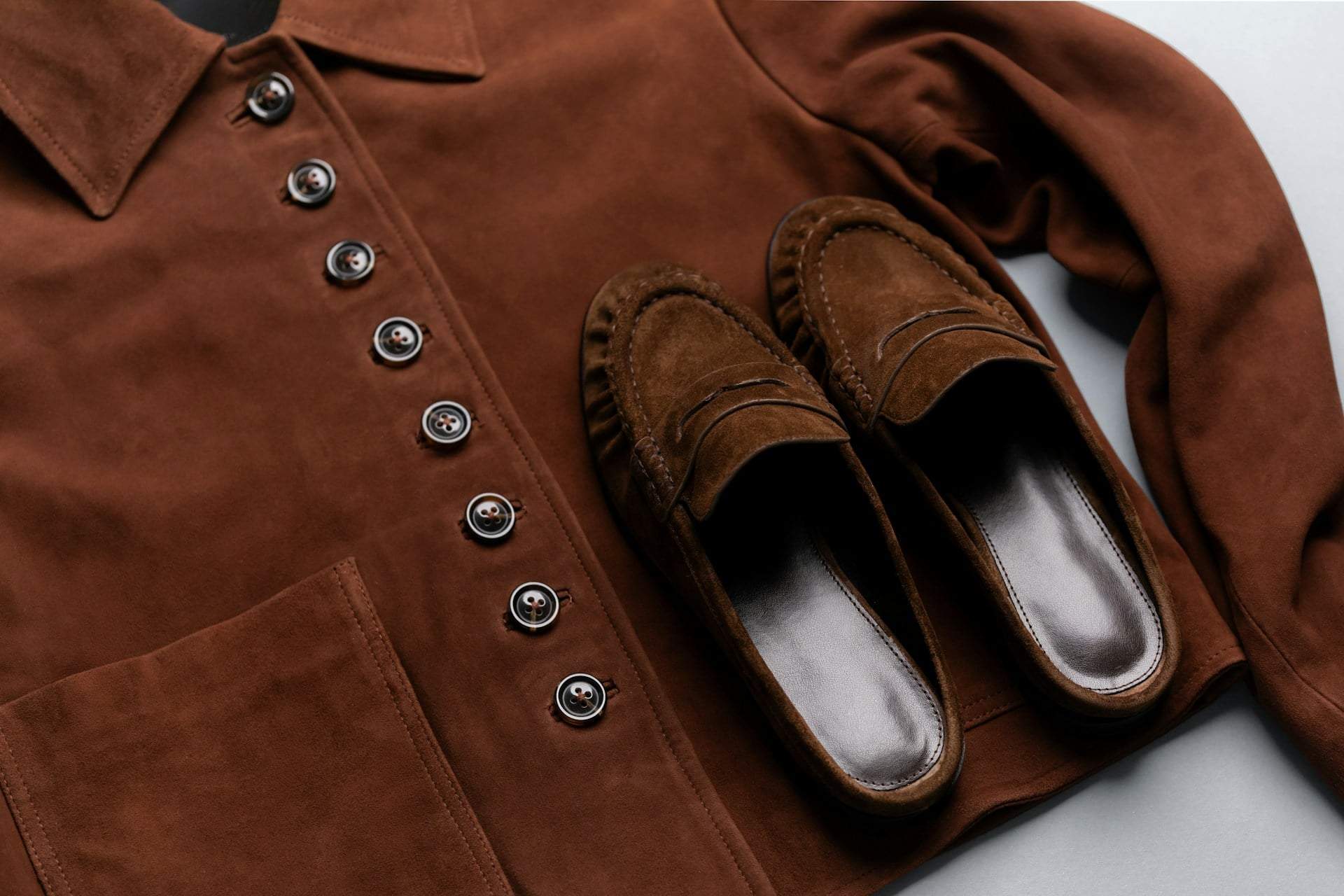
A low-heeled ankle boot, a refined loafer, or a sleek ballet flat can be just as polished as a sky-high heel. And if you love a statement stiletto, there's absolutely no reason to give it up after 30 — just save it for the occasions where you'll actually enjoy wearing it, not endure it.
7. Trend pieces so bold they go with nothing else you own
Every season throws up a few pieces that feel unmissable in the moment — extreme prints, heavy embellishment, unusual silhouettes. They're exciting, but if you can only wear something once because it clashes with everything else in your wardrobe, it'll live on the bottom of your pile rather than in regular rotation.
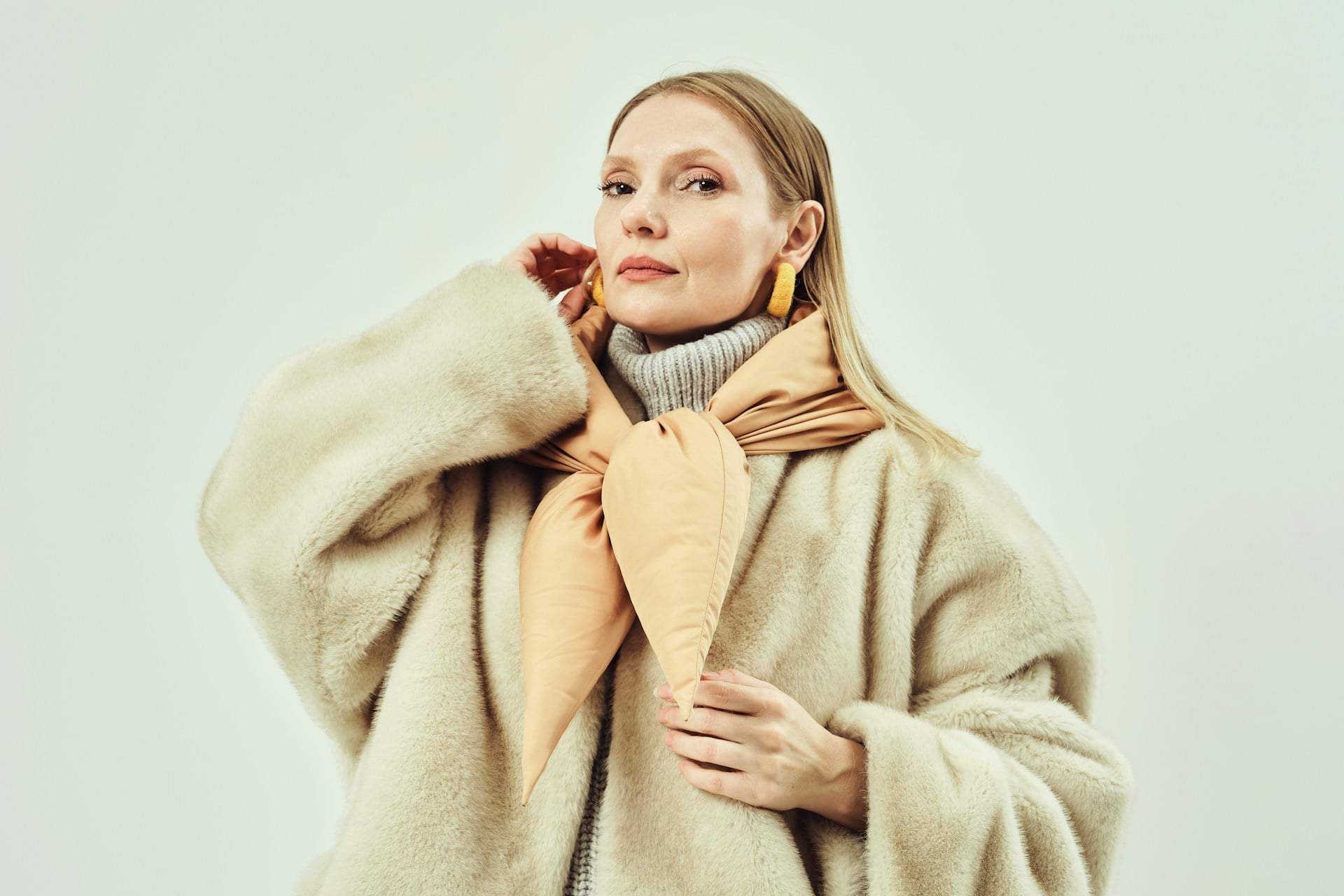
Versatile basics are the backbone of a wardrobe that actually works. But statement pieces absolutely have a place too — the trick is balance. A bold skirt with a simple top, a shimmery blouse with understated trousers, a striking coat with minimal accessories. One strong piece per outfit is usually all you need.
Dressing well after 30 isn't about removing things from your closet to follow some unwritten code. It's about knowing what genuinely suits you, what makes you feel confident, and what you'll actually reach for again and again. Dress for yourself — not for your age.
Does turning 30 mean you have to change your style?
Not at all. There are no rules about what you must or can't wear at any age. What often shifts after 30 is simply a clearer sense of what works for you personally — which naturally leads to more intentional choices.
Is it worth investing in more expensive basics after 30?
It can be, but price alone doesn't guarantee quality. The key is choosing well-made pieces with good construction and fabric that hold their shape over time — whether that comes from a high-end brand or an affordable one.
How do you build a wardrobe that actually gets used?
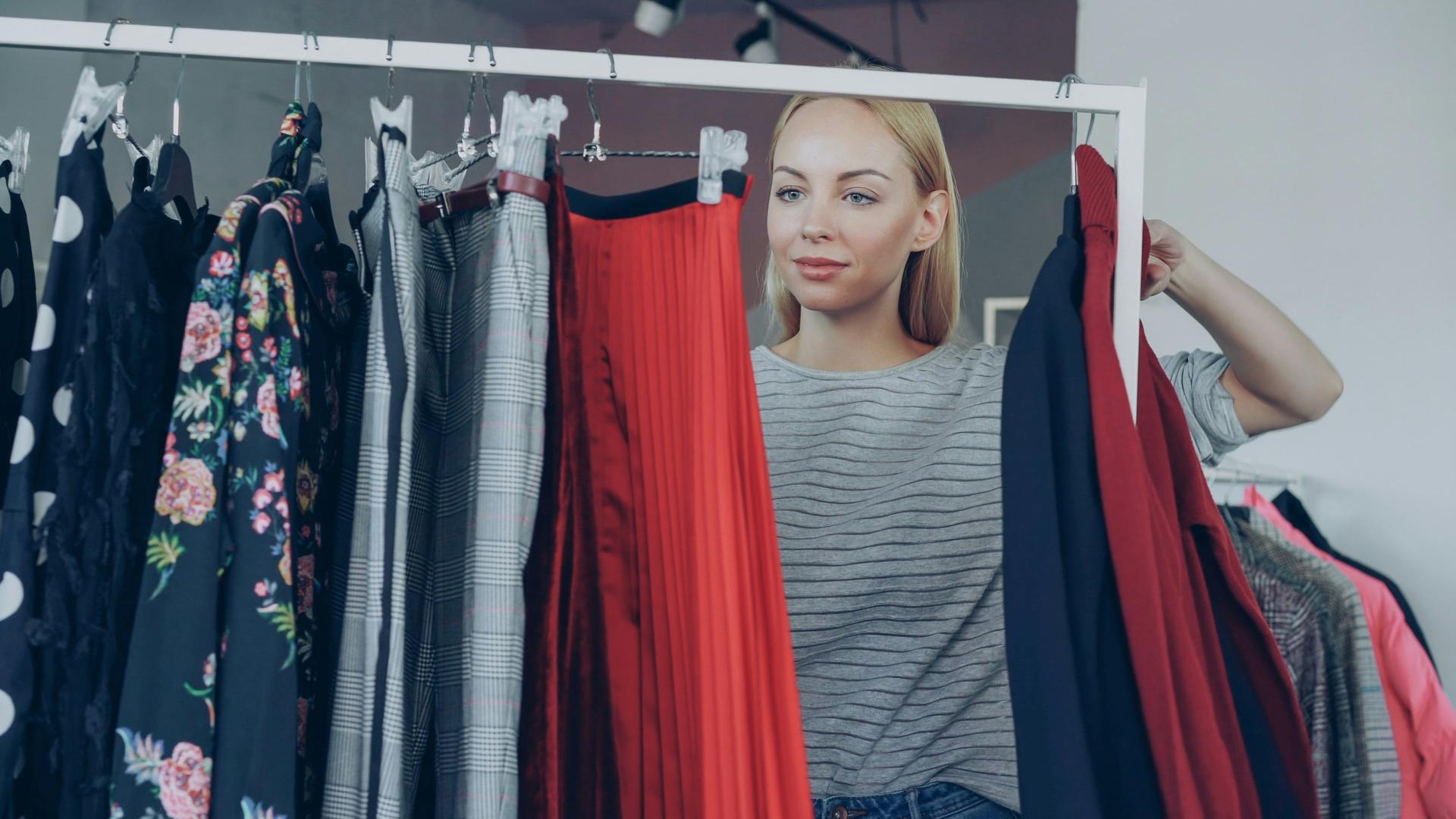
Focus on versatility. Pieces that pair easily with multiple items in your wardrobe get worn far more than striking one-off purchases. A small wardrobe of pieces you genuinely love will always outperform a large one full of things you never quite feel right in.
Can you still wear mini skirts and skinny jeans after 30?
Absolutely. The question isn't whether a style is age-appropriate — it's whether you feel comfortable and confident in it. If you do, wear it.