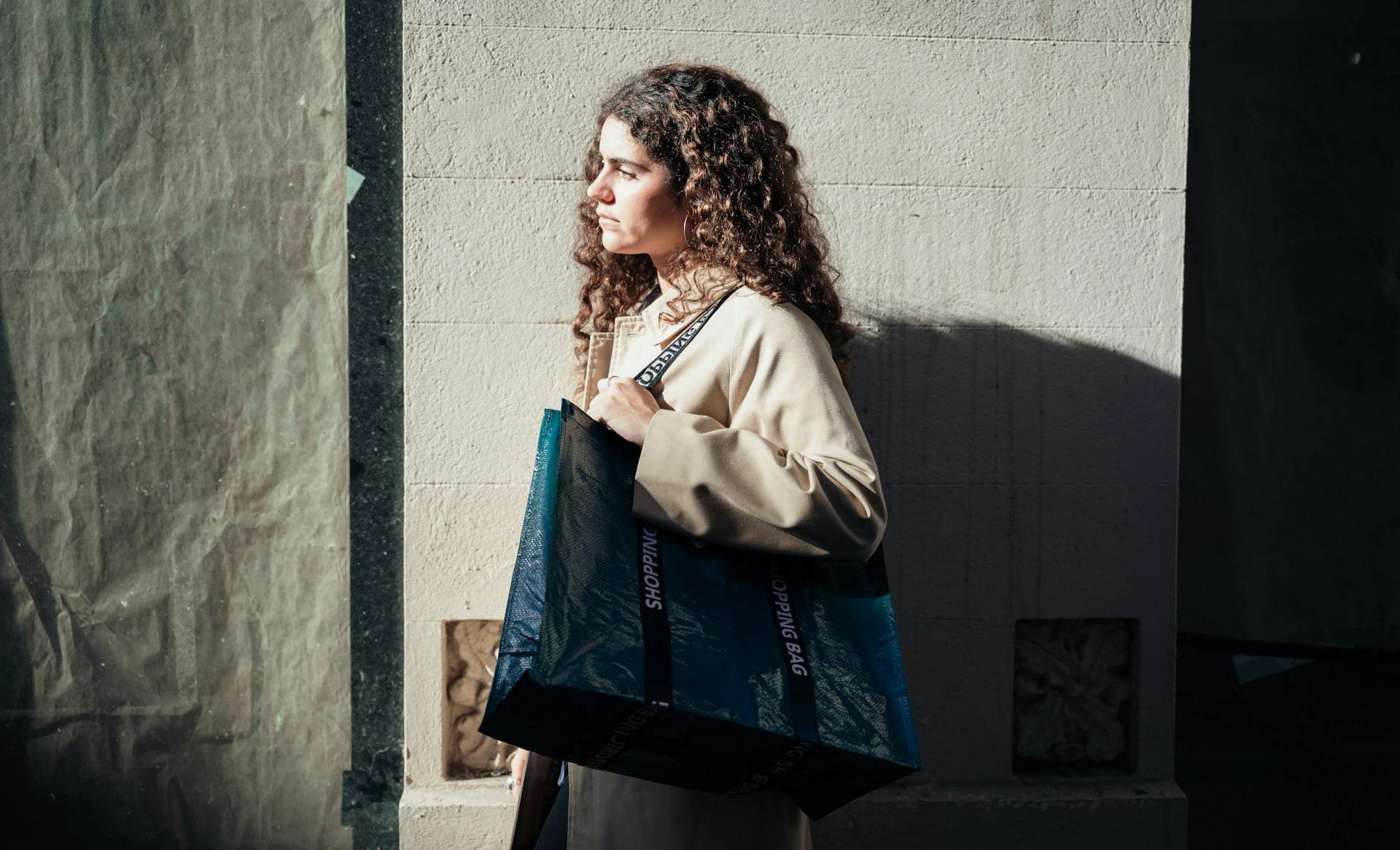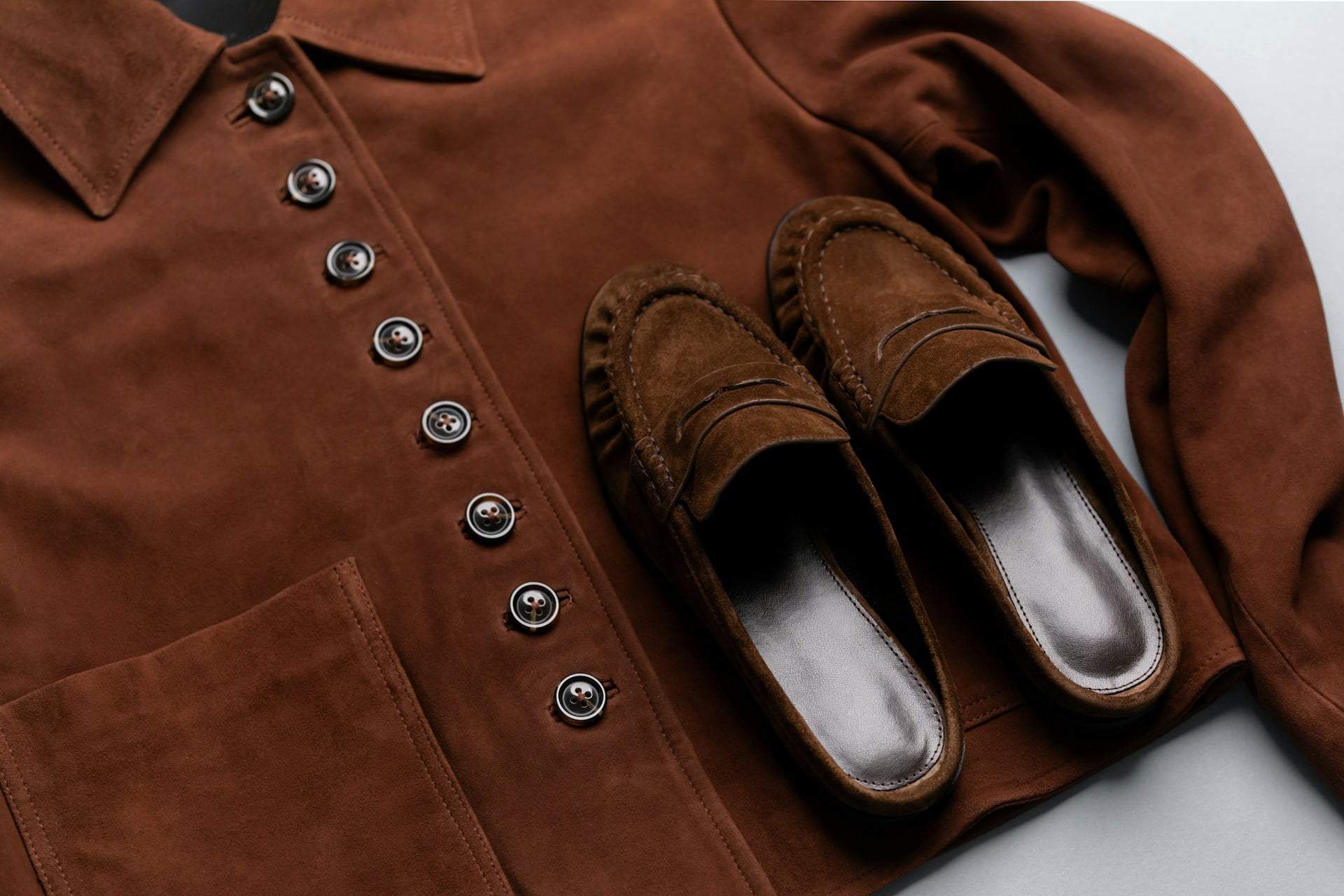
Eighteen pieces of clothing that combine into more than forty outfits — that's the whole point of a capsule wardrobe. And fall might be the best season to embrace it, because layering already demands that your clothes work together. Get this right, and getting dressed in the morning becomes surprisingly easy.
The capsule wardrobe concept isn't new. It was coined in the 1970s by London boutique owner Susie Faux, and the idea has stayed the same ever since: fewer pieces, carefully chosen, that can be mixed and matched season after season. In fall, that means not packing away your summer clothes entirely, but layering them under warmer pieces while you ease into the colder months — without diving straight into your winter coat.
Start by seeing what you already own
Before you buy a single thing, take everything out of your closet and sort it into one simple pile: the clothes you actually wore last fall. That pile is your starting point.
Most people discover they already have at least one good pair of jeans, a few tops, and a jacket — they just never thought of those pieces as the core of a capsule wardrobe.
Then look honestly at what's been hanging there untouched for years.
If you haven't worn something in three seasons, you probably won't wear it now. Set it aside and donate it, sell it, or pass it on.
Choose your color palette first
The secret to a capsule wardrobe that actually works is simple: every piece needs to go with every other piece. That requires a tight color palette.
For fall, a combination of navy, camel, grey, and deep green or burgundy works beautifully. These tones complement each other without looking dull or matchy-matchy.
Pick two neutral base colors to anchor most of your wardrobe, then add one or two richer accent shades for variety. When every new piece you buy fits within this palette, you'll never again end up with an expensive item that sits unworn because it doesn't go with anything else you own.
The essential pieces you actually need
A solid fall capsule wardrobe needs roughly fifteen to twenty pieces — if they're chosen well. These categories are non-negotiable:
- One quality pair of neutral-colored jeans — not too slim, not too relaxed
- Two or three long-sleeve tops in thin knit fabrics that layer easily
- A lighter and a heavier cardigan or sweater
- A transitional jacket or coat that holds up in rain and chill
- One pair of dark trousers or a skirt you could wear to work
- A few T-shirts or thin tops that work as base layers
- A pair of comfortable but stylish ankle boots
- A large scarf or wrap that can transform an entire outfit on its own
These pieces form the foundation. From there, you can layer in seasonal favorites — a printed shirt, a bold-colored bag — without losing the cohesion of the whole wardrobe.
How to shop smart and spend less
One of the best things about a capsule wardrobe is that you don't have to buy everything at once. Start by identifying what's missing from your existing pieces, and fill in only those gaps — gradually.
If a single piece works with four or five other things you already own, it's worth spending a little more on it. Over time, one well-made item is far cheaper than a string of inexpensive pieces you wear once and forget.
Thrift stores and secondhand shops are excellent hunting grounds for fall basics — you'll often find classic-cut jeans or timeless coats at a fraction of the retail price. Brand outlet sections are worth checking too, especially in early fall when last season's pieces land at steep discounts.
The three-layer rule for putting outfits together
When you're building a daily outfit, think in three layers: something close to the skin, something in the middle for warmth, and an outer layer for weather protection.
Once your core pieces are in place, this three-layer logic practically builds your outfit for you.
Before buying any new piece, try to mentally pair it with at least two things you already own. If you can't, it probably doesn't belong in your capsule — no matter how much you love it on the hanger.
Accessories are your secret weapon here. A belt, a scarf, or a simple piece of jewelry can completely change how the same base outfit feels — without needing a new item of clothing at all.
Finally, make sure your shoes and bags also fit within your color palette. These are the pieces that appear most often in a capsule wardrobe, and if they clash with everything else, you've wasted the money you spent on them.
Frequently asked questions
How many pieces does a fall capsule wardrobe actually need?
Somewhere between fifteen and twenty well-chosen pieces is enough to create a fully functional fall wardrobe. The key is that each item works with multiple others, not that you have a large quantity of clothes.
Do I have to buy everything new to start a capsule wardrobe?
Not at all. The best starting point is what's already in your closet. Most people find they already own several core pieces — they just haven't thought of them as part of a system before.
What colors work best for a fall capsule wardrobe?
Navy, camel, grey, deep green, and burgundy are a proven fall palette. Choose two neutral base colors and one or two richer accent shades to keep everything mix-and-matchable.
Is it worth spending more on individual pieces?
Yes, if a piece genuinely works with four or five other things you own. A higher-quality item worn regularly over several seasons costs far less per wear than a cheap piece used once or twice.
Where's the best place to find capsule wardrobe basics on a budget?
Thrift stores and secondhand shops are ideal for classic basics like jeans and coats. Brand outlet sections in early fall are also worth browsing, as last season's timeless pieces often drop significantly in price.