My fridge used to be an archive. Not a working space — an archive, with a sediment layer at the back where half a jar of pesto could survive undisturbed for a season. What finally changed it was not a set of matching containers. It was accepting a slightly unglamorous truth: a fridge is a machine with warm parts and cold parts, and I had been fighting that instead of using it. Once the food went where the temperature suited it, and once I could actually see what I owned, our weekly shop shrank without anyone deciding to economise.
Work with the cold, not against it
Cold air sinks, and the door is the warmest, most temperature-unstable place in the whole unit because it swings into a warm room several times a day. That gives you a map. The back of the lower shelves is your coldest, steadiest zone: raw meat and fish belong there, ideally on a plate or in a sealed box so nothing can drip downwards. The middle shelves suit dairy, cooked food and leftovers. The top shelf, slightly warmer, is where ready-to-eat things live — cheese you are actually working through, yoghurts, opened deli items. The door is for the resilient: condiments, jams, pickles, drinks. The one thing many of us get wrong is milk in the door, right where the temperature swings most. Move it to a back shelf and it genuinely lasts longer. Crisper drawers are for vegetables and fruit, kept separate where possible, because some fruit gives off gases that make leafy greens tired and yellow faster.
The eat-me-first box changes everything
If you only adopt one thing, adopt this. Put an open, shallow box or tray on a middle shelf at eye level and label it in your head as the box of things that must be used within a couple of days: the half pepper, the opened cream, yesterday's rice, the two sausages left in the pack. When you open the fridge hungry and uninspired, you look there first. It is a visibility fix rather than a storage fix, and for anyone whose brain works on out-of-sight-out-of-mind logic — mine emphatically does — it removes the need for a mental inventory you were never going to keep. The corollary rule: nothing important goes behind anything else. Depth is where food goes to die. Tall bottles at the back, short things at the front, and no double-parking of yoghurt pots.
Produce, herbs and the small handling habits
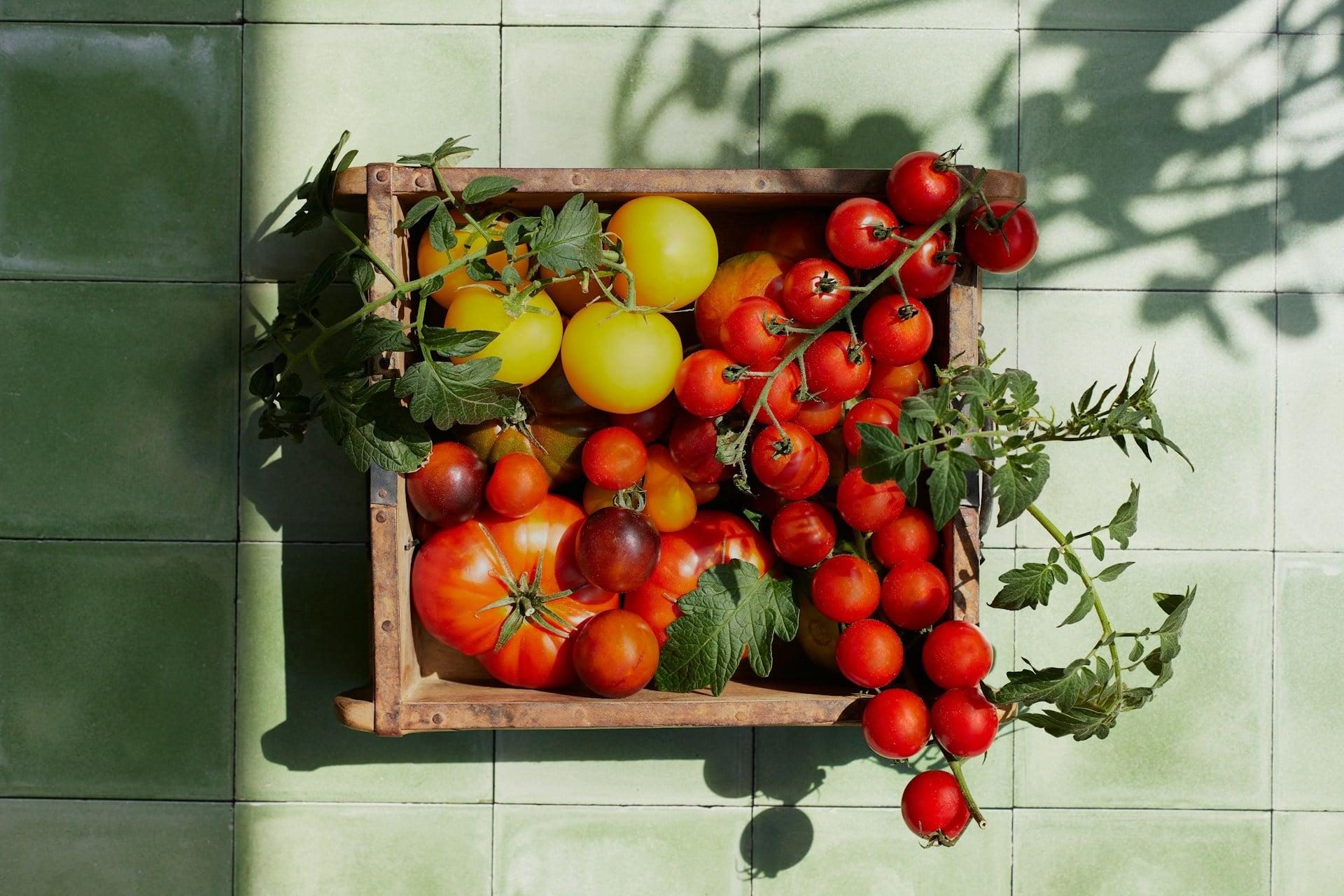
Most household food waste in my experience is vegetables, and most vegetable waste is a storage problem rather than a cooking problem. Wash salad leaves only when you are about to eat them, or dry them thoroughly and store with a piece of kitchen paper in the box to absorb condensation. Keep mushrooms in paper, not plastic. Bag up herbs loosely rather than sealing them airtight. Whole tomatoes and stone fruit are better on the counter until ripe, then chilled to buy a few extra days. Keep an old jar for scraps destined for stock — onion ends, carrot tops, parmesan rinds — in the freezer rather than the fridge, so the fridge stays for food you will genuinely eat this week.
The ten-minute reset that keeps it working
Systems fail without maintenance, so I do a short reset before the weekly shop, not after. Pull everything from the front, group like with like, refill the eat-me-first box, wipe the shelf you can reach without unloading, and write the shopping list from what is actually there rather than from memory. Ten minutes, once a week, and you avoid the third jar of mustard. Twice a year, do the full version: empty it, take the drawers out, wash them in warm soapy water, dry them properly, and check the door seal for crumbs and stickiness, because a seal that cannot close is quietly costing you both freshness and electricity.
How often should I actually clean out the fridge?
A quick front-of-shelf tidy and wipe once a week is plenty for daily life, timed to just before you shop so you are not stacking new food on top of old. A deeper clean — drawers out, shelves washed, seals checked — is reasonable every few months, or immediately after any leak or spill, because sticky residue is what turns a smell into a permanent smell.
What's the best way to store fresh herbs so they don't go slimy?
Treat soft herbs like parsley, coriander and mint as cut flowers: trim the stems, stand them in a glass with a little water and cover loosely with a bag or box, then keep them on a shelf rather than in the coldest corner. Woody herbs like rosemary and thyme prefer to be wrapped in a slightly damp cloth or paper and kept in a loosely closed container, and anything you cannot get through in a few days is better chopped and frozen in a little oil than watched slowly turning to slime.