I once sat in a small bistro with a menu so beautifully composed that I ordered something I do not especially like, at a price I would not have chosen, and enjoyed it anyway. That is not a criticism of the restaurant. Designing a menu is a craft, and a good one is a piece of persuasive writing as much as a list. But it is worth knowing that almost nothing on that page is arranged neutrally. The dishes the kitchen wants to sell — because they are profitable, or fast, or use up something plentiful — are the ones positioned, described and priced to catch you. Seeing the machinery does not spoil dinner. It just puts you back in charge of it.
The menu is a map someone drew for you
Start with position. Our eyes tend to land near the top of a section and at the very end of it, and to skim the soft middle, which is why the dishes a restaurant is happiest to serve rarely sit in that middle. Boxes, borders, a change of typeface, a small illustration, a discreet chef's-recommendation marker: each of these is a flag saying look here. Length matters too. A very long menu overwhelms and pushes you back towards whatever you recognised first, while a short, confident list of a handful of dishes is a curatorial choice that also makes ordering feel easy. Then there is the language. Compare a menu that says "tomato salad" with one that says "late-summer tomatoes, torn basil, aged olive oil". The second is telling you a story about seasonality and care, and it raises what you are willing to pay before you have tasted anything. Grandmother-style, wood-fired, hand-rolled, our own — these words are doing real work.
How prices are dressed
Notice how prices are printed. Currency symbols dropped, decimals trimmed, figures set in the same small type as the description rather than in a tidy right-hand column: all of it makes cost feel less like arithmetic and more like a detail. A column of prices lined up neatly invites you to compare and pick the cheapest; prices tucked in at the end of each description invite you to read the dish first and the number second. There is also the anchoring effect of one deliberately expensive item near the top — the whole fish for two, the aged cut, the tasting selection. Its job may not be to sell. Its job may be to make everything below it feel moderate. The same logic runs down the wine list, where the second-cheapest bottle is famously popular because nobody wants to look like they picked the very bottom.
The waiter's script and the shape of the meal
Spoken recommendations are the most powerful nudge of all, because they arrive with human warmth attached. When someone says the specials out loud, the last dish mentioned tends to be the one you remember, and the phrase "that's my favourite" is very hard to argue with. Sequencing matters too. Bread and olives land before you have decided anything, drinks are taken before food so that hunger has time to build, and dessert is proposed at the exact moment your judgement is softest. None of this is dishonest. It is hospitality with commercial sense. But it explains why so many of us leave a restaurant slightly heavier and slightly poorer than we intended.
How to order like the menu isn't in charge
My own defences are simple and unfussy. I decide roughly what I want before I open the menu — something light, something with fish, something vegetable-led — so the page is answering my question rather than asking one. I read the whole section, especially the middle, before choosing. I order water first, water and food together, and think about drinks once the food is decided. When I am handed a spoken special I like the sound of, I ask one specific question about it: how it is cooked, how big it is, whether it is something I can share. And if a table wants dessert, ordering two for four people to share is almost always the version everyone actually enjoys.
Is the second-cheapest wine really a trap?
It is less a trap than a very well-mapped habit, and restaurants know exactly where the crowd lands, so it is not necessarily where the best value sits. A more reliable approach is to name a price you are comfortable with and ask for a recommendation around it, or to ask which region or grape the list is proudest of. Staff generally enjoy that conversation, and by the glass or half-bottle you can afford to be curious.
How do I stop over-ordering when I'm very hungry?
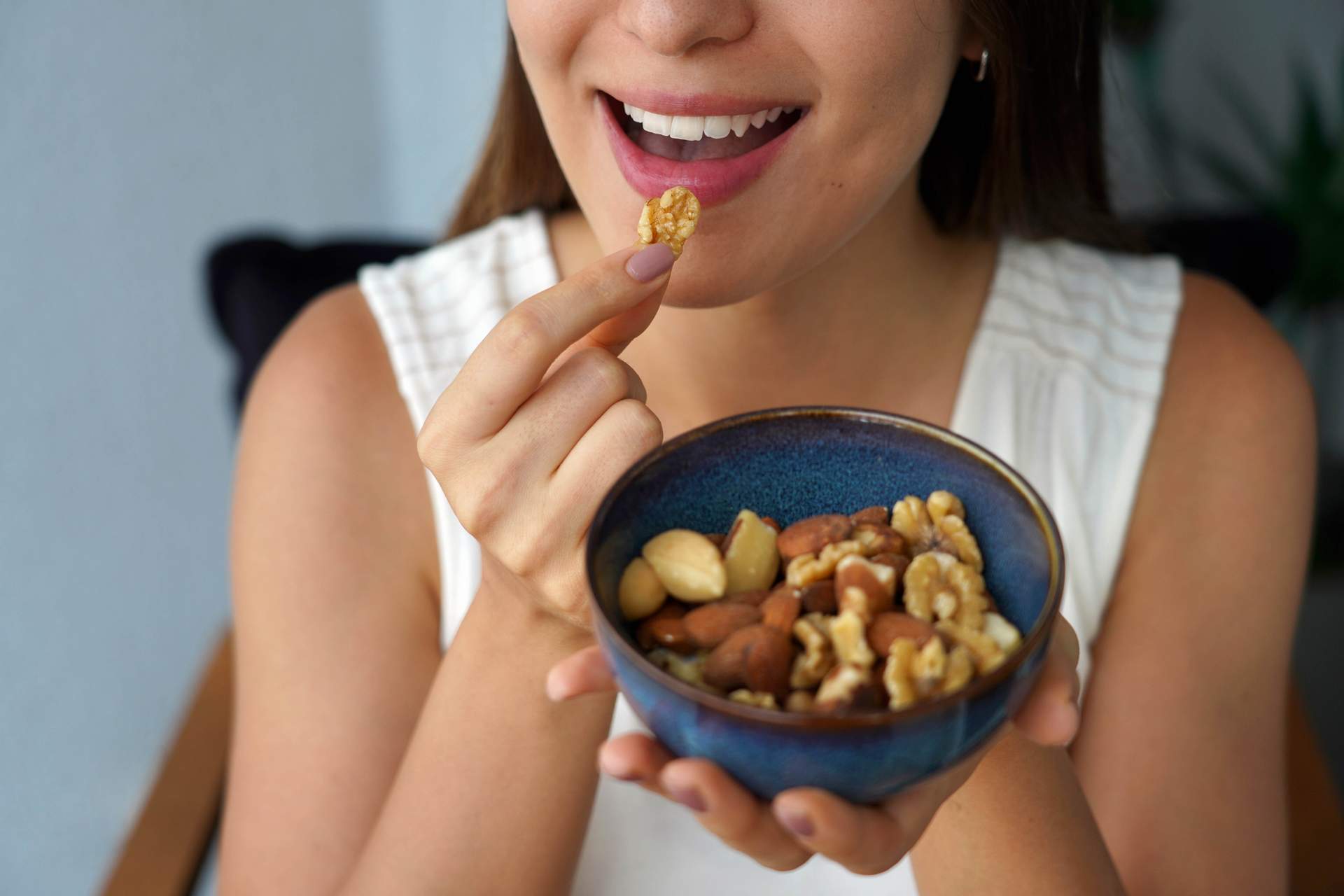
Arriving ravenous almost guarantees a bigger order than your appetite will actually want twenty minutes later, so a small snack beforehand — some nuts, a piece of fruit — genuinely changes what you choose. Once at the table, order in stages instead of all at once: mains first, then decide about sides and starters after the first few bites, and treat sharing plates as a running conversation rather than a single decision made at your hungriest moment.