Every few years the high street decides brown is back, and every few years a certain number of us buy a brown coat, wear it twice and quietly retire it. The problem is almost never brown itself. It's that we treat it as a single colour, when in reality the distance between a cool, inky espresso and a warm golden caramel is as great as the distance between navy and scarlet. Get the shade right and brown does something black rarely manages: it softens you while still looking deliberate.
First, work out which brown is yours
Think of brown in rough families. There are the dark, cool-leaning ones — espresso, bitter chocolate, a brown so deep it reads almost black in low light. There are the mid-tones with warmth in them: chestnut, cognac, tobacco, that reddish brown you see in old leather. There are the soft neutrals: latte, mushroom, taupe, biscuit. And there are the muddied greens and greys that sit at the edge of brown and make everything look expensive, the ones people describe as "like a wet pebble".
The quickest test is to hold two very different browns up under daylight near a window — a cool dark one and a warm reddish one — and look at the skin under your jaw rather than at the fabric. One will make you look rested; the other will put shadows where you don't want them. If warm browns flatter you, lean into cognac and caramel. If they turn you sallow, go deep and cool with espresso, or pale and greyish with mushroom, and skip the orange-leaning middle entirely.
Texture is what separates rich brown from cheap brown
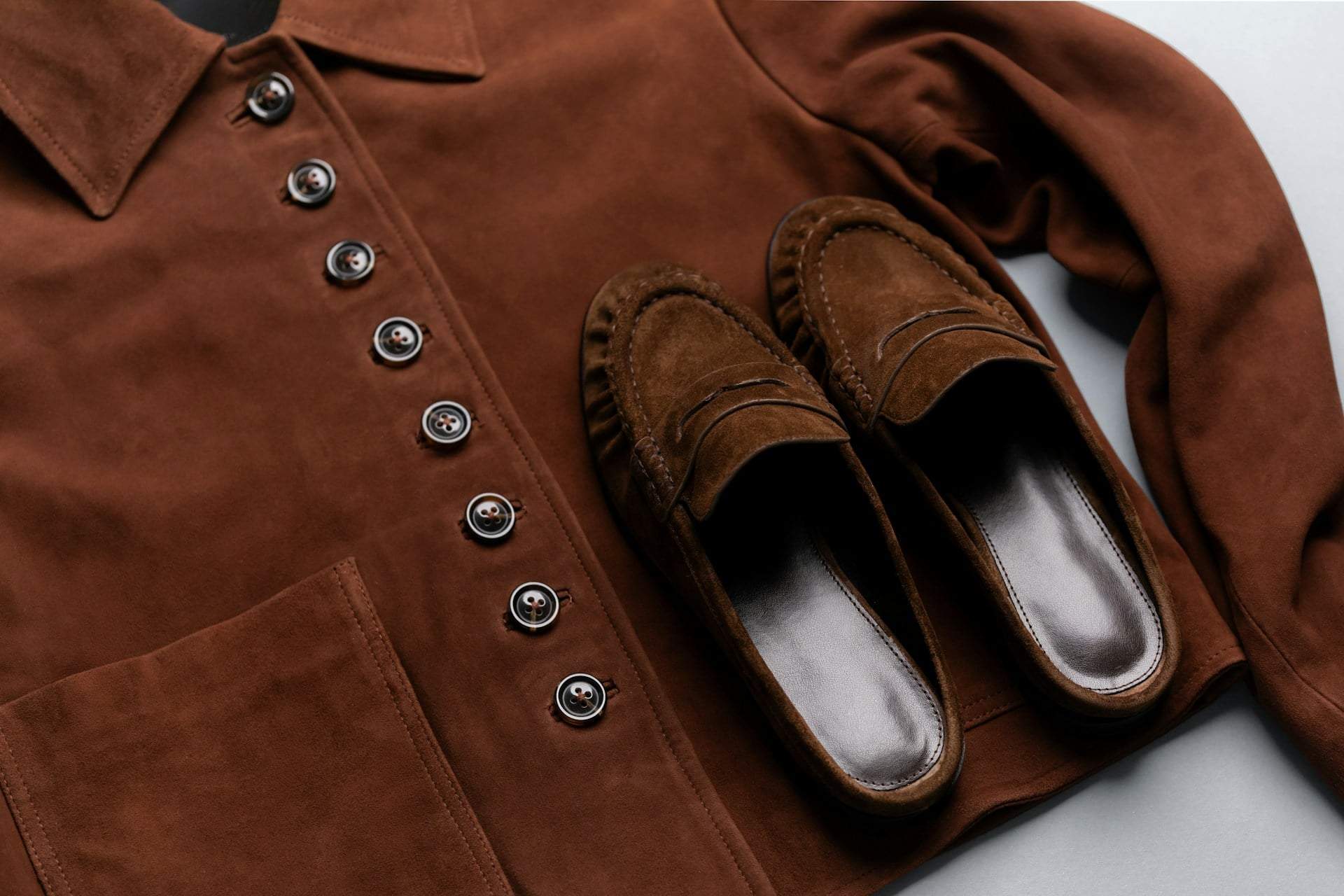
Brown is unusually sensitive to fabric. In a flat, shiny synthetic it can look like upholstery; in a matte, textured material it looks like money. This is why brown suede, brushed wool, corduroy, soft leather, chunky knit and heavy cotton all work so well, while thin polyester in the same shade often doesn't. If you're buying one brown piece this autumn, prioritise the handle of the fabric over the exact tone — a slightly imperfect shade in a beautiful texture will outperform a perfect shade in something flimsy every time.
The same logic applies to tonal outfits. Head-to-toe brown only reads as styled when the textures differ: a chocolate knit with brown wide-leg trousers in a smooth wool, or a suede jacket over a brown ribbed dress. Matching material and shade exactly is what tips it into looking like a uniform.
The pairings that do most of the work
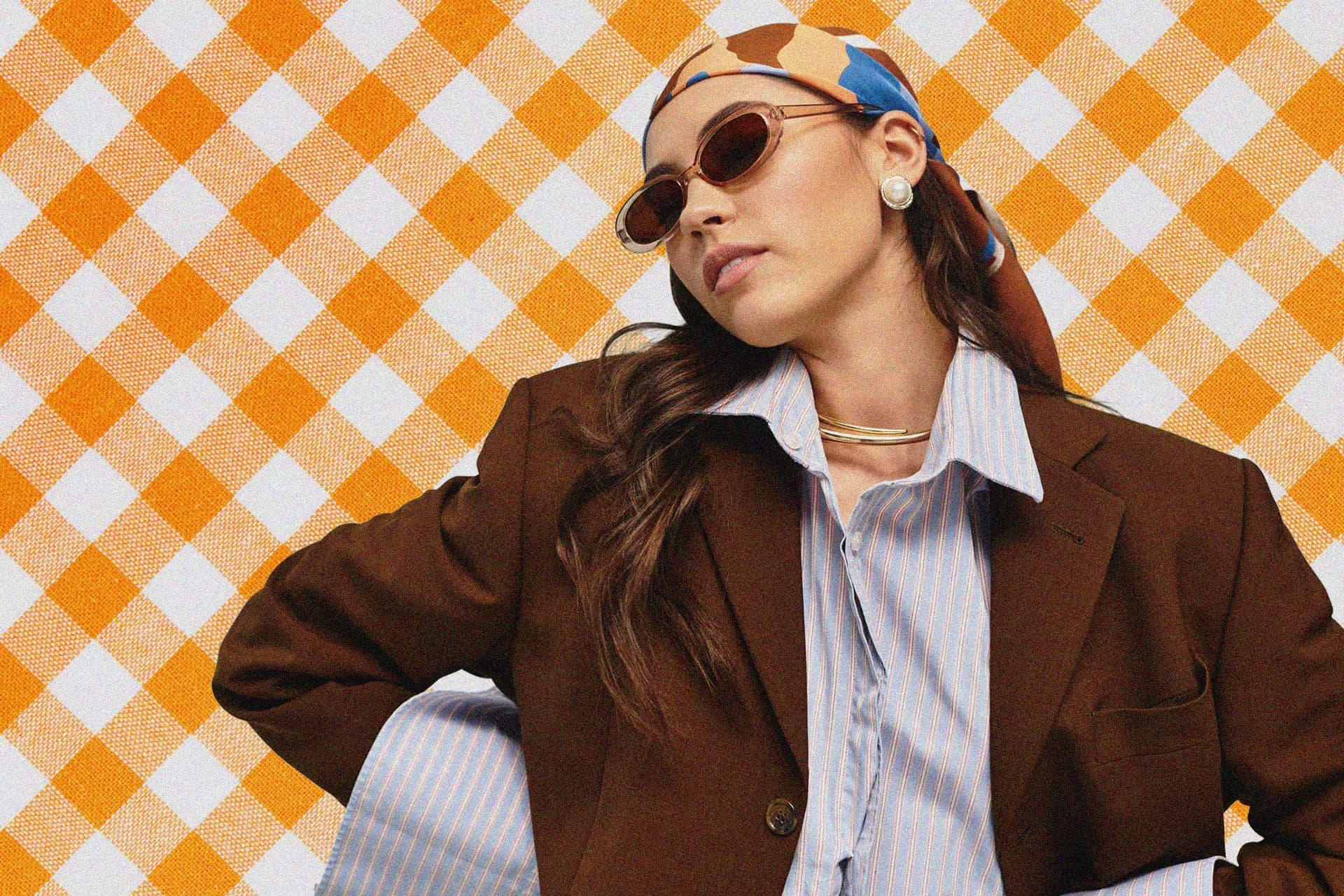
Brown and cream is the easy win — warmer and less severe than black and white, and it works across the whole brown spectrum. Brown and navy is the quietly chic one, and far more wearable than its reputation suggests; a navy coat over chocolate trousers looks considered rather than accidental. Grey marl with brown is comfortable and modern, particularly a soft grey jumper with a brown midi skirt. Burgundy and brown belong together in the way autumn leaves do, as long as one of them is clearly the lead. And for something less predictable, try brown with a pale, chalky blue — it lifts the whole thing and stops it reading as earnest.
Start by swapping one black thing
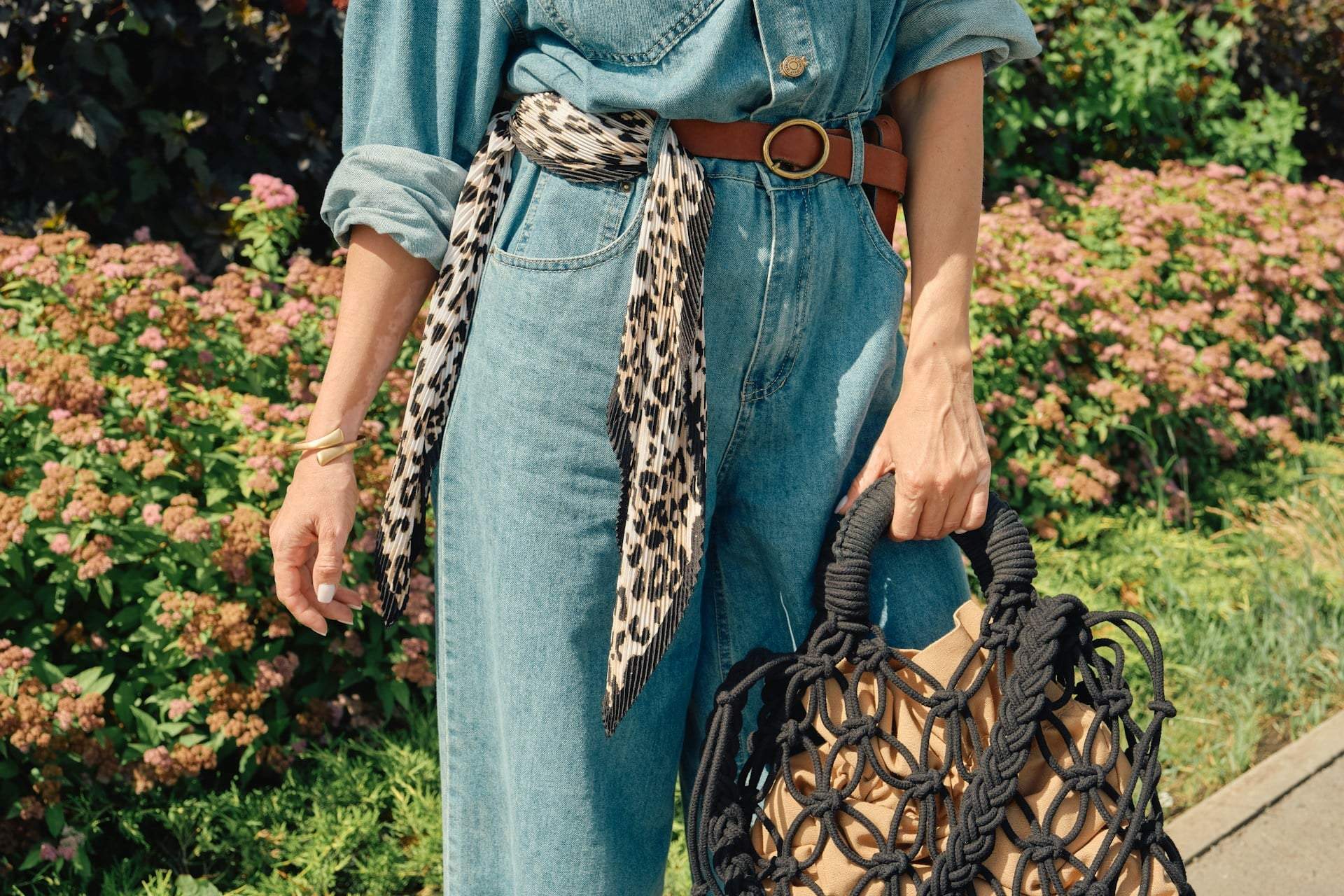
If a brown coat feels like too much commitment, change the accessories instead. A brown leather bag, a cognac boot or a brown belt in place of the black versions instantly makes a black or grey outfit look less default. Shoes are the most forgiving entry point, because the colour sits furthest from your face and simply reads as intentional. Once you've worn brown boots for a fortnight you'll have a much clearer sense of whether you want the coat.
Does brown really suit everyone?
Some version of it does, but the version matters enormously. If mid-brown makes you look tired, you don't dislike brown — you dislike that brown; try going much darker or much paler and cooler before you give up on it. And remember that anything worn near the face has the biggest effect, so if you're unsure, keep brown below the waist and wear your most flattering shade on top.
Can you wear brown and black together?
Yes, and it looks far more modern now than the old rule allowed. The trick is to make the contrast obvious rather than accidental: a true black with a clearly warm brown, or a chocolate coat over black tailoring, so no one wonders whether you got dressed in the dark. What doesn't work is a brown that sits a shade away from black, where the eye reads it as faded rather than chosen.