Cord has a reputation problem it doesn't deserve. Mention corduroy trousers and half the room pictures a geography teacher in mustard, the other half pictures a toddler. But put on a well-cut pair in a deep colour and you get everything jeans give you — robustness, a bit of structure, the ability to wear them four days running — with a softness that suits October light far better than rigid indigo does. The trick is that cord is a fabric with variables, and getting those right does most of the styling work for you.
Wale width is the single biggest decision
The "wale" is the ridge, and the count refers to how many of them fit into an inch. Fine, narrow wales — the needlecord end — read almost like a soft suiting fabric from a distance; they drape, they take a crease, and they are the ones to buy if you want trousers that can plausibly go into an office. Wide, chunky wales have a heritage, slightly outdoorsy feel, more visible texture and more volume, and they look their best in a relaxed, generous cut.
Mid-range wales are the safest first purchase: enough texture to be obviously cord, not so much that the trousers dominate everything else you own. What I'd avoid is wide-wale cord in a stiff, straight, mid-rise cut, because that is precisely the combination that drags the whole thing back to the 1990s. If the fabric is loud, let the shape be easy. If the shape is sharp, keep the wale fine.
The shapes that feel current now
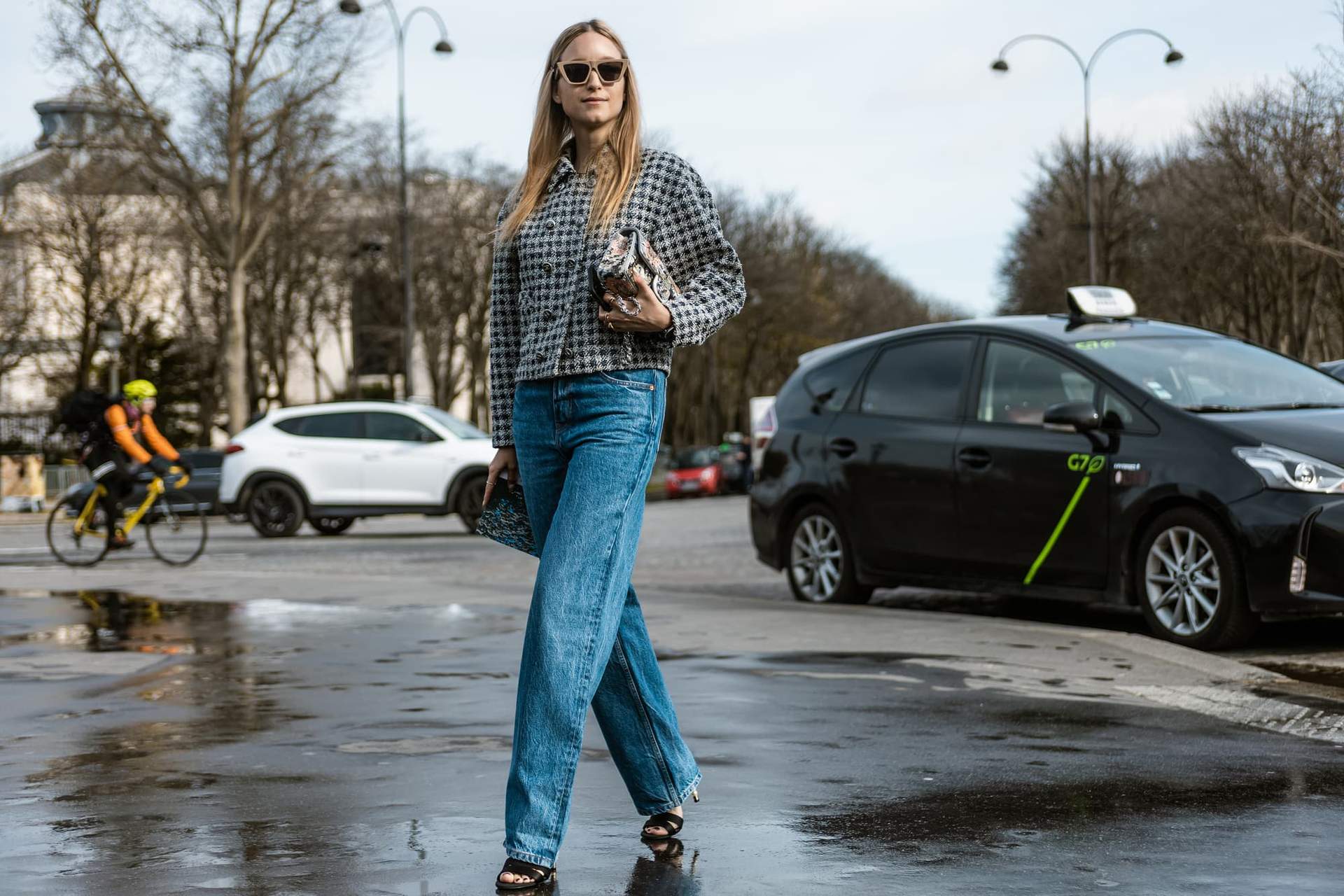
A wide, flat-fronted trouser with a long clean line from hip to hem is the easiest win — it lets the pile catch the light and skims rather than clings. A straight leg with a slight break over a boot works for anyone who finds true wide-leg overwhelming, and the softer barrel and tapered-pleat shapes that have crept in across the high street look surprisingly good in needlecord, because the fabric holds a curve without looking stiff.
Length is where most pairs go wrong. Cord puddling in a heap at the ankle looks heavy rather than nonchalant, since the fabric has more body than denim. Aim for a hem that just kisses the top of the shoe, or a deliberate crop that shows a flash of ankle or a proper boot shaft. If a pair is lovely but long, a plain hem shortening is one of the cheapest, highest-return alterations you can make.
What to put on top
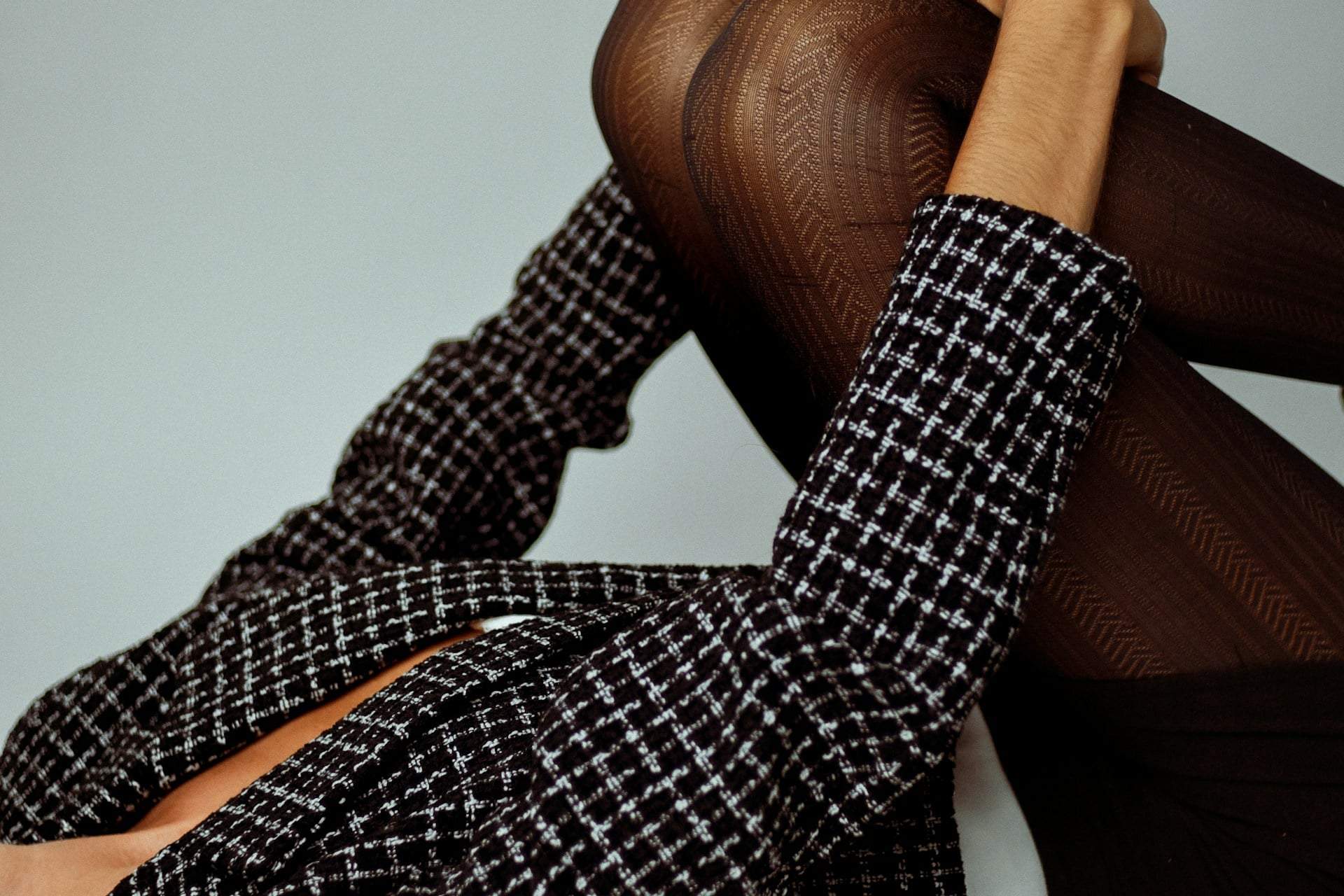
Cord is already texture, so it works best with one contrasting surface rather than three competing ones. Smooth knitwear, a crisp poplin shirt, a fine roll-neck, a leather or leather-look jacket — all of these let the ribbing register as a deliberate choice. Pile on bouclé, chunky cable and a faux-fur collar and the outfit starts to look like weather protection rather than an outfit.
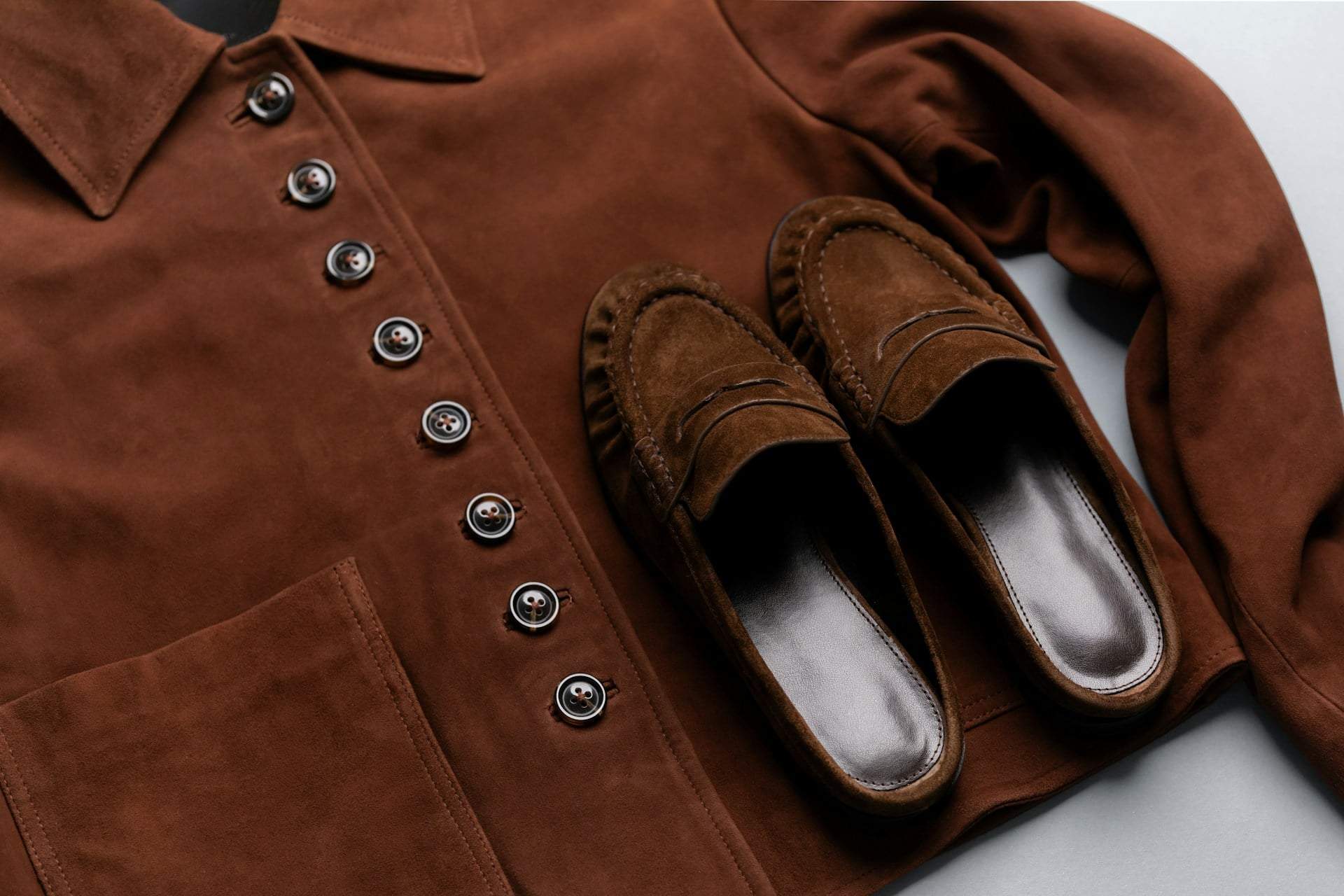
Colour is where cord is genuinely generous. Chocolate, bottle green, burgundy, ink, and the whole range of soft stone and oatmeal shades all look richer in this fabric than in flat cotton, because the ridges hold light and shadow. Head-to-toe cord can be excellent, but only in a single tone and ideally in a fine wale — one shade off and it reads as a mismatched uniform.
Looking after the pile
Corduroy's enemy is flattening. Wash inside out on a cool, gentle cycle, skip the fabric conditioner that coats the fibres, and don't tumble dry on high; hang them by the waistband and let the weight of the fabric pull the legs straight. If they need pressing, steam from the inside or hover a steamer over the surface rather than crushing the ridges with a hot iron plate. Brushing lightly along the direction of the wale with a soft clothes brush lifts a pile that's gone shiny at the seat.
Do corduroy trousers make you look wider?
Only if the wale is wide and the cut is tight — texture plus compression is what adds visible bulk. A fine or mid wale in a shape that skims rather than grips reads as a column, and a dark tone with a long clean line is as slimming as any trouser fabric going, so choose the cut carefully and ignore the old warnings about texture in general.
How do you stop cord going baggy at the knees?
Cotton cord with little or no stretch will always relax across the day; that's the fabric breathing, not a fault. Hang them up rather than folding them over a chair, give them a day off between wears so the fibres recover, and look for a pair with a small percentage of elastane if you sit at a desk, because that is what pulls the knee area back into shape.