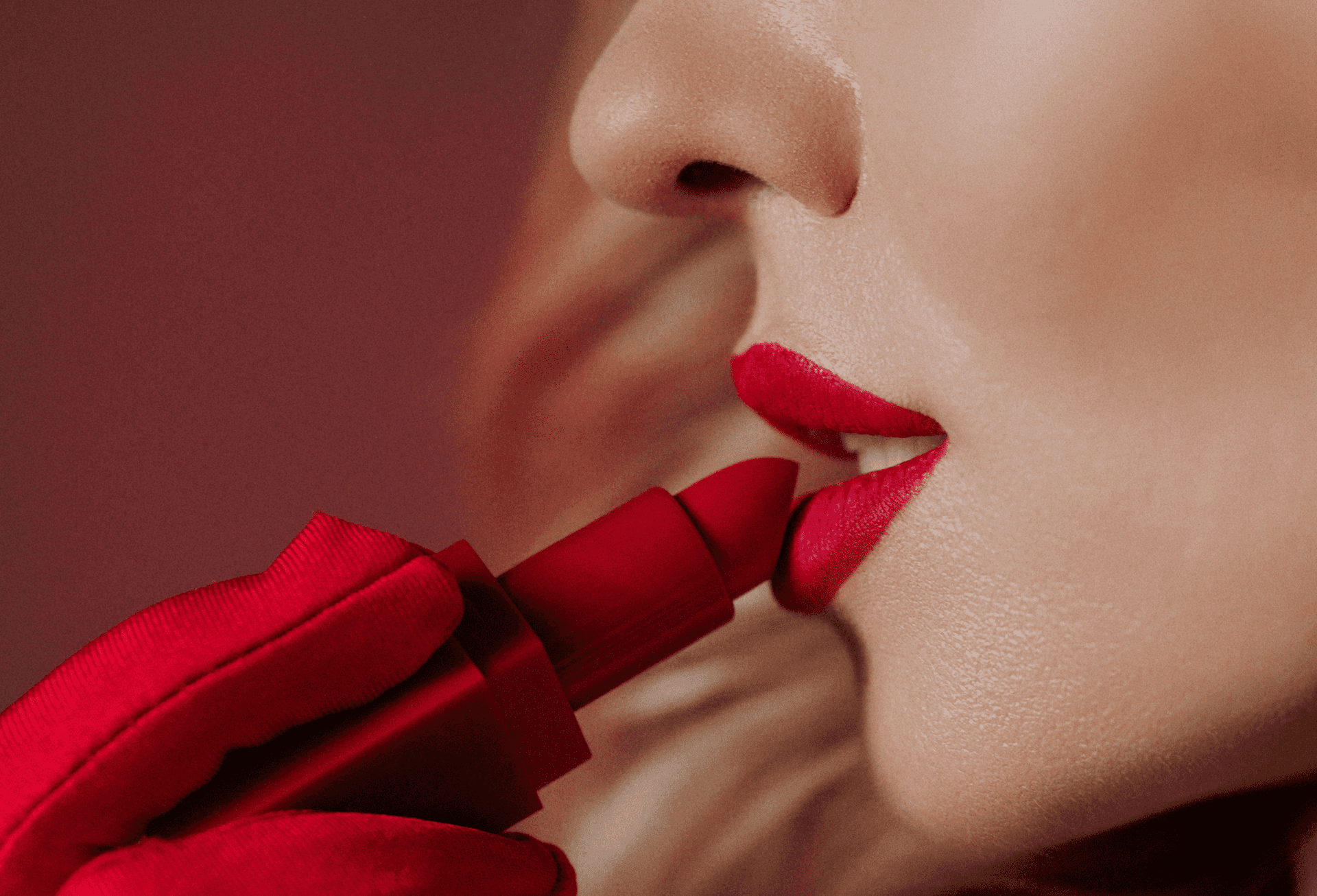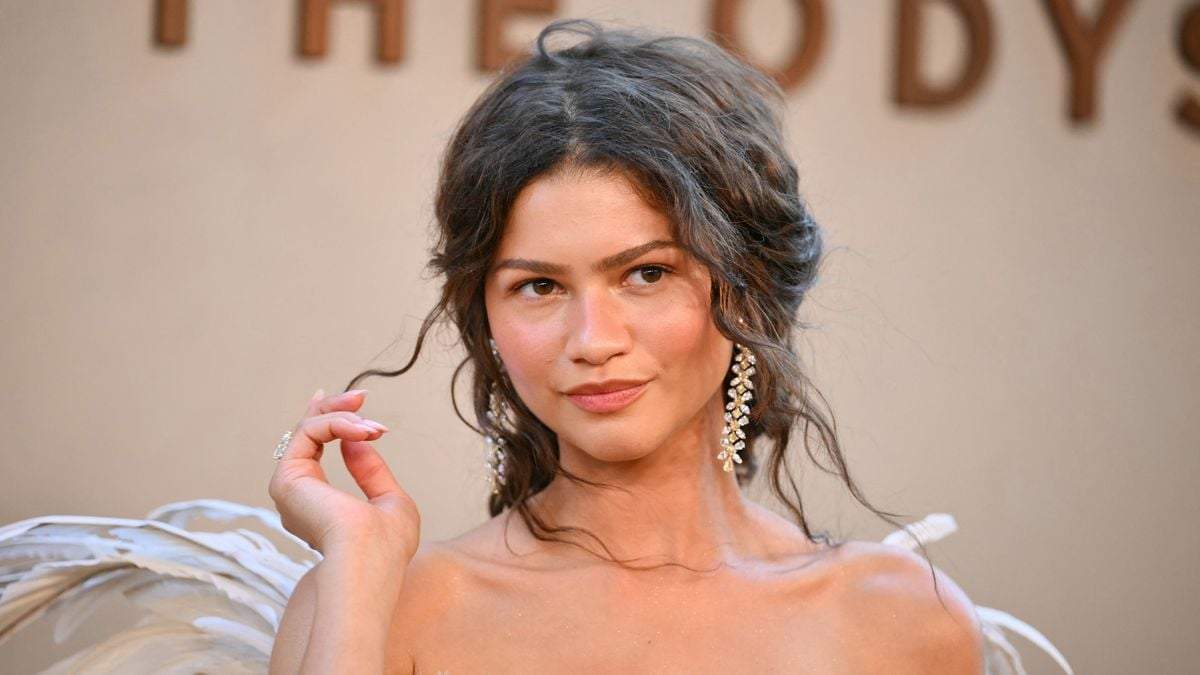
Every October the same thing happens. Someone wears a deep berry lip on television, the shade sells out, and thousands of us buy a bullet of something plummy with a surge of optimism, swipe it on once in unforgiving bathroom light, decide it makes us look like we have been standing outside in the cold, and never touch it again. The colour was almost never the problem. The depth, the undertone and the finish were.
Berry is genuinely the most useful shift you can make to your face in autumn, because it does in one step what blusher, bronzer and a new coat are all trying to do: it adds warmth and definition when daylight has stopped doing it for you. But "berry" is not a shade. It is a family with a wide range of members, and they do not all behave alike.
The berry family is bigger than you think
At the cool end you have plum and wine: blue-leaning, dramatic, brilliant against very fair or very deep skin with cool undertones, and prone to looking severe if you also have a very low-contrast face. In the middle sit raspberry and mulberry, which carry a touch of pink and tend to read as "healthy" rather than "made-up". At the warm end there is damson-brown and brick-berry, the ones with a bit of russet in them, which sit beautifully on golden and olive complexions and against copper or chestnut hair.
Then there is the stained category — sheer berries that look terrifying in the tube and like you have just eaten blackberries once they are on. If you have written off berry altogether, start here. It is the lowest-risk entry point and it is the version most people end up wearing every day.
Read your own colouring before you read the label
Three things decide whether a berry works on you. The first is undertone: hold the lipstick near your face and look at whether your skin brightens or greys. Cool-toned berries lift cool skin and can make warm skin look sallow; the reverse is also true. The second is depth — how dark the shade is relative to your natural lip and skin. If the gap is enormous, the colour will wear you rather than the other way round, and you will spend the evening aware of your own mouth.
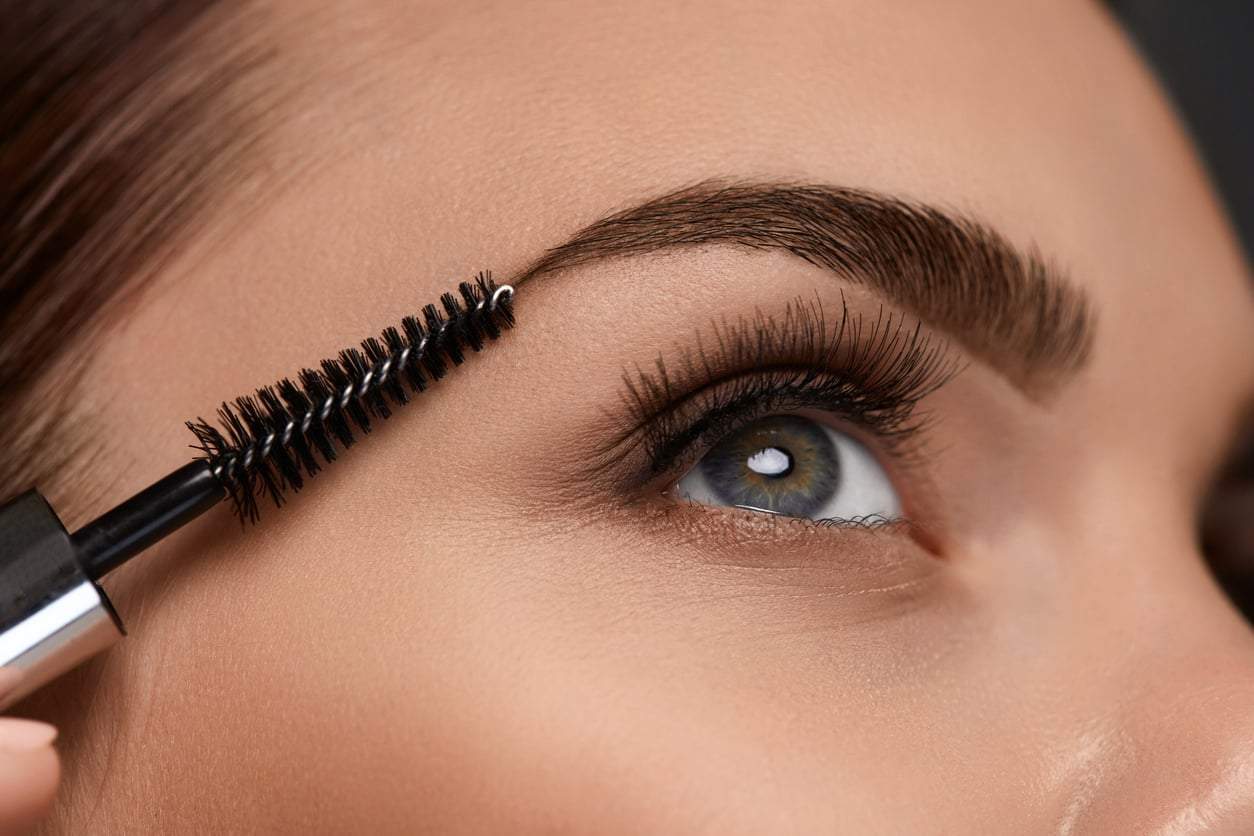
The third, and the one nobody mentions, is contrast. If your features are naturally high contrast — dark brows and lashes against lighter skin — a deep plum will look balanced on you with no other makeup at all. If you are lower contrast, define your brows and add a coat of mascara before you judge the lipstick, because on its own a dark lip can look like it has been dropped onto a blank face.
Finish does half the work
A satin finish is the forgiving default: enough slip to flatter a drier lip, enough pigment to look intentional. A true matte gives you the sharpest, most modern version of a berry lip, but it will find every flake and every line, so it needs a few days of balm beforehand and a gentle exfoliation on the morning. Balm stains are the easiest to wear and the hardest to get wrong, though they fade faster and fade unevenly. Gloss over the top of a berry is having a proper moment again, and it is the quickest way to make a serious shade look relaxed rather than formal.
How do I stop it bleeding, patching and vanishing by two o'clock?
Build it in thin layers rather than one thick one. Start with a liner in roughly the same depth as the lipstick, drawn on your natural line and then feathered inwards across the whole lip so there is no visible outline left when the colour wears off. Apply the first layer, blot with a tissue, apply a second, blot again. That blotting step is what separates a lip that lasts through lunch from one that transfers onto the first cup you touch. For a dark shade especially, carry the liner rather than the bullet for touch-ups — it is far easier to repair the centre of the lip than to repaint the edges in a car park mirror.
What if berry shades make my teeth look yellow?
Almost always this means you have reached for a warm berry — one with brown, brick or orange in the base — and the warmth is amplifying any yellow tone in your enamel. Swap towards a blue-leaning plum or a cool raspberry and the effect usually reverses immediately, because cool undertones optically brighten teeth. If you are unsure which camp a lipstick falls into, look at it on a white tissue rather than on your hand: the brown and the blue reveal themselves instantly on paper, and you will never be fooled by shop lighting again.