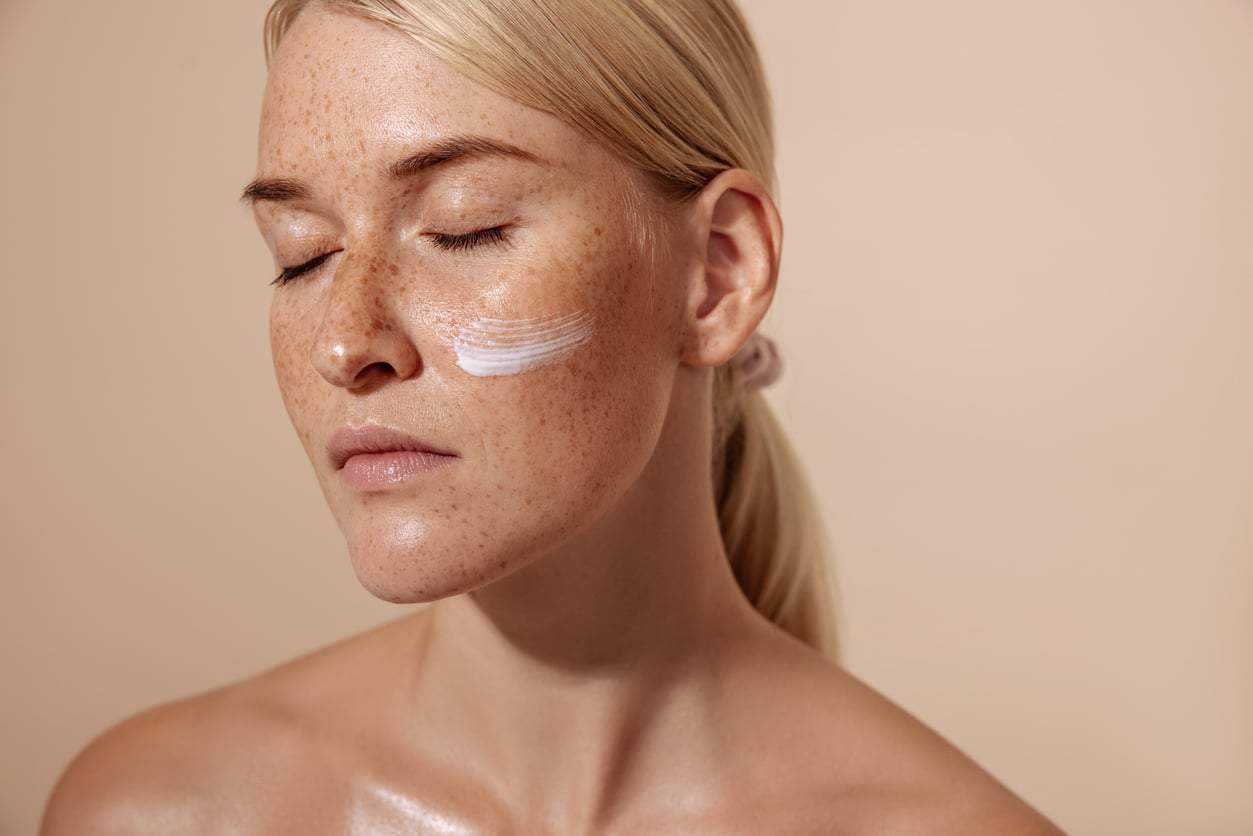
Ever wake up with a crease running down your cheek that matches the seam of your pillowcase — and it lingers for hours? You're not imagining it. Your skin actually remembers the pressure and folding it endures for hours every night, and over time those temporary lines can become permanent.
Why the way you lie down matters
Dermatologists have long noticed that patients who spend decades sleeping on the same side, or on their stomach, tend to develop deeper, asymmetrical wrinkles on one side of the face — especially around the nose and mouth, and across the forehead.
The reason is simple mechanics. When your face presses into a pillow for hours, the skin and the connective tissue beneath it fold inward, and the collagen and elastin fibers are repeatedly stretched and compressed.
In young skin, that deformation smooths out by morning. But as the years pass and skin loses elasticity, those pressure lines take longer and longer to fade — until they eventually settle in as permanent wrinkles.
The hidden cost of stomach and side sleeping
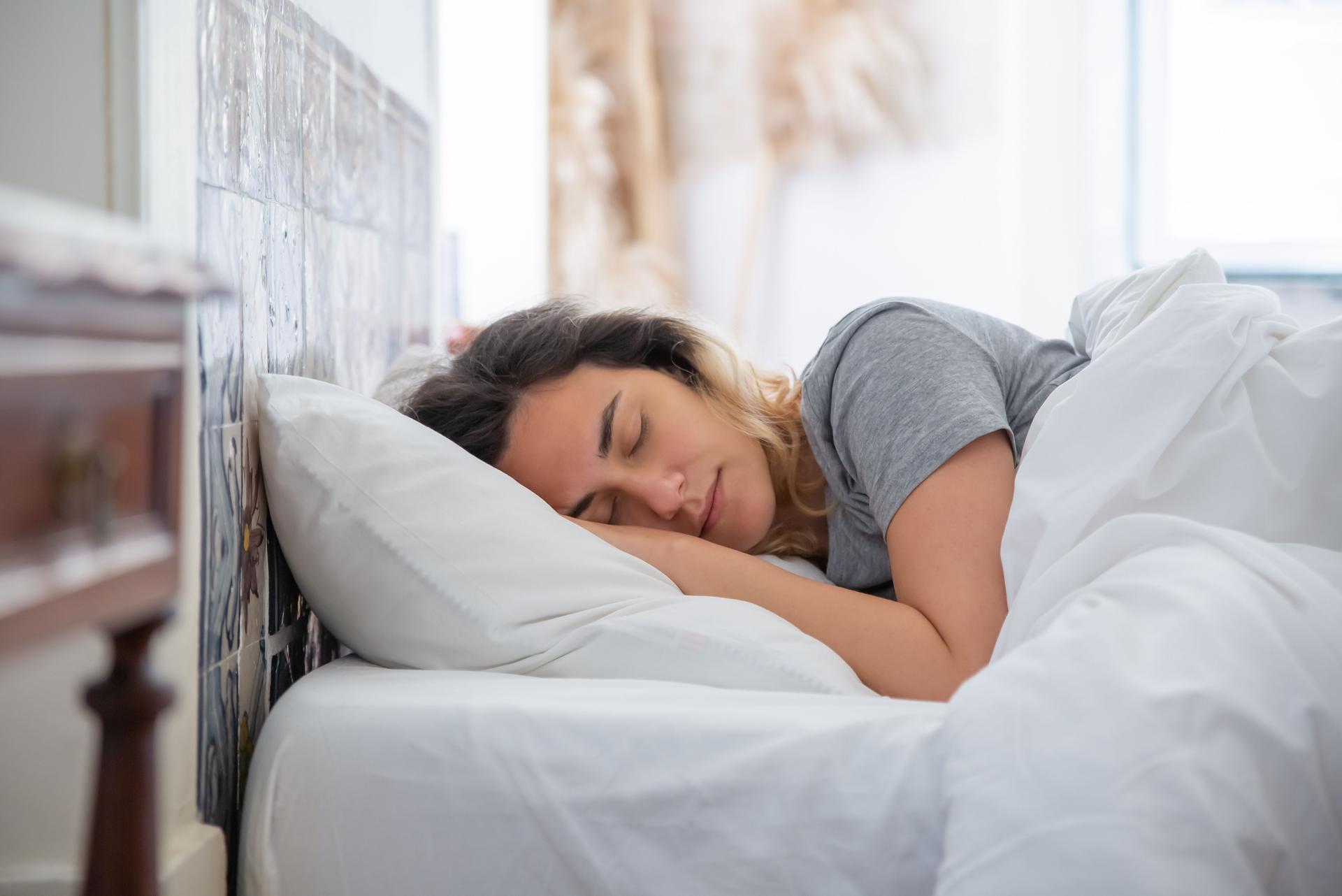
If you sleep on your stomach, you're essentially pressing your face into the pillow all night long. That doesn't just encourage wrinkles — it can also cause puffiness, since lymphatic drainage works more slowly when your head is turned face-down.
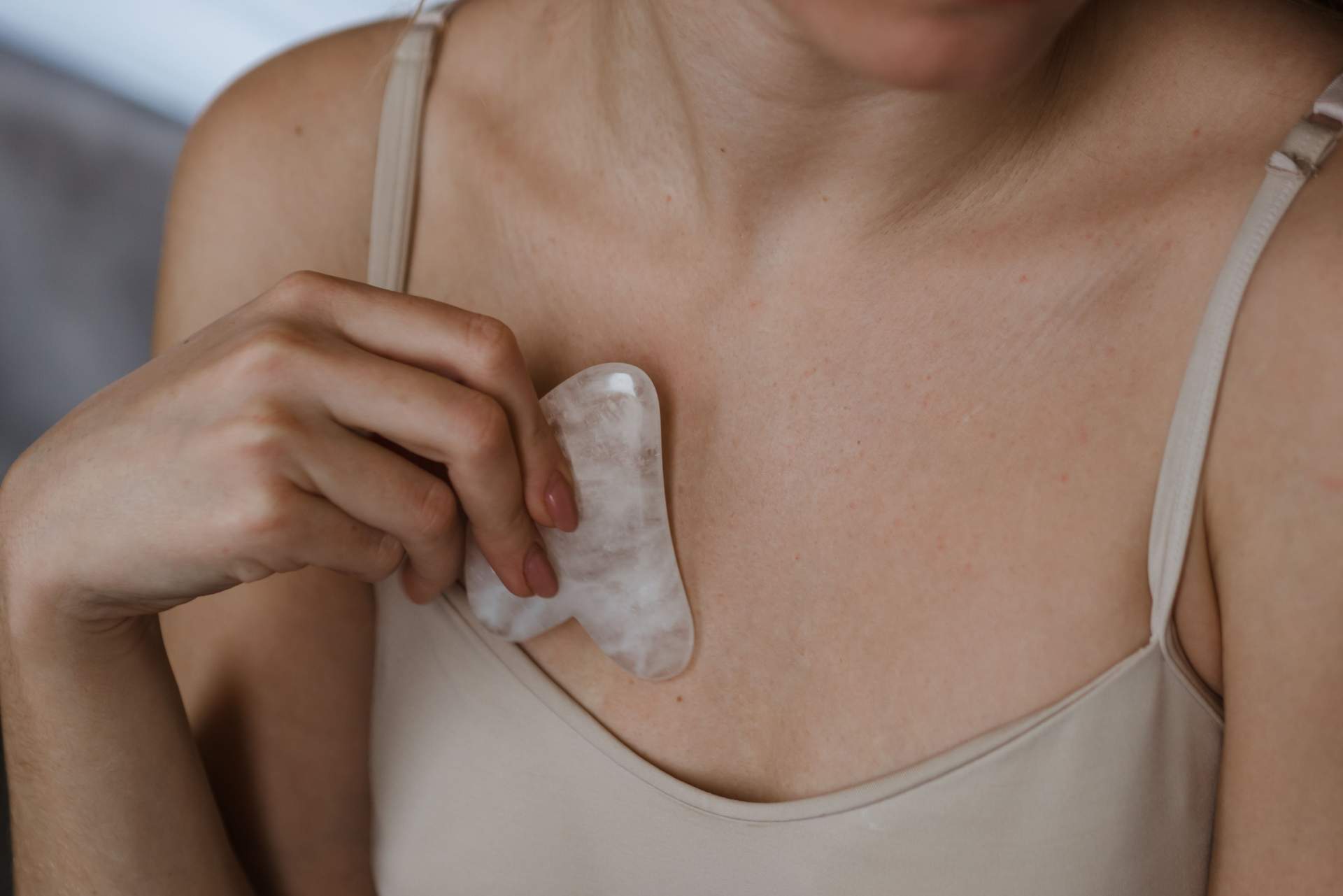
For side sleepers, one side of the face and one side of the chest carry most of your body weight, night after night. That constant, one-sided pressure can deepen expression lines and, over time, even etch faint lines into the skin of the décolletage.
Why sleeping on your back is better
When you sleep on your back, your face rests freely, pressed against nothing — so the skin escapes any mechanical distortion. That's exactly why dermatologists often recommend this position to anyone bothered by morning creases.
In this position, gravity pulls the tissues evenly rather than dragging them in one direction. There's a bonus, too: fluid doesn't pool on one side of the face, so you're less likely to wake up puffy. And here's the part worth remembering — what your skin goes through at night can't simply be undone with a cream the next day.
What to do if you just can't sleep on your back
Plenty of people find it nearly impossible to switch to back sleeping, and that's completely understandable — your sleep position is a deeply ingrained habit. This is where small compromises make a real difference:
- Silk or satin pillowcases: these fabrics create less friction against the skin than cotton, so they reduce the amount of folding — even if they don't eliminate it entirely.
- Switch sides: if you're set on sleeping on your side, try to consciously alternate which side you lie on, so the pressure isn't always loading the same half of your face.
- Anti-wrinkle pillows: there are specially designed pillows with cut-out sections that ease the direct pressure on the face for both stomach and side sleepers.
- Nighttime skincare: a good-quality night cream that supports skin elasticity won't fix the mechanical problem, but it can help take some of the strain off your skin's overnight repair process.
The role of your pillow and mattress
It's not only your position that matters — it's also what you rest your head on. A pillow that's too firm, or one that has already lost its shape, concentrates pressure on specific points. A pillow of the right height, one that also supports your neck, spreads the weight and eases the force reaching your face.
It's worth replacing your pillow every few years, because a worn-out filling no longer holds its shape — it sags exactly where the most pressure lands.
Patience and consistency are everything
Changing your sleep position won't transform your skin overnight. Your skin has spent years, even decades, adapting to the same repeated mechanical pressure.
But if you pay attention to how you settle in each evening and use a few simple aids to reduce the pressure, the long-term difference can be real — in how quickly those pillow lines smooth out each morning, and how deeply they eventually carve themselves into your skin.
Can your sleep position really cause permanent wrinkles?
Yes. Over years of pressing the same part of your face into a pillow, the repeated folding can turn temporary creases into lasting lines, especially as skin loses elasticity with age.
Which sleep position is best for your skin?
Sleeping on your back is considered best, because your face rests against nothing and gravity pulls the tissues evenly. It also helps reduce morning puffiness.
Do silk pillowcases actually help prevent wrinkles?
They can help. Silk and satin create less friction against the skin than cotton, which reduces the amount of folding — though they don't eliminate the pressure completely.
How often should you replace your pillow?
Every few years is a sensible guideline. A worn-out filling loses its shape and sags exactly where the most pressure lands, increasing the strain on your face.