A handful of walnuts, almonds, or a couple of tablespoons of flaxseed contains nutrients that work from the inside out — building skin elasticity more durably than any cream you apply to the surface. The answer to younger-looking skin might be sitting in your kitchen right now.
Why what happens inside your body matters more than what you put on your face
The condition of your skin is largely determined by what goes on beneath it. The flexibility of cell membranes, the quality of collagen, and the level of inflammatory processes all depend on the fatty acids and micronutrients in your diet.
Creams only ever reach the outermost layer of skin. The nutrients found in oily seeds and nuts, on the other hand, work at the cellular level — gradually reshaping the structure of your skin over time.
Walnuts and almonds: a hidden treasure chest of vitamin E
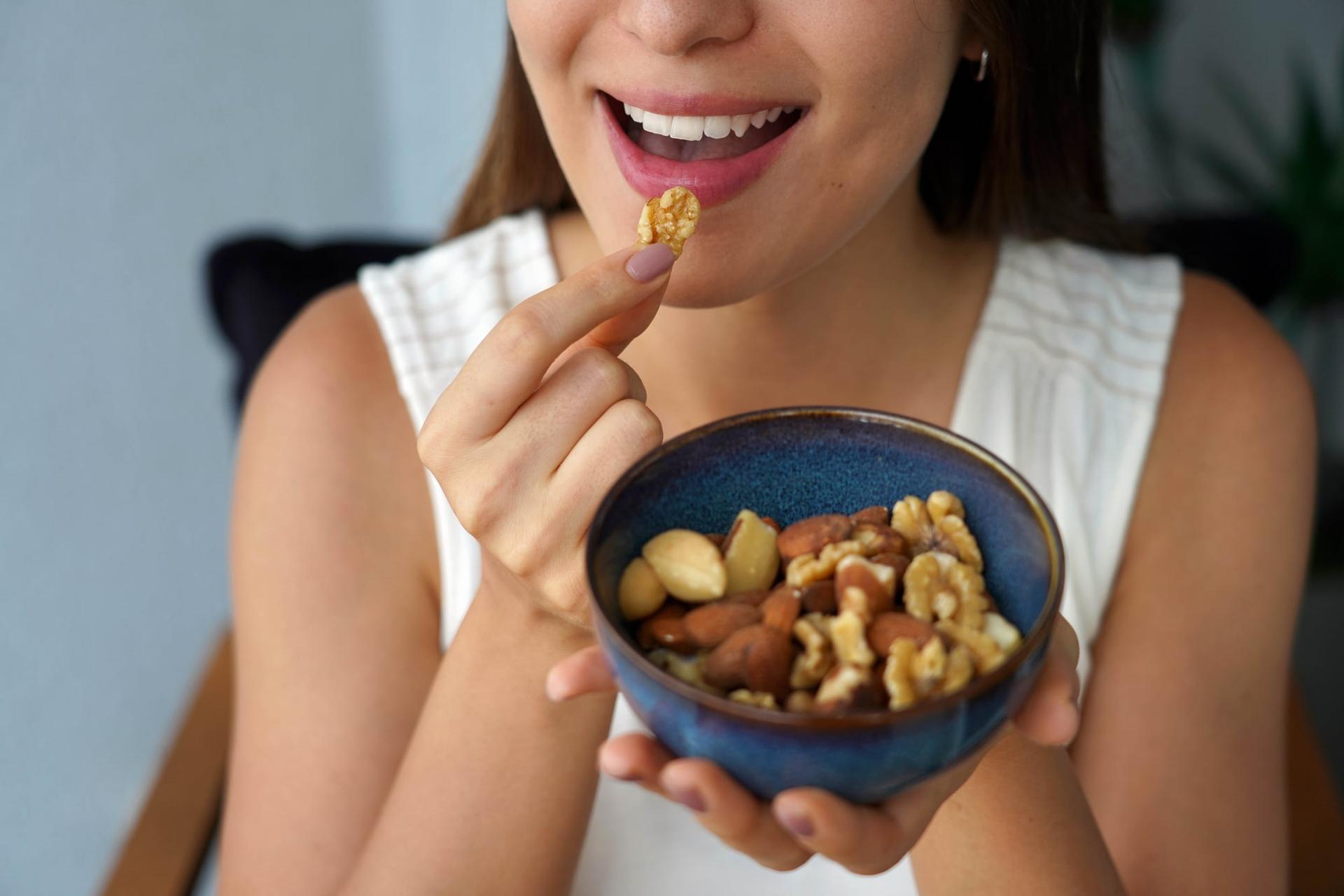
Walnuts and almonds are among the best natural sources of vitamin E — a fat-soluble antioxidant that plays a key role in protecting cell membranes from free radical damage. It's no coincidence that most premium face creams list tocopherol (vitamin E's scientific name) as a core ingredient.
Almonds are also rich in copper, which supports the formation of elastin and collagen fibers. This helps skin stay firmer for longer — not because something is filling it in from the outside, but because the building blocks are actually there.
Flaxseed and chia seeds: the omega-3 boost your skin craves
Dehydration and inflammation are two of the biggest drivers of wrinkle formation. Flaxseed and chia seeds are packed with omega-3 fatty acids, which help maintain the skin's lipid barrier — keeping moisture in and irritants out.
People who eat omega-3-rich foods regularly tend to have smoother, less tight-feeling skin that holds onto its natural glow, even during dry winter months. It's a subtle difference, but over time it becomes a visible one.
Hazelnuts and sunflower seeds: the underrated zinc and selenium duo
They don't get nearly as much attention as the trendier chia seed, but hazelnuts and sunflower seeds have serious skin benefits of their own. Zinc is essential for cell renewal and wound healing — when levels are low, skin tends to look tired and uneven.
Selenium, meanwhile, supports antioxidant enzymes that neutralize free radicals, helping to slow down the process we simply call aging. Both minerals are easy to overlook, but hard to replace.
How much do you actually need — and when is the best time to eat them?
No dramatic diet overhaul required. In fact, eating too many oily seeds can work against you, since they're calorie-dense. A small handful — around 1 oz (25–30 grams) per day — is enough to meaningfully boost your intake of vitamin E, zinc, and healthy fatty acids.
The best time to eat them is at breakfast, stirred into yogurt or oatmeal. That way the nutrients are absorbed steadily throughout the day rather than in one concentrated hit.
What to look for when buying them
Salted, sugar-coated, or heavily roasted nuts and seeds found on supermarket shelves offer a fraction of the nutritional value of their raw or lightly toasted, unsalted counterparts. The fatty acids in oily seeds are also sensitive to light and heat — they go rancid quickly when stored poorly.
Buy in small quantities, store in an airtight container in a cool, dark spot, and always check for freshness. If they smell nutty and taste crisp — not bitter or stale — their valuable compounds are likely still intact.
A solid skincare routine still has its place, and good creams and serums genuinely help. But it's hard to outrun what your body is — or isn't — getting on the inside. A handful of walnuts or a spoonful of flaxseed won't erase every wrinkle overnight. But consistency, over time, will show on your face.
Can eating seeds really replace anti-aging skincare products?
Not entirely — creams and serums still play a useful role. But oily seeds work at the cellular level, supporting collagen, elastin, and hydration in ways that topical products simply cannot reach.
How long does it take to see results from eating more nuts and seeds?
Skin cells renew gradually, so visible improvements typically take several weeks to a few months of consistent daily intake. The effects build over time rather than appearing overnight.
Are roasted nuts just as good as raw ones for skin benefits?
Lightly toasted versions are fine, but heavily roasted, salted, or flavored nuts and seeds lose much of their nutritional value. Raw or minimally processed varieties are the better choice for skin health.
Is a handful a day really enough, or do you need to eat more?
Around 1 oz (25–30 grams) per day is sufficient to meaningfully enrich your diet with vitamin E, zinc, and healthy fatty acids. Eating more doesn't offer extra benefits and adds significant calories.