You take your iron supplement faithfully for months, then the next blood test shows almost the exact same number as before. The frustration is completely understandable — but here's the thing: the problem is rarely the iron itself.
Why iron isn't enough on its own
Iron is absorbed in the small intestine, and it's a surprisingly delicate process. Plant-based iron — the so-called non-heme iron — exists in an oxidized form that struggles to cross the intestinal wall.
Before your body can actually use it, it needs to be converted into a reduced state, and that step requires help. If it doesn't happen, most of the iron you swallow simply passes through your system without ever being put to work.
Vitamin C: the key that unlocks the cells
Vitamin C is one of the best-documented allies in this process. Thanks to its chemical structure, it converts ferric iron into the ferrous form — the type your intestinal cells can actually absorb.
It also forms a complex with iron, which keeps it stable in the acidic environment of the stomach before it reaches the small intestine.
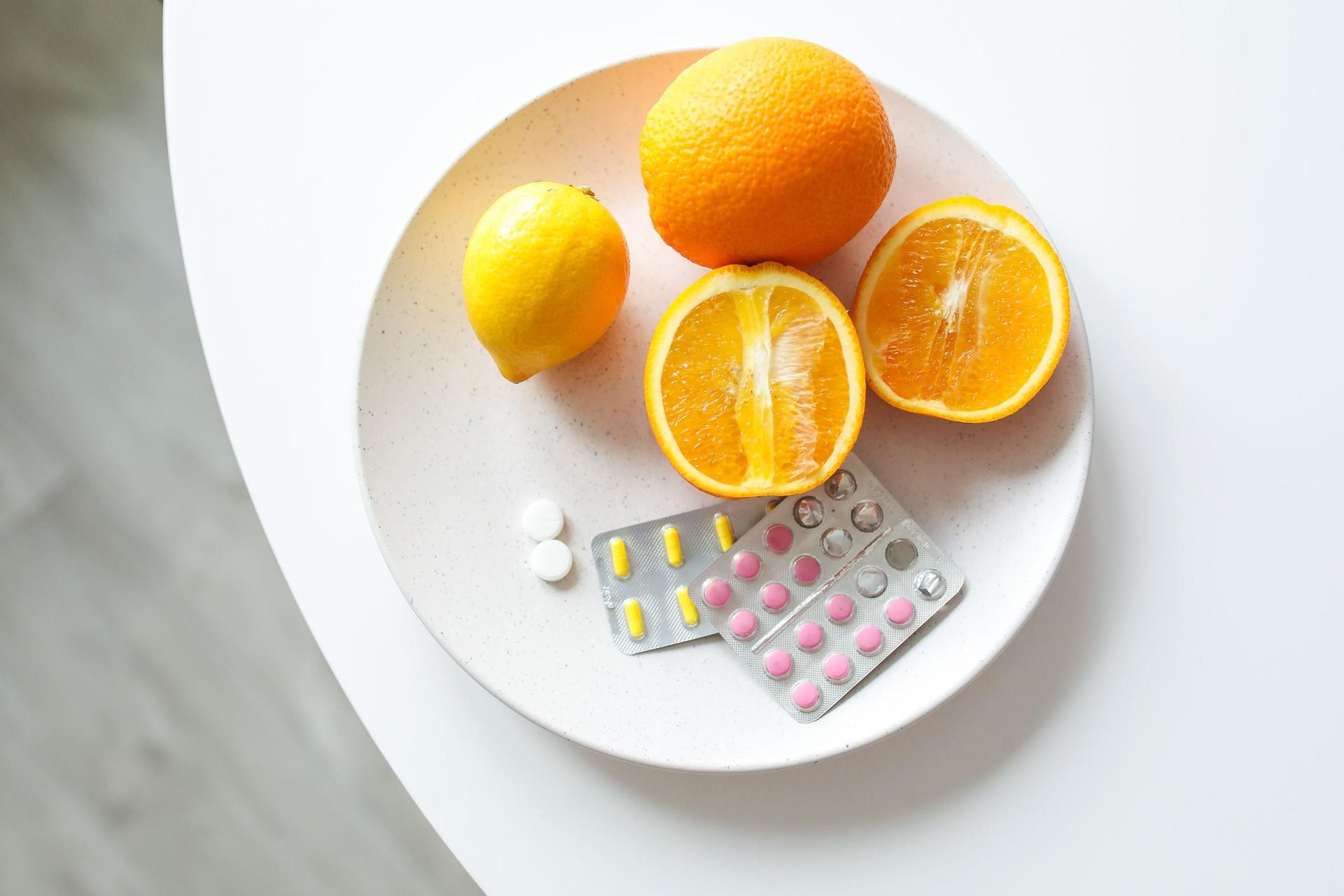
In practice, this means that a glass of freshly squeezed citrus juice or a serving of bell pepper alongside an iron-rich meal can meaningfully boost absorption.
The reverse is also true: if you regularly wash your iron down with strong tea or coffee, the tannins they contain can block absorption — and even dampen the effect of vitamin C.
Vitamin B12 and folic acid: not for absorption, but for results
Here it's worth clearing up a common misunderstanding. Vitamin B12 and folic acid don't help your gut absorb iron the way vitamin C does. Instead, they are essential players in the production of red blood cells.
Red blood cells mature in the bone marrow through a multi-step process, and DNA synthesis at that stage depends on both of these vitamins.
So if someone's iron levels are fine but they also have a B12 or folic acid deficiency, the body still can't build healthy, functional red blood cells. In that case, the blood picture can show symptoms strikingly similar to classic iron deficiency: fatigue, paleness, trouble concentrating.
That's exactly why someone might take iron for weeks while the real shortfall lies somewhere else entirely.
What to do in everyday life
- Pair your iron supplement or iron-rich meal with a source of vitamin C — think citrus fruit, kiwi, or bell pepper.
- Don't drink coffee, tea, or dairy right alongside your iron intake — leave at least an hour or two in between.
- If fatigue and paleness persist despite supplementing, get your B12 and folic acid levels checked too, not just your iron.
- In your diet, B12 comes mainly from animal-based foods, while folic acid comes from leafy green vegetables and legumes — so on a varied diet, severe deficiency is less common.
Treating iron deficiency, then, is rarely a matter of a single tablet. The body works like a finely tuned machine: if one part is missing, the rest starts to stutter too — even when everything appears to be in place.
Why isn't my iron supplement working?
Most likely because iron alone isn't enough. Plant-based iron needs to be converted into an absorbable form, and without enough vitamin C that step often doesn't happen — so much of the iron simply passes through.
How does vitamin C help iron absorption?
Vitamin C converts iron into the form your intestinal cells can actually take up, and it forms a complex that keeps iron stable in the stomach. Pairing iron with citrus, kiwi, or bell pepper can meaningfully improve absorption.
Do B12 and folic acid help absorb iron?
No — unlike vitamin C, they don't improve iron absorption. Instead, they're essential for producing healthy red blood cells, which is why a deficiency can mimic the symptoms of iron deficiency.
Why should I avoid coffee and tea with iron?
Coffee and tea contain tannins that block iron absorption and can even reduce the benefit of vitamin C. Leave at least an hour or two between your iron intake and these drinks.
Which foods provide B12 and folic acid?
B12 comes mainly from animal-based foods, while folic acid is found in leafy green vegetables and legumes. On a varied diet, severe deficiency in either is less common.