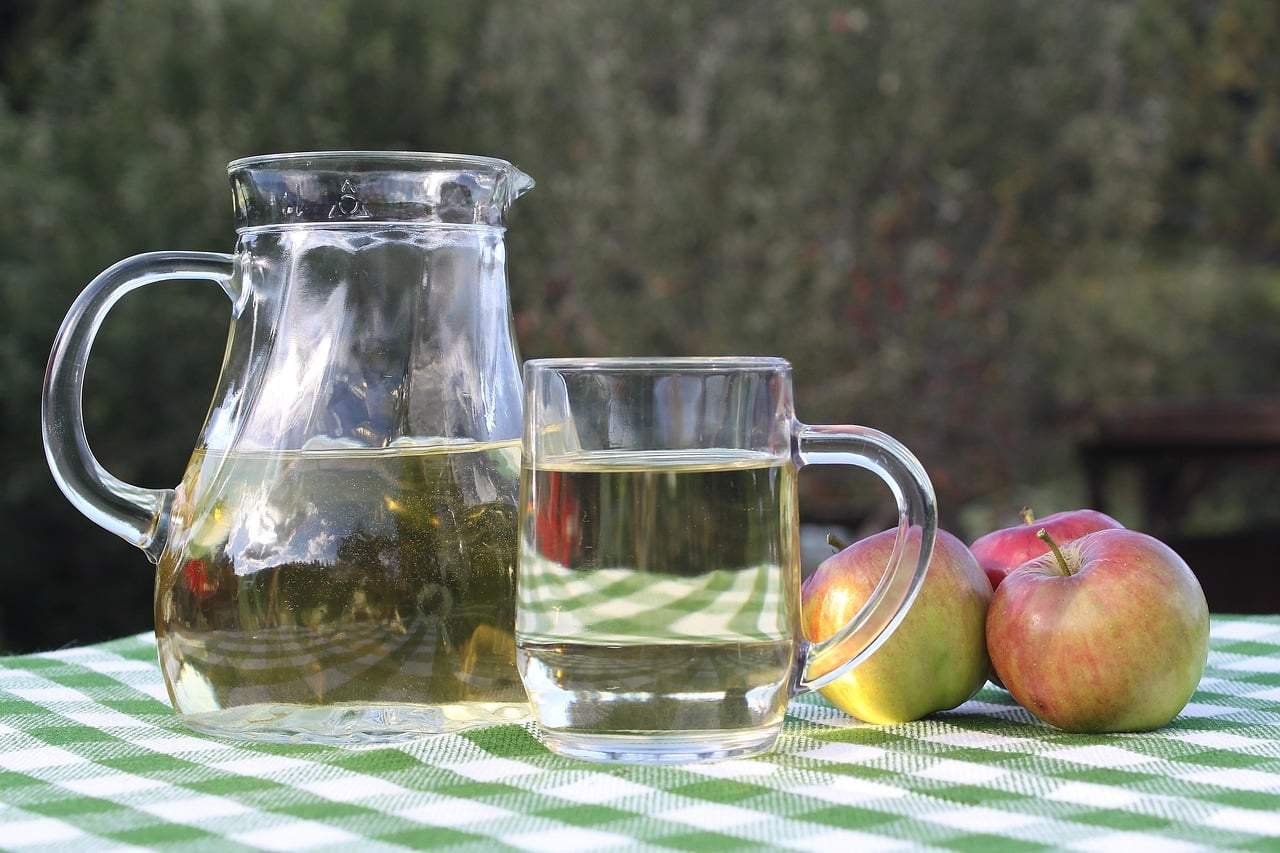
Chamomile tea has been a trusted home remedy for generations — reached for when someone's stomach hurts, sleep won't come, or a quiet half hour with a warm mug is just what's needed. It's gentle, caffeine-free, and genuinely enjoyable. But are you actually getting the most out of it?
Among herbal teas, chamomile is one of the most popular — and for good reason. It's widely available, easy to prepare, and suits almost everyone. Still, a few small habits can make a big difference in how effective it really is.
What chamomile tea actually does
The secret lies in the flower itself. Chamomile contains essential oils and flavonoids that give it its characteristic calming, anti-inflammatory properties. Many people drink it as an evening ritual — and rightly so. It can help the body and mind unwind after a long day, making it easier to fall asleep.
It's also traditionally used to support digestion. A cup after a heavy meal can ease bloating, mild stomach cramps, or that uncomfortable full feeling. For many people, it's a gentle reset for the digestive system.
Beyond drinking it, chamomile has well-known topical uses too — as a warm compress on irritated skin or tired eyes, or as a gargle for a sore throat. That said, chamomile tea is not a substitute for medical treatment. Think of it as a pleasant, natural addition to your daily routine — not a cure.
How to brew it properly
Chamomile tea is simple to make, but a few small details can help you get far more out of it.
- Use dried chamomile flowers — loosely dried, not powdered — as they retain more of their essential oils.
- For one mug (around 8–9 oz / 250 ml), one to two teaspoons of flowers or one tea bag is enough.
- Don't pour boiling water directly onto the flowers. Let the water cool for a minute or two first — water that's too hot can evaporate the delicate essential oils before they steep.
- Cover the mug and let it steep for at least 8–10 minutes so the active compounds fully infuse into the water.
- Strain it, then sweeten with a little honey or a squeeze of lemon if you like.
If you want a fresher, lighter flavor, try brewing with fresh chamomile flowers — they can be found in many gardens or meadows in summer. Just make sure you're picking true chamomile and not a similar-looking wildflower.
The best time to drink it
Chamomile tea plays a different role depending on when you drink it — and timing genuinely matters.
For its sleep-supporting effect, drink it about 30 to 60 minutes before bed. That gives the compounds enough time to work before your head hits the pillow. If you want to use it for digestion, drink it warm after a larger meal — that's when it works best.
During the day, chamomile is perfectly fine to enjoy at work or in the afternoon. Since it contains no caffeine, it won't disrupt your sleep even if you drink it late in the day. Some people also enjoy it in the morning, though at that hour it tends to feel more refreshing than relaxing.
Who should be a little more careful
Chamomile is generally very well tolerated, but there are a few situations where it's worth being cautious. If you have a known allergy to plants in the daisy family — including ragweed, ambrosia, or chrysanthemum — chamomile may trigger a reaction, as it belongs to the same botanical family.
During pregnancy or breastfeeding, and when taking certain medications, it's best to check with your doctor before drinking it regularly. Herbal remedies may seem harmless, but they can still interact with the body in meaningful ways.
It's also worth buying chamomile from a trusted source — a pharmacy or specialist herb shop — to make sure you're getting clean, uncontaminated flowers with consistent quality.
Frequently asked questions about chamomile tea
How long before bed should I drink chamomile tea?
Ideally, drink it about 30 to 60 minutes before going to sleep. This gives the active compounds enough time to take effect by the time you're ready to rest.
Can I drink chamomile tea every day?
For most healthy adults, daily chamomile tea is perfectly fine. It's caffeine-free and gentle on the body. If you're pregnant, breastfeeding, or taking medications, it's a good idea to check with your doctor first.
Does chamomile tea really help with digestion?
Traditionally, yes — a warm cup after a heavy meal is widely used to ease bloating and mild stomach discomfort. It's a gentle, natural option, though it's not a medical treatment for digestive conditions.
Why should I cover the mug while the tea steeps?
Covering the mug traps the steam and keeps the essential oils — which are responsible for much of chamomile's benefit — from evaporating during steeping. It's a small step that makes a real difference.