There is a particular kind of tiredness that arrives at the end of August, and it has nothing to do with how much you've done. It comes from a flat that absorbed heat all day and then hands it back to you at eleven at night, when the walls are still warm to the touch and the bedroom smells faintly of hot dust. There's been a lot of talk this summer about nights that don't cool down as much as they used to, and whatever the meteorology, the lived experience is the same: you go to bed hot, you wake at three, and by morning you're negotiating with a child who also didn't sleep.
I've stopped treating this as a personal failure to relax. A flat that holds heat is a physics problem, and physics responds to sequence and timing far better than it responds to good intentions.
The day decides the night
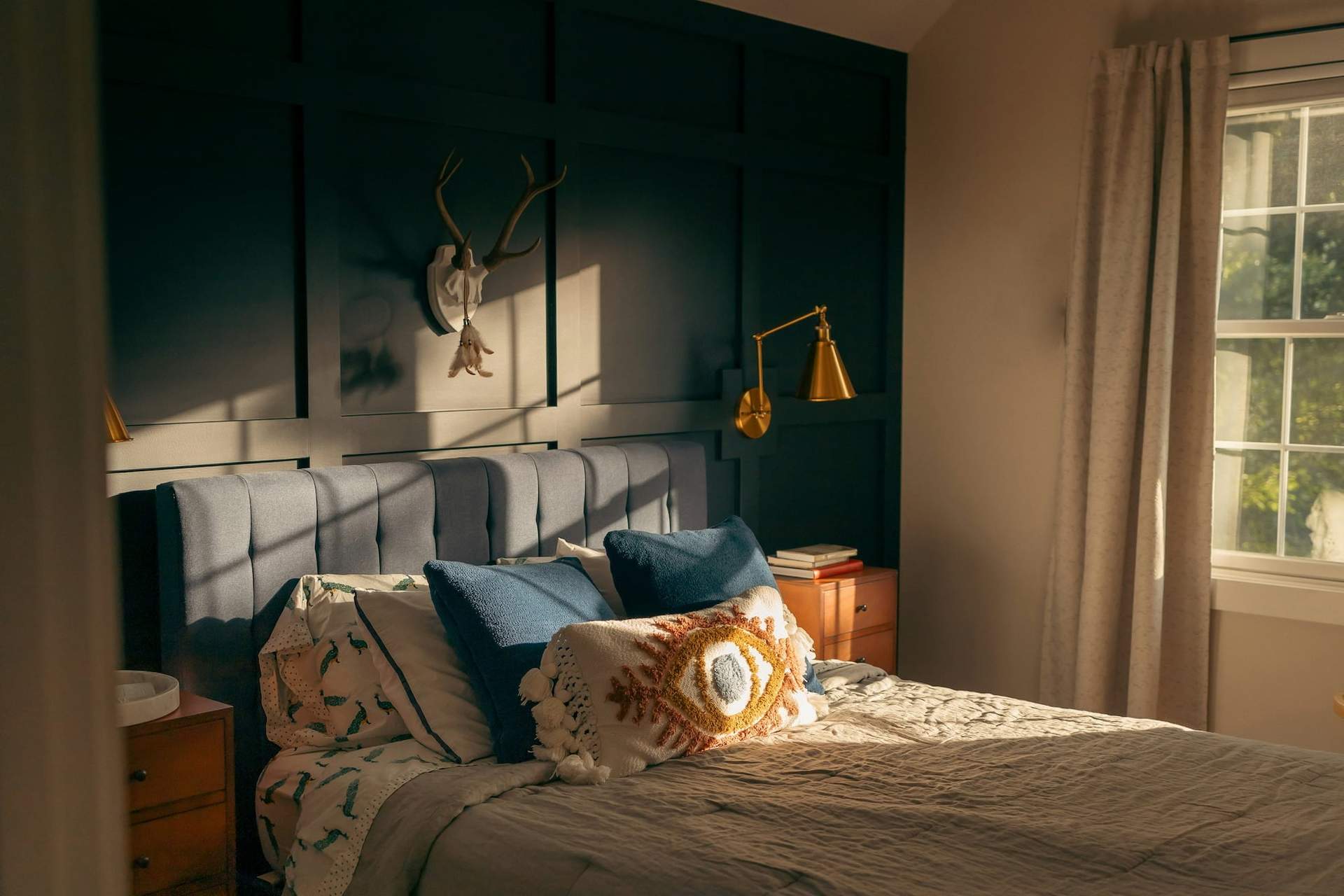
Almost everything that makes a bedroom bearable at midnight happens before noon. Heat enters through glass, so the single most useful habit is closing your blinds, curtains or shutters on the sunny side of the flat before the sun reaches the window — not after the room has already warmed. If you have external shutters, use them; they stop heat before it gets in, which is worth far more than any curtain. Pale, lined curtains help; a sheet pinned over a west-facing window on the worst days is not elegant, but nobody is judging.
Then close the windows. This feels wrong, because instinct says air movement equals coolness, but if the air outside is hotter than the air inside, an open window is a heater. Shut the flat up mid-morning, live in the dim, and treat it like a cave until the outside temperature drops below the inside one — usually late evening. That's when you throw everything open and cross-ventilate: windows on opposite sides, internal doors wedged, a fan placed in one window pointing outwards to pull the day's heat out rather than stirring it around.
Also worth remembering: your appliances are small radiators. Ovens, tumble dryers and dishwashers left to dry with the door closed all add warmth to a room you're about to sleep in. In a heat spell we eat cold food, run the dishwasher overnight, and dry laundry on a rack by the open window after dark, where it cools the air slightly as it evaporates.
The bed, not the room
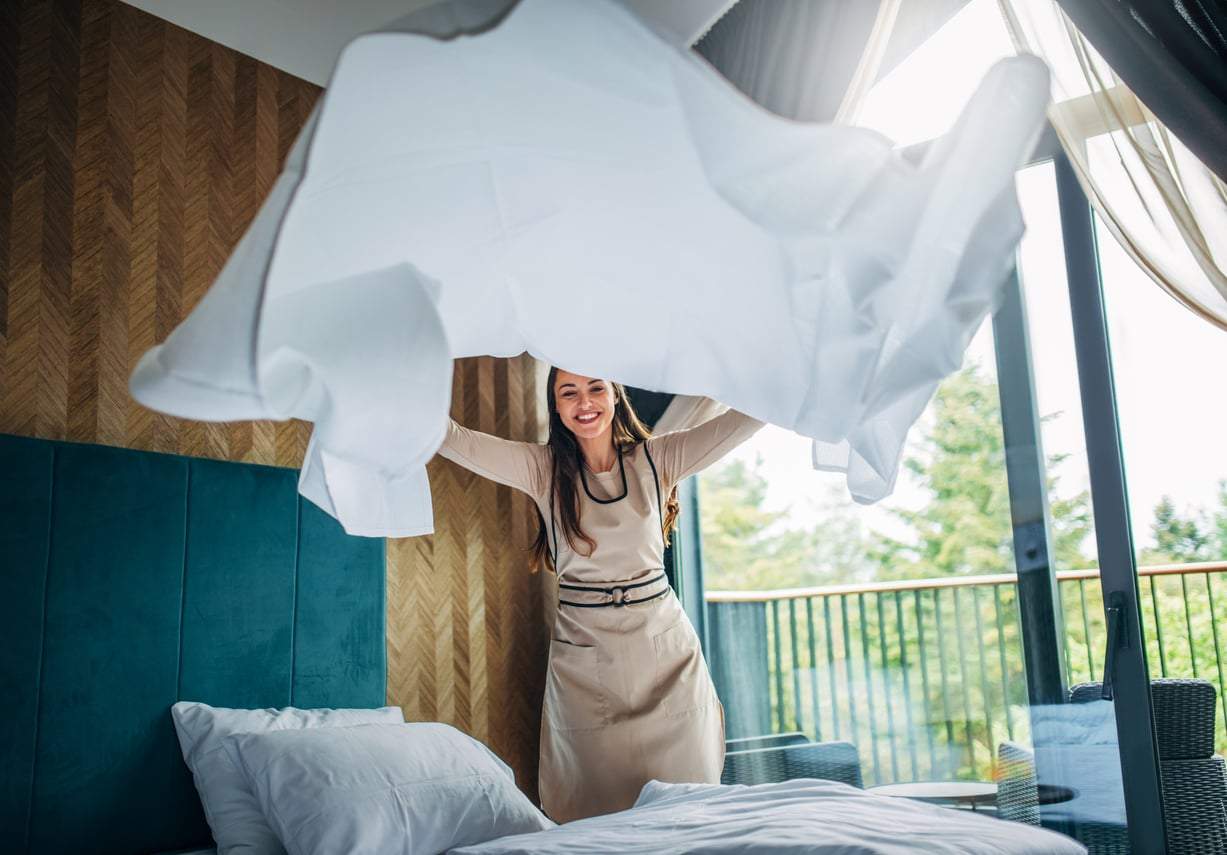
You cannot cool a whole flat with a fan, but you can cool the small volume of air around one sleeping body. Strip back to one thin cotton or linen sheet; heavy duvet covers trap heat even without the duvet inside. Swap synthetic pillow protectors for cotton, because a plasticky pillow is the reason your face is damp at two in the morning.
Two things I do every hot night. First, a lukewarm shower before bed — not cold, which makes the body rebound and produce heat, but tepid, ending with cool water on wrists and the back of the neck. Second, a fan set low and angled across the bed rather than straight at your face, so the air moves without drying out your throat. A frozen water bottle wrapped in a tea towel at the foot of the bed is a genuinely effective trick for children, who will kick it away by morning and sleep anyway.
Children, evenings and lowered expectations
Hot nights break bedtime routines, and fighting to preserve the usual timetable costs more than it saves. We move dinner earlier and make it cold: bread, cheese, tomatoes, cucumber, yoghurt, fruit from the fridge. Bath becomes a short cool rinse. Pyjamas become a T-shirt, or nothing. If a child wants to sleep on a folded sheet on the floor of the coolest room, that is not a regression, it's sensible thermodynamics — floors are cooler than mattresses.
And I let the evening get later and slower rather than tighter. We sit on the balcony in the dark with cold water and no screens, because screens make everyone hotter and more awake. Nobody is at their best in a heat spell, and naming that out loud — "we're all a bit horrible today, it's the heat" — takes the sting out of the snapping.
Why do hot nights feel worse than hot days?
Because falling asleep depends on your body temperature dropping slightly, and warm air makes that drop harder to achieve. A hot afternoon you can escape with shade and a cold drink; a hot bedroom asks your body to do something physiological while working against it, which is why you can be exhausted and still wide awake at three in the morning.
When should I take heat more seriously than just uncomfortable?
Heat stops being a nuisance and becomes a health matter when someone has a headache that won't lift, stops sweating, becomes confused, dizzy or stops needing the bathroom — and older relatives, babies, pregnant women and anyone on regular medication are more vulnerable than the rest of us. If you're worried about someone, cool them down, get fluids in and speak to a medical professional rather than waiting it out. Checking on a neighbour who lives alone during a hot spell costs you five minutes and is often the most useful thing anyone does all week.