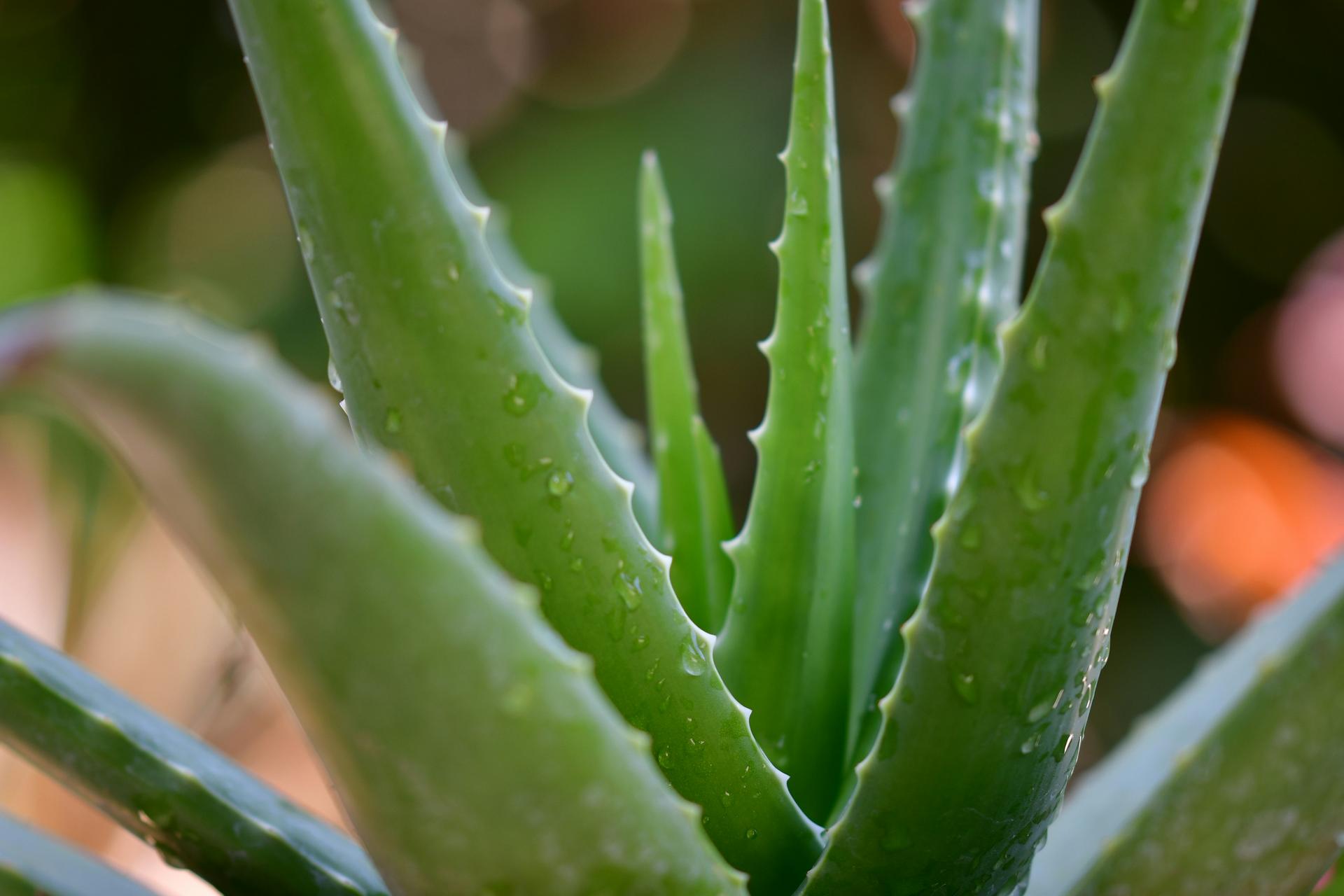
There's a reason aloe vera has been one of the most trusted plants in homes for centuries. That thick, gel-filled leaf isn't just for show — it's packed with vitamins, amino acids, and antioxidants that work hard for your skin, hair, and overall wellbeing. And the best part? It practically takes care of itself.
What exactly is aloe vera?
Aloe vera is a succulent plant that stores water — and that prized clear gel — inside its thick, spiky-edged leaves. The gel is remarkably rich in moisture and active compounds, making it one of the most versatile natural ingredients found in skincare, haircare, and wellness products worldwide. Originally native to warm, dry climates, aloe vera adapts well to life indoors as long as it gets enough light.
Skincare: the most well-known use
Aloe vera gel has been used for generations to soothe sunburned skin, and the cooling relief it delivers is almost instant. Apply a thin layer to irritated or sun-exposed skin and you'll feel the difference within minutes.
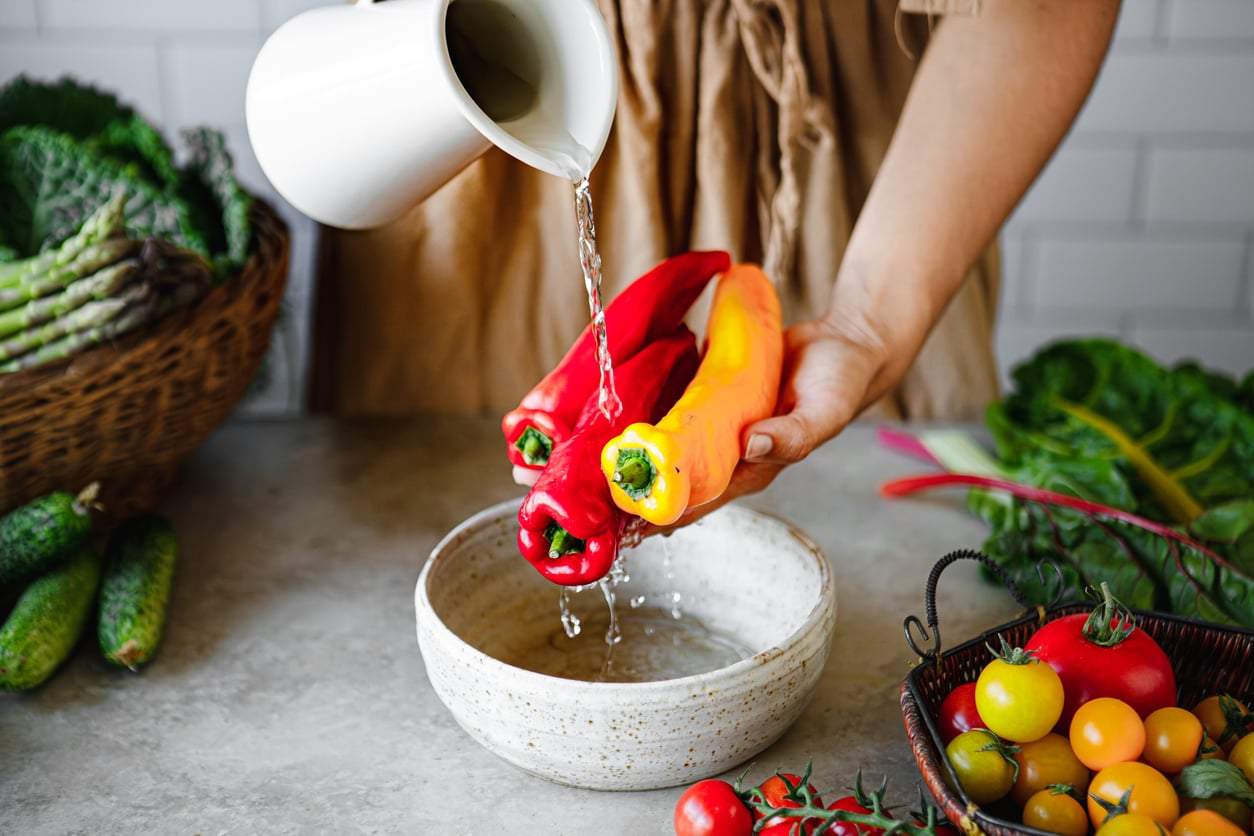
It also works beautifully as an evening moisturizer. Its lightweight texture absorbs quickly without leaving a greasy residue, helping your skin hold onto its natural moisture balance overnight. If you're extracting the gel fresh from a leaf, rinse the outer leaf thoroughly first, then store the gel in the refrigerator — at room temperature it degrades quickly.
Hair and scalp care
Massaged into the scalp, aloe vera gel can help reduce itchiness and dry flaking — a gentle, natural alternative to medicated treatments. When applied along the hair shaft, it adds a subtle softness and light shine. Many people use it as a pre-shampoo treatment: apply, leave it on for a few minutes, then rinse thoroughly before washing as normal.
Taking it internally: what you need to know
Aloe vera drinks and dietary supplements are growing in popularity, but this is one area where it pays to be careful. The yellowish latex layer found between the outer leaf and the inner gel has a powerful laxative effect — which is why reputable commercial aloe vera drinks always remove it during processing.
If you want to try aloe vera internally, choose only products specifically formulated for consumption — purified, clearly labelled, and from a trusted brand. It's also worth speaking to your doctor first, especially if you have a chronic condition or take regular medication, as aloe vera can interact with certain drugs.
How to grow aloe vera at home
As houseplants go, aloe vera is wonderfully low-maintenance. Place it somewhere bright but away from harsh direct midday sun, and plant it in loose, well-draining soil — sitting in waterlogged soil is the fastest way to kill it through root rot.
Let the soil dry out completely between waterings. In winter, once or twice a month is usually enough. It's a plant that genuinely thrives on a little neglect.
If a leaf gets damaged or snaps off, don't throw it away — you can use the fresh gel immediately.
What to look for when buying aloe vera products
The quality of store-bought aloe vera gels and drinks varies enormously. When shopping, look for products where aloe vera appears near the top of the ingredients list — that tells you it's actually present in a meaningful amount. Avoid products loaded with artificial colorings or synthetic fragrances. Pure, additive-free aloe vera gel should be clear or very slightly yellowish, with a thick but non-sticky consistency.
Is aloe vera safe for everyone to use on their skin?
Aloe vera is well tolerated by most skin types, but if you have sensitive skin or a known plant allergy, it's wise to do a small patch test before applying it more widely. The gel itself contains no harsh chemicals, but individual reactions can vary.
Can I use the gel straight from a leaf I've grown at home?
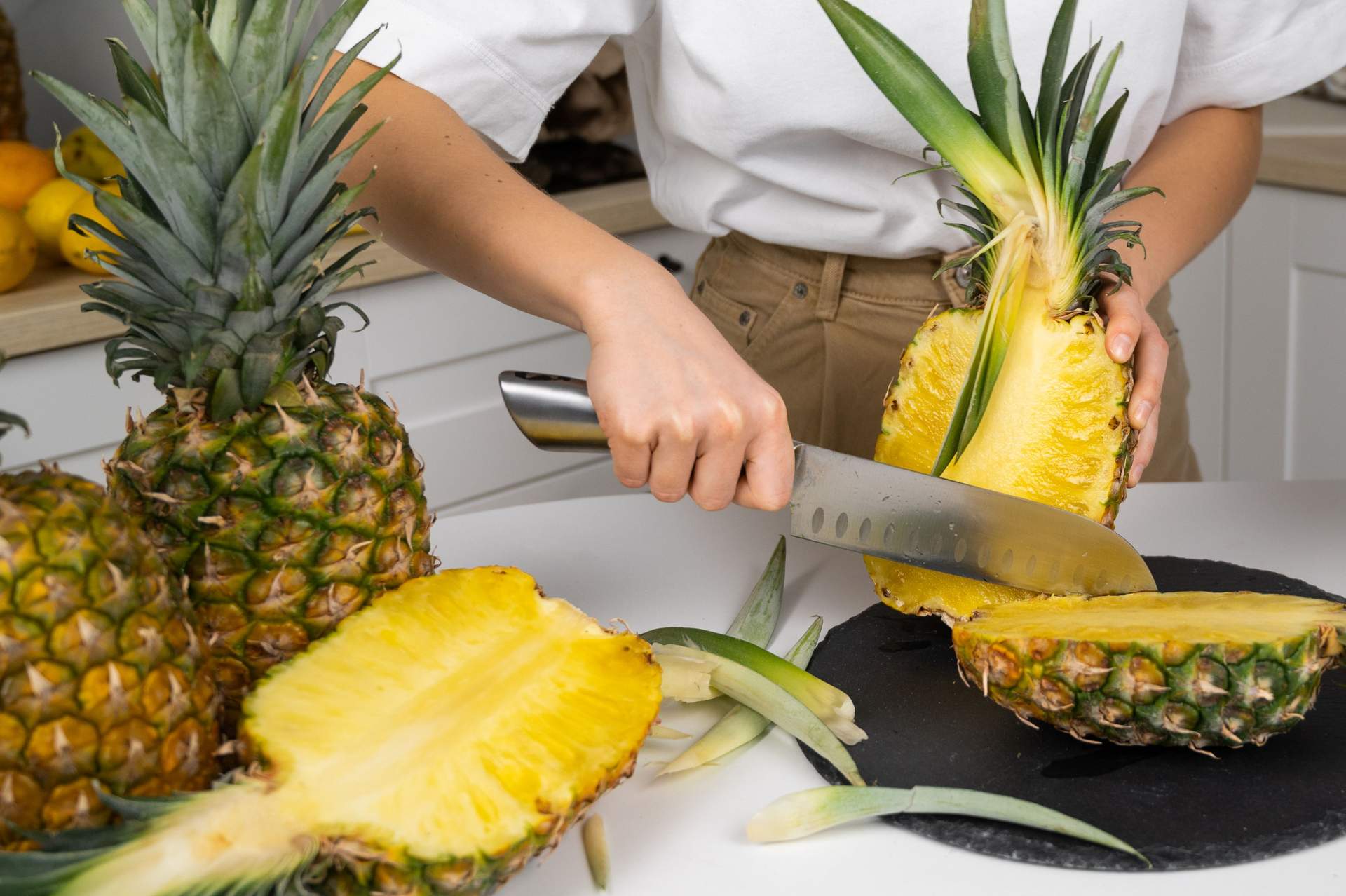
Yes — fresh gel from a home-grown leaf is perfectly usable. Rinse the outer leaf well, cut it open, and scoop out the clear gel inside. Store any unused portion in the refrigerator in a sealed container and use it within a few days, as it deteriorates quickly at room temperature.
How often should I water my aloe vera plant?
Less often than you might think. Allow the soil to dry out completely between waterings — overwatering is by far the most common mistake. In summer, every two to three weeks is typically sufficient; in winter, once or twice a month is plenty.
Does aloe vera really help with sunburn?
The cooling and soothing effect of aloe vera gel on sunburned skin is one of its most well-established uses. Its high water content and anti-inflammatory compounds help calm redness and reduce discomfort, making it a practical first-response remedy for mild sun exposure.