Late summer is the quiet golden window most people walk right past. Right now, the fields and roadsides are full of herbs at their peak — and if you gather them today, you'll be reaching for your own soothing tea when the first cold snap arrives.
These five plants are worth knowing because each one gives you something different: one calms inflammation, another supports your body's fluid balance, others strengthen immunity or quiet a restless mind. Here's when and how to reach for each one.
Yarrow — the wound-healer that grows almost everywhere
Yarrow is best harvested in August, when its white or pale-pink flower clusters have fully opened but haven't yet turned brown. Gather it on a dry, sunny morning, once the dew has lifted — damp stems tend to spoil during drying.
Cut the flowering tops in pieces about 15–20 centimeters long (6–8 inches), tie them into small bunches, and hang them upside down in a shady, airy spot. In traditional herbal practice, yarrow has been a staple of digestive and blood-settling teas for centuries. In winter, a hot cup can be a welcome companion after a heavy meal.
Field horsetail — the mineral treasure of old remedies
Field horsetail should also be collected by mid-August, before the plant starts to turn woody. Cut the leafy, jointed stems a few centimeters above the soil, then spread them in a thin layer on paper or a clean kitchen towel to dry. Turn them often so they don't start to mold.
Thanks to its high silica and mineral content, horsetail became a favorite in tea blends aimed at healthy hair and nails, as well as in drinks traditionally sipped to ease the strain that winter puts on connective tissue and bones.
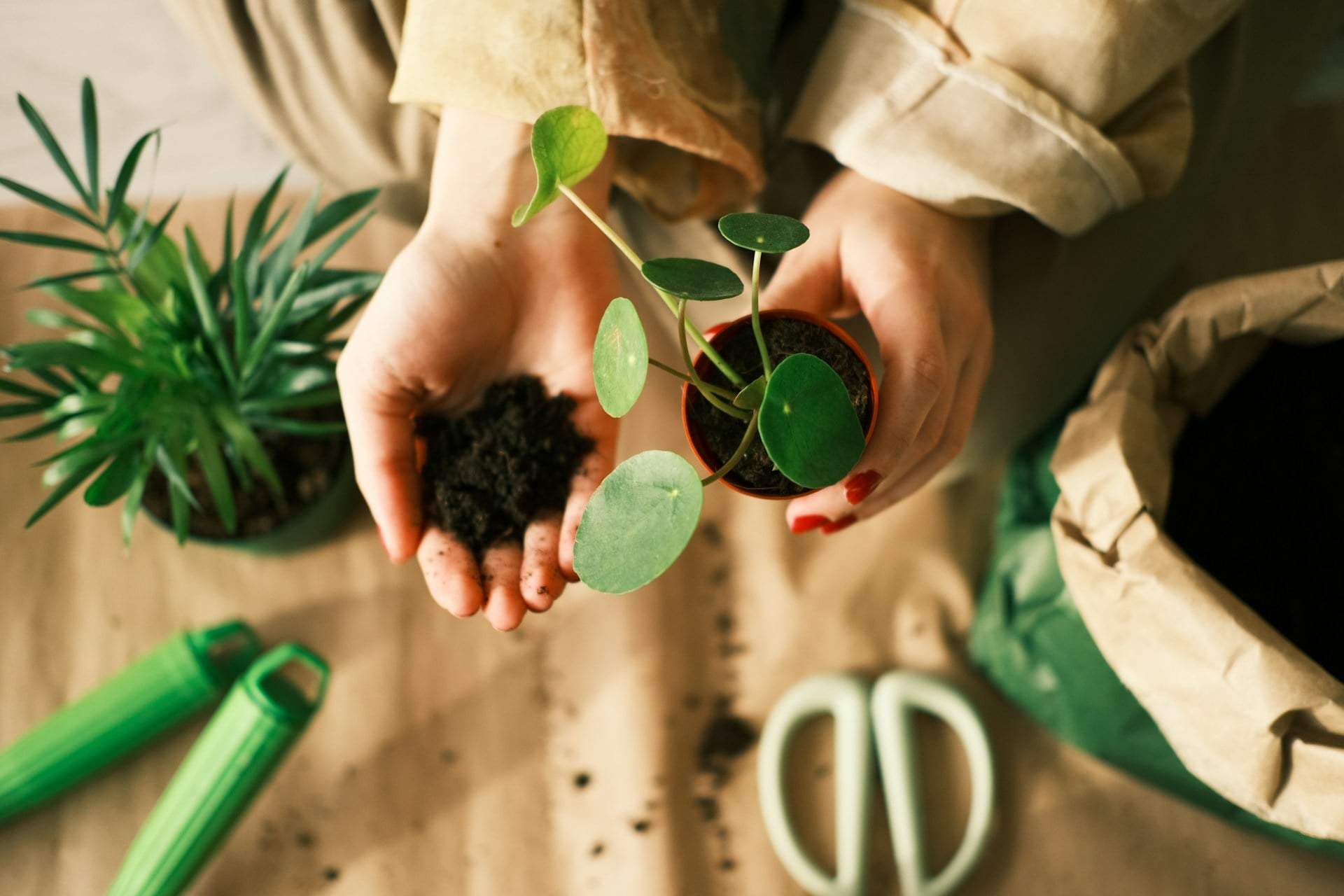
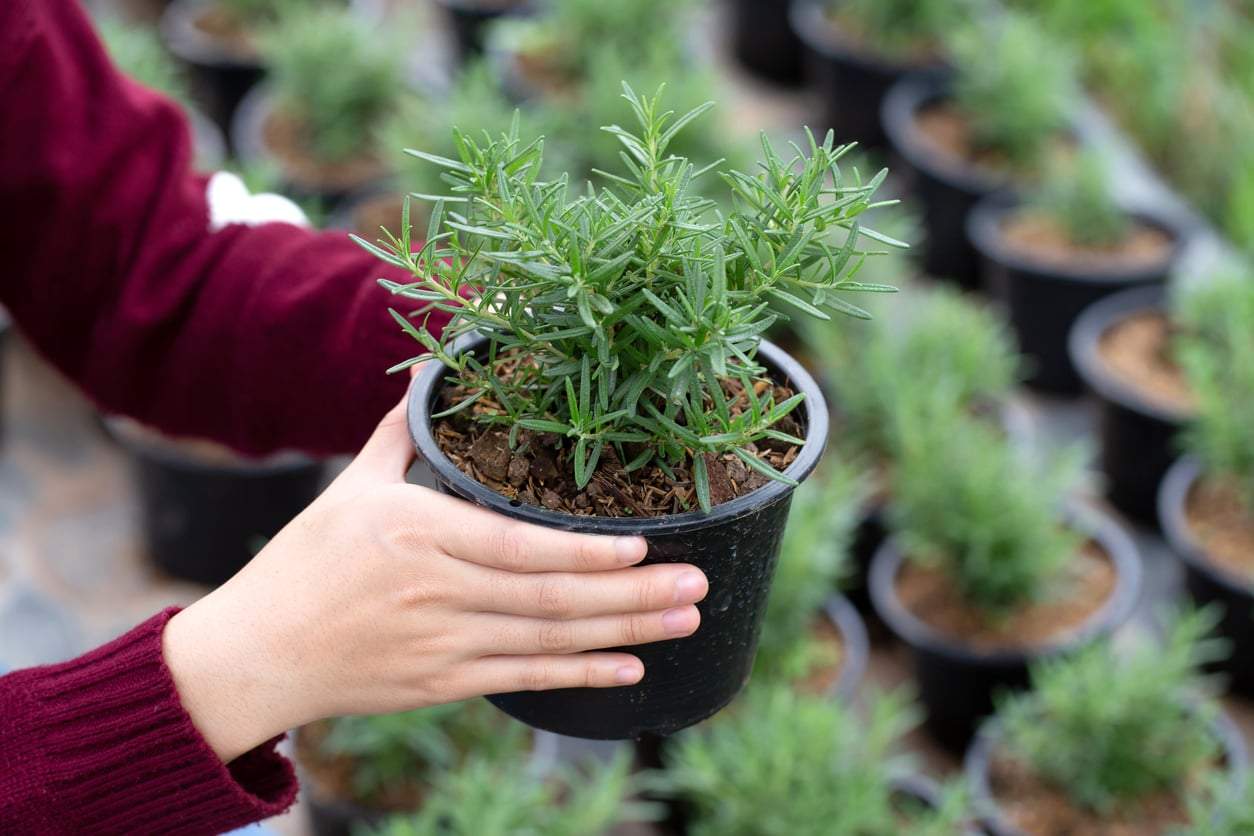
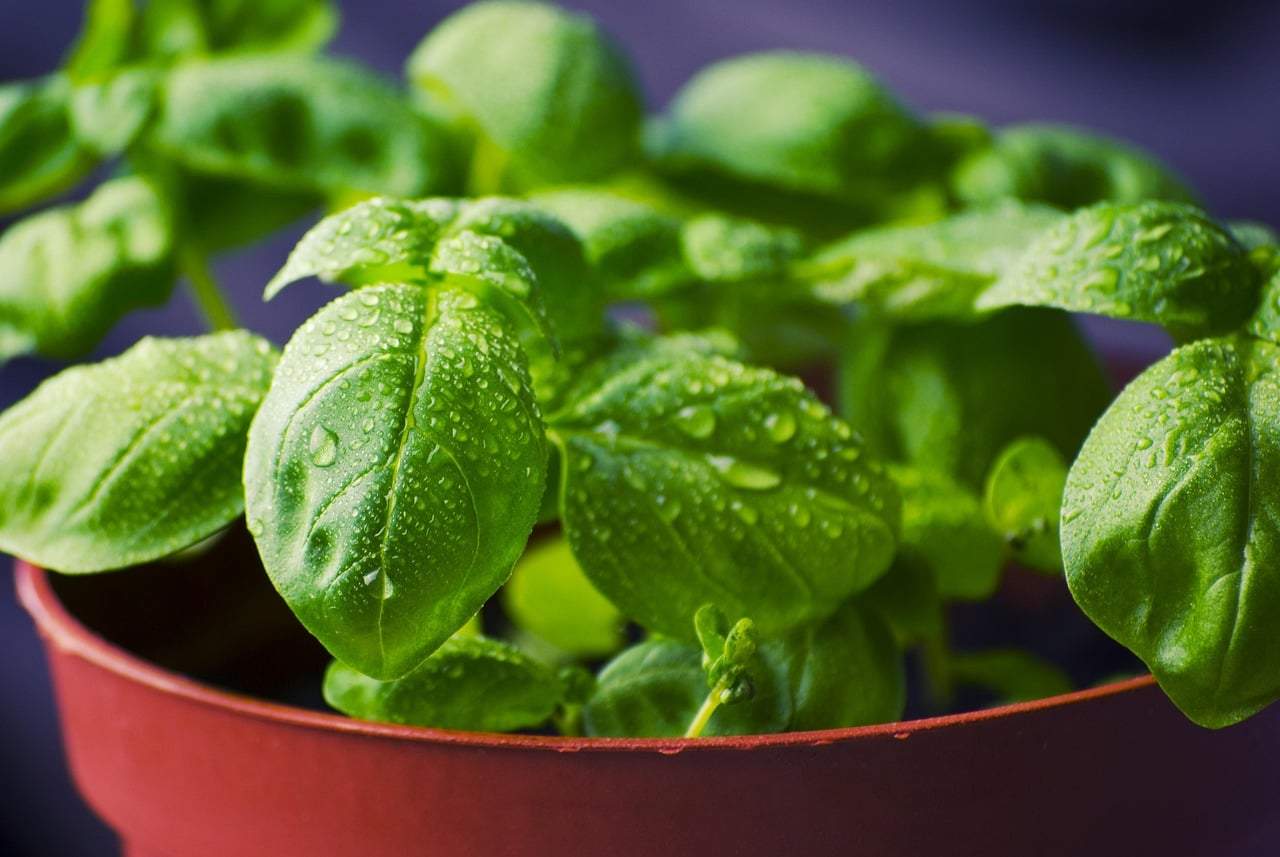
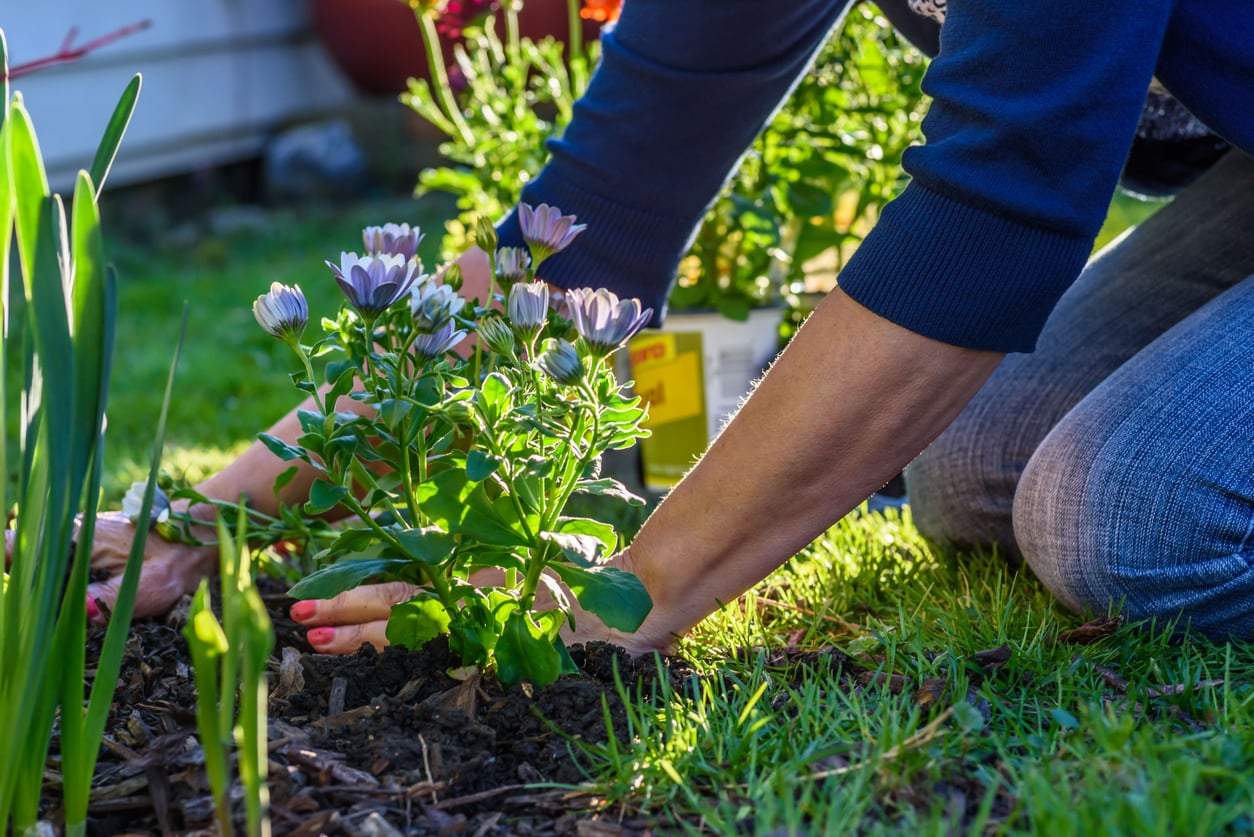
If you're just getting started, it helps to know how to grow your own little tea garden so you always have fresh herbs within reach.
Elderberries — winter's classic immune booster
Elderflowers are picked back in June and July, but the berries ripen to a glossy, deep black in late August and early September. Only the fully ripe, dark berries should be harvested — green, unripe ones can be hard on your stomach when raw.
Cut the clusters, then strip the berries from the stalks, since neither the stems nor the leaves are meant to be eaten. Dry the cleaned berries in a thin layer, or finish them off in a low oven with the door slightly ajar, so no moisture remains inside.
Black elder is the backbone of winter's most popular syrups and teas — in many households, this is exactly when syrup-making season begins.
St. John's wort — the sunshine plant that lifts your mood
St. John's wort and its bright yellow flowers are best gathered in early to mid-August, before they begin to wilt at the end of the flowering season. Rub a fresh flower between your fingers and a distinctive red pigment appears — a sign that the plant's active compounds are at their peak.
Tie the flowering tops into small bundles and dry them in a shady, breezy spot, away from direct sunlight, which quickly fades the color and weakens the quality. St. John's wort has long been used in teas and oil extracts linked to the darker, shorter days — the season when our mood tends to need a little extra care.
Chamomile — the base of a calming evening tea
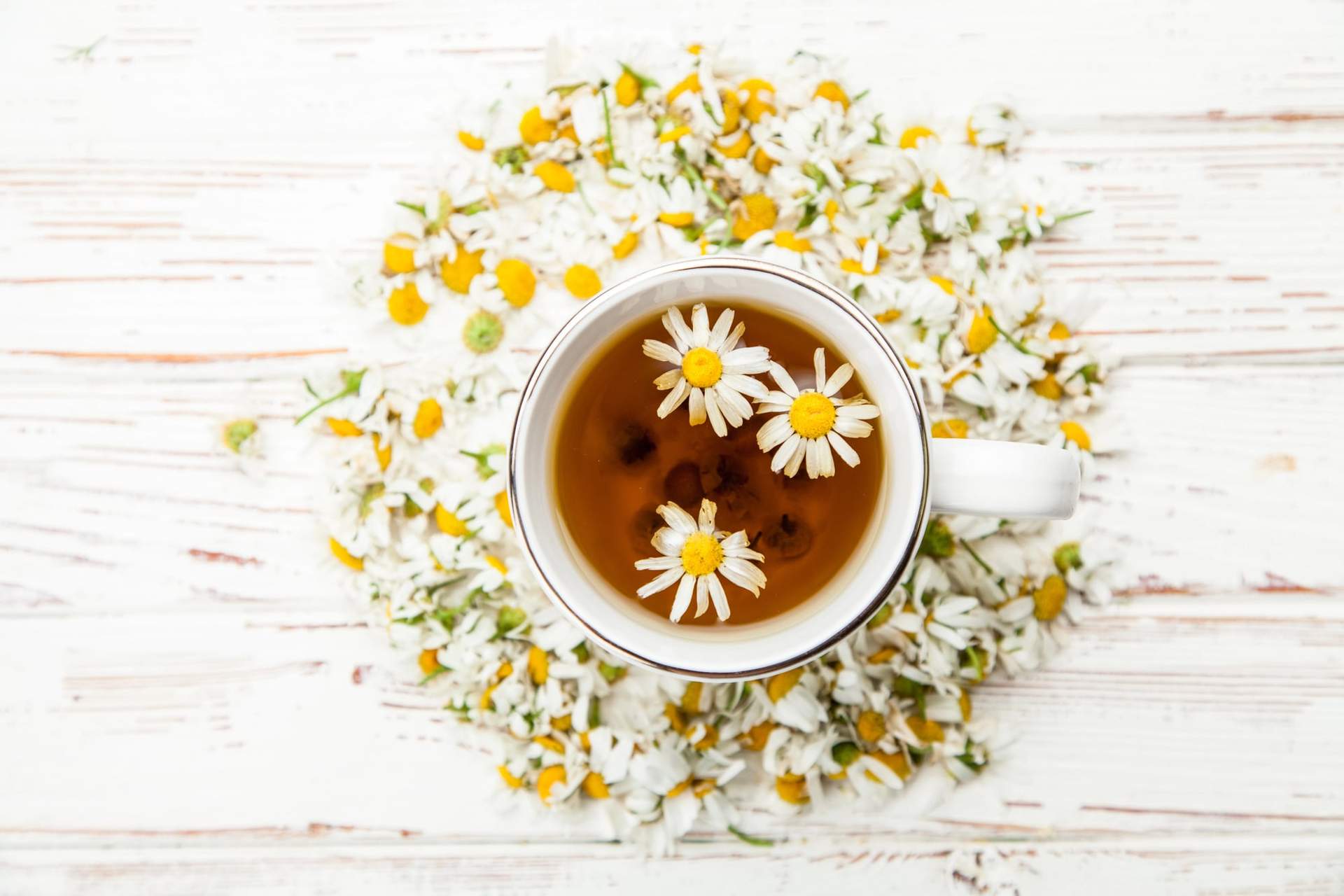
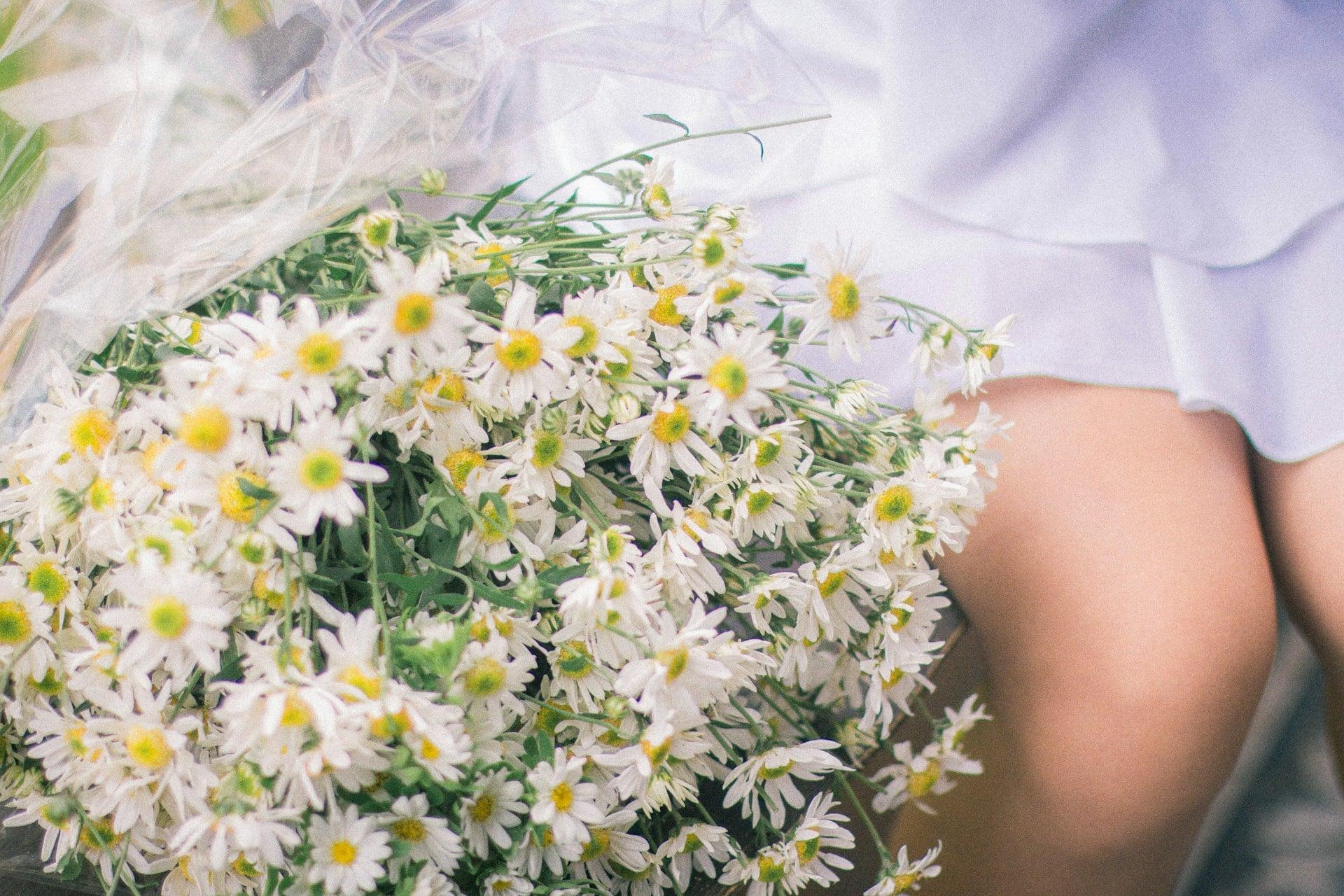
Chamomile flowers are usually gathered in early summer, but late August shoots still offer plenty to pick, as long as the flower bed keeps producing. The fragrant, dome-shaped flower heads are best harvested when the white petals just begin to droop — that's when the essential-oil content is at its highest.
Dry the flowers in a thin layer in a shady, well-ventilated place, taking care not to let them clump together, since trapped moisture can quickly spoil the heads from the inside. Whether brewed as an evening tea or used in a soothing steam inhalation, chamomile is the go-to choice when you want to wind down after a long day.
How to store your herbs once they're dry
For all five plants, the drying is done when the stems and flowers snap with a soft crack instead of bending. After that, transfer them into dark, airtight jars or paper bags, labeled with the name and date — once dried, different herbs are surprisingly easy to mix up.
Kept in a cool, dry pantry away from light, they'll hold their scent and their benefits for up to a year. By the time the cold sets in, you'll have your own little home apothecary ready and waiting.
When is the best time to harvest these herbs?
Most of them are at their peak in August. Yarrow, horsetail and St. John's wort are best gathered in early-to-mid August, chamomile through late August, and elderberries when they turn glossy black in late August to early September.
How do I know when the herbs are properly dried?
They're ready when the stems and flowers snap with a soft crack rather than bending. If they still feel flexible or damp, they need more drying time before storage.
How long do dried herbs stay good?
Stored in dark, airtight jars or paper bags in a cool, dry, light-protected pantry, they can keep their scent and benefits for up to a year.
Why should I dry herbs in the shade instead of the sun?
Direct sunlight quickly fades the color and weakens the quality — this is especially true for St. John's wort. A shady, airy spot preserves both the appearance and the active compounds.