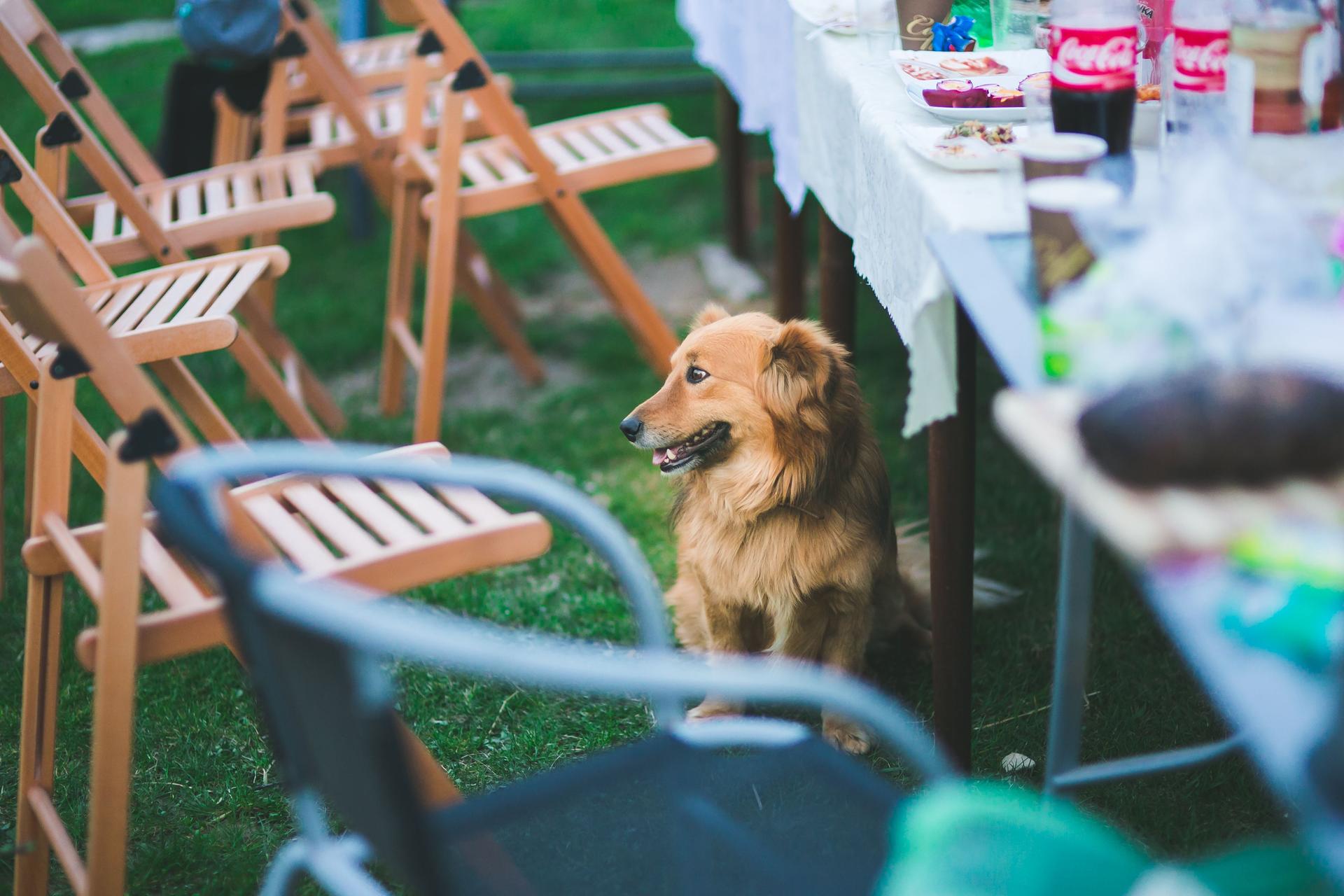
The grill is smoking, the garlicky chicken is on the table next to a bowl of grapes and some corn, and your dog is sitting right by your leg, staring. Everyone knows that look. And plenty of people think, one little bite can't hurt.
But some of the most ordinary foods at a summer cookout can be far more dangerous than they seem, and the damage often shows up long after the party is over.
The garlic and onion marinades that poison slowly
Onions, garlic, shallots and leeks all belong to the Allium plant family, and they contain sulfoxides and disulfides that can cause oxidative damage to a dog's red blood cells. The Merck Veterinary Manual and several international veterinary toxicology references clearly describe this as Allium poisoning, which can lead to hemolytic anemia, meaning the breakdown of red blood cells.
Heat doesn't fix anything. Meat grilled in a garlic-and-onion marinade can be just as dangerous as raw onion, because the toxin doesn't break down during cooking.
The symptoms are deceptive too. They don't appear right away, but sometimes days after the feast, long after you've forgotten that your dog snagged a bite of that marinated chicken.
For a medium-sized dog, even a few grams of meat cooked in garlic marinade can cause problems.
The amount depends on breed and body weight, but there's no reliable rule that guarantees a small portion is safe. That's exactly what makes this food group one of the most underestimated risks at any garden party.
Corn on the cob: not poisonous, but just as dangerous
Corn kernels on their own aren't toxic to dogs, so many people figure it's fine to toss the chewed-off cob their way. The problem is that intestinal blockage caused by corn cobs is a recurring emergency in veterinary care, regularly documented by animal hospitals and by resources like VCA Animal Hospitals.
The fibrous, hard structure of a corn cob can't be digested, and it doesn't break down properly in the stomach either. A dog swallows it because the smell and taste are tempting, then the piece gets stuck in the intestines and can completely block the digestive tract. This isn't just an upset stomach, it's a surgical emergency that often can only be fixed with an operation.
The risk is especially high for smaller dogs, but it can happen to larger breeds too if a dog tries to gulp down a whole cob without chewing. The symptoms, including vomiting, loss of appetite or a painful belly, often show up only hours later.
Grapes and raisins that can destroy the kidneys in days
This third item is the least known, yet it can have the most severe consequences. According to decades of case studies from the ASPCA Animal Poison Control Center, grapes and raisins can cause acute kidney damage in dogs, and researchers still haven't fully pinned down the exact toxic mechanism.
Some dogs show severe symptoms from a single grape, while another dog can eat the same amount with no ill effects at all. That's precisely why the risk is so unpredictable.
At garden parties this danger is especially underestimated, because grapes, raisin-studded cakes and granola bars all look harmless. The signs of poisoning, such as vomiting, lethargy or reduced urination, typically appear only 12 to 24 hours after eating, when the kidneys have already started to fail.
That's why the veterinary advice is unambiguous: grapes and raisins should never reach a dog, in any form or any amount.
What you can do at the garden table
Most accidents don't happen because someone deliberately feeds their dog something toxic. They happen because a guest or a child secretly slips them a bite.
A separate bowl of dog treats in the corner of the patio is often enough to keep your dog's attention off the human food. It's also smart to throw scraps, cobs and leftovers straight into a sealed bin that your dog can't pry open.
Can dogs eat meat cooked in garlic or onion marinade?
No. The compounds in the Allium family that damage a dog's red blood cells don't break down during cooking, so grilled meat in a garlic-and-onion marinade can be just as dangerous as raw onion.
Why is corn on the cob a risk if corn itself isn't toxic?
The kernels aren't toxic, but the cob's hard, fibrous structure can't be digested and can lodge in the intestines, causing a blockage. That's a surgical emergency that often requires an operation.
How much grape or raisin is dangerous for a dog?
There's no safe amount. Some dogs react severely to a single grape while others tolerate the same amount, which makes the risk unpredictable, so grapes and raisins should never be given in any form.
How soon do symptoms appear after a dog eats these foods?
It varies and is often delayed. Allium poisoning can show up days later, corn cob blockage symptoms often appear hours afterward, and grape or raisin poisoning signs typically emerge 12 to 24 hours after eating.