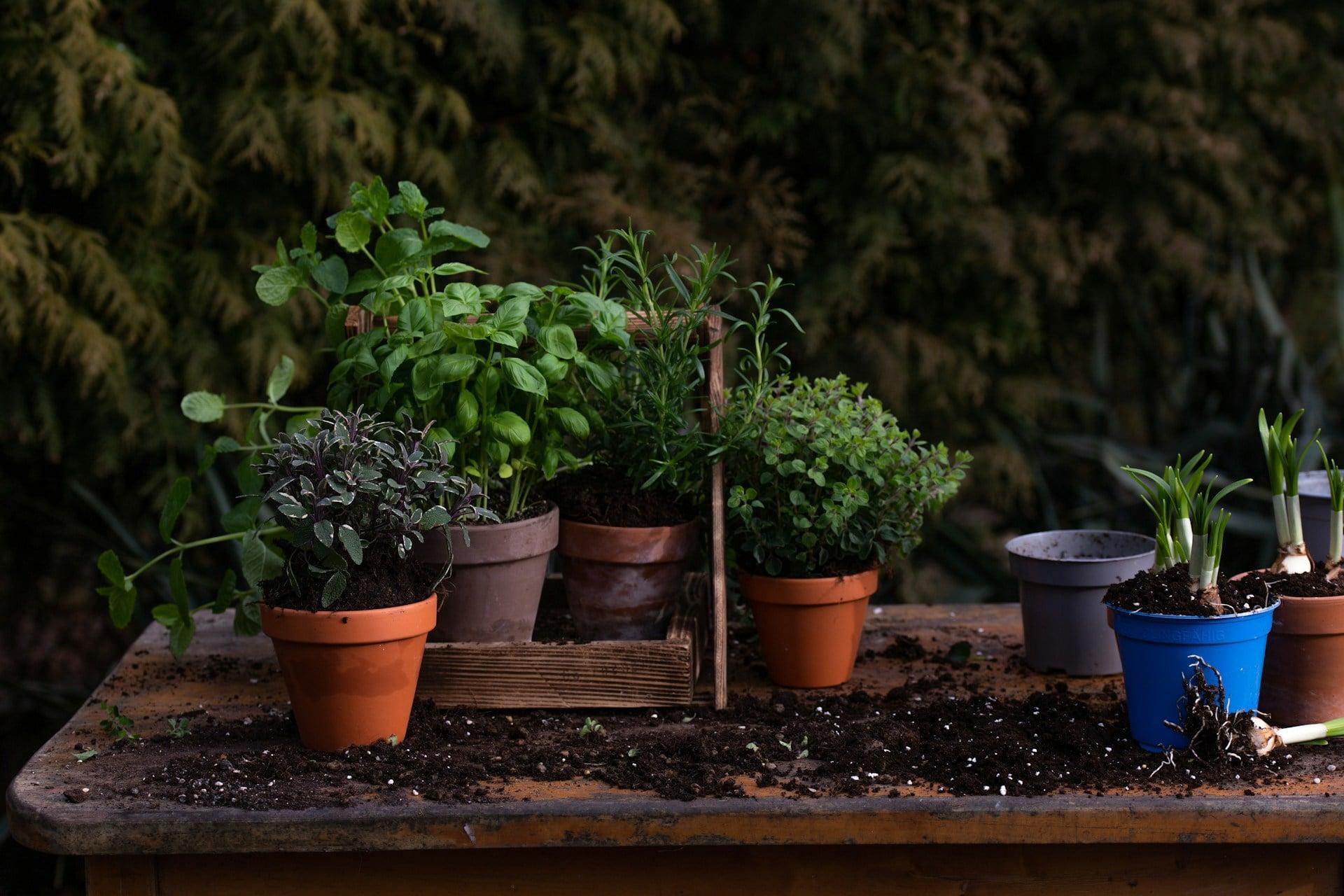
Some plants earn their place in the garden purely for looks. Others have spent centuries carrying a rather more interesting reputation. These are the herbs that people once planted by their front doors for protection, tucked into pockets for good luck, or grew on windowsills to attract love and prosperity. Will a pot of basil solve your Monday morning commute? Probably not. But there's something genuinely appealing about growing plants with a story.
Here are five herbs with fascinating folk histories — and the good news is that two of them can still be planted now, at the tail end of summer, giving them just enough time to establish before the cold sets in.
Rosemary
If there's one herb with serious folklore credentials, it's rosemary. Across European traditions, it was long believed to protect the home from negative influences — which is why people planted it near doorways or hung dried sprigs at the entrance. Other traditions held that simply carrying rosemary could ward off misfortune and bring luck to the bearer.
Beyond the folklore, rosemary earns its spot in any garden on pure practicality. Its aromatic leaves are endlessly useful in cooking, and in the right conditions it grows as a perennial, returning year after year. It thrives in a sunny spot with well-drained soil and struggles with prolonged cold or waterlogged roots.
Basil
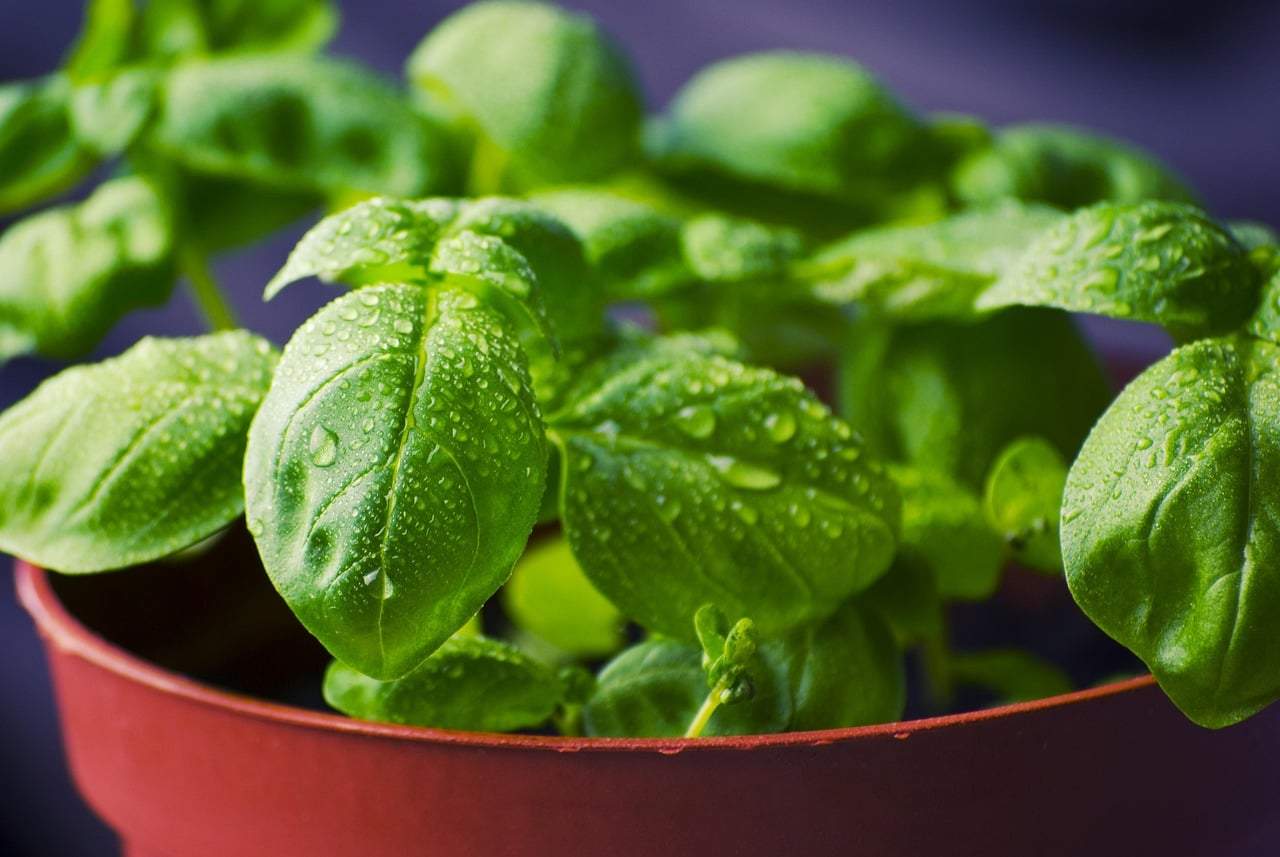
Basil comes with some of the most romantic stories of any herb. In various folk traditions it was linked to luck, protection, and prosperity — some believed it could draw wealth and abundance into a home. In other cultures it had romantic connotations entirely: a pot of basil placed on a windowsill was once considered a signal of romantic interest.
In the kitchen, of course, it needs no mythology to justify its place. Fresh basil transforms countless dishes. If you want to plant it now at the end of summer, go for a container rather than the ground and bring it indoors before the first chill arrives. Basil is far more cold-sensitive than the perennial herbs on this list.
Sage
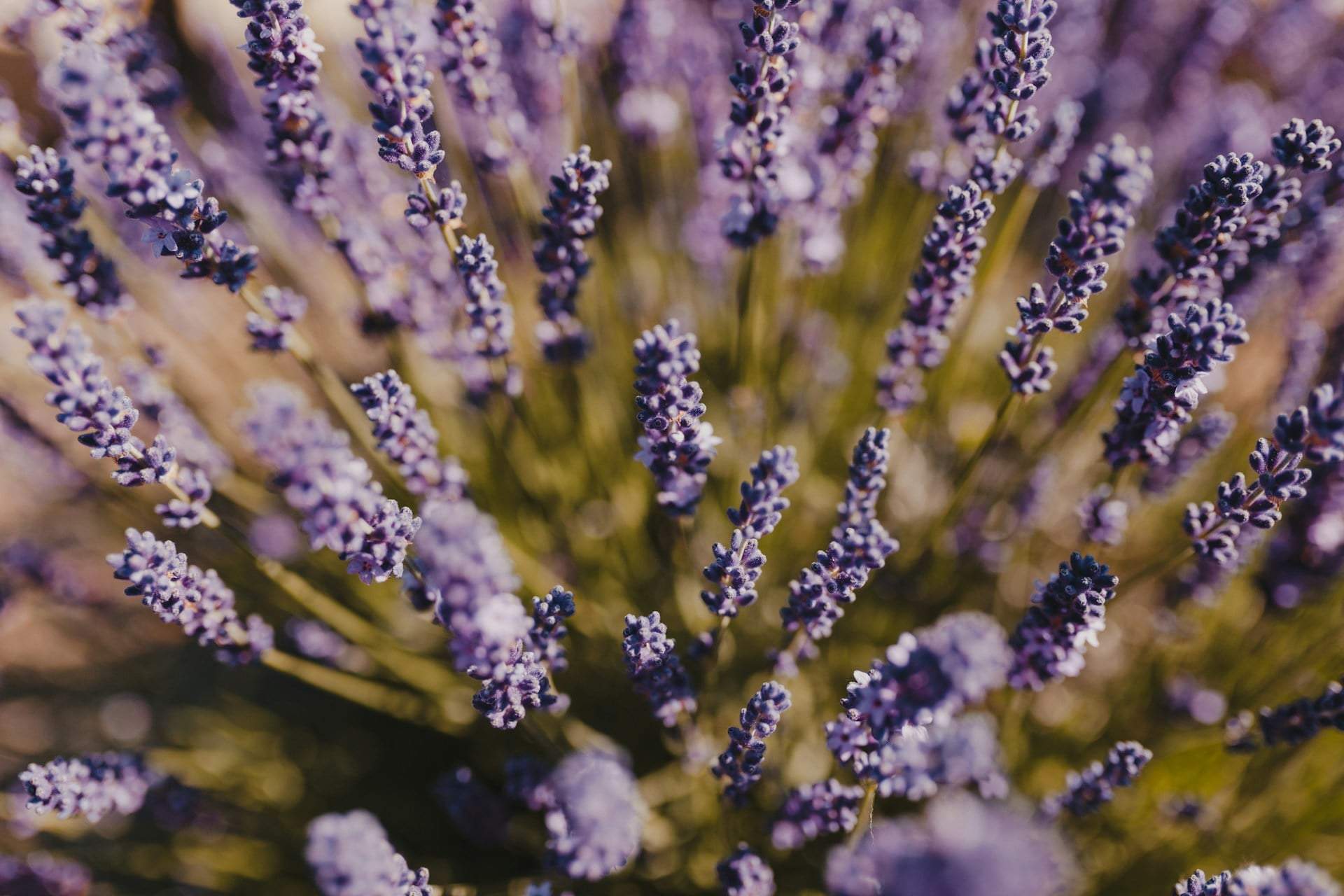
Sage has always looked the part. Its silvery leaves give it an almost noble appearance, and folk traditions treated it accordingly — linking it to protection, purification, and long life. In some European beliefs, a thriving sage plant in the garden was simply a sign of a well-run, cared-for household.
Sage is a perennial, which means you won't need to start from scratch every spring. It loves sunshine and well-drained soil, and dislikes sitting in moisture for too long.
If you're going to plant one thing from this list right now, sage is an excellent choice. Planted before the cooler months arrive, it has time to put down strong roots and should return reliably next season. It's also one of the most versatile herbs for your health and cooking — a genuine double win.
Thyme
Where most herbs were associated with luck or love, thyme was historically linked to something different: courage. The ancient Greeks believed it was a source of bravery, and medieval tradition holds that women would embroider sprigs of thyme onto the scarves they gave to knights heading into battle.
If you're facing something daunting, planting thyme beforehand at least gives you a historical precedent. And the plant itself is wonderfully low-maintenance — it loves a sunny spot and good drainage, and as a perennial it can last for years.
Thyme is also a great candidate for late-summer planting. Like sage, it benefits from settling in before winter, giving its roots time to strengthen ahead of the colder months.
Mint
Mint was traditionally connected less to luck and more to freshness, cleanliness, and protection. Today, its most famous quality might be a different kind of power altogether: given half a chance, mint will take over your entire garden.
That's why the golden rule applies here — grow it in a container, or give it a spot where spreading freely won't cause chaos. It handles cooler temperatures well, which makes it a reasonable late-summer planting option.
Of course, folk beliefs are best kept separate from expectations of real-world results. Planting rosemary by your front door won't magically dissolve life's frustrations. But when the alternative is a fragrant, useful, kitchen-ready herb growing happily in your garden — that's hardly a bad deal.
What is the best time to plant perennial herbs?
Late summer is actually an ideal window for perennial herbs like sage, rosemary, and thyme. Planting them before the cold arrives gives their roots time to establish, so they come back stronger the following spring.
Which herbs from this list are easiest for beginners?
Thyme and sage are both forgiving and low-maintenance — they like sun and well-drained soil and don't need much fussing over. Mint is also easy, but should be kept in a container to stop it from spreading uncontrollably.
Can I grow basil outdoors in late summer?
You can, but basil is the most cold-sensitive herb on this list. If you plant it now, use a pot rather than the ground and be ready to bring it inside at the first sign of cooler temperatures.
Do these herbs actually bring good luck?
The folklore around these plants spans centuries and multiple cultures, but the article is clear: the beliefs are fascinating history, not proven fact. What you will get is a beautiful, aromatic, and useful herb garden — which feels like a reasonable consolation.