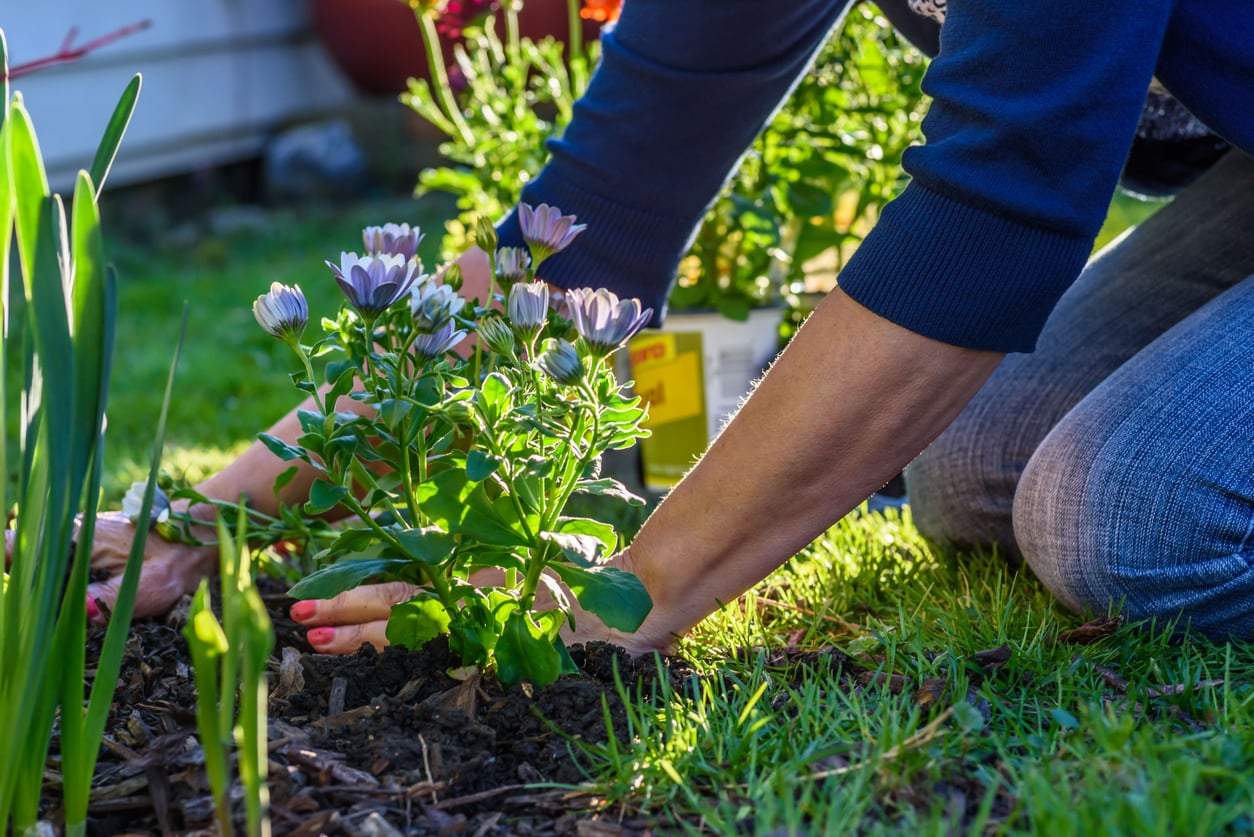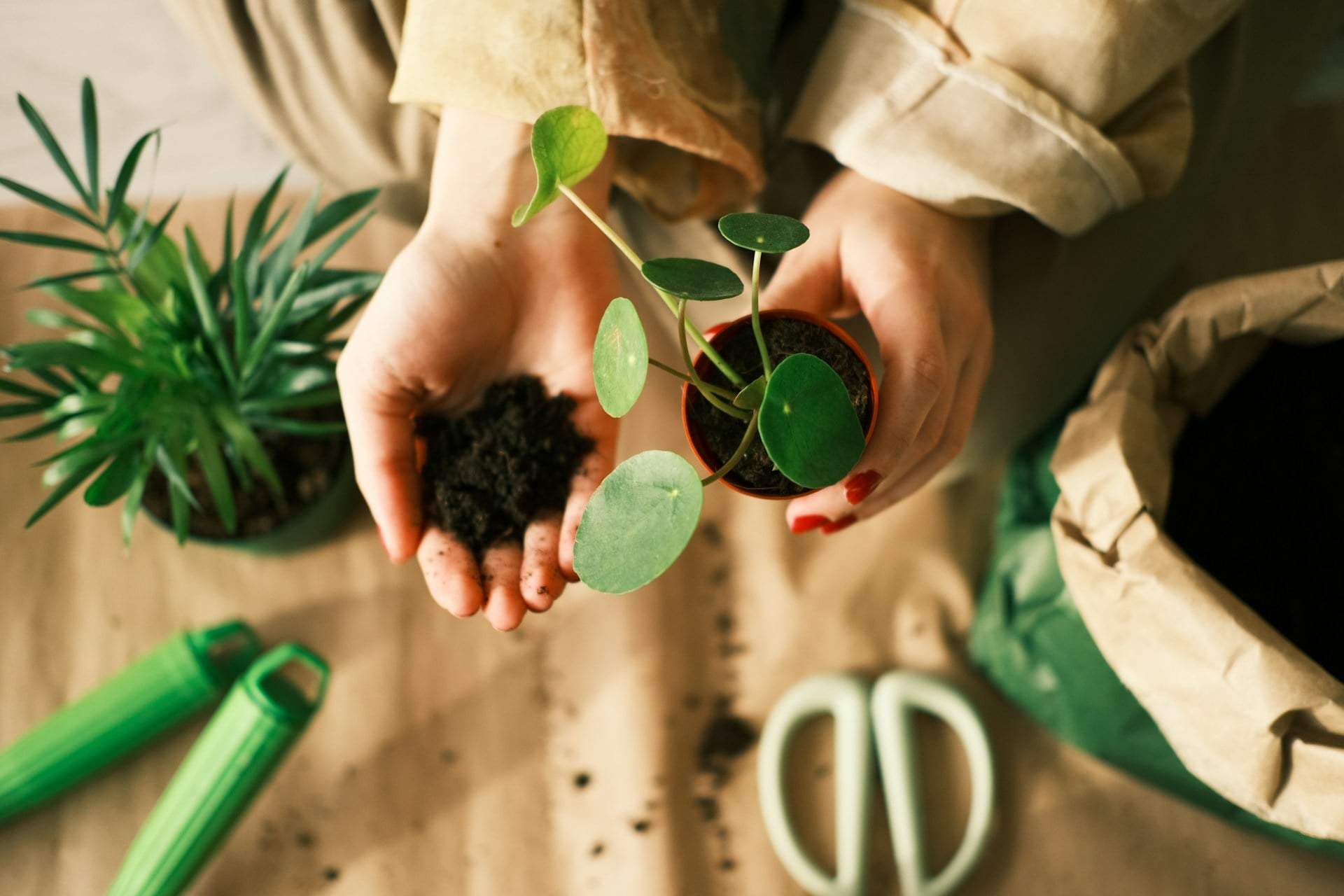
Autumn isn't just about raking leaves. October and November are actually the most important months for anyone who wants a truly colorful spring garden. The plants you put in the ground right now will be the first ones to bloom — often before you've even thought about spring gardening.
Many spring-flowering bulbs require autumn planting so their roots can strengthen over winter and develop properly when the warmer days arrive. Others benefit from going in the ground before the first frost simply because they need time to establish. Either way, now is the moment to act.
Here are 10 plants worth buying this season, when to plant each one, and what to watch out for if you actually want flowers — not just leaves — come spring.
Daffodil (Narcissus)
If you're looking for a low-maintenance spring flower, it's hard to beat the daffodil. Most varieties are best planted in September and early October, but if you're running late, you can still get them in the ground right up until the soil freezes hard.
Plant the bulbs in a sunny or lightly shaded spot with well-draining soil. They really dislike waterlogged ground, so heavy, constantly damp soil is a problem. A good general rule: plant each bulb at a depth roughly three times its own height.
Some daffodil varieties can bloom as early as February or March, while others flower right through to early May. Choose a mix of early and late varieties and you can stretch daffodil season for weeks.
Hyacinth (Hyacinthus orientalis)
Hyacinths earn their place on any spring planting list for one simple reason: they're not just beautiful — they're incredibly fragrant. The dense flower spikes come in pink, purple, white, blue, and soft yellow, so you can easily build a whole color scheme around them.
Plant the bulbs ideally in September, or by early October at the latest. Choose a sunny or bright, partially shaded spot, and make sure the soil drains well — sitting in wet ground is one of the fastest ways to lose hyacinth bulbs.
They typically flower around April, right when the garden is really starting to come alive. Because of that scent, place them somewhere you'll actually walk past — it would be a shame to banish them to a far corner of the yard.
Tulip (Tulipa)
Unlike some other bulbs, tulips don't require an early autumn panic. You can — and often should — plant them in October and even into November. Planting later in the season can actually work in your favor, since bulbs in colder soil are less likely to sprout too early.
Tulips love a sunny spot and rich, well-draining soil. Plant the bulbs at a depth roughly two to three times their height. And if you're buying several, resist the urge to scatter them individually around the garden: planting in clusters creates a far more dramatic spring display.
Most tulips bloom in April and May, though timing varies by variety. If you want a longer show, choose types with staggered flowering times.
Ornamental allium (Allium)
A single well-placed group of ornamental alliums can completely transform the mood of a garden. Their tall stems topped with perfect globe-shaped flower heads look particularly striking when planted among lower-growing perennials — the contrast is architectural and eye-catching.
Plant the bulbs in September or October in a sunny, well-draining spot. Wet soil is a real enemy here, as allium bulbs are prone to rotting if they sit in moisture.
Most varieties bloom in May and June. With the larger globe-headed types, you don't need many — a few well-placed clusters will be visible from across the garden.
Crown imperial (Fritillaria imperialis)
If you want something genuinely unusual, the crown imperial deserves a spot on your autumn shopping list. Drooping, bell-shaped flowers hang from the top of tall stems, crowned by a tuft of leaves that makes the whole plant look almost tropical in its strangeness — in the best possible way.
This bulb should go in the ground as early as possible in autumn, so don't leave it until late November. It needs a warm, sunny position and deep, fertile, well-draining soil. Planting too shallow will compromise flowering.
Crown imperials bloom in April or early May and can grow up to 3 feet (around 1 meter) tall. This is not a plant that quietly blends into a border — and that's exactly the point.
Bleeding heart (Lamprocapnos spectabilis)
Also known by its older name Dicentra spectabilis, bleeding heart is one of the most charming sights in a spring garden. Heart-shaped pink or white flowers dangle in a row along arching stems — delicate, romantic, and impossible to overlook.
Container-grown plants can be planted in October and November as long as the soil is still workable and not waterlogged. It thrives in a sheltered, partially shaded spot in humus-rich, moist but well-draining soil.
Flowering usually begins in late spring, from April into May. Be aware that the foliage tends to die back after flowering, so plant it next to species that will take over the spotlight later in the season.
Bergenia (Bergenia crassifolia)
If you want a plant that earns its place even in the depths of winter, bergenia is one of the best choices you can make. Its large, glossy, leathery leaves often turn deep red and purple in cold weather, providing year-round interest when almost everything else has disappeared.
September and October are the ideal planting window, giving it time to settle in before winter. It tolerates both sun and partial shade and isn't especially fussy about soil — though, like most plants here, it dislikes waterlogged conditions.
Bergenia crassifolia is an exceptionally early bloomer: its pinkish-purple flowers can appear as early as late winter and into early spring. It's exactly the plant you'll be grateful for on a grey February morning when everything else still looks bare.
Crocus (Crocus)
If your goal is to have something beautiful to look at on the very first mild day of the year, crocus is one of the best investments you can make in autumn. Spring crocuses are among the earliest-flowering bulbs available, often pushing through the ground at the tail end of winter.
The ideal planting time is September and October, in a sunny or lightly shaded spot with good drainage. Because they're low-growing, they look best in clusters. You can also naturalize them under deciduous trees or dot them through a lawn for a wonderfully informal, wild-feeling effect.
Exact timing depends on weather and variety, but you can reasonably expect them in February or March — sometimes even earlier in a mild year.
Grape hyacinth (Muscari armeniacum)
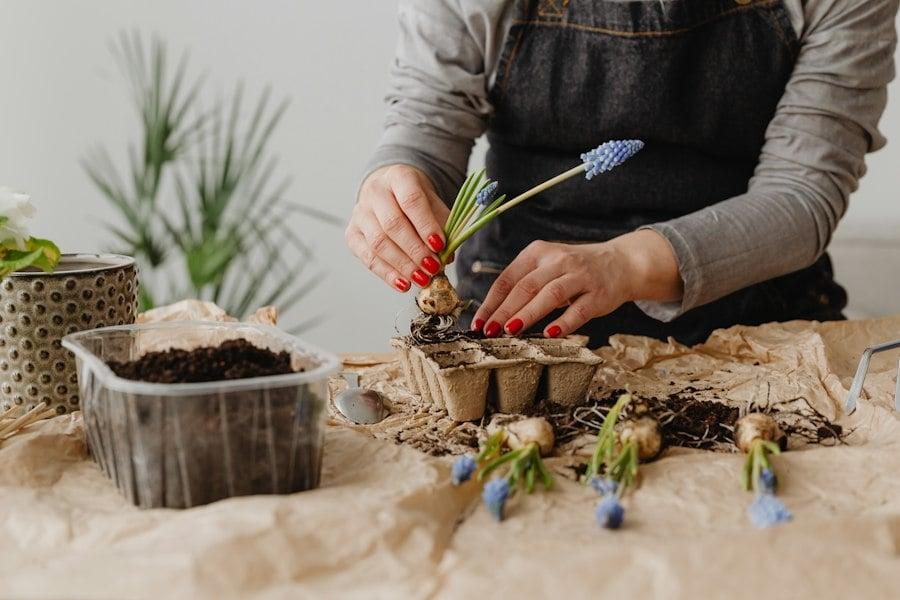
Grape hyacinths are the perfect choice if you want more than just big, showy blooms. Their small, intensely blue clusters of bell-shaped flowers look stunning planted alongside daffodils and tulips, adding depth and contrast without competing for the spotlight.
Plant the bulbs in September or October in a sunny or partially shaded spot with well-draining soil. They're wonderfully unfussy and will naturalize over time, spreading gradually to fill a space.
They typically bloom in March and April, picking up beautifully where the early crocuses leave off and bridging the gap into peak tulip season.
Spring snowflake (Leucojum vernum)
Spring snowflake is a lovely choice for anyone who prefers smaller, more natural-looking flowers over grand, formal displays. Its white, bell-shaped blooms often appear in February or March, making it one of the earliest signs of spring in the garden.
Plant the bulbs in September and October, ideally in humus-rich, moist but not waterlogged soil. It does well in a partially shaded spot — under deciduous trees, for example, where it can look completely at home.
Like most bulbs, it makes a much stronger impression planted in groups than scattered individually. If you're aiming for a naturalistic, woodland-inspired garden, spring snowflake fits in perfectly.
What to keep in mind when planting in autumn
The most important thing is to stop thinking of autumn planting as one single event. There are real differences between what you plant in September, October, and November. Daffodils and hyacinths do better when planted earlier, while tulips can wait until November without any problem. The general principle is simple: get spring bulbs into the ground before it freezes solid, so they have time to put down roots.
When choosing bulbs, always pick firm, healthy specimens. Don't plant soft, moldy, or damaged bulbs just because you feel bad throwing them away — they're unlikely to produce flowers and may rot in the ground.
Most spring bulbs prefer well-draining soil, and waterlogging can be just as damaging as hard frost. Plant at a depth of roughly two to three times each bulb's height — but always check the specific guidance on the packaging, as varieties differ.
And one final point that makes a real difference: don't scatter bulbs individually across the whole garden. Almost all spring bulbs look far better in generous groups. A single tulip or daffodil tends to get lost; a bold patch of them stops you in your tracks.
So if you're standing in October or November thinking "I'll sort the garden out in spring" — flip that thinking around. A beautiful spring garden is almost always planned in autumn. Right now you're holding a handful of bulbs. In a few months, they'll show you exactly what they were capable of.
When is the best time to plant spring bulbs?
Most spring bulbs should be planted between September and November, before the ground freezes. Daffodils and hyacinths prefer earlier planting (September to early October), while tulips can go in as late as November.
Can I still plant bulbs if I missed the ideal window?
Yes, in many cases. As long as the soil is not frozen solid, most bulbs can still be planted — though earlier is always better for root development. Tulips are particularly forgiving of later planting dates.
How deep should I plant spring bulbs?
A reliable general rule is to plant each bulb at a depth roughly two to three times its own height. Always check the guidance on the packaging, as some species like fritillaria prefer to be planted quite deep.
Why do bulbs need to be planted in groups?
Individual bulbs tend to look sparse and get lost in a border. Planting in clusters of five or more creates a much bolder, more dramatic display that reads clearly from a distance — especially with tulips, daffodils, and alliums.
What is the most common mistake when planting autumn bulbs?
Planting in waterlogged or poorly draining soil is one of the biggest pitfalls. Most spring bulbs will rot if they sit in standing water over winter. Choosing a spot with good drainage — or improving your soil before planting — makes a significant difference to your spring results.