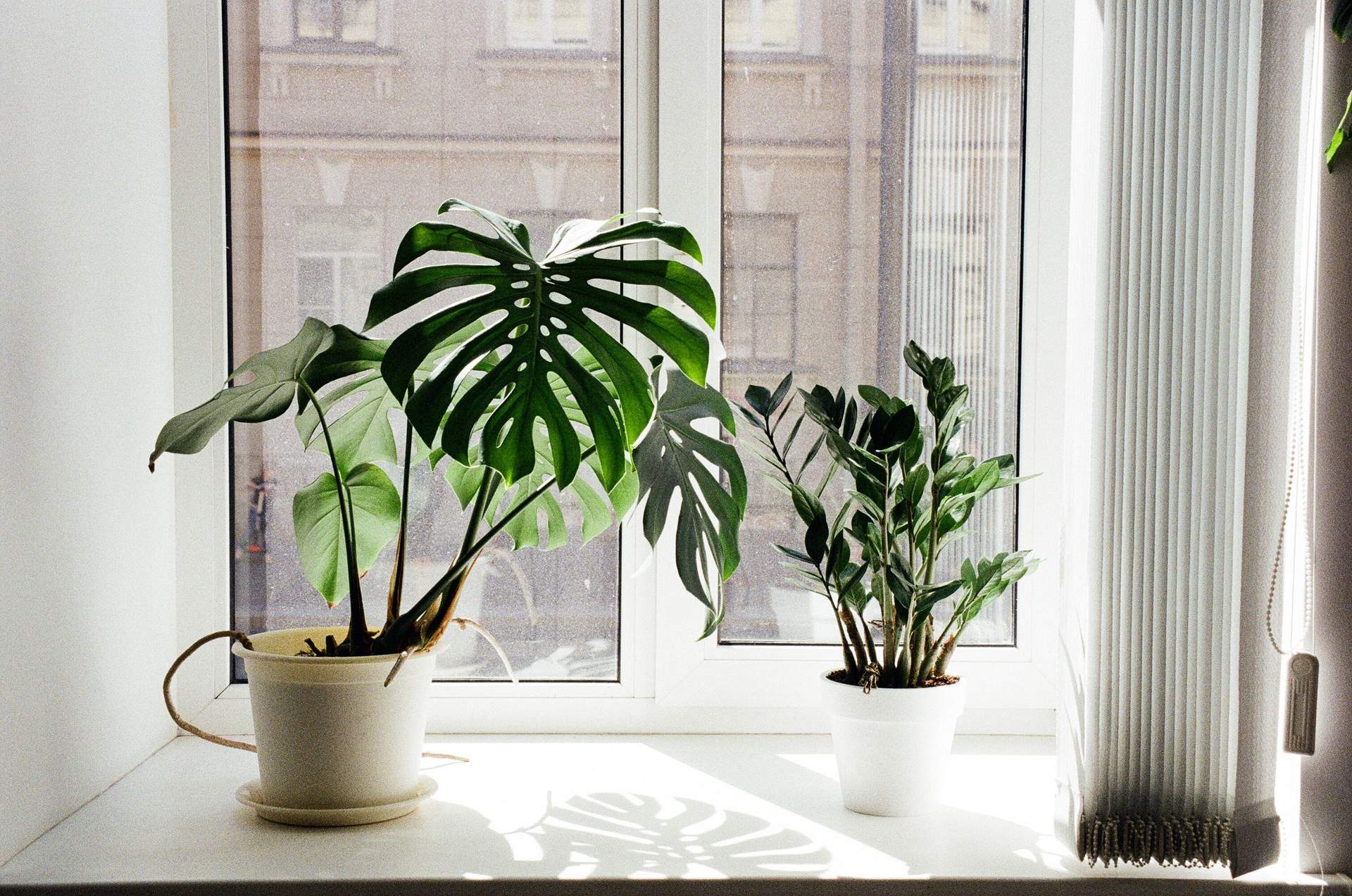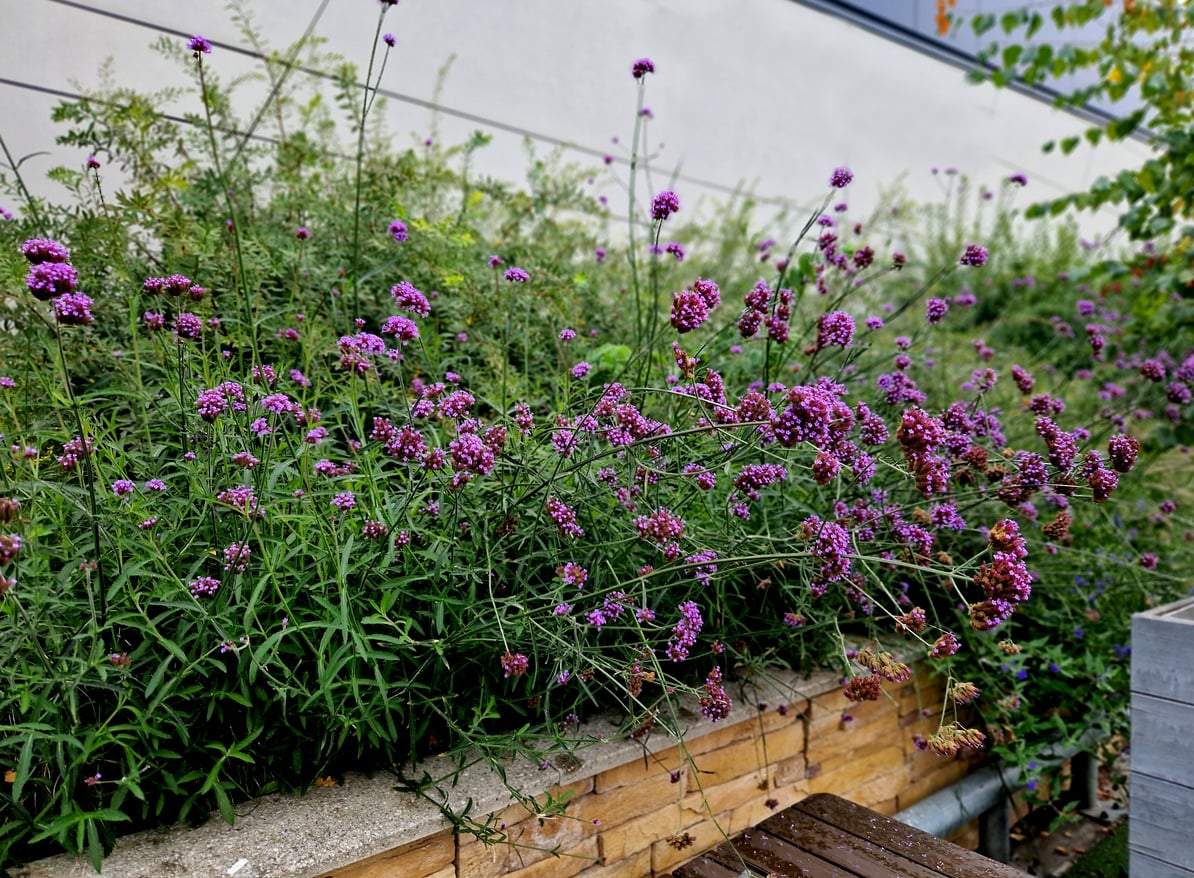
Every October I get the urge. The balcony is winding down, the light in the flat has gone soft and golden, and suddenly the fig in the corner looks like it's wearing a pot two sizes too small. Out come the bags of compost, and by Sunday evening I have six plants in fresh soil and a hallway that needs hoovering twice.
I've learned to resist most of that urge, because autumn repotting is one of those jobs where enthusiasm and good timing rarely overlap. Here is how I decide what actually gets moved before the clocks change — and what waits.
Why autumn is usually the wrong month
Repotting is mild surgery. However carefully you work, some root hairs tear, and the plant has to grow replacements. That's easy in April, when days are getting longer and everything is pushing out new growth anyway. It's much harder in October, when light levels indoors drop week by week and most houseplants are settling into a slow, low-demand stretch that lasts until late winter.
A plant in fresh, generous compost that isn't growing also sits wetter for longer. More soil, less root to drink it, less light to drive evaporation — that combination is behind an enormous number of midwinter losses that get blamed on cold windowsills. If I only remember one thing each autumn, it's that a slightly tight pot is a much smaller problem than a slightly soggy one.
The three cases where I repot anyway
First: the plant is genuinely strangled. Roots spiralling out of the drainage holes in a solid mat, water running straight through without wetting anything, the whole rootball lifting out of the pot like a dry brick. That plant is already struggling and will struggle more over winter. Move it.
Second: something has gone wrong in the soil. Fungus gnats in clouds, a sour smell, a crust of mineral build-up, or compost that has collapsed into dense black sludge after years in the same pot. Here you're not repotting for growth, you're replacing a bad environment, and waiting until March helps nobody.
Third: anything that has just come indoors from the balcony and arrived in a pot that's visibly failing — cracked terracotta, a nursery pot with no drainage, a hanging basket that dried out all summer. Fix the container now, while you're already handling the plant.
Everything else gets a far gentler intervention: top-dressing. Scrape off the top two or three centimetres of old compost, taking any mineral crust with it, and replace with fresh. It refreshes the surface, deals with a lot of gnat eggs, and leaves the root system entirely undisturbed.
How to do an autumn repot so the plant forgives you
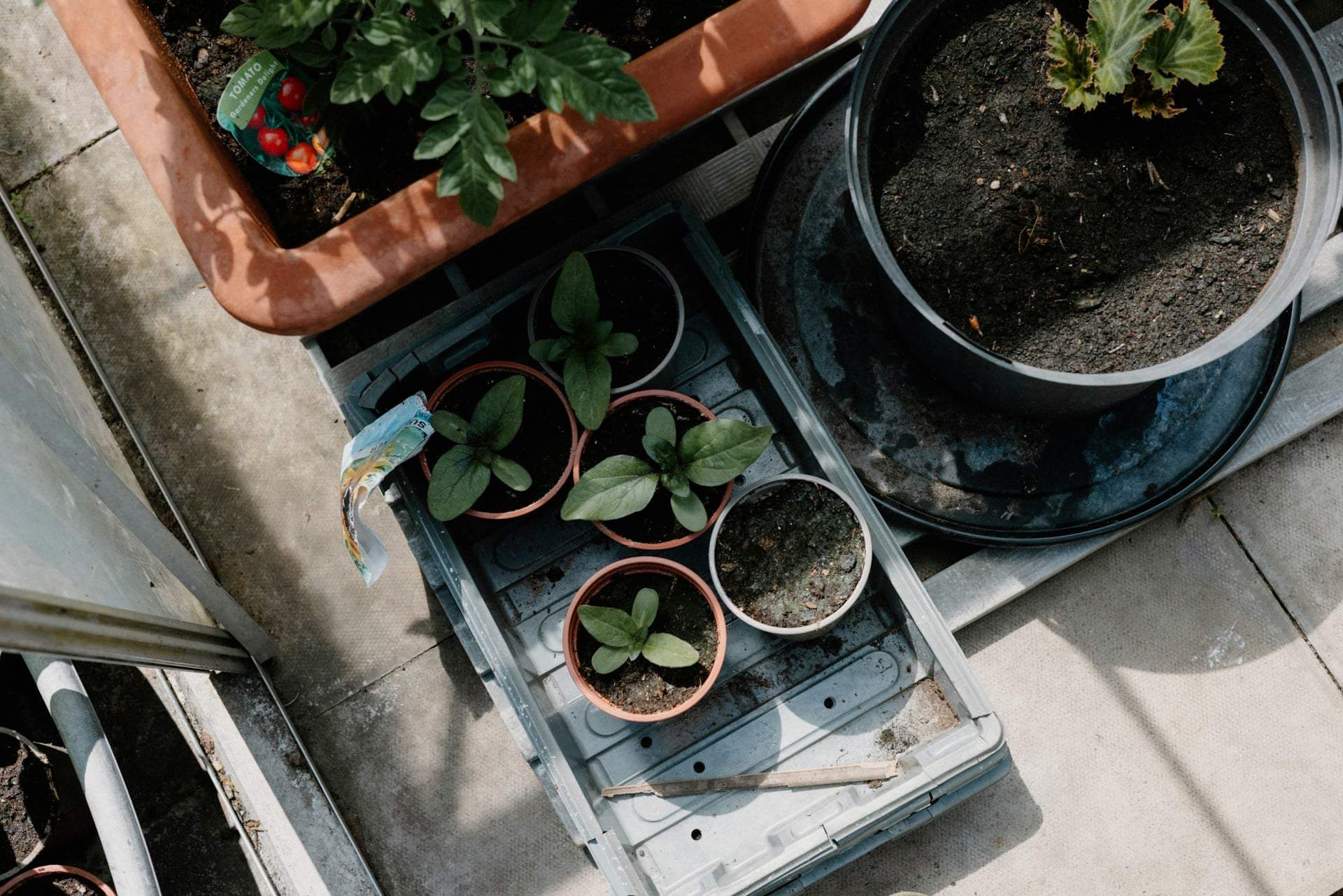
Go up one pot size only. Two centimetres more diameter is plenty; the temptation to give a plant "room to grow" is how you end up with a reservoir of wet soil around a small rootball. Make sure there are drainage holes, and skip the layer of gravel at the bottom — it doesn't improve drainage, it just raises the wet zone.
Use fresh compost with something open in it: perlite, fine bark or coarse grit, roughly a quarter to a third of the mix for most leafy houseplants, more for anything succulent. Tease the roots apart only if they're circling, and don't shake off every scrap of old soil unless you're dealing with the sour-compost case.
Water in once, properly, then let the plant tell you when it's thirsty again rather than keeping a schedule. Put it somewhere bright but out of a cold draught, don't feed for several weeks, and accept that it may sulk a little. A few dropped leaves after an autumn repot is normal; a steadily yellowing, mushy stem is not.
How do I know if my plant is actually root-bound?
Slide it out of the pot and look — that's the only reliable test, and it does no harm if you're gentle. If you see mostly soil with roots threading through it, leave it alone until spring. If you see a dense white or tan web with barely any compost visible, and the rootball holds its shape perfectly when lifted, it's root-bound and you can justify moving it now.
Can I repot a plant I've just bought in October?
Usually you shouldn't, at least not straight away. A new plant has already had a stressful week in transit and a change of light conditions, so give it two or three weeks in its nursery pot to settle before adding root disturbance on top. The exception is if it arrives sitting in waterlogged compost or has no drainage at all — in that case, move it into a properly draining pot the same day and let everything else wait.