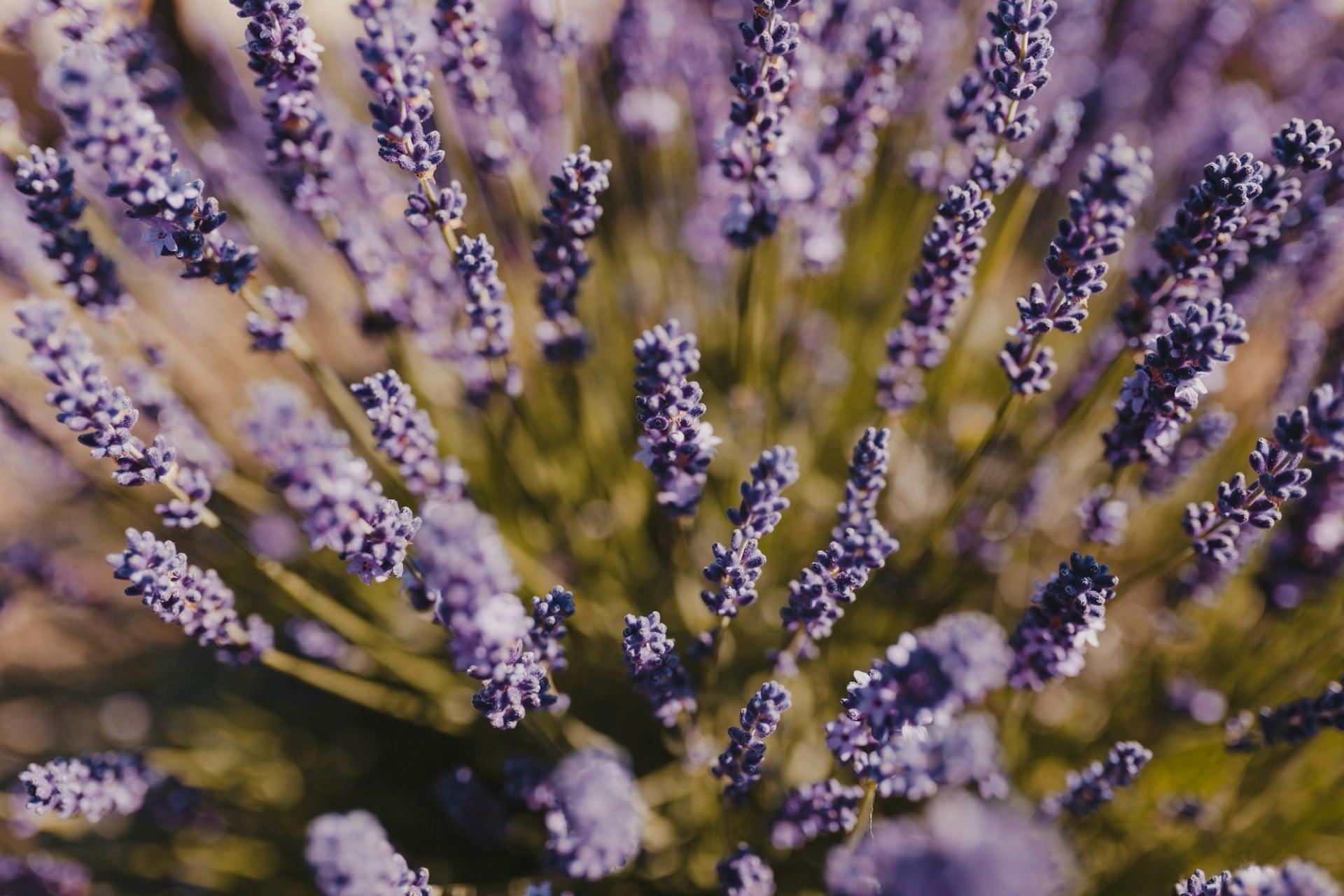
There is something deeply calming about a lavender bush in full bloom — that rolling wave of purple, and a scent so rich it feels almost solid in the warm air. Yet so many gardeners give up on lavender within the first season, watching it yellow, turn woody, or simply refuse to flower. The truth is, lavender is not a difficult plant. It simply knows exactly what it wants, and once you give it that, it will reward you with years of generous blooms.
The right spot makes all the difference
Lavender is a Mediterranean plant at heart. It was made for blazing sun and dry conditions — not for damp, shaded corners of the garden. Aim for a spot that gets at least six to eight hours of direct sunlight a day. A south-facing border or a sun-baked terrace edge is ideal.
Soil matters just as much as light. Lavender needs loose, free-draining soil with a slightly alkaline pH. Heavy clay that holds moisture is its worst enemy — roots sitting in wet ground will rot surprisingly quickly. If your garden soil is dense, work in coarse sand, fine gravel, or small stones to open it up. Alternatively, a raised bed or a large terracotta pot gives you full control over drainage from the start.
When and how to plant
The sweet spot for planting is late spring, once the last frosts have passed but before the heat of summer sets in. This gives young plants time to establish a solid root system before they face their first real test. Dig a hole slightly wider and deeper than the root ball, and place a layer of coarse gravel or grit at the bottom to help water escape freely.
Space plants 16 to 24 inches (40–60 cm) apart. It might look sparse at first, but lavender needs good airflow around each bush to stay healthy and to develop its full, rounded shape without the plants shading one another.
Water thoroughly straight after planting — then step back. From that point on, less is genuinely more when it comes to lavender.
Watering: less really is more
Overwatering is the number one mistake lavender gardeners make. The roots tolerate drought far better than they tolerate sitting in wet soil, so the rule is simple: only water when the top layer of soil has dried out completely. During hot summer spells, a deep soak once or twice a week is plenty. In cooler or rainier stretches, you may not need to water at all for weeks at a time.
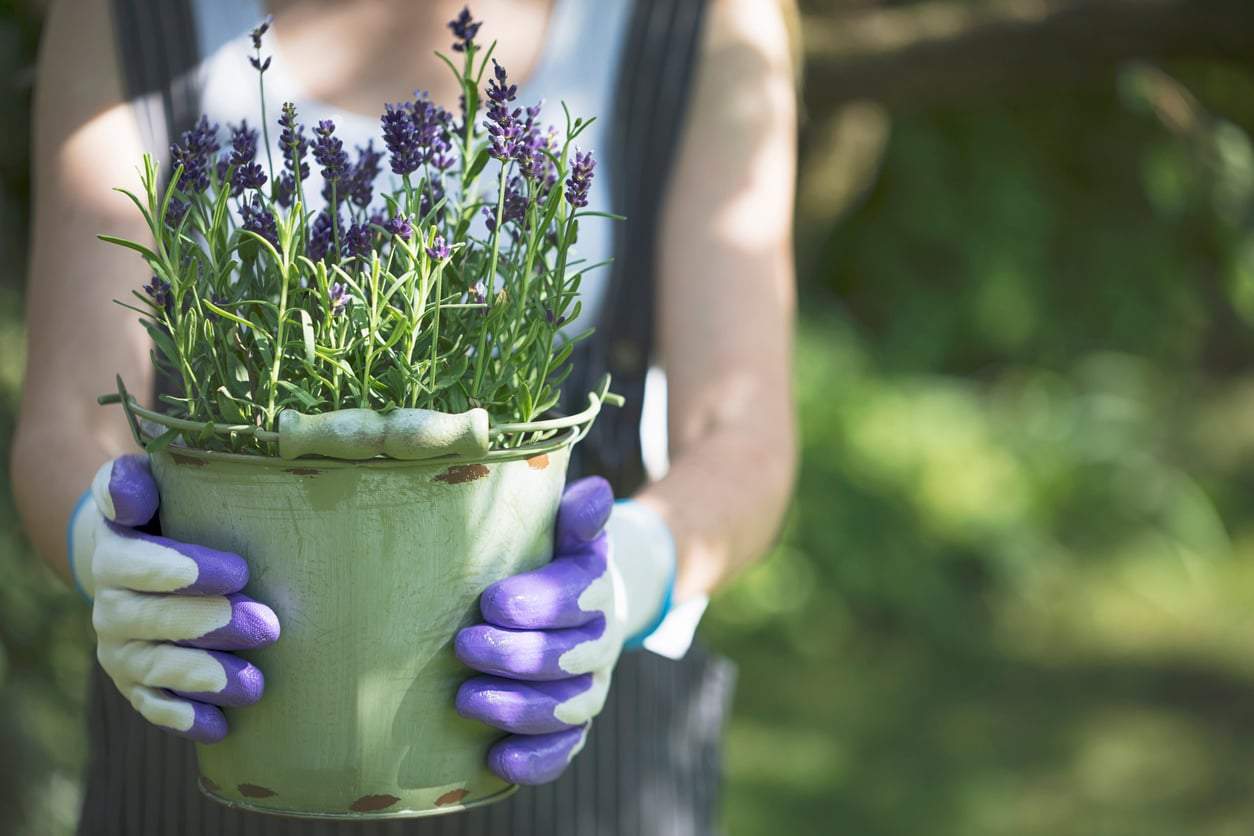
Potted lavender dries out more quickly than plants in the ground, so it does need a closer eye — but always make sure the drainage holes at the bottom of the pot are fully clear. Blocked drainage turns a pot into a puddle, and roots will suffer fast.
If you want to go deeper on smart watering habits for the whole garden, it's worth reading up on how to reduce watering without harming your plants.
Pruning: the habit that keeps lavender alive
Without regular pruning, lavender turns woody within a few years — bare and leggy at the base, with fewer and fewer flowers each season. After flowering in late summer or early autumn, cut the stems back by about a third. The key rule: always leave green growth on the stems. Never cut back into the old, brown, woody base — that part rarely regenerates and you risk losing the plant entirely.
In spring, as fresh growth begins to appear, a light shaping trim encourages a compact, rounded bush and sets the plant up for a more abundant bloom. Think of it as a haircut that the plant genuinely enjoys.
For a full step-by-step guide, take a look at the secrets of pruning lavender correctly.
Overwintering in cold climates
Most common garden lavender varieties handle a mild to moderate winter well, provided they are planted in the right spot and their roots are not sitting in waterlogged soil. During prolonged cold, wet winters, protect the base of the plant with a thin layer of straw or conifer branches — especially for young plants that haven't fully hardened yet.
For potted lavender, the safest option during the hardest frosts is to move the pot to a cool but frost-free spot — a covered porch, an unheated garage, or a cold greenhouse all work well. The plant doesn't need warmth, just protection from a hard freeze.
Propagating from cuttings
Want more lavender without spending a penny? Cuttings are the easiest way to multiply your favourite bush. In early summer, select a healthy, non-woody stem and cut a piece around 4 to 6 inches (10–15 cm) long. Strip the leaves from the lower half and press it into loose, sandy compost. Keep the soil just barely moist over the following weeks, and the cutting will quietly put out roots. By the following year, you will have a new, fully independent plant ready to go out into the garden.
Common mistakes worth avoiding
Most lavender problems trace back to the wrong location and too much attention. A plant placed in shade or damp ground will never truly thrive. And lavender fed too richly tends to put all its energy into foliage rather than flowers — it actually prefers poor, lean soil. If you feel the need to feed it at all, a single annual top-dressing of compost or a slow-release organic fertiliser is more than enough. When in doubt, do less. Lavender almost always rewards restraint.
Can lavender be revived if it's already gone woody?
If the plant still has some green growth on its stems, a careful prune back to just above the green can give it a second chance. However, if the base is entirely woody and bare with no green shoots, recovery is unlikely and it is usually better to start fresh with a new plant.
How often should I water lavender in a pot?
Check the soil regularly — when the top inch or two feels dry to the touch, give it a thorough watering and let the excess drain away completely. In hot summer weather this might mean watering once or twice a week, but always let the soil dry out between sessions.
Does lavender need fertiliser?
Lavender genuinely thrives in poor, lean soil, so heavy feeding is counterproductive. If you want to give it a boost, a single light application of compost or slow-release organic fertiliser once a year in spring is sufficient — and often not even necessary.
What is the best lavender variety for a cold climate?
English lavender varieties such as Lavandula angustifolia are the hardiest and best suited to colder winters. They tend to handle frost far better than French or Spanish lavender types, making them the safest choice for gardens in cooler regions.
Can I grow lavender indoors?
Lavender can be kept indoors temporarily, but it needs a very bright, sunny windowsill and excellent drainage to survive. Long-term, it almost always does better outdoors where it can get the full sun and airflow it needs to thrive.