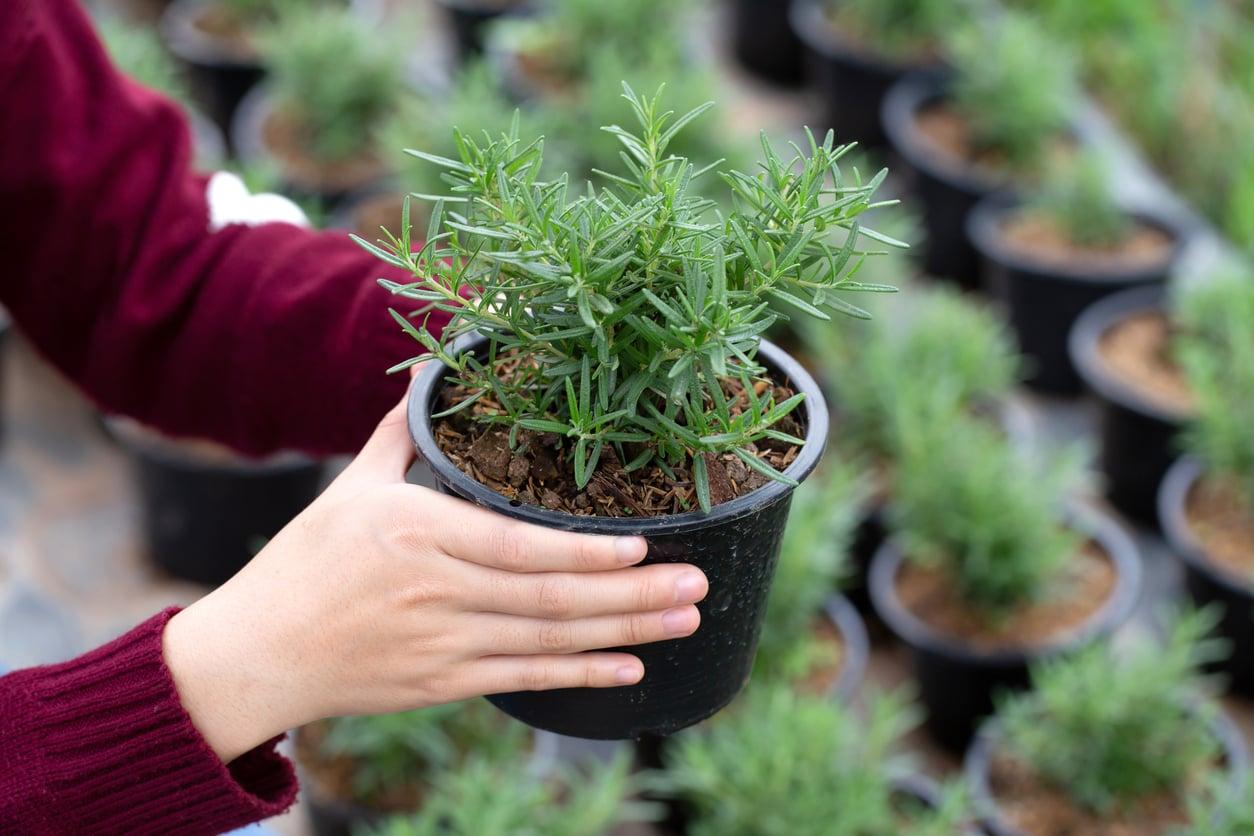
Rosemary is the kind of herb that ruins you for everything else. One whiff of it roasting with potatoes or lamb, and you'll want a pot of it growing in your kitchen forever. The problem? It's one of the most commonly killed herbs in the home garden. It wilts, it rots, it mysteriously dies after the first cold night on the patio — and most of us have no idea why.
The good news is that rosemary doesn't actually ask for much. Once you understand a few of its core needs, it will reward you with years of lush, fragrant growth and an almost endless supply of fresh sprigs for your kitchen.
Light: this plant doesn't compromise
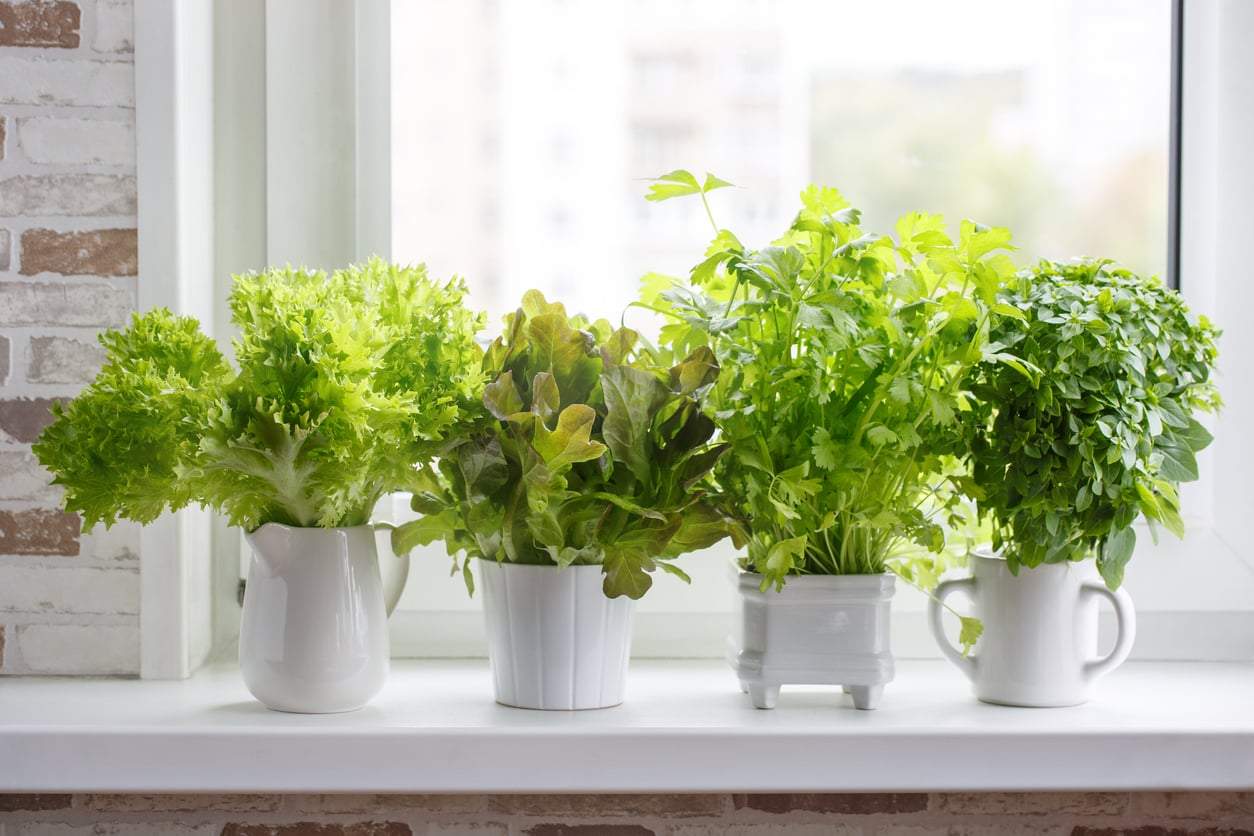
Rosemary comes from the sun-drenched coasts of the Mediterranean, and it needs full light — not as a bonus, but as a baseline. The ideal spot indoors is a south- or southwest-facing windowsill. Outside, choose the sunniest, most sheltered corner of your terrace or garden.
When it doesn't get enough light, rosemary tells you immediately: the stems stretch out, the leaves thin, and the scent fades. That distinctive aroma is produced by essential oils in the leaves — and those oils need sunlight to develop.
- Outdoors, full sun is ideal; it will survive in partial shade but grow more slowly.
- Indoors, place it at your brightest window — in winter, a small grow light makes a real difference.
- Keep it away from cold drafts, which the leaves are surprisingly sensitive to.
Soil and potting
Rosemary roots hate sitting in heavy, moisture-retaining soil. What they need is loose, well-draining, slightly alkaline soil — mix in some grit, perlite, or coarse sand to improve drainage. If you're growing it in a pot, always use one with drainage holes, and add a layer of gravel or broken clay pot pieces at the bottom to prevent water from pooling around the roots.
If you're planting rosemary in the garden, choose a slightly raised, well-drained spot. Waterlogged soil is the single most common reason rosemary roots rot and the plant dies.
Watering and feeding
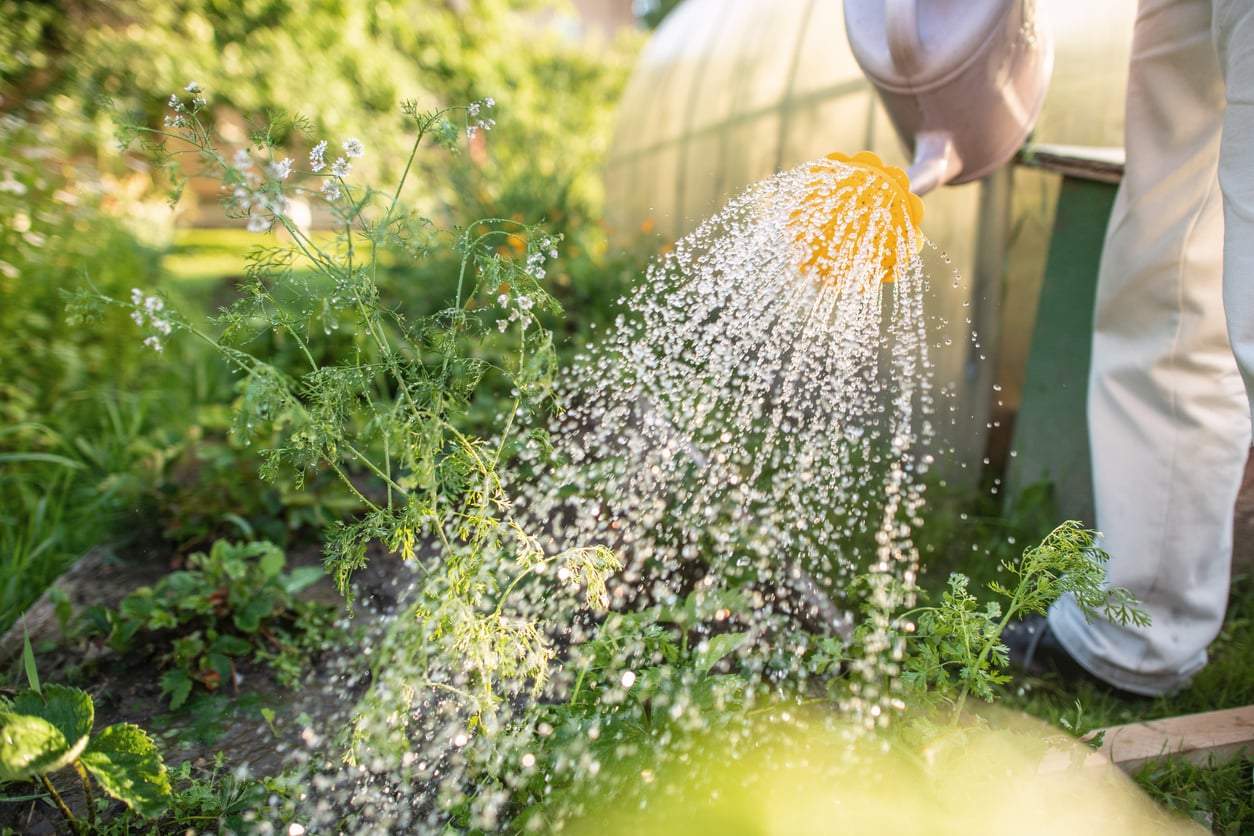
Here's where most people go wrong: rosemary handles drought far better than overwatering. Before you water, press your finger into the top layer of soil — only water if it's genuinely dry. In hot summer weather that might mean watering every few days; in winter, you can cut back dramatically, since the plant is essentially resting.
As for feeding, it doesn't need much. A diluted liquid fertilizer designed for herbs or Mediterranean plants, applied once a month from spring through early autumn, is plenty. Too much nitrogen actually reduces the concentration of the essential oils that give rosemary its intense flavor and scent — so more fertilizer is definitely not better here.
Pruning and shaping
Regular pruning does two things at once: it keeps your rosemary compact and attractive, and it encourages fresh new growth — which happens to be the most flavorful for cooking. In early spring, before new growth begins, trim back any long, woody stems. Throughout summer, simply harvesting regularly will naturally shape the plant.
One golden rule: never cut all the way back to the woody base. Rosemary struggles — or flat-out refuses — to regenerate from bare wood.
Overwintering and propagation
Rosemary is frost-sensitive, so in colder climates the safest approach is to grow it in a pot you can bring inside before the first hard frost. A cool, frost-free, bright spot works best — think an unheated porch, a light stairwell, or a cool spare room. Paradoxically, a warm, heated living room is actually harder on rosemary in winter than a cool space: the dry air and low light together put the plant under real stress.
Propagating rosemary is surprisingly easy. Take a stem cutting about 4 inches (10 cm) long, strip the lower leaves, and place it in water or moist, loose soil. Within a few weeks it will develop roots, and you'll have a brand-new plant to pot up — or give away to a friend who keeps killing theirs.
Harvesting and using it in the kitchen
For the most intense flavor, harvest rosemary in the morning, after the dew has dried but before the heat of the day sets in. That's when the essential oil content in the leaves peaks. Fresh rosemary is perfect for roasts, marinades, and infused olive oils.
If you've harvested more than you can use right away, drying is the best way to preserve it. Tie small bundles together and hang them upside down in a dry, well-ventilated, dark spot. Once the leaves are crumbly and crisp, strip them from the stems and store in an airtight glass jar — they'll hold their aroma for months.
Why does my rosemary keep dying indoors?
The most common culprits are overwatering and insufficient light. Make sure the soil dries out between waterings and that your plant is sitting at your brightest window. In winter, a small grow light can make the difference between a thriving plant and a struggling one.
Can rosemary survive winter outside?
In mild climates it can, especially in a sheltered spot. In areas with hard frosts, it's much safer to bring potted rosemary indoors before temperatures drop below freezing. A cool but frost-free, bright space is ideal.
How often should I water rosemary in a pot?
Only when the top layer of soil is dry to the touch. In summer that might be every few days; in winter, once every week or two is usually enough. When in doubt, underwater rather than overwater.
Does rosemary need fertilizer?
Very little. A diluted herb or Mediterranean plant fertilizer once a month from spring to early autumn is sufficient. Over-fertilizing, especially with nitrogen-heavy feeds, can actually weaken the plant's flavor and scent.
What's the easiest way to propagate rosemary?
Take a 4-inch (10 cm) stem cutting from a non-woody shoot, remove the lower leaves, and place it in water or moist, well-draining soil. It should root within a few weeks.