It looks pretty, smells like anise, and seems perfectly at home in any herb garden. But if you've planted fennel anywhere near your tomatoes, you may have already discovered the problem — weaker plants, smaller fruit, and a harvest that never quite delivers. Here's why fennel is one of the worst neighbors your tomatoes can have.
Why fennel and tomatoes make such a bad pair
Fennel roots release chemical compounds directly into the soil that inhibit the growth of many other plants — including tomatoes. This process is called allelopathy, and it happens silently, underground, where you can't see it.
The result? Your tomatoes grow more slowly, produce fewer flowers, and the fruit that does develop tends to be smaller and less flavorful than it would be with better companions nearby.
What fennel actually takes away from your tomatoes
It's not just chemistry. Fennel's deep, aggressive root system competes directly with tomatoes for water and nutrients — and it draws from exactly the same soil layer that tomatoes depend on.
In this underground competition, fennel almost always wins. Tomatoes are left with less of everything they need, which shows up as thin stems, pale leaves, and a disappointing yield by the end of the season.
How to spot the signs in your garden
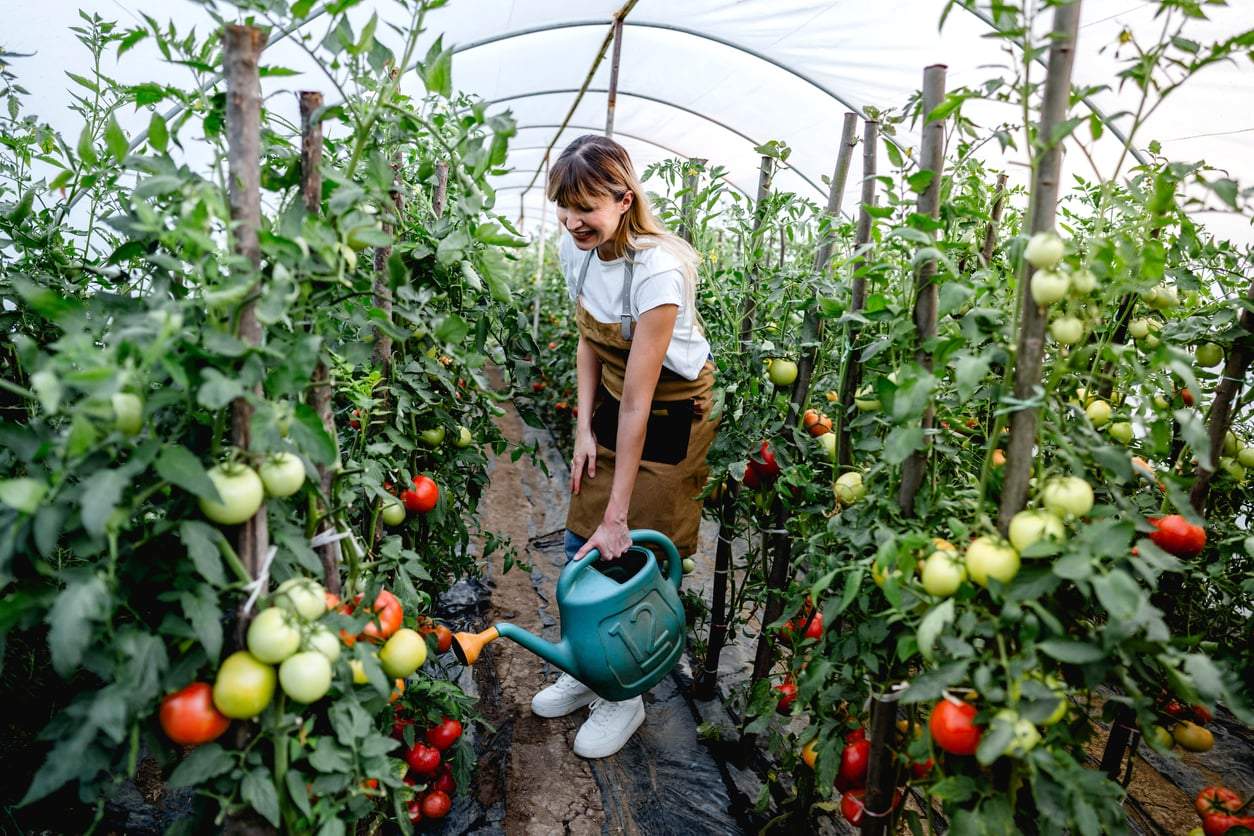
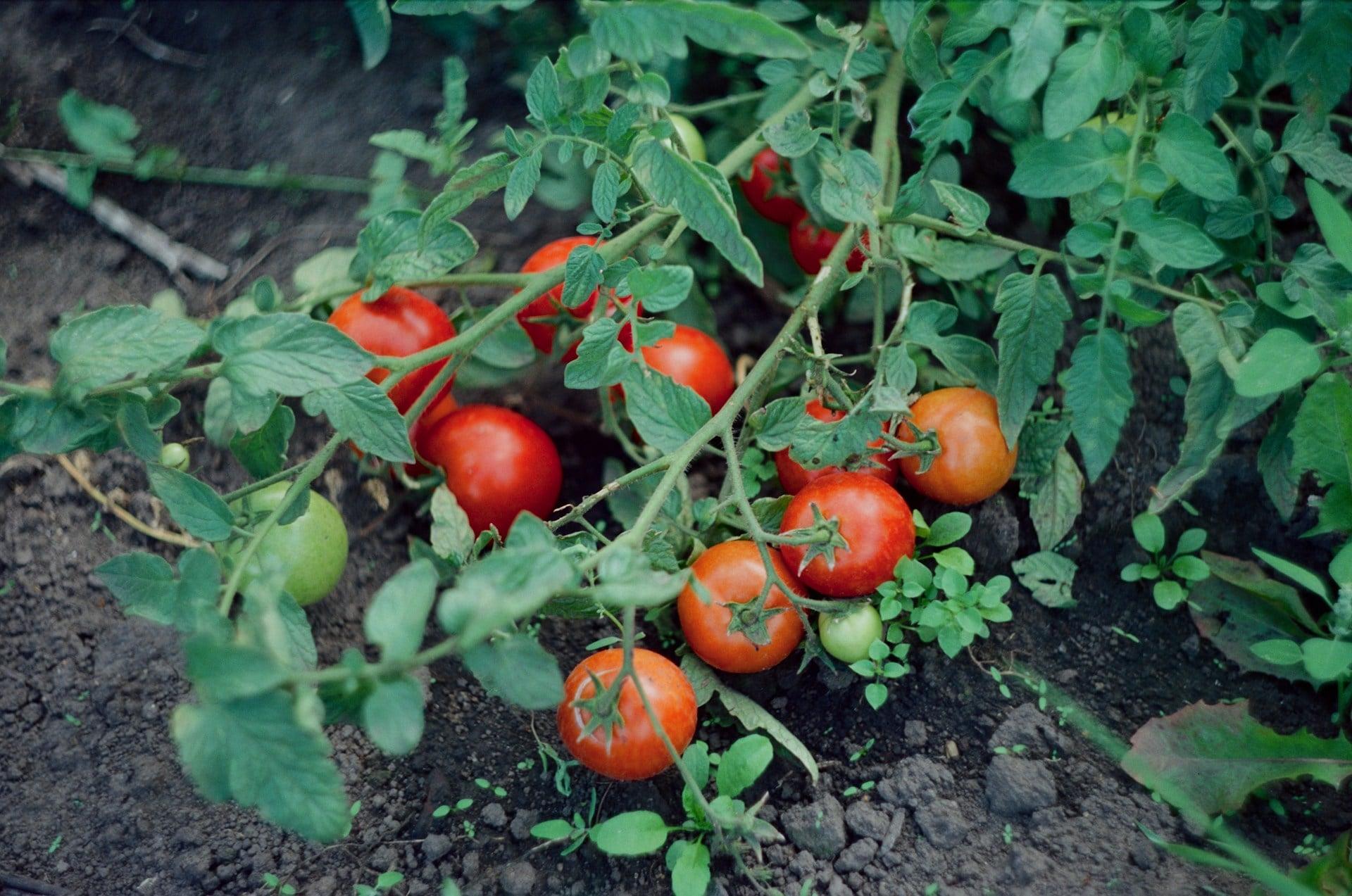
If one side of your tomato bed looks noticeably weaker — slower growth, slightly yellowed leaves, thinner stems — while the other side thrives, it's worth checking what's growing nearby at the roots.
The easy fix
The simplest solution is to give fennel its own dedicated space — ideally as far from your tomatoes as possible. A separate corner of the garden works well, or even a standalone pot on the patio.
If space is tight, a raised bed or a physical divider between planting zones can help ensure the roots don't intermingle and that the chemical compounds fennel releases don't reach the tomatoes' immediate growing area.
What to plant near tomatoes instead
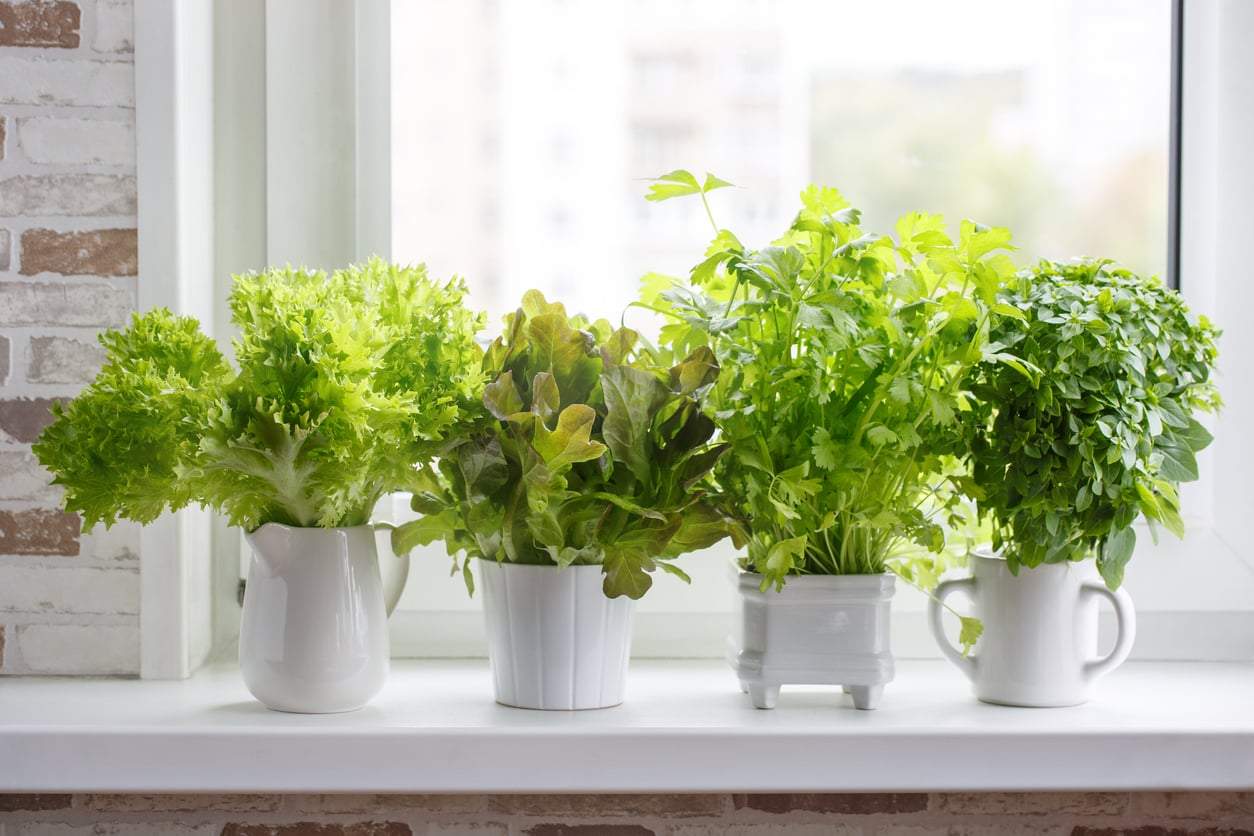
Tomatoes thrive with the right companions. Basil is a classic pairing — many gardeners swear it actually improves the flavor of the fruit, not just repels pests. Parsley and mint are also good neighbors that won't compete aggressively for nutrients.
For pest control, consider planting marigolds or garlic around your tomatoes. Both help deter common pests, which means your plants can put their energy into producing a great harvest — not fighting off unwanted visitors.
Frequently asked questions
Why is fennel bad for tomatoes specifically?
Fennel releases chemicals through its roots in a process called allelopathy, which suppresses the growth of nearby plants. Tomatoes are particularly sensitive to this, resulting in slower growth, fewer flowers, and smaller fruit.
How far away should fennel be planted from tomatoes?
The farther the better. Ideally, fennel should be in a completely separate bed or container. If space is limited, a raised bed or physical root barrier can help prevent its compounds from affecting nearby tomatoes.
What are the best companion plants for tomatoes?
Basil, parsley, and mint are all good companions that don't compete aggressively with tomatoes. Marigolds and garlic are also excellent choices, as they help keep common garden pests away.
Can I still grow fennel in the same garden?
Yes — just keep it well separated from tomatoes and other sensitive vegetables. Fennel grows beautifully on its own in a dedicated corner or container, where it won't affect the rest of your garden.