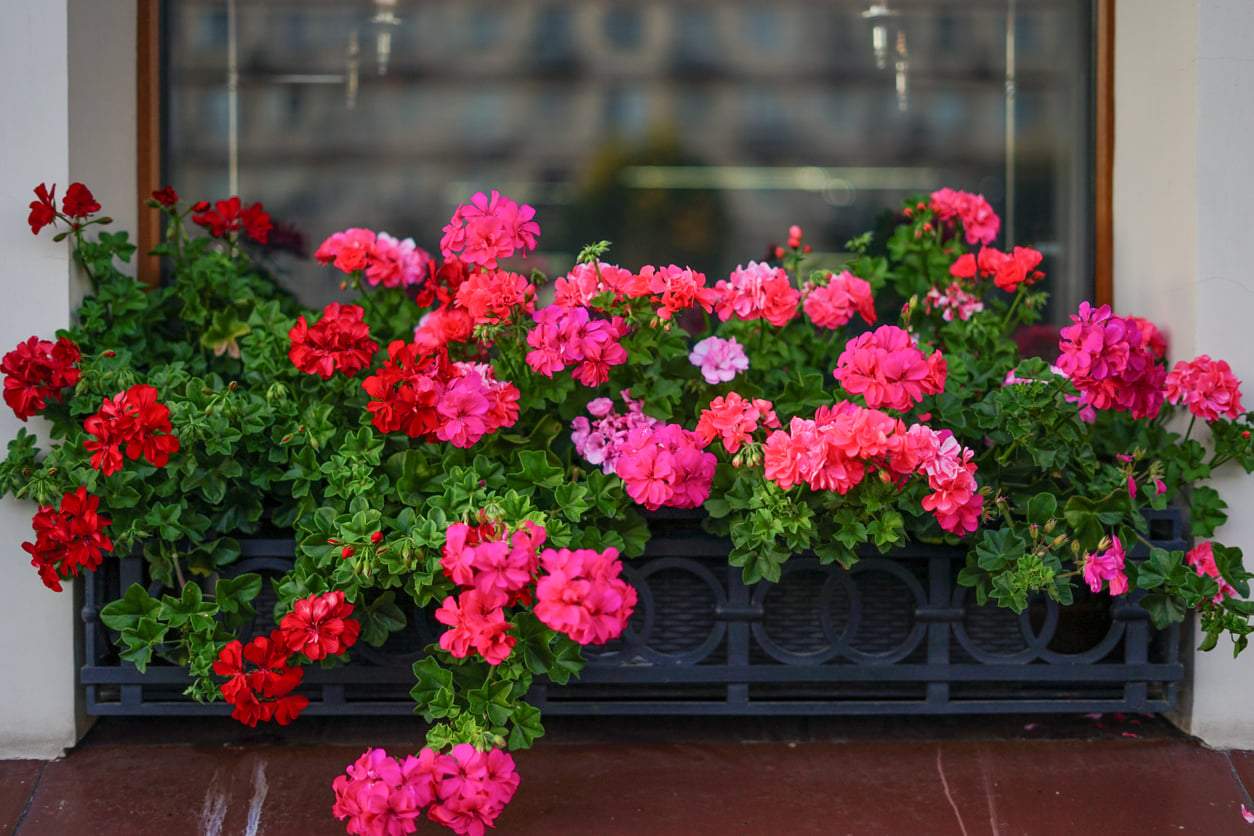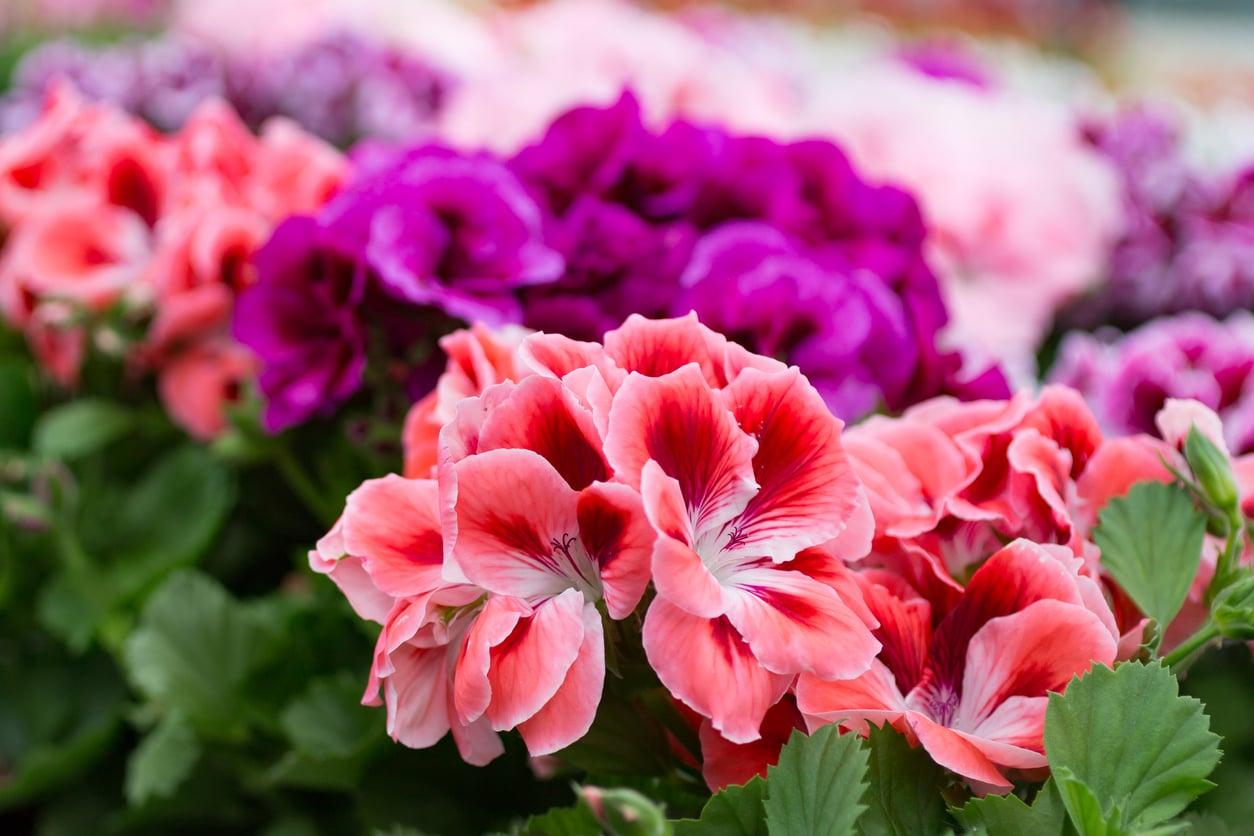
The moment you switch the heating on, your geraniums can start to look miserable. Leaves curl, edges go yellow, flowers drop — and it all seems to happen overnight. But before you write them off, there's a surprisingly simple fix that gardeners have used for generations.
Why geraniums struggle when the heating comes on
Central heating doesn't just warm your home — it dries it out dramatically. Indoor humidity can drop by half once the radiators kick in, and geraniums feel every bit of it. Their roots and leaves are highly sensitive to dry air: leaf edges turn yellow, stems go soft, and flowers fall off almost as soon as they open.
On top of that, a windowsill in the living room gets far less natural light than the garden or a sunny outdoor spot did all summer. So your plant is suddenly fighting low humidity and low light at the same time — a tough combination to handle.
The glass-of-water trick that actually works
One of the oldest — and most forgotten — tricks in the gardener's playbook is beautifully simple: place a glass of water next to the pot, close to the radiator. The warm air heats the water, it slowly evaporates, and that moisture drifts right toward the plant where it's needed most.
No humidifier, no special spray, no chemicals needed. Just keep the glass topped up and let it do its job.
If you have several plants lined up on a windowsill, try a larger tray filled with pebbles and water. Set the pots on top, making sure the base of each pot sits above the waterline — roots should never sit in standing water. This pebble tray method works on the same principle, just scaled up for a whole collection.
Where to keep geraniums indoors over winter
The ideal spot is a bright window that doesn't get direct midday sun, in a room that stays on the cooler side. Geraniums actually prefer temperatures around 50–60°F (10–15°C) during winter dormancy. An unheated hallway, a cool bedroom, or an enclosed porch can work far better than a warm, dry living room set to 72–73°F (22–23°C).
Keep the pot away from direct radiator heat, and avoid placing it near a drafty door. Steady and cool beats warm and fluctuating every time.
Water less, feed less — this is the time for rest
Geraniums slow right down in autumn and winter. They need a fraction of the water they consumed all summer. Only water when the top layer of soil is completely dry to the touch, and never let water pool in the saucer beneath the pot.
Fertilizing? Skip it entirely until spring. The plant isn't trying to grow right now — it's trying to survive. Excess nutrients during dormancy do more harm than good.
A light trim goes a long way
If stems have become leggy and some leaves have yellowed, don't be afraid to cut back. Remove any yellow or damaged leaves and trim off spent flower stems — they're drawing energy away from the plant without giving anything back.
A well-timed prune lets the geranium channel all its remaining energy into simply getting through the cold months. Come spring, it will bounce back noticeably stronger and bushier for it.
Patience is the most powerful tool you have
A lot of plant lovers panic when their geranium looks droopy after the first week of heating. But this adjustment period is completely normal. The plant is adapting to a new environment — and with the right support, it will settle in within a few weeks.
You don't need to repot, you don't need to treat it with anything special. Just give it a cool bright spot, hold back on the watering, and keep that glass of water by the radiator. Sometimes the oldest tricks really are the best ones.
How do I know if my geranium is getting too dry indoors?
The clearest signs are yellowing or crispy leaf edges, flower buds dropping before they open, and stems that feel soft rather than firm. If you notice these, move the plant somewhere cooler and start using the glass-of-water or pebble tray method straight away.
Should I repot my geranium before overwintering it?
Not unless the roots are visibly bursting out of the pot. Repotting during dormancy can stress the plant unnecessarily. It's far better to wait until early spring, when the geranium is starting to grow again.
Can geraniums survive winter in a warm living room?
They can, but they won't thrive. A warm room with dry air forces the plant to work harder than it needs to during dormancy. A cooler, brighter spot with added humidity gives it a much better chance of coming back strong in spring.
When should I start watering and feeding again in spring?
Once you see new growth appearing — usually from late February or March — you can gradually increase watering. Wait until the plant is actively growing before reintroducing fertilizer, typically from April onwards.