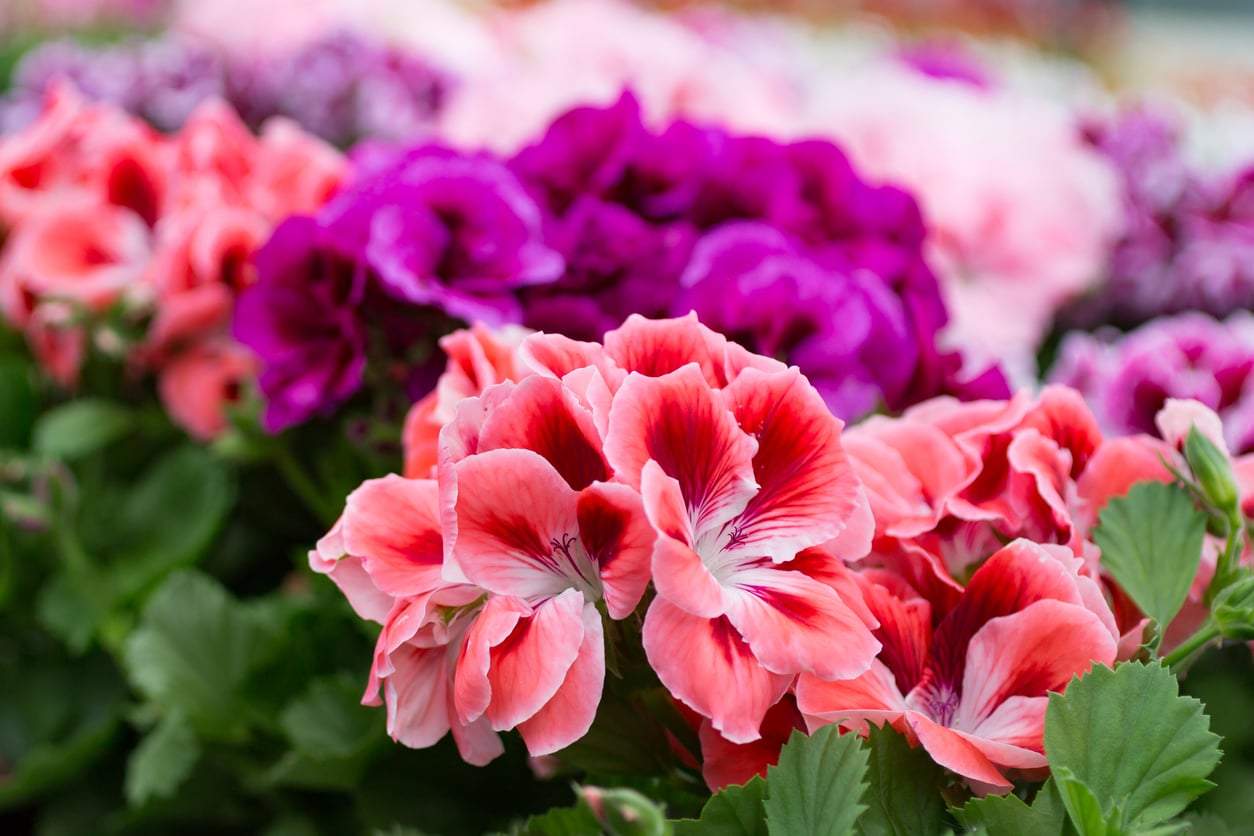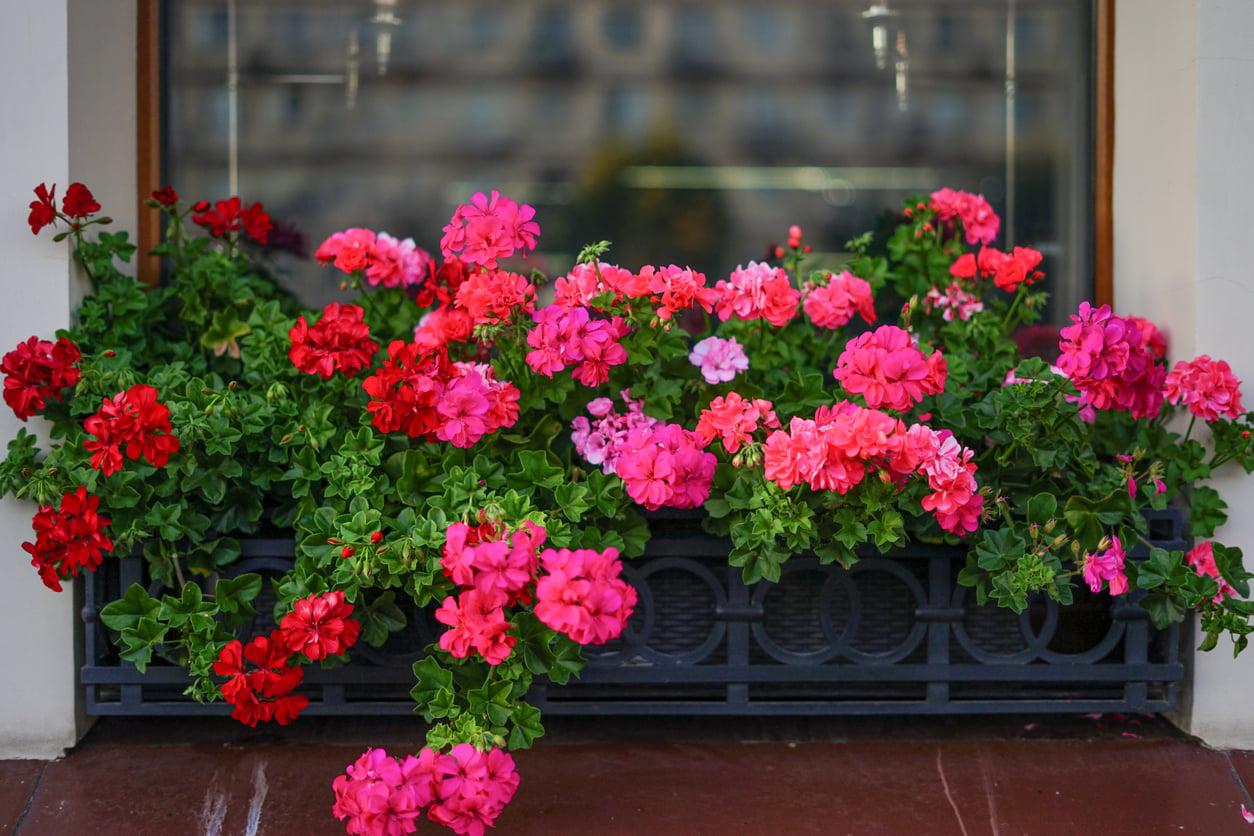
You step onto the terrace, reach for the geranium that was blooming happily yesterday, and the leaves crackle like dry paper under your fingers. A heatwave can destroy a pot you've nurtured all summer in just a few weeks, and at this point most people are already reaching for the bin.
Don't throw it out just yet. There's a good chance it can still come back.
Why geraniums give up so fast in the heat
The geranium is actually a pretty tough plant, but a pot sitting in full sun heats up dramatically by mid-afternoon, and the roots practically cook inside their own container.
Add a bit of wind to that, and the leaves lose water faster than the roots can pull it up. The result: drooping foliage that turns paper-dry and, at first glance, looks beyond saving.
The cheap ingredient most people forget about: sugar
That ordinary granulated sugar hiding in your kitchen cupboard is one of the oldest home tricks for reviving stressed, dried-out plants. Stir one tablespoon into a litre (about 4 cups) of lukewarm water and you're giving a quick shot of energy to a weakened root system that used up its reserves during the long thirst.
It's not a magic cure, and it won't replace regular watering. But often that little boost is exactly what kicks the plant's metabolism back into gear.
A geranium doesn't give up easily: as long as the root is alive, the leaves can still come back, even when the plant looks ready for the compost heap.
Just remember to keep the solution weak. Use it only lightly sweetened, because too much sugar has the opposite effect and actually locks moisture away from the soil.
If you love keeping your pots blooming all summer, you may also enjoy our other geranium care tips for long-lasting flowers.
How to water with it the right way
Pour the sugar water at the base of the plant early in the morning or late in the evening, once the soil has cooled and the plant isn't trying to process liquid in the midday heat.
First, soak the soil thoroughly with plain water so the dried-out earth can actually absorb moisture again, and only then follow with the sugared water. A medium pot needs just one or two decilitres (roughly half a cup to a cup); for larger window boxes, up to half a litre (about two cups) is fine.
A few extra things worth doing
- Trim back the completely dried, brown stem tips so the plant doesn't waste energy on parts that are already dead.
- Move it to a shadier spot for a few days while it recovers, then gradually reintroduce it to the sun.
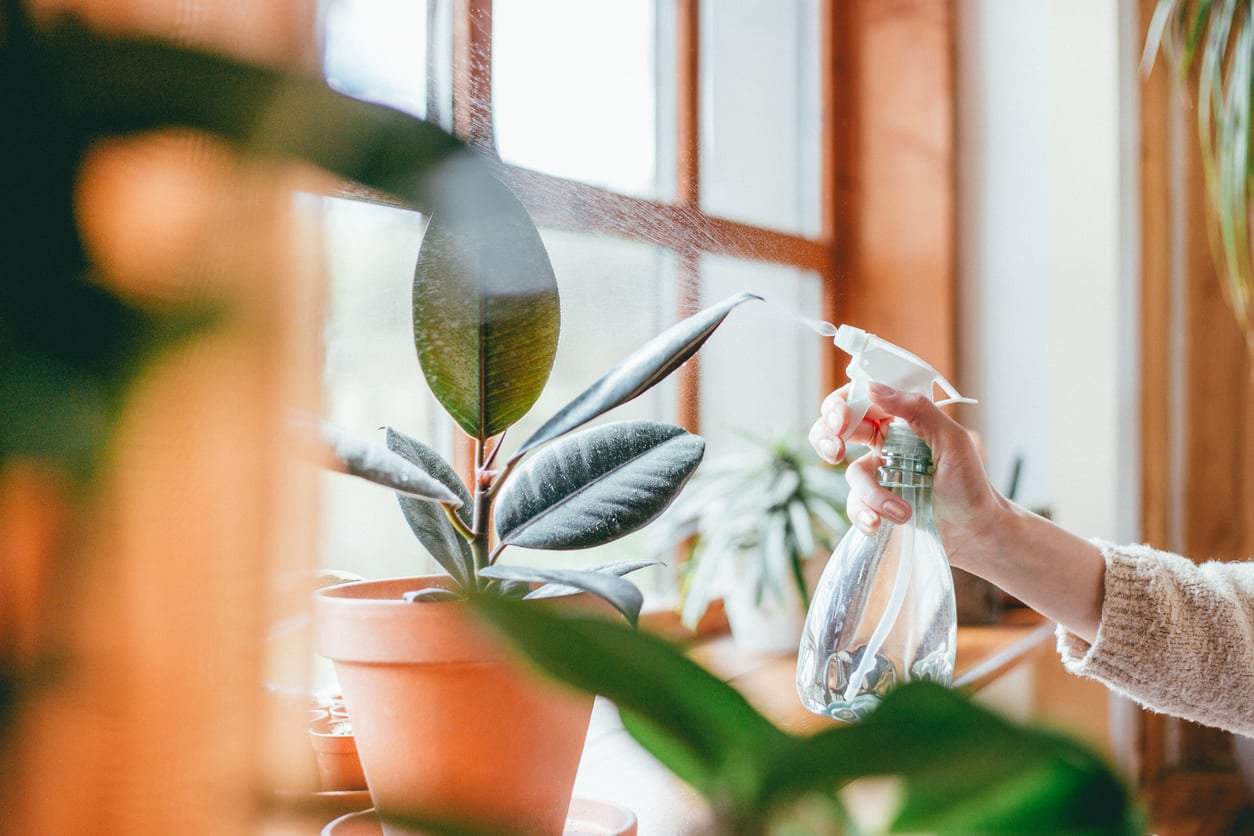
- If you can, lightly mist the leaves in the early morning too, which helps reduce water loss.
- Avoid watering in the afternoon in full sun, since droplets on the leaves act like tiny magnifying glasses and can scorch the plant.
When to expect improvement
In most cases, you'll see the first sign within two to three days: the younger shoots perk up and the leaves regain their firmness.
The fully dried, brown parts sadly won't recover, so it's worth snipping them off. But new shoots quickly fill in the gaps, as long as the root really did stay alive.
Can sugar water really save a dried-out geranium?
It's not a guaranteed cure, but a lightly sweetened solution gives a weakened root system a quick shot of energy that can jump-start the plant's metabolism, especially when the roots are still alive.
How much sugar should I use?
Just one tablespoon of granulated sugar stirred into a litre of lukewarm water. Keep it weak, because too much sugar actually locks moisture away from the soil.
When is the best time to water with it?
Early morning or late evening, once the soil has cooled. Soak the soil with plain water first, then follow with the sugar water so the dry earth can absorb it.
How long until my geranium recovers?
Usually within two to three days you'll notice the younger shoots reviving and the leaves regaining firmness. The brown, fully dried parts won't come back, but new growth fills in quickly.