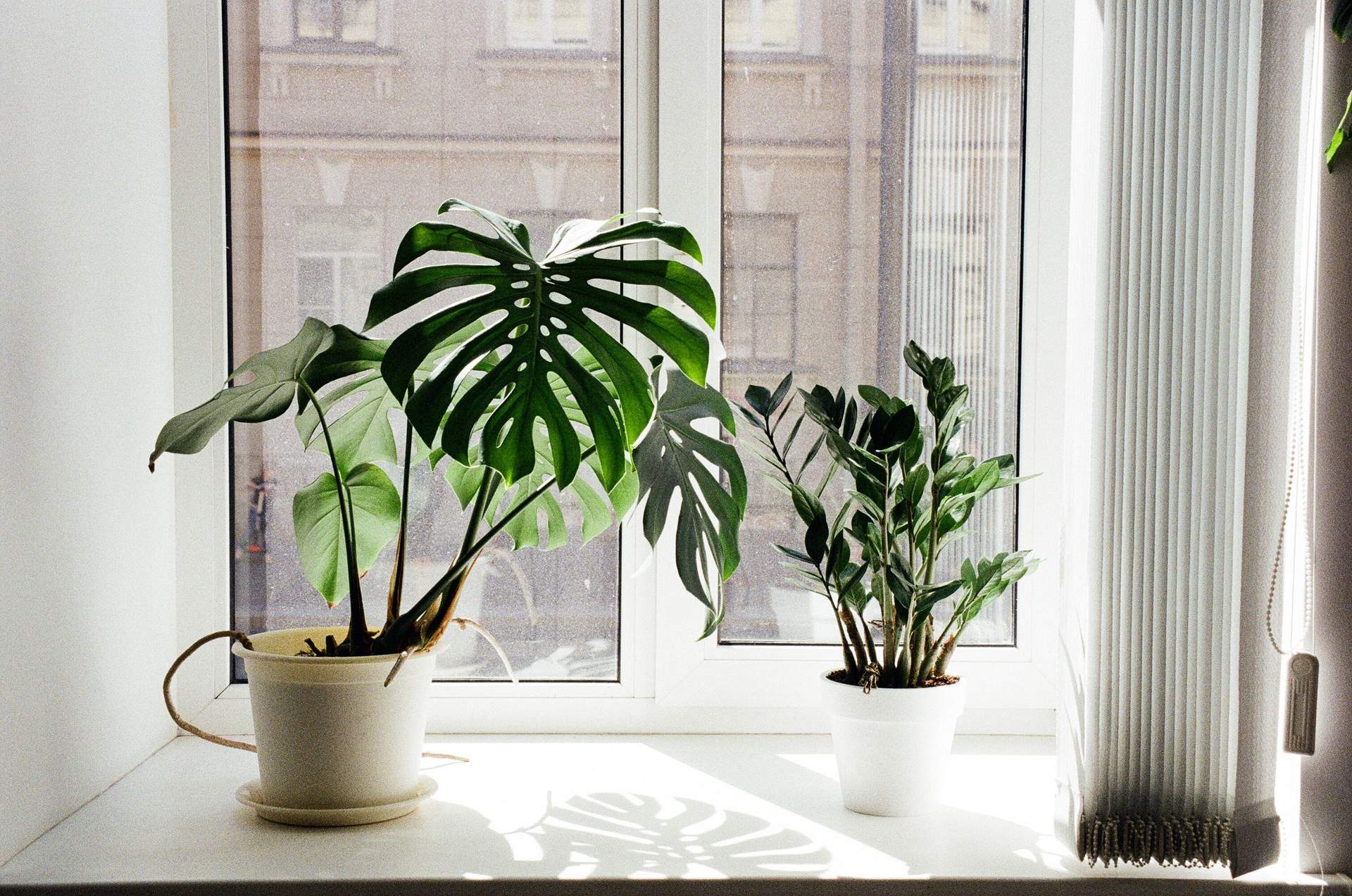
You're squeezing the last few things into your suitcase, the taxi is almost there — and then it hits you: what about the plants? That beloved fiddle-leaf fig. The trailing pothos you've been nurturing for two years. The succulents lined up on the windowsill. Will they survive without you?
The good news is that you don't need to guilt-trip a neighbour into watering duty. With a few clever tricks, your houseplants can look after themselves — or very nearly — for a week or two while you're away.
Set the scene before you leave
The day before you go, your main job is simple: protect your plants from drying out too fast. Start by moving pots away from sunny windowsills and into cooler, shadier spots around the room. Pull the blinds halfway down to reduce direct light and slow evaporation.
Group your plants closely together. When placed side by side, they create a shared humid microclimate — the moisture they release through their leaves benefits each other, significantly slowing down how quickly the soil dries out.
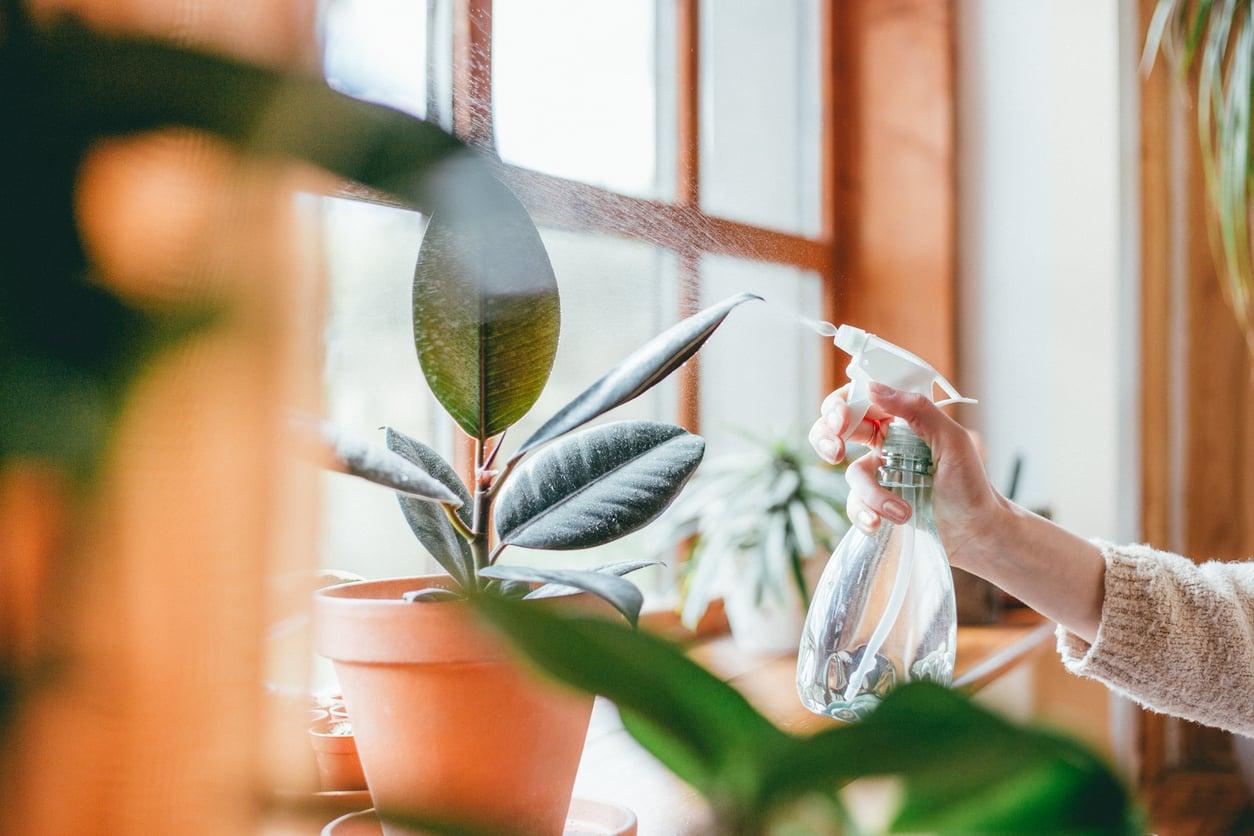
Finish with a thorough, lukewarm shower for all your plants. Rinse the leaves gently — this removes dust so they can breathe more efficiently — and let the water soak deep into the soil. Think of it as a spa day before you both go your separate ways.
DIY watering systems that genuinely work
For a trip of up to a week, you can build a surprisingly effective self-watering system from things you already have at home. Fill a large container or bucket with water and place it on a stool or small table. Arrange your pots on the floor around it, then run thick cotton wicks — old shoelaces or twisted yarn work perfectly — from the water container down into the soil of each pot.
The wicks will draw up exactly as much moisture as the soil needs, delivering a steady, slow supply of water without flooding the roots. It's low-tech, but it works remarkably well.
Another brilliant method: fill an empty plastic bottle with water, flip it upside down, and push it firmly into the loosened soil. The bottle will release water gradually as the soil dries, making it ideal for thirstier plants like ferns or peace lilies. No gadgets, no cost — just physics doing the work for you.
For longer trips of two weeks or more, try the bathtub method. Run a few centimetres of water into the tub, lay a thick folded towel on the bottom, and place your plants (removed from their decorative outer pots) directly on the towel. They'll absorb water from below at their own pace — hydrated but never waterlogged.
Ready-made solutions worth buying
If DIY isn't your thing, garden centres offer some genuinely attractive options. Terracotta or ceramic watering spikes are a popular choice — you fill them with water, push them into the soil, and they slowly release moisture over several days while looking elegant in the pot.
Another excellent option is water-retaining gel crystals mixed into the soil before you leave. These tiny granules absorb many times their own weight in water and then release it steadily to the roots over days — a simple, mess-free solution for moisture-loving plants.
Two things you should never do before leaving
Before you head out the door, keep these two rules in mind:
- Don't fertilise your plants right before you go. Fertiliser encourages growth, and growth means higher water demand — the last thing you want when no one is around to water.
- Don't leave standing water in the saucers under your pots. Waterlogged roots quickly run out of oxygen, leading to root rot. It's one of the fastest ways to lose a plant, and it often happens with the best intentions.
A little preparation goes a long way. Take an hour before your trip to set things up properly, and you'll come home to healthy, thriving plants — not a sad collection of wilted leaves.