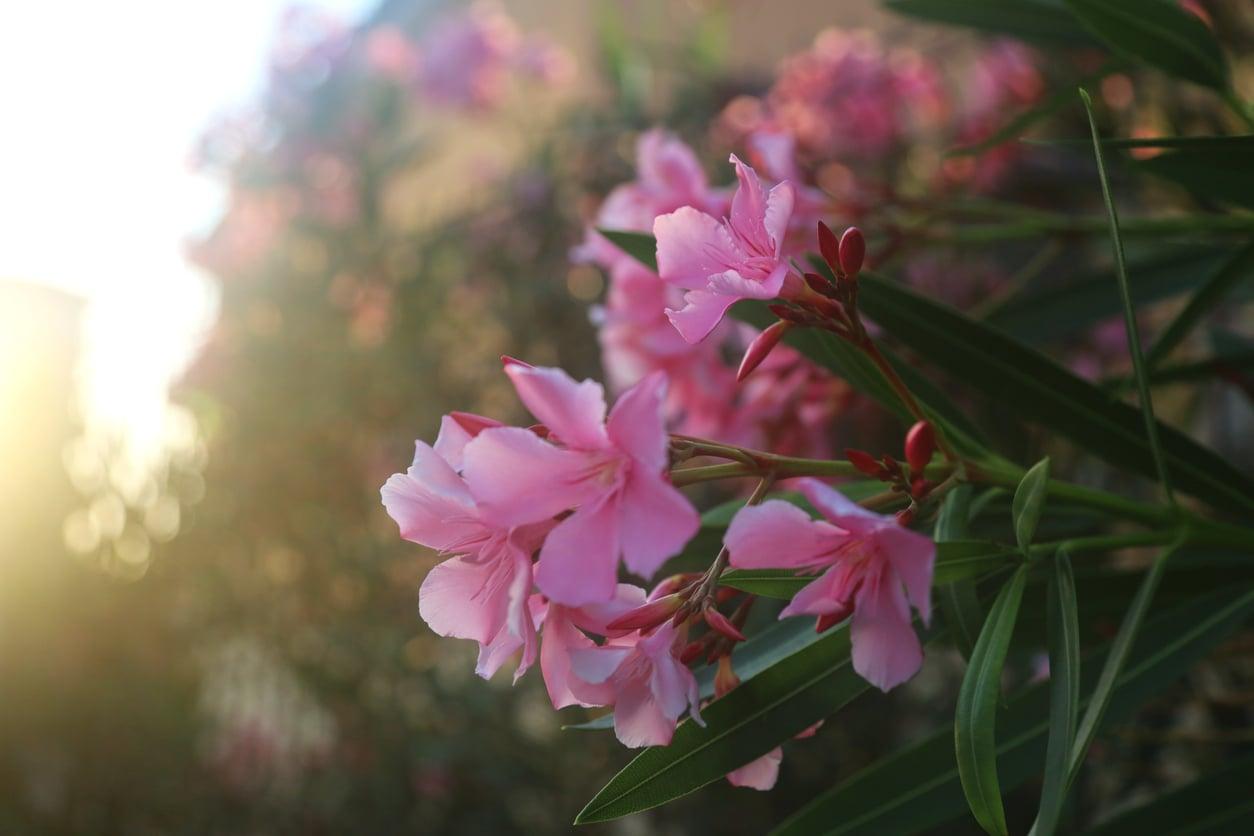
Oleander is a sun-loving Mediterranean plant that thrives in heat and light — but once autumn arrives, it needs your help to get through the cold months safely. When you bring it in, where you keep it, and how much you water it over winter all matter more than most people realize. Too warm, too wet, or brought indoors at the wrong moment, and the plant can struggle badly. Follow a few simple rules, though, and it will reward you with strong new growth and beautiful blooms come spring.
When should you bring your oleander inside?
There's no need to rush your oleander indoors at the first chilly autumn day — it handles mild cool temperatures just fine. What you want to avoid is leaving it out when sustained frost is on the way, especially once overnight temperatures start dropping close to freezing.
Bringing it in too early isn't ideal either. In a warm indoor environment, the plant can't settle into proper dormancy — which it genuinely needs.
If the weather allows, keep it outside as long as daytime temperatures stay mild, then move it to its winter spot before the first hard frost. Before you bring it in, inspect the leaves and stems carefully for pests — hitchhiking insects can quickly spread to other houseplants once they're inside.
Where should you keep it over winter?
The ideal winter home for an oleander is somewhere bright, cool, and frost-free. An unheated but insulated porch, a stairwell, a garage, or a light basement can all work well, as long as temperatures don't consistently drop below freezing. Somewhere around 41–50°F (5–10°C) is ideal — cool enough for the plant to slow down and rest, but never cold enough to damage the roots.
If your only option is a heated living space, don't place it next to a radiator or heating vent. Dry, warm air quickly causes leaf drop and shriveled shoot tips. In that case, find the coolest, brightest spot in your home — near a large window away from any heat source is your best bet.
Water much less than you think
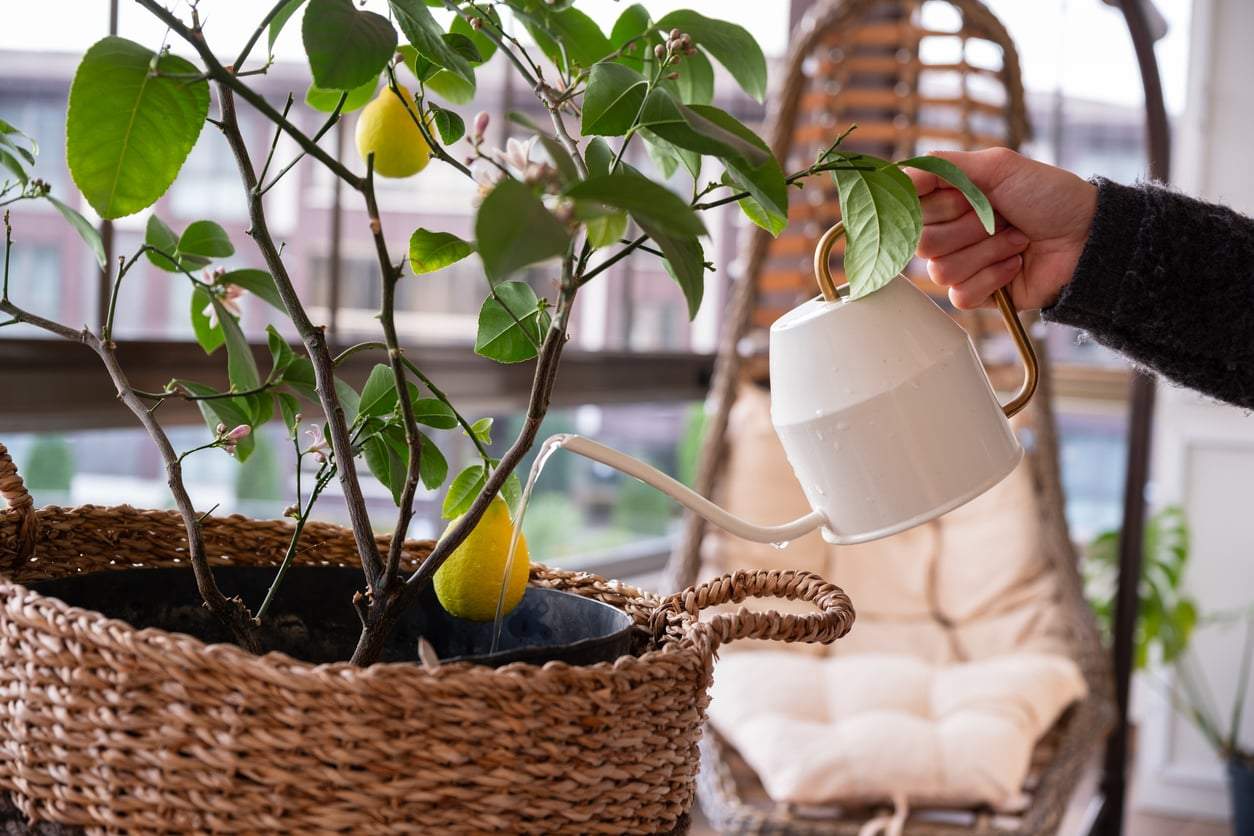
One of the most important overwintering rules: don't water your oleander in winter the way you do in summer. In a cool environment the plant is barely growing, so its water needs drop dramatically. Overwatering a dormant oleander is one of the fastest ways to damage its roots.
Before each watering, check the soil and only water when the top layer has dried out. In a cool winter spot, that gap between waterings can be surprisingly long — sometimes several weeks. The goal isn't to keep the soil constantly moist; it's simply to make sure the root ball never dries out completely.
Some leaf drop is completely normal
Don't panic if your oleander drops a few leaves in autumn or early winter. The sudden change in environment — from outdoors to a sheltered indoor spot — can cause some yellowing and leaf loss, and this on its own doesn't mean the plant is sick or dying.
You can remove fully dried leaves without worry, but don't respond by watering more frequently. However, if large amounts of foliage are falling, the stems are drying out, or you spot signs of pests, it's worth checking whether the plant is too warm, too dry, or too wet where it's wintering.
Don't rush it back outside in spring, either
Overwintering ends once the risk of overnight frost has passed — but even then, take it slowly. Reintroduce your oleander to outdoor conditions gradually, especially when it comes to direct sunlight. After months indoors, intense spring sunshine can actually scorch the leaves, so start it off in a sheltered, semi-shaded spot first.
As temperatures climb, you can gradually increase watering again. Once the plant shows active new growth, you can return to its regular spring care routine. Overwinter it well, and it will more than repay you — fresh shoots appear quickly, and the blooms won't be far behind.
When exactly should I bring my oleander indoors?
Bring it inside before the first sustained frost — typically when overnight temperatures are consistently forecast near or below freezing. In most parts of the US, this means sometime in October or November depending on your region.
Can an oleander survive winter indoors in a warm apartment?
It can survive, but it won't thrive as well as in a cool, bright space. If kept in a warm room, place it in the coolest, most well-lit spot available and avoid positioning it near any heat source. Expect some leaf drop as a normal response to the conditions.
How often should I water my oleander in winter?
Much less than in summer. Only water when the top layer of soil has dried out, which in a cool location can mean every few weeks. The key is to prevent the root ball from drying out completely without ever letting the soil stay soggy.
Why is my oleander dropping so many leaves in winter?
A small amount of leaf drop is a normal reaction to the change in environment. Heavy, ongoing leaf loss combined with drying stems may signal that the plant is kept somewhere too warm, too dry, or — if the roots are affected — overwatered. Check all three conditions before adjusting your care.