There is a particular moment of domestic betrayal when you open the dishwasher, reach for a clean glass, and find it filmy. Or you run a finger round a bowl and feel grit. It always seems to happen on a week when nothing else has capacity, and the instinct is to blame the detergent, buy a different one, and quietly lower your standards.
The machine is almost never broken. A dishwasher is the one appliance in the house that spends its whole life covered in food and never gets washed itself, and everything that goes wrong with it — smell, grit, cloudiness, dishes that come out wet — traces back to three or four places you can reach with your hands in under half an hour.
The filter is doing more work than you think
Almost every modern dishwasher has a removable filter sitting in the floor of the tub, usually a cylinder you twist and lift out. That is where the food that rinses off your plates ends up, and if it is clogged, dirty water is being pumped back over your dishes for the whole cycle. That is your grit.
Take it out, tip the debris into the bin rather than the sink, and wash it under hot running water with a little washing-up liquid and an old toothbrush. Get into the mesh. Rinse the well underneath it too — there is often a surprising amount of sludge sitting in that little basin. Put it back and make sure it locks; a filter sitting loose can rattle and let large debris into the pump.
Spray arms, seals and the parts nobody looks at
Next, spin the spray arms with your hand. They should turn freely. Hold them up to the light and check the small holes: limescale and fruit seeds block them, and a blocked arm means one corner of your load never gets properly washed. A cocktail stick or a straightened paperclip clears them in a minute. On most machines the arms unclip for a proper rinse.
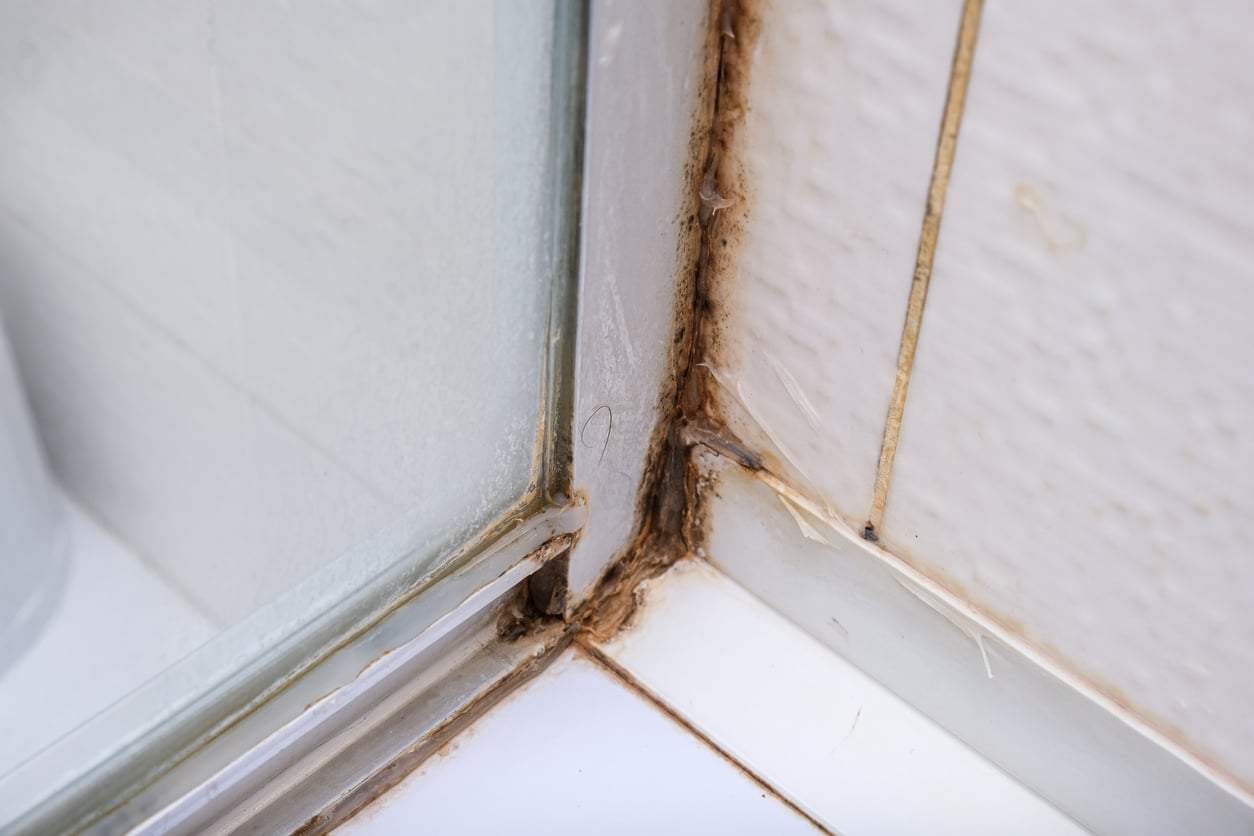
Then the door. Run a damp cloth around the rubber seal, into the folds, and along the bottom lip of the door frame — the strip below the tub that the spray never reaches. This is where the smell lives. If there is dark residue, a cloth with a little white vinegar shifts it. Wipe the detergent dispenser flap too, especially if you use tablets that sometimes fail to release.
Then run it empty and hot
With the machine clean and empty, place a heatproof cup of white vinegar upright on the top rack and run the hottest cycle. The heat plus acid loosens the greasy film and light limescale on the interior. If your water is hard and the inside has a chalky bloom, this is the step that earns its keep. Some people prefer a proprietary dishwasher cleaner, which is fine — just do not combine products in the same cycle.
If odour is the main complaint rather than scale, sprinkle a couple of tablespoons of bicarbonate of soda across the floor of the tub and run a short hot cycle afterwards. Do it as a separate run, not in the same load as the vinegar.
The habits that stop it coming back
Scrape plates, do not rinse them spotless. Modern detergents contain enzymes that need something to grab onto, and a genuinely pre-washed load often comes out worse. Scrape solids into the bin, leave the film.
Keep the rinse aid and, if your machine takes it, the dishwasher salt topped up — those two do most of the work on cloudy glasses and wet plastics. Load so that nothing blocks the spray arms from turning, run a hot cycle rather than eco every few loads, and leave the door ajar for twenty minutes after it finishes so the inside dries instead of stewing.
How often should I actually clean my dishwasher?
Check and rinse the filter weekly if you cook most nights, fortnightly if you do not — it takes two minutes once you have done it a few times. The fuller clean with spray arms, seals and a hot empty cycle suits a monthly rhythm, or whenever you notice grit, smell or film returning, whichever comes first.
Why do my glasses come out cloudy even after cleaning?
There are two different clouds. If the film wipes off or disappears when you hold the glass over steam, it is limescale or detergent residue, and rinse aid, salt and a hot vinegar cycle will fix it. If it does not shift at all, it is etching — permanent micro-damage from very soft water, too much detergent or very high temperatures — and the only cure is prevention: less detergent, a gentler cycle, and hand-washing your good glassware.