Your home is like a sponge — it soaks up the moods, tensions, and unspoken frustrations of everyone who spends time in it. This is especially true after a difficult conversation, a tense visit, or a long-simmering conflict that finally boiled over in your living room. If something feels off lately, these four signs might explain why.
1. The air feels heavy — even after you've opened the windows
You air out the room, a fresh breeze comes through, and yet the space still feels thick and oppressive. That almost tangible heaviness is something many people notice most intensely in the exact spot where a heated argument or tense exchange took place — as if the air itself has held onto the emotional charge of that moment.
It's not just your imagination. The feeling that a room won't "reset" is one of the most commonly reported signs that a strong emotional imprint has been left behind.
2. Your sleep suddenly gets worse
If you're waking up more often during the night, having unusually vivid or unsettling dreams, or simply not feeling rested — and nothing obvious has changed in your routine — it's worth asking what has changed in your environment.
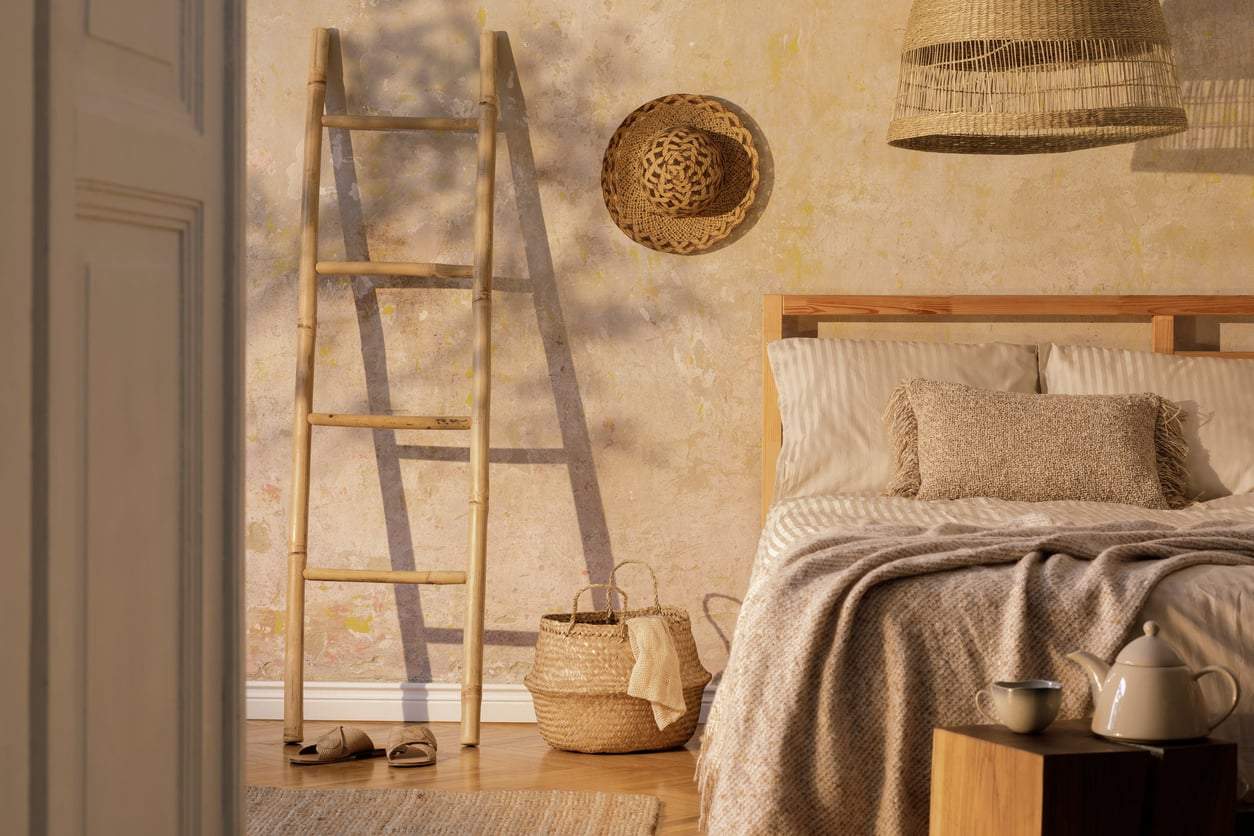
Sleep is one of the most sensitive indicators of whether a space truly feels safe and calm. Your bedroom in particular should be a sanctuary. When the energy in it shifts, your body often notices before your conscious mind does.
3. Your pets or plants are acting strangely

Dogs and cats are far more sensitive to the atmosphere of a space than we are. If your usually relaxed cat suddenly avoids a particular room, or your dog growls for no apparent reason at a specific corner, take it seriously — animals don't rationalize what they feel.
Houseplants can be equally telling. A plant that was thriving and suddenly starts to wilt — with no change in watering, light, or temperature — and happens to sit in the room where tension ran highest, is worth paying attention to.
4. You feel more irritable and drained at home than anywhere else
This one is perhaps the most important sign. If you walk through your front door and almost immediately feel tired, short-tempered, or vaguely reluctant to be there — while you feel perfectly fine at work or with friends — something in your home environment deserves a closer look.
Your home should be a refuge, not a place you want to escape from.
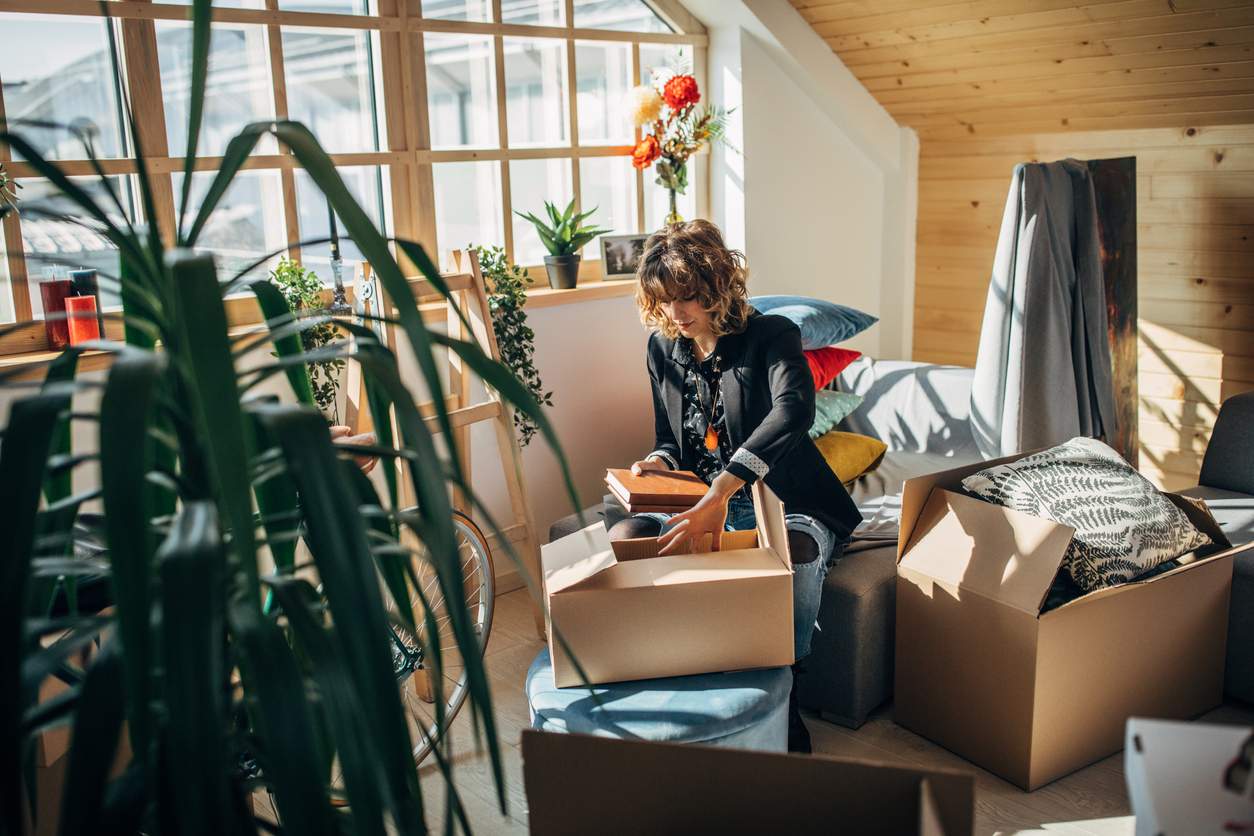
If this feeling lingers, it's worth taking action: open everything up, declutter, and make a conscious effort to invite lighter, fresher energy back into the space. Rearranging furniture, burning a candle, or simply doing a thorough clean can shift the atmosphere more than you might expect.
These signs aren't scientific proof of anything — think of them as gentle nudges from your own intuition. And when it comes to whether your home still feels like home, there's really no better compass than that.
Can a home really absorb negative energy?
While there's no scientific measure for it, many people consistently notice that spaces where emotional tension occurred feel different afterward — heavier, less comfortable, harder to relax in. Whether you call it energy, atmosphere, or emotional residue, the experience is widely reported and worth taking seriously.
What can you do to clear negative energy from a room?
Practical steps like thorough ventilation, decluttering, and cleaning are a great start. Many people also find that rearranging the furniture, adding plants, or introducing natural light helps reset the feel of a space. The key is doing it with intention — actively choosing to refresh the energy in your home.
Why do pets seem to react to changes in a home's atmosphere?
Animals rely heavily on their senses and instincts, which makes them highly attuned to shifts in environment and emotional atmosphere. Dogs and cats in particular often respond to subtle cues — sounds, scents, and even the body language history of a space — that humans tend to consciously overlook.
Is disrupted sleep really a sign of negative energy, or could it be something else?
Disrupted sleep can have many causes, from stress to screen time to temperature. The article suggests paying attention to whether the change coincides with a specific event — like a difficult visit or argument — and whether it's localized to one particular room, which may point to an environmental or emotional cause rather than a purely physical one.