Both feng shui and modern decluttering philosophy share a core belief: your home reflects your inner world — and what you keep around you quietly shapes how you feel, think, and grow. If abundance feels out of reach, the answer might not be in your bank account or your schedule. It might be sitting on a shelf, stuffed in a drawer, or hanging untouched in your closet. Here are the five most common energy-blocking objects worth taking a hard look at.
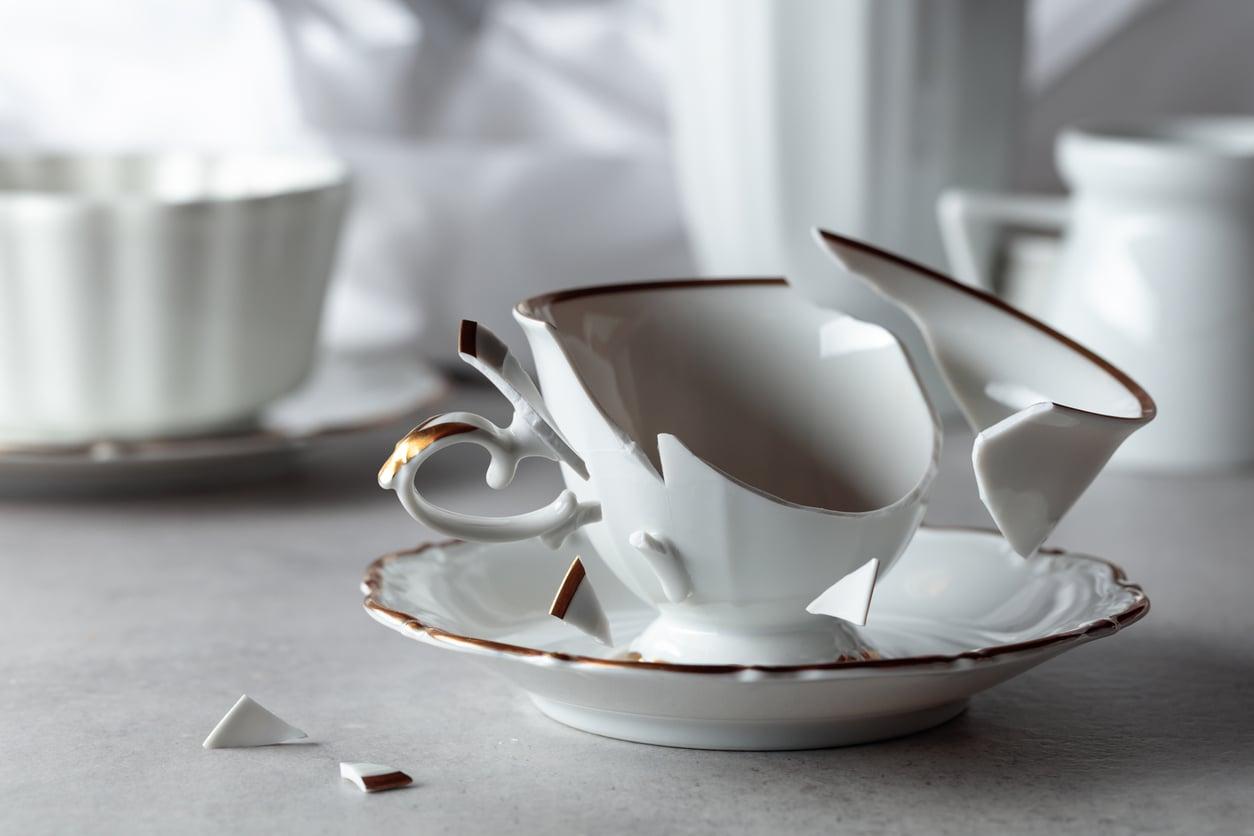
1. Chipped and cracked mugs and plates
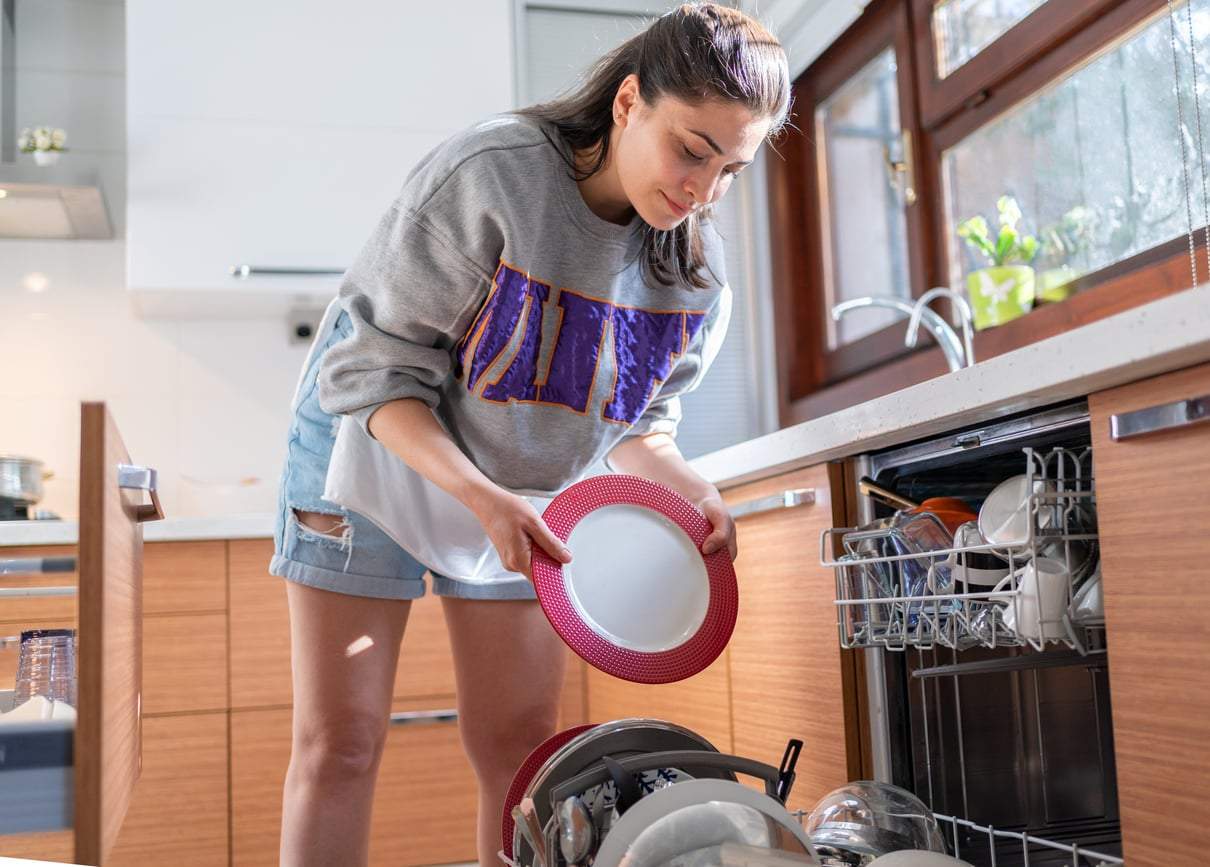
Almost everyone has a favorite mug with a missing chunk from the handle or a hairline crack running down the side. Many of us hold onto these for sentimental reasons — it was a gift, it feels familiar, it has history. But here's the thing: eating and drinking from damaged items sends a subtle, daily message to your subconscious that you're willing to settle for broken, incomplete things.
The energy of abundance struggles to flow in when the objects woven into your everyday rituals are already flawed. Go through your kitchen cabinets and let go of anything chipped or cracked. It sounds small, but the shift it creates is surprisingly real.
2. Unused and broken electronics
That old phone sitting in a drawer. The charger cable that frayed years ago. The camera you haven't touched since before the pandemic. The tablet that hasn't been switched on in so long you've forgotten the passcode. These items don't just take up physical space — they carry stagnant energy.
These devices were once symbols of connection, progress, and possibility. Now they silently remind you of things you meant to deal with but never did. Broken electronics symbolically signal that your forward momentum has stalled. If something can't be repaired, recycle it responsibly at an e-waste drop-off. If it still works but you never use it, donate it to someone who will.
3. Dying or dead houseplants
Plants bring living energy into your home, which is exactly why a struggling, browning, leaf-dropping plant can quietly undermine the atmosphere of a whole room. A dying plant constantly signals to the space around it — and to you — that something here isn't getting enough nourishment or attention to thrive.
That's the opposite of abundance. If a plant has been visibly suffering for weeks despite your best efforts, it's okay to let it go. Release it and replace it with something new — something you genuinely feel excited to care for. That act of intentional renewal matters more than you might expect.
If you're looking for low-maintenance options that are hard to kill, shade-tolerant houseplants are a great place to start.
4. Mementos from past relationships
The box of letters, photographs, and gifts from a relationship that ended long ago carries more emotional weight than most of us admit — even if you rarely open it. The simple fact that you're keeping it often signals that a part of you is still anchored to that chapter, that person, that version of yourself.
Energetically, that held space is unavailable for what could grow in its place: a new relationship, a deeper sense of self-worth, or simply more emotional freedom.
You don't have to burn everything overnight. But it's worth asking yourself honestly: what are you actually keeping as a meaningful memory — and what is only staying because you've never made the decision to let it go?
5. The "I'll wear it someday" clothing pile
Nearly everyone has a section of their wardrobe reserved for clothes that might fit again one day, might come back into style, or might finally get worn to the right occasion. These pieces often sit untouched for years, yet every morning they silently steal space and mental energy from the clothes you actually feel good in.
This is the energy of procrastination in its purest form: no decision made, no action taken, just a holding pattern of comfortable uncertainty. If you haven't worn something in over a year and can't honestly picture yourself reaching for it anytime soon, it's probably time to pass it on.
If decision fatigue and avoidance feel like patterns in your life beyond just the closet, it might be worth exploring what's really behind the habit of putting things off.
You don't have to overhaul everything at once
You don't need to tear your entire home apart to start feeling a real difference. Begin with these five areas. Pay attention to how the space around you shifts — and how something inside you shifts along with it. Sometimes the most powerful changes start with simply deciding what no longer deserves a place in your life.
What does feng shui say about clutter and abundance?
Feng shui teaches that physical clutter creates energetic stagnation — meaning blocked, slow-moving energy that makes it harder for positive change, prosperity, and wellbeing to flow into your life. Clearing out objects you no longer need is one of the simplest ways to invite renewal.
Do I have to throw everything away, or can I donate it?
Donating is often even better than throwing things away. Passing on items that still work — old electronics, unworn clothes, or usable kitchenware — keeps them in circulation and can benefit someone else. The key is simply making a conscious decision rather than letting things linger indefinitely.
Why do chipped mugs and plates matter energetically?
According to both feng shui principles and mindset-based decluttering approaches, damaged everyday objects subtly reinforce a "settling for less" mindset. The objects you interact with most daily — especially during meals — have an outsized influence on how you feel about yourself and your environment.
How do I know if a houseplant is past saving?
If a plant has been visibly declining for several weeks despite regular watering and appropriate light, and shows no signs of new growth, it's generally a good sign to let it go. Replacing it with a plant you're genuinely enthusiastic about caring for is a much healthier choice for your home's energy.
Is it wrong to keep mementos from a past relationship?
Not necessarily — the article suggests reflecting honestly on your motivations. Keeping something as a genuinely meaningful memory is different from holding onto it simply out of habit or because you've never made a conscious decision about it. The goal is awareness, not forced detachment.