You light a stick of incense to unwind after a long day, to set the mood for meditation or yoga, or maybe just to mask the smell of a messy kitchen. It feels harmless, even soothing.
But here's the catch: most of the incense sold in shops isn't really about calm at all. It's about cheap, synthetic fragrance, and that difference goes far beyond a slightly different scent in the air.
Why we burn incense in the first place
Burning incense is nothing new. For thousands of years, cultures around the world have used it for rituals, healing, or simply to shift the energy of a space.
When resins, spices and aromatic woods burn, they release scent molecules into the air that can affect your mood, your breathing, even your sleep.
But that effect only holds true when you're burning incense made from real, natural ingredients, not a chemical cocktail dressed up as relaxation.
What's wrong with cheap, synthetic incense
Those brightly colored, dirt-cheap sticks lined up on the shelves of gift shops and big-box stores? Many of them aren't made from natural resin or wood at all. Instead, they're built on a charcoal-based filler soaked in synthetic fragrance.
As they burn, these sticks can release the same kinds of tiny solid particles (fine dust) and volatile compounds measured in other combustion processes. Over time, in a closed, poorly ventilated room, that can put a strain on your airways.
The question isn't whether you burn incense. It's what you're allowing yourself to breathe in your own home.
This doesn't mean incense itself is harmful. The smoke from natural resins and spices has a completely different makeup than filler soaked in plastic-y fragrance oils. The difference starts with what you burn, and where.
What to look for when you buy
- Choose incense that lists its actual ingredients on the packaging, not just the name of the scent.
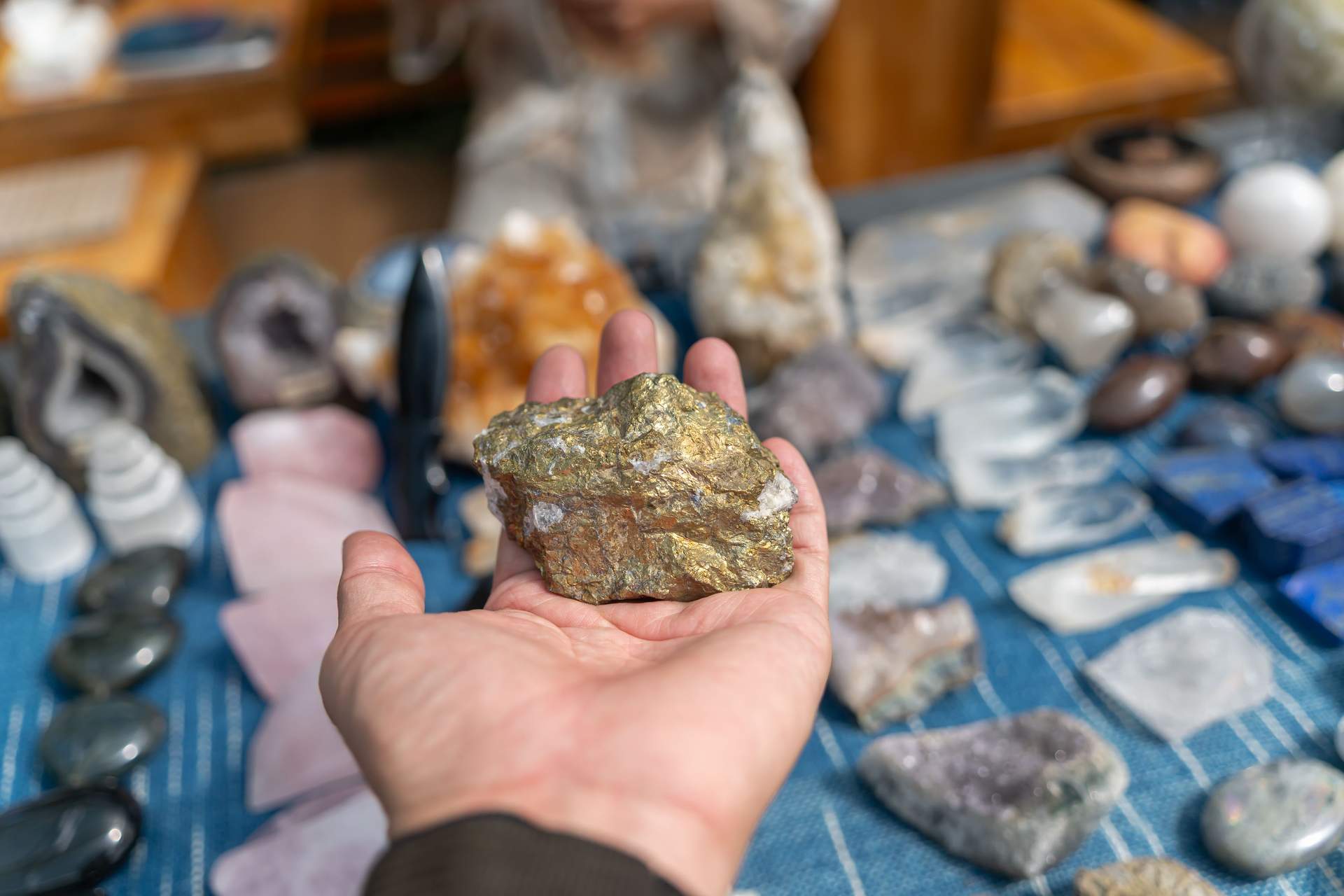
- Real resin incense (such as myrrh or frankincense) also comes in granular or block form. You burn these by placing them on charcoal or a heat-safe dish.
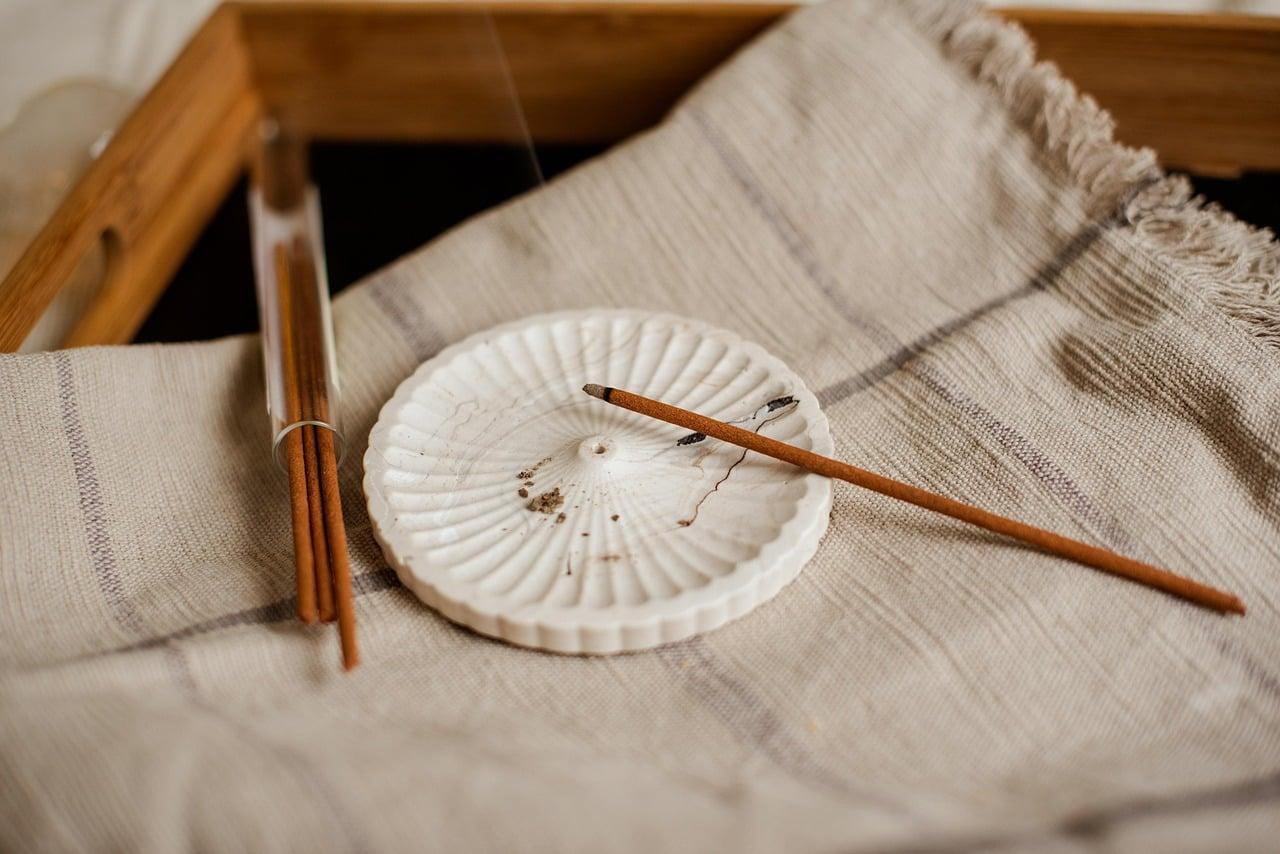
- Among stick incense, pick the ones that are wood-based and free of artificial dyes or a strong, uniformly chemical smell.
- If the scent is overly sweet, artificial, or somehow blends several fruit and flower notes at once, that usually points to a synthetic base.
- A good-quality incense costs more than a dozen sticks from a gift shop. That price gap comes down to the ingredients.
A scent guide: which resin does what
Even among natural incense, there are big differences in the mood and effect each one creates. Here are a few classic, time-tested options:
- Frankincense: one of the best-known incense resins. Its warm, balsamic scent has traditionally been used to create calm and focus, and many people light it before meditating.
- Myrrh: an earthy, slightly bitter resin, often burned together with frankincense. Traditionally it symbolizes cleansing and "closing" a space.
- Sandalwood: a creamy, woody, deep scent that many associate with winding down before sleep. It's especially popular in evening rituals.
- Lavender: a light, floral, refreshing scent, usually chosen for a gentle daytime lift rather than deep evening relaxation.
- Pine resin: a cool, clean, forest-like scent that many people burn to freshen up their home, especially in the winter months.
How to burn incense safely at home
Even natural incense doesn't mean you can burn as much as you like, whenever you like. In a closed, unventilated room, even the highest-quality resin smoke can become a strain over time. So keep a window or door cracked open while it burns.
Avoid burning incense if there's a young child, a pregnant woman, or a family member with respiratory issues in your home. And never leave burning charcoal or a lit stick unattended. Always place your incense holder on a heat-safe, stable surface, well away from curtains and paper.
Incense can truly deliver the calm people have clung to for thousands of years, but only when the ingredients are worth your trust, not just the scent, but everything you're breathing in alongside it.
Is burning incense actually bad for you?
Incense itself isn't necessarily harmful. The real issue is cheap, synthetic sticks that can release fine particles and volatile compounds, especially in a closed, poorly ventilated room over time.
How can I tell if incense is natural or synthetic?
Check the packaging for a real ingredient list, not just a scent name. Overly sweet, artificial smells or a mix of many fruit and flower notes at once usually signal a synthetic base.
Which incense is best for relaxing before sleep?
Sandalwood is a popular choice for winding down in the evening thanks to its creamy, deep, woody scent. Frankincense is also widely used to create calm and focus.
What safety steps should I take when burning incense at home?
Always keep a window or door slightly open, never leave it burning unattended, and place the holder on a stable, heat-safe surface away from curtains and paper. Avoid burning incense around young children, pregnant women, or anyone with respiratory issues.