Your home should be a refuge — not just because it's tidy and smells nice, but because it genuinely feels good to be in. According to esoteric traditions, the objects around us carry energy: they hold memories, emotions, and sometimes the emotional imprint of experiences we'd rather leave behind. When too many things in your space are tied to tension, loss, or bad memories, that energy can quietly shape the atmosphere of your home.
This doesn't mean you need to throw out everything old, or that a broken lamp will suddenly curse your living room. The idea is simpler and more intuitive than that: pay attention to how you feel when you look at something. If an object consistently makes you uncomfortable, it might be time to let it go.
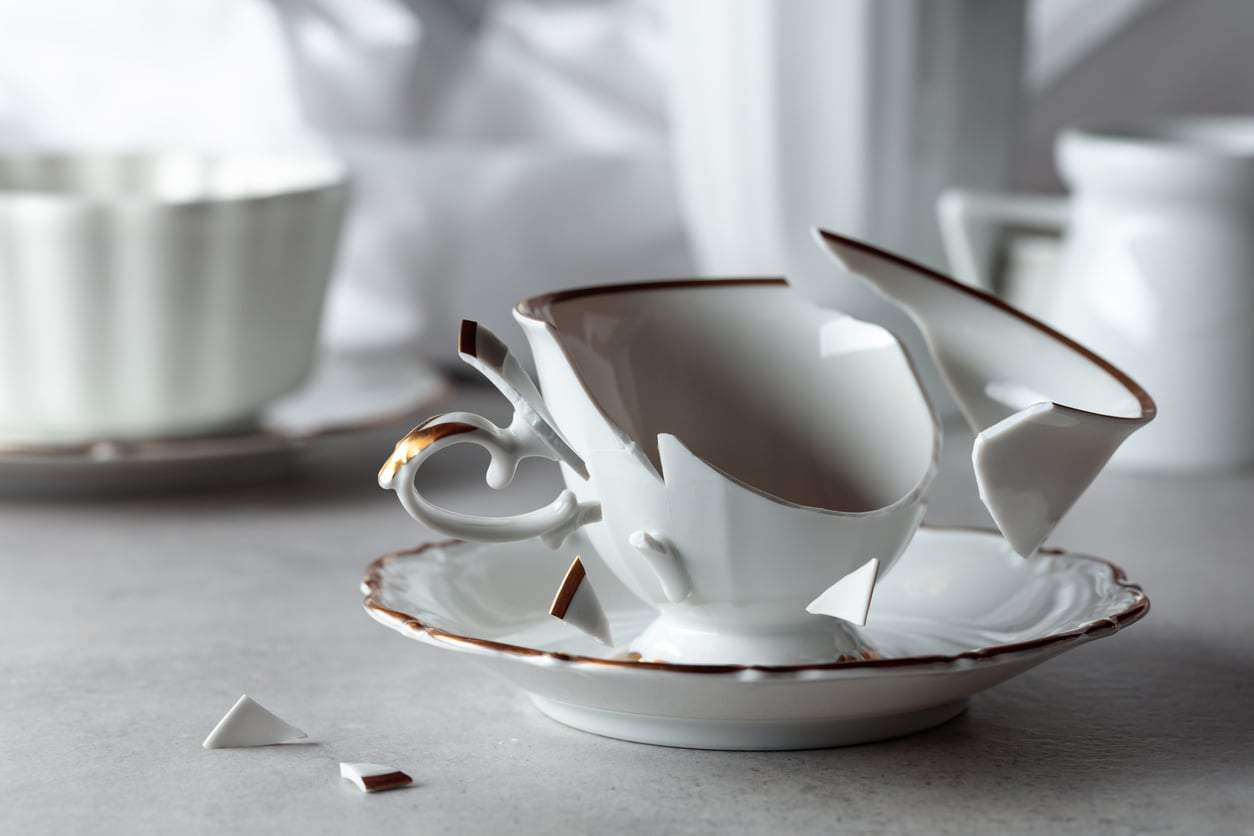
Broken or unusable objects
In feng shui and many other spiritual traditions, broken objects are seen as symbols of stagnant energy. A cracked vase, a clock that stopped working months ago, an appliance you keep meaning to fix — none of these are dangerous on their own. But from an esoteric perspective, they can signal that something remains unresolved or unfinished. If you've been walking past something broken for weeks, it's time to either repair it or release it.
Gifts you never actually liked
We've all kept something out of guilt: the quirky ornament from a well-meaning aunt, the trinket from a former colleague, the item someone gave with love that just never felt like you. Esoteric thinking suggests that the emotional intention behind a gift matters — but so does how it makes you feel every time you see it. If an object creates a low-level sense of obligation or tension, you are not required to keep it forever. Donating it is not a betrayal — it's a release.
Reminders of past relationships
Old photos, love letters, shared keepsakes — these things absolutely have a place in life, and not everything from a past relationship needs to go. But if certain objects from an unresolved or painful chapter still stir up strong emotions, they may be making it harder to move forward. A mindful sort-through can become a meaningful ritual — a symbolic way of closing a door so new things have room to enter. Think of it less as erasing the past and more as choosing your present.
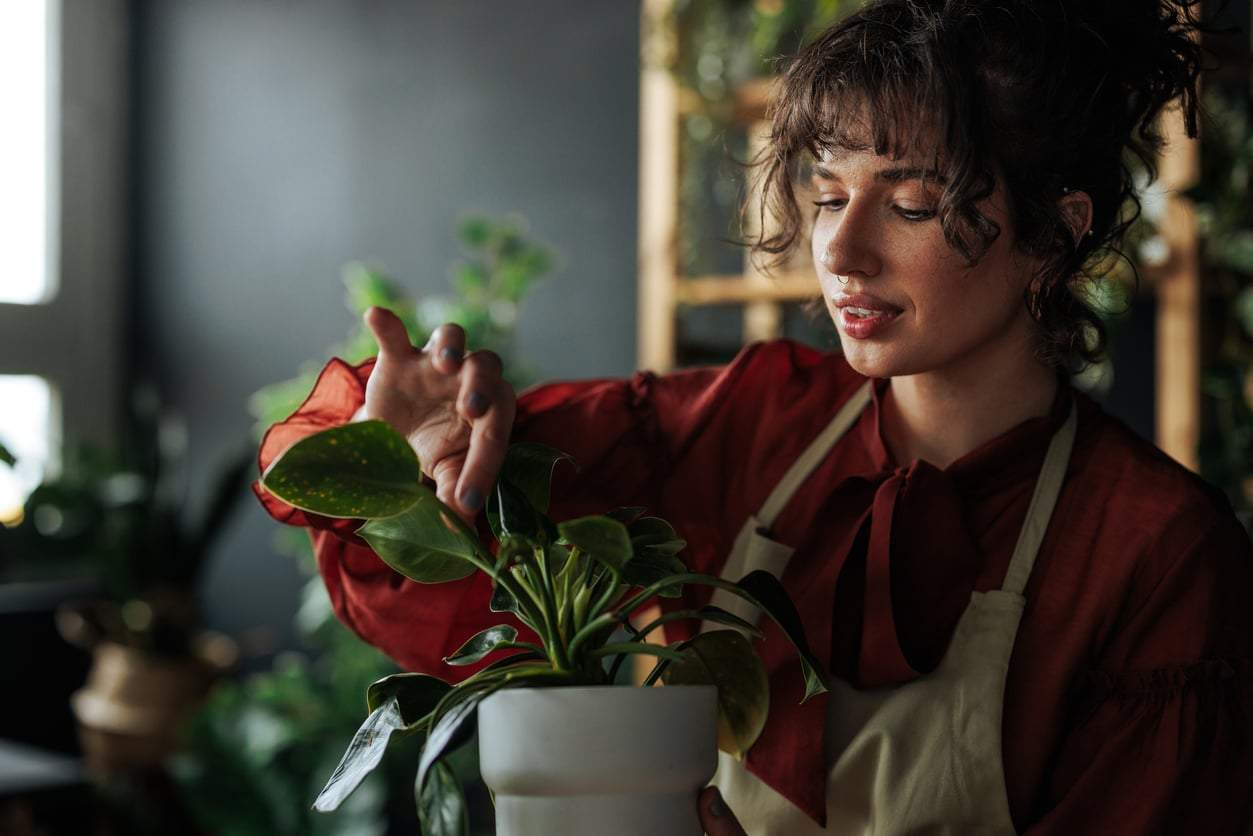
Dying or dead plants
Healthy, thriving plants are among the most universally loved symbols of life and growth in the home. Many traditions connect them with vitality, renewal, and positive energy. A wilting or long-dead plant, on the other hand, can visually and energetically evoke the opposite. If a plant is beyond saving, don't leave it languishing in the corner for months: compost it, and make space for something new. Even a small, fresh plant can shift the feeling of a room.
Clutter you no longer use
Esoteric systems often describe clutter as a physical metaphor for stagnant, stuck energy. Things you haven't touched in years but can't bring yourself to move aren't just taking up physical space — they're quietly weighing on the atmosphere. Decluttering, from this perspective, becomes something more than a chore. It's a way of creating space — literally and symbolically — for what actually matters in your life right now. Many people report feeling noticeably lighter after a good clear-out, and it's hard to argue with that.
Objects tied to painful memories
This might be the most important one. An object can be beautiful, valuable, and in perfect condition — and still fill you with a sense of dread or sadness every time you see it. According to esoteric thinking, the problem isn't the object itself; it's the emotional imprint it carries for you.
One thoughtful option is to give these objects away or donate them. By passing something on with a generous intention, you change its story — and someone else may find genuine joy in something that only brought you pain. It's one of those rare acts that feels good for everyone involved.
Frequently asked questions
Do I need to believe in feng shui for this to make a difference?
Not necessarily. Even setting aside the esoteric angle, surrounding yourself with objects that feel good rather than objects that create guilt or sadness has an obvious psychological benefit. The emotional logic stands on its own.
What if the object was expensive or has sentimental value?
Value and meaning are worth considering, but the article suggests the key question is how the object makes you feel. If it consistently causes discomfort, donating or gifting it may serve you — and someone else — better than keeping it out of obligation.
What should I do with objects from past relationships?
The article doesn't say all of them must go — only those that still stir up strong, unresolved emotions. A conscious sort-through can itself become a meaningful ritual of closure, rather than a painful exercise.
Is decluttering the same as an energetic cleanse?
According to the esoteric perspective described in this article, yes — clearing out what no longer serves you can be understood as a form of spiritual and emotional renewal, creating room for what matters to you now.