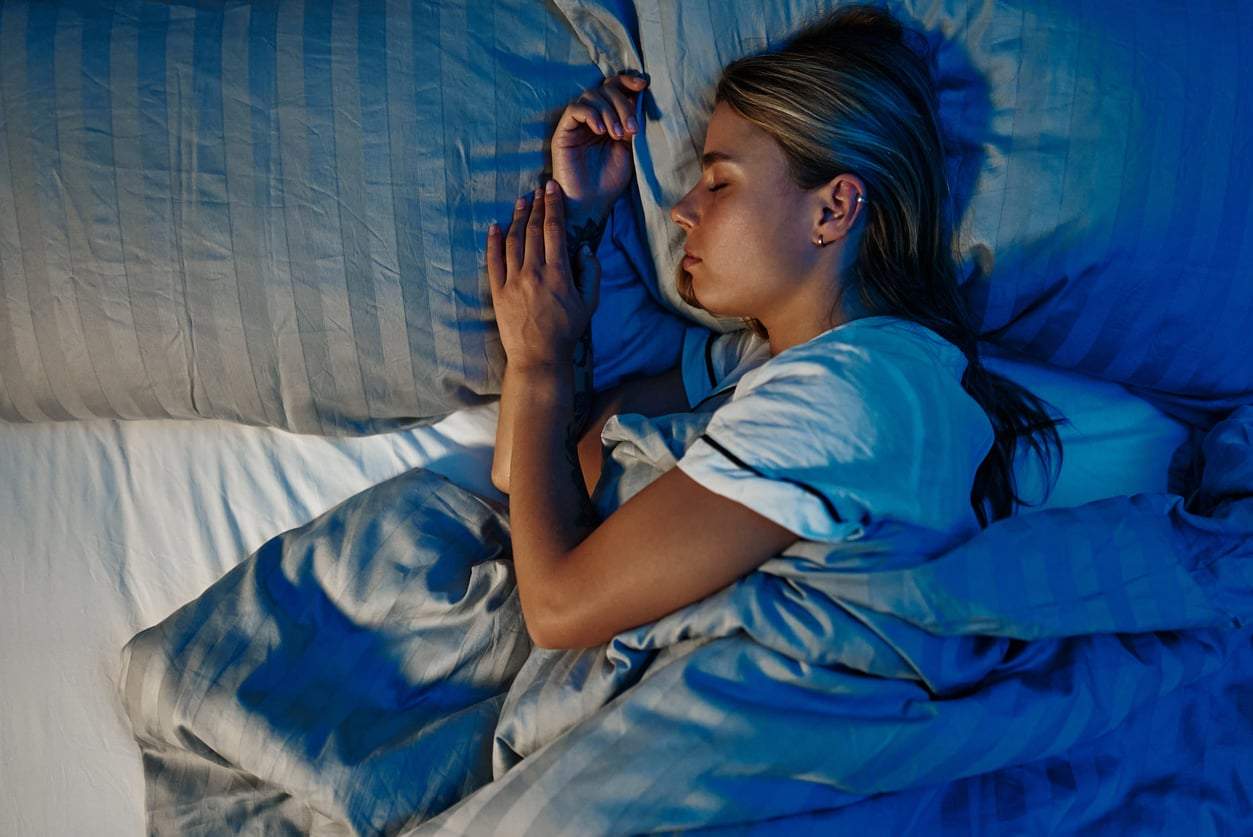
You turn it on at night because there's no other way to fall asleep in the heat. Then morning comes, and you wake up feeling like you ran a marathon in your sleep. Sound familiar?
It's not your imagination. The air conditioner that feels like salvation on a stifling summer night can, over time, steal the very thing you switched it on for: deep, restful sleep.
Why an air-conditioned night is more tiring than you'd think
At night, your body slowly lowers its core temperature — a natural process that helps you drift off and sleep deeply. But if the room gets too cold, or the temperature keeps swinging as the unit clicks on and off, your body has to constantly adjust.
That invisible effort burns energy and disrupts your sleep cycles, even if you never consciously wake up.
Then there's the dry air. Air conditioners pull moisture out of the room, which by morning can leave you with a dry throat, a stuffy nose, and sometimes a headache. Instead of resting, your body spends the night reacting to its surroundings.
The draft you don't even notice
Many people set the AC so it blows straight over or next to the bed. But while you sleep, your skin and airways are especially sensitive to constant airflow.
That steady breeze can lead to muscle tension, a stiff neck, and morning fatigue — even when the temperature itself would be perfectly fine.
The temperature that actually helps you sleep
The goal isn't to make the room ice-cold — it's to keep it pleasantly cool. Most sleep researchers agree that the ideal bedroom temperature in summer sits somewhere between 64 and 70°F (18 to 21°C). Cooling it any lower tends to do more harm than good.
- Set your AC on a timer so it works before bed and maybe again toward dawn — not all night long.
- Keep the airflow off the bed and aim it toward the ceiling or a wall instead.
- Leave a glass of water or a damp towel in the room to offset the drying effect of the air.
What else to watch for if you can't give up the AC
It's worth cleaning your AC filter regularly, because a neglected unit isn't just less efficient — it can circulate dust and allergens around the room all night.
If you have sensitive airways or are prone to allergies, this alone could explain your morning fatigue, working through a stuffy nose and a nagging headache.
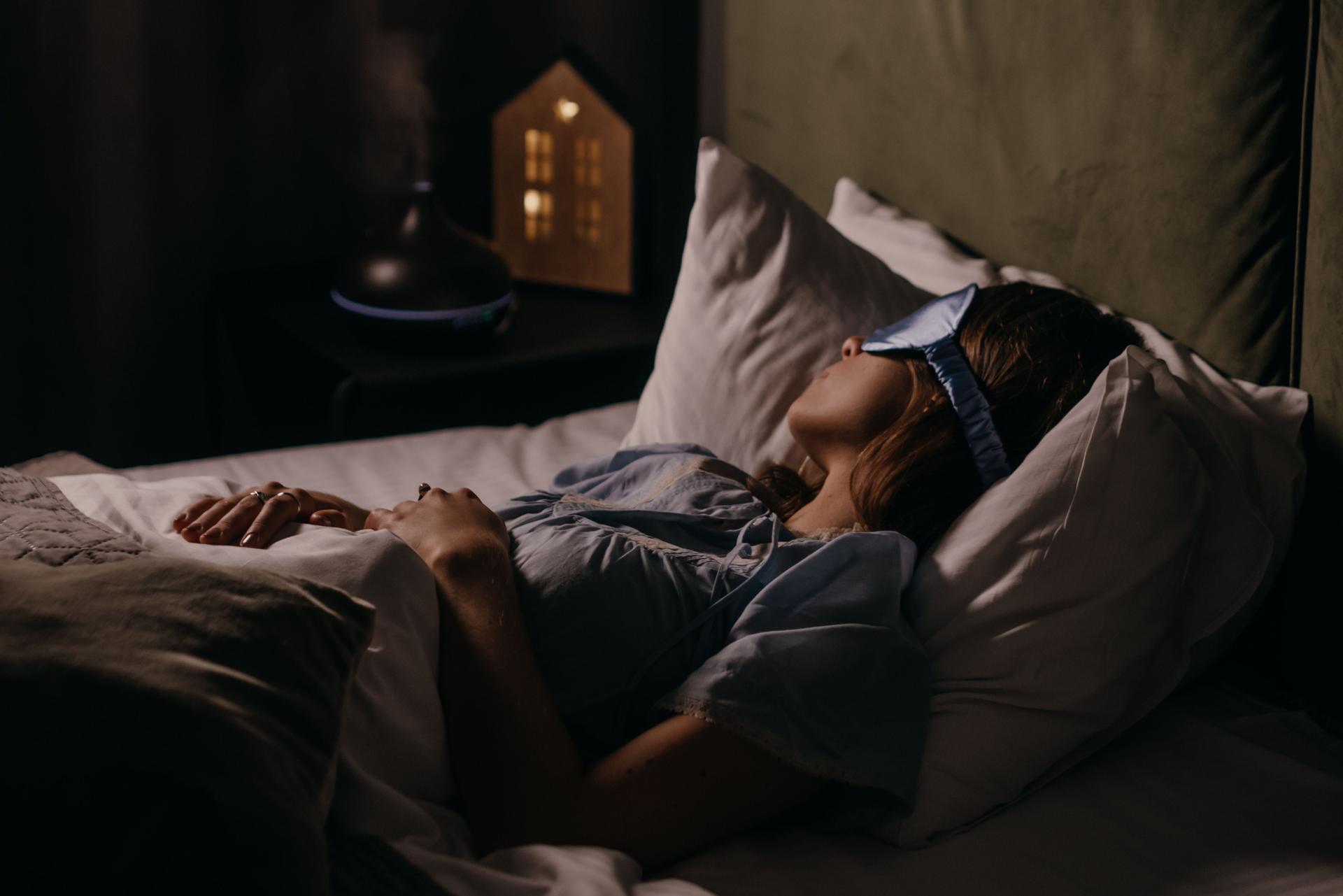
Running a humidifier alongside the AC helps a lot. It balances the moisture in the air, so the room feels far less dry and irritating by morning. Choosing bedding made from light, natural fabrics helps too — it stops your body from sweating and then getting chilled in turns throughout the night.
When it's better to just switch it off
If you can, try sleeping with the AC running for only a few hours before bed to cool the room down, then letting an open window or a fan keep the air moving for the rest of the night.
Many people are surprised by how much more rested they feel this way, compared to a unit humming all night long — even if the room seems a little warmer at first when you lie down.
Is it bad to sleep with the air conditioner on all night?
It's not dangerous, but running it all night can disrupt your sleep cycles and dry out the air, which may leave you waking up tired, congested, or with a headache.
What's the ideal bedroom temperature for summer sleep?
Most sleep researchers point to somewhere between 64 and 70°F (18 to 21°C). Cooling the room below that tends to backfire and make your sleep worse, not better.
Why do I wake up with a dry throat and stuffy nose after using the AC?
Air conditioners pull moisture out of the room, which can dry out your throat and airways overnight. A humidifier, a glass of water, or a damp towel in the room can help balance things out.
How should I position the airflow from my AC at night?
Keep it from blowing directly onto the bed. Aiming the air toward the ceiling or a wall helps you avoid the muscle tension and stiff neck a constant draft can cause.