You've tried going to bed earlier. You've cut back on caffeine. But if your sleep is still restless and you wake up feeling drained, the problem might not be your habits — it might be your bedroom. Research shows that layout, color, lighting, and noise levels all play a significant role in how well you actually rest. Here's what you could be getting wrong.
1. Your bed is in the wrong position
Where you place your bed matters far more than most people realize. Positioning it directly across from the door can create a subtle but persistent sense of unease — your brain never fully switches off when it feels exposed. Ideally, your bed should be placed so you have a clear view of the room without being in direct line with the entrance.
Placing the bed directly under a window is another common mistake. Drafts, temperature fluctuations, and early morning light can all disrupt your sleep without you even noticing the cause. The best position is one that feels secure, sheltered, and calm — because your nervous system responds to your environment even while you sleep.
2. Too much noise and visual clutter
Fans, air conditioning units, humidifiers — these might seem harmless, but constant background noise can prevent you from reaching the deeper stages of sleep your body needs to recover. If you can't eliminate the source, consider repositioning it or using soft earplugs on particularly noisy nights.
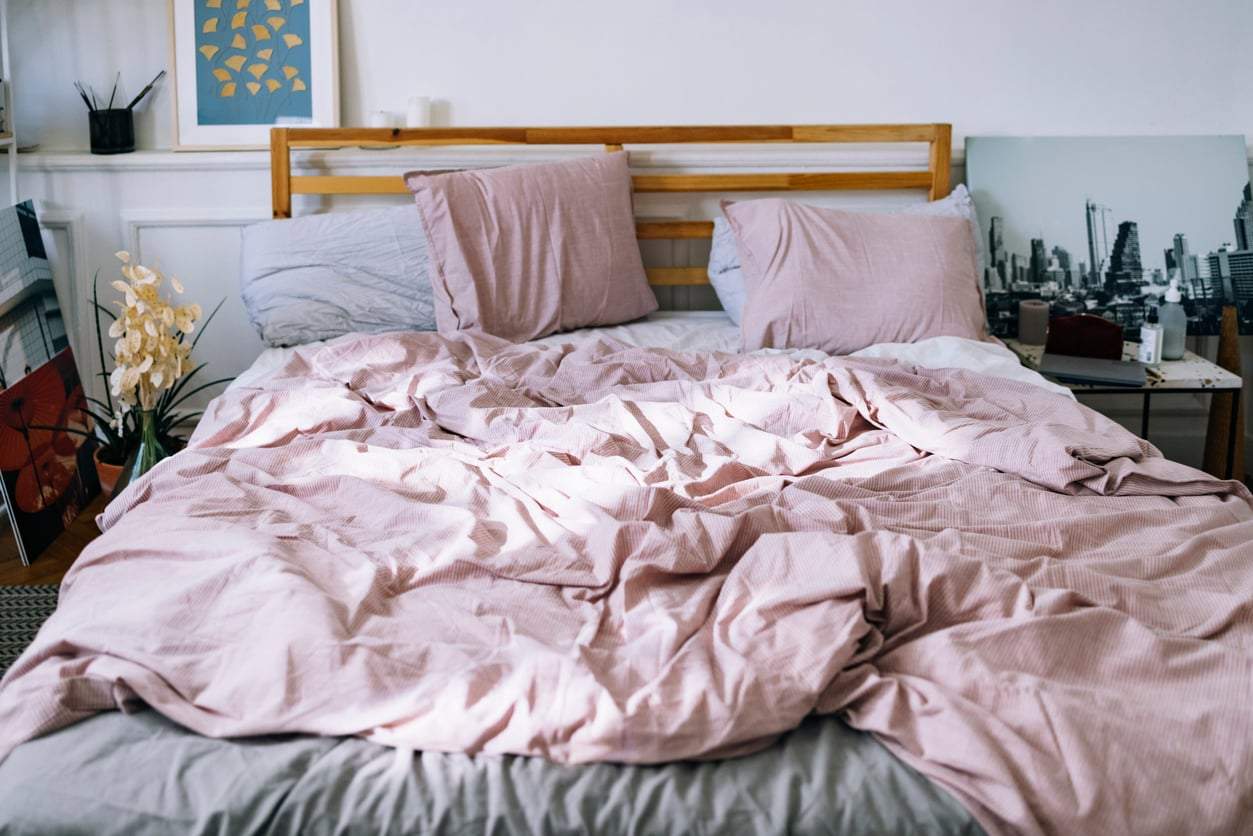
Visual clutter is just as disruptive. A pile of unfolded laundry, too many decorative objects, or a desk overflowing with work items sends low-level stress signals to your brain. You may not consciously register it, but your mind does. Keeping your bedroom tidy and visually calm isn't just an aesthetic choice — it's a sleep strategy.
If you're also struggling with winding down before bed, it may be worth looking at evening routines that genuinely help you relax — small changes can make a surprising difference.
3. The wrong colors on your walls
Color psychology is real, and your bedroom walls are not the place to experiment with bold, saturated shades. Bright reds, vivid oranges, and electric blues can have a stimulating effect on the nervous system — the opposite of what you want when you're trying to fall asleep.
Studies suggest that overly vibrant colors can keep the brain in an alert state, making it harder to reach the calm needed for restful sleep.
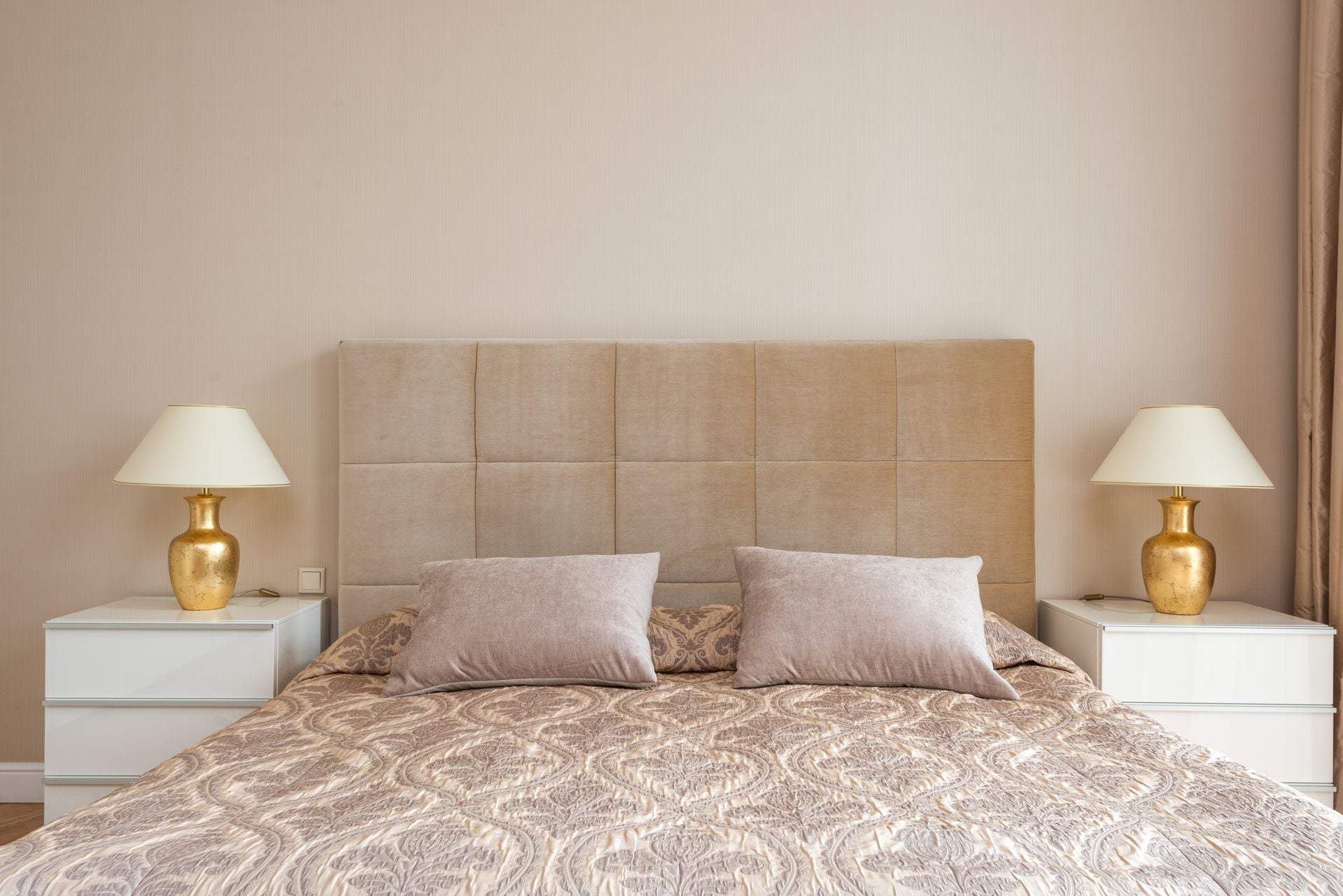
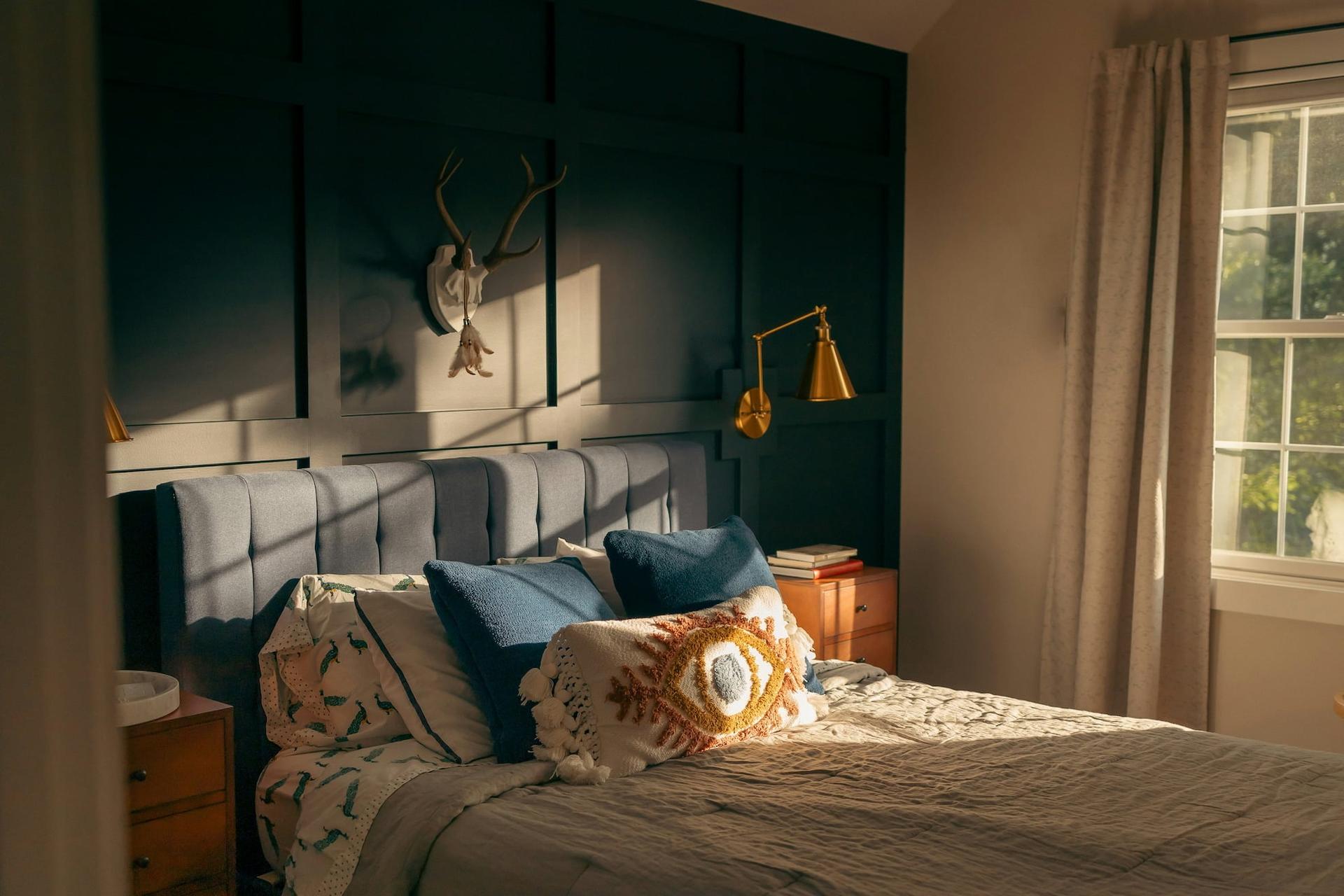
Soft earth tones, muted greens, dusty blues, and warm neutrals are consistently associated with relaxation and deeper sleep. If repainting isn't an option right now, even swapping out bedding and soft furnishings for calmer shades can shift the overall feel of the room.
4. Lighting that works against you
Bright overhead lighting in the evening is one of the most underestimated sleep disruptors. Exposure to strong light — especially cool-toned white light — suppresses melatonin production, the hormone that signals to your body that it's time to sleep. The later in the evening you're exposed to it, the harder it becomes to fall asleep naturally.
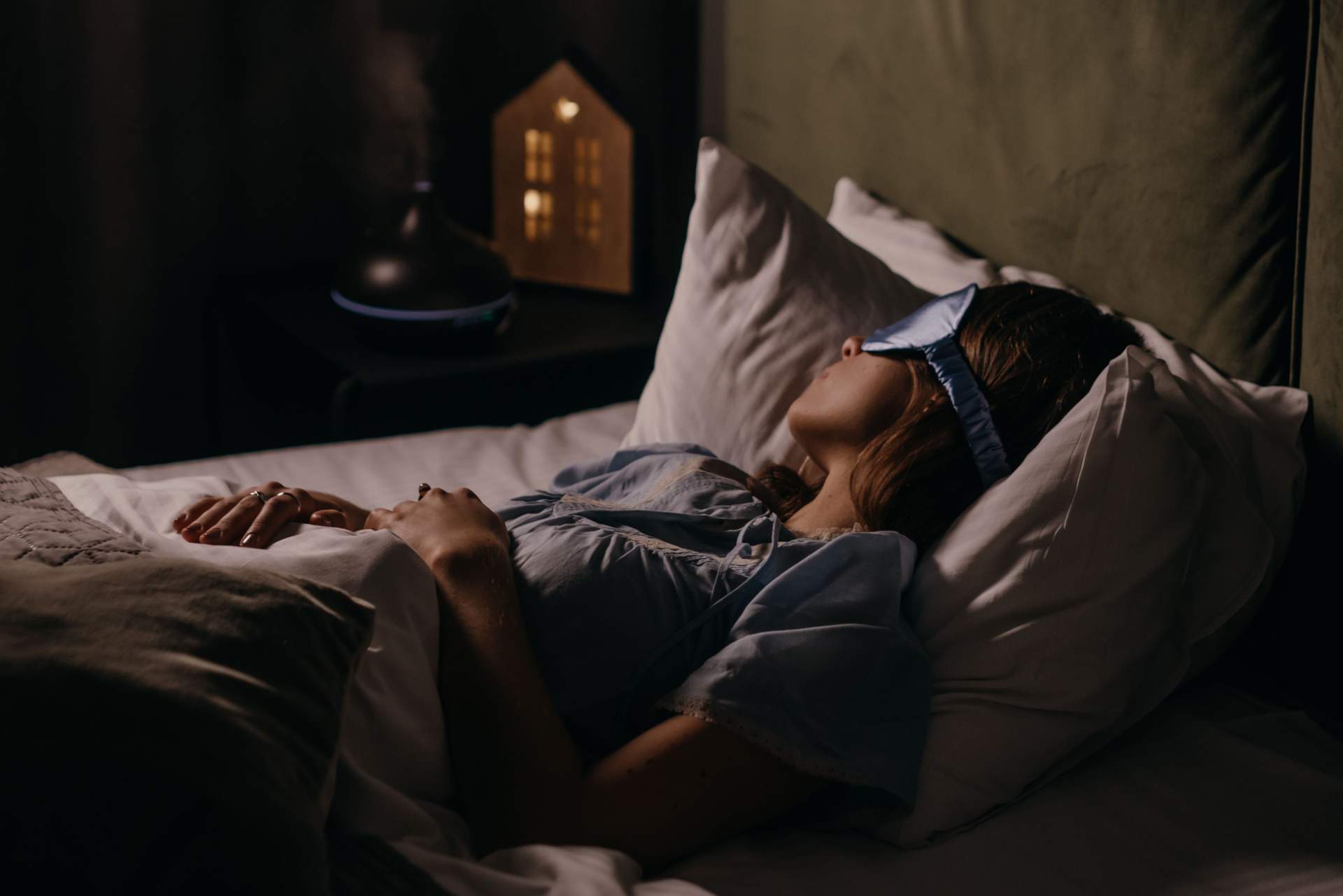
Switch to warm, low-level lamps in the hour or two before bed. During the day, let in as much natural light as possible — this helps regulate your internal clock so that when evening comes, your body is genuinely ready to rest. Blackout curtains or a good sleep mask can also make a real difference if outside light is an issue.
Small, intentional changes to your bedroom layout can have a lasting impact on how well you sleep. Avoid these four mistakes and you may find that the solution to your restless nights was hiding in plain sight — right in the room where you sleep.