Your bedroom is the most personal room in your home — the one place where your body and mind are meant to fully switch off and recover. And according to feng shui, it's also the most sensitive. Even small objects can quietly disturb your calm and block the free flow of energy while you sleep.
The tricky part? Most of us keep at least one of these things right next to the bed without ever suspecting it might be working against us. Here are six of the most common ones — and simple ways to fix them tonight.
A mirror facing the bed
One of the best-known feng shui principles is simple: a mirror should never face your bed. Tradition says a mirror doubles the energy in a room, and while you sleep, your subconscious keeps picking up on the movement and reflections it creates.
The result can be restless, broken sleep. If you can't move the mirror somewhere else, the easiest fix is to simply drape it with a beautiful piece of fabric at night.
Anything related to work
A laptop, a desk, or even a stack of paperwork in the bedroom acts as a constant reminder of everything still on your to-do list.
Feng shui teaches that this blurs the line between rest and work, making it harder for your brain to wind down. If you possibly can, banish work tools to another room entirely — or at the very least, tuck them out of sight in a cupboard for the night.
Certain types of live plants
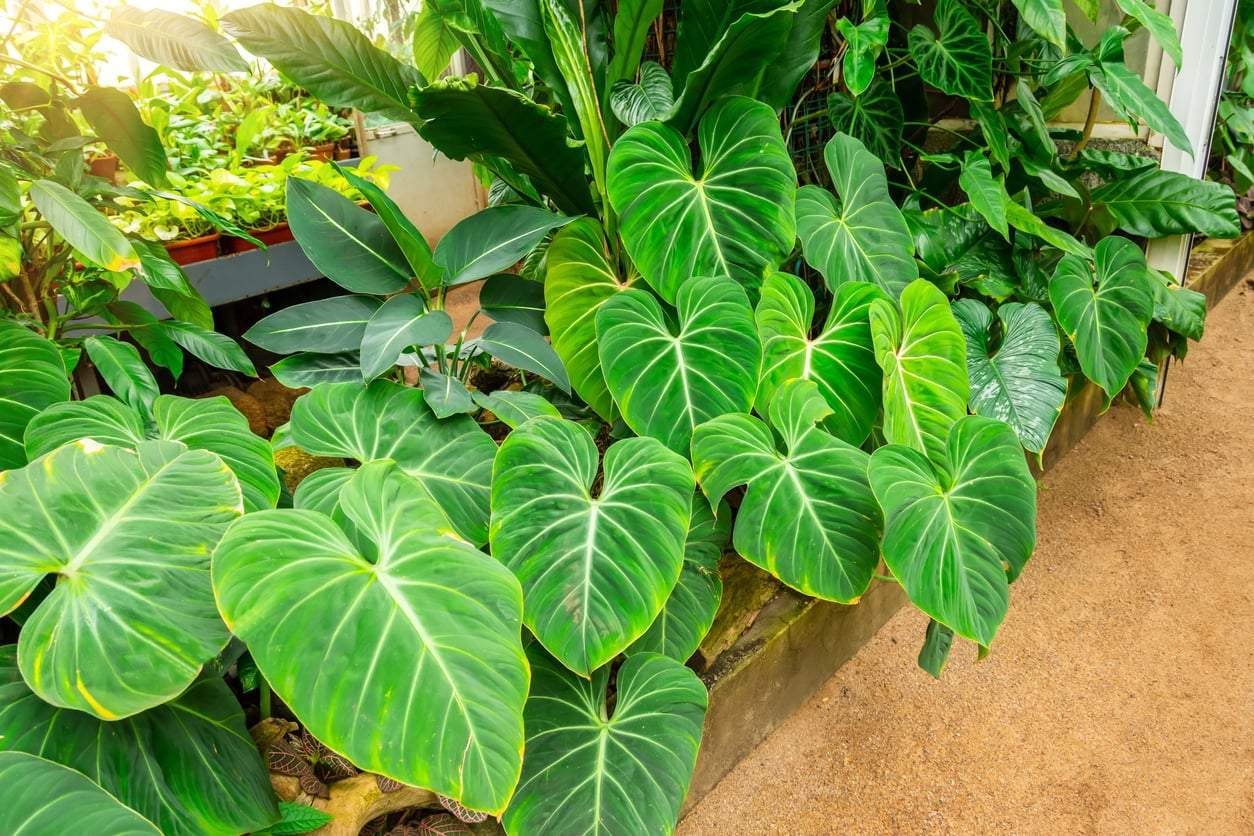
Plants are usually symbols of life and freshness, but feng shui considers a few varieties best avoided in the bedroom. At night, some plants release carbon dioxide instead of oxygen, which can subtly disturb the quality of the air and its energy.
Instead, choose calming, low-activity plants — or skip greenery in this room altogether and let it breathe.
The bedroom has just one job: to let your body and mind finally rest. Every other kind of energy only gets in the way of that.
Sharp-cornered furniture near the bed
Feng shui strongly favors rounded, softer shapes, because they allow energy to flow gently and harmoniously. A sharp furniture edge pointing straight at the bed — the corner of a wardrobe or a shelf, for example — creates what's known as a "poison arrow," a subtle source of tension in the room.
If you can't reposition the piece, you can soften its effect by draping a scarf or throw over the offending edge.
Old, worn-out things and past memories
A torn curtain, faded bedding, or a keepsake from an old relationship all carry an energy that simply doesn't belong in a space meant for renewal.
According to feng shui, these objects tie you to the past and make it harder to move forward — whether that means finding a new love or simply getting a deeper, more peaceful night's sleep.
Electronics close to the bed
The television, your phone, even a router left switched on — electronics give off a constant, low-level buzz of energy that can interfere with rest.
Feng shui suggests keeping these devices in another room whenever possible, or at least switching them off completely at night, so your bedroom can truly stay an island of quiet and calm.
Does a mirror facing the bed really affect sleep?
According to feng shui, yes. A mirror is said to double the energy in the room, and your subconscious keeps registering the movement and reflections it creates during the night, which can lead to restless sleep.
What should I do if I can't move certain furniture or mirrors?
You don't always need to rearrange the whole room. Covering a mirror with fabric at night, or draping a soft scarf or throw over a sharp furniture edge, can soften the effect without moving anything.
Why does feng shui advise against keeping work items in the bedroom?
Work objects like a laptop or paperwork blur the line between rest and work, making it harder for your brain to switch into a calm, restful state. Ideally, keep them in another room or out of sight overnight.
Are all plants bad for the bedroom?
No. Feng shui only cautions against certain varieties that release carbon dioxide at night. Calming, low-activity plants are fine — the concern is with the specific types that can disturb the air's energy.