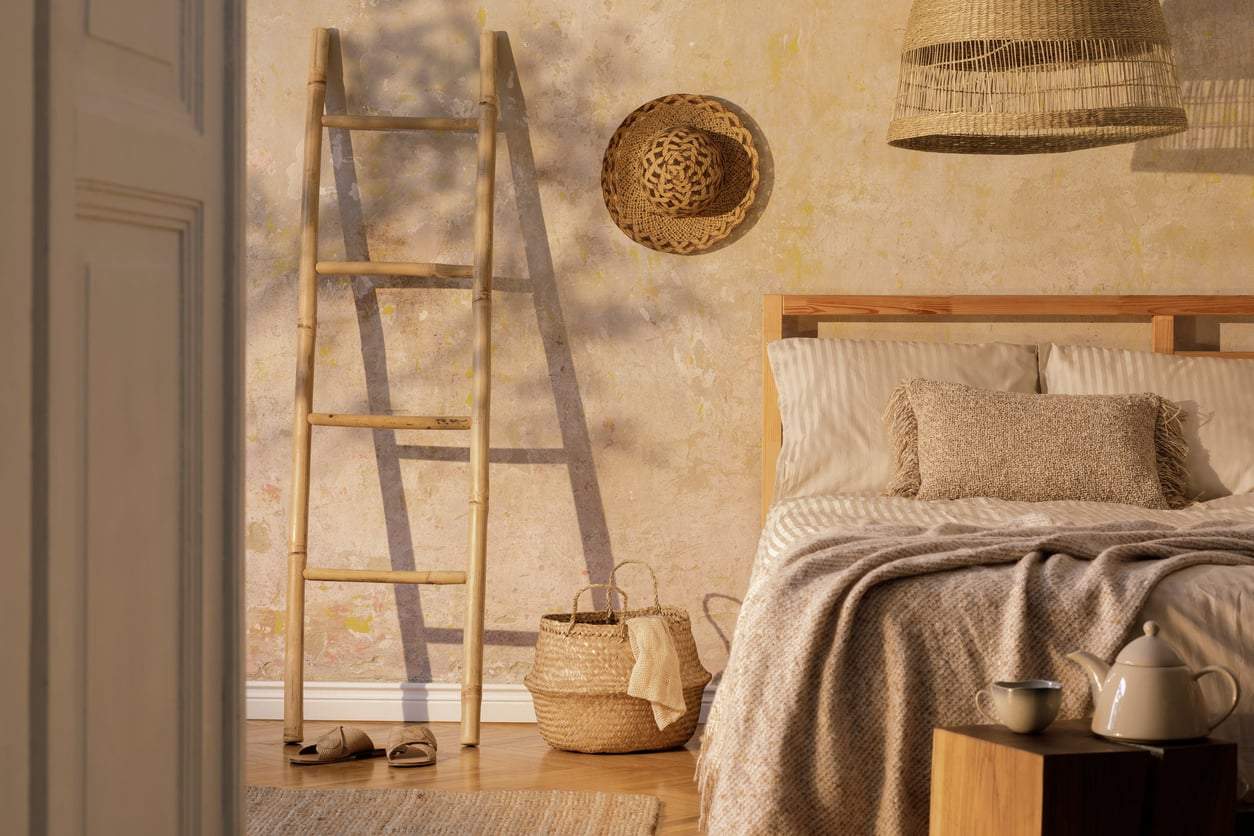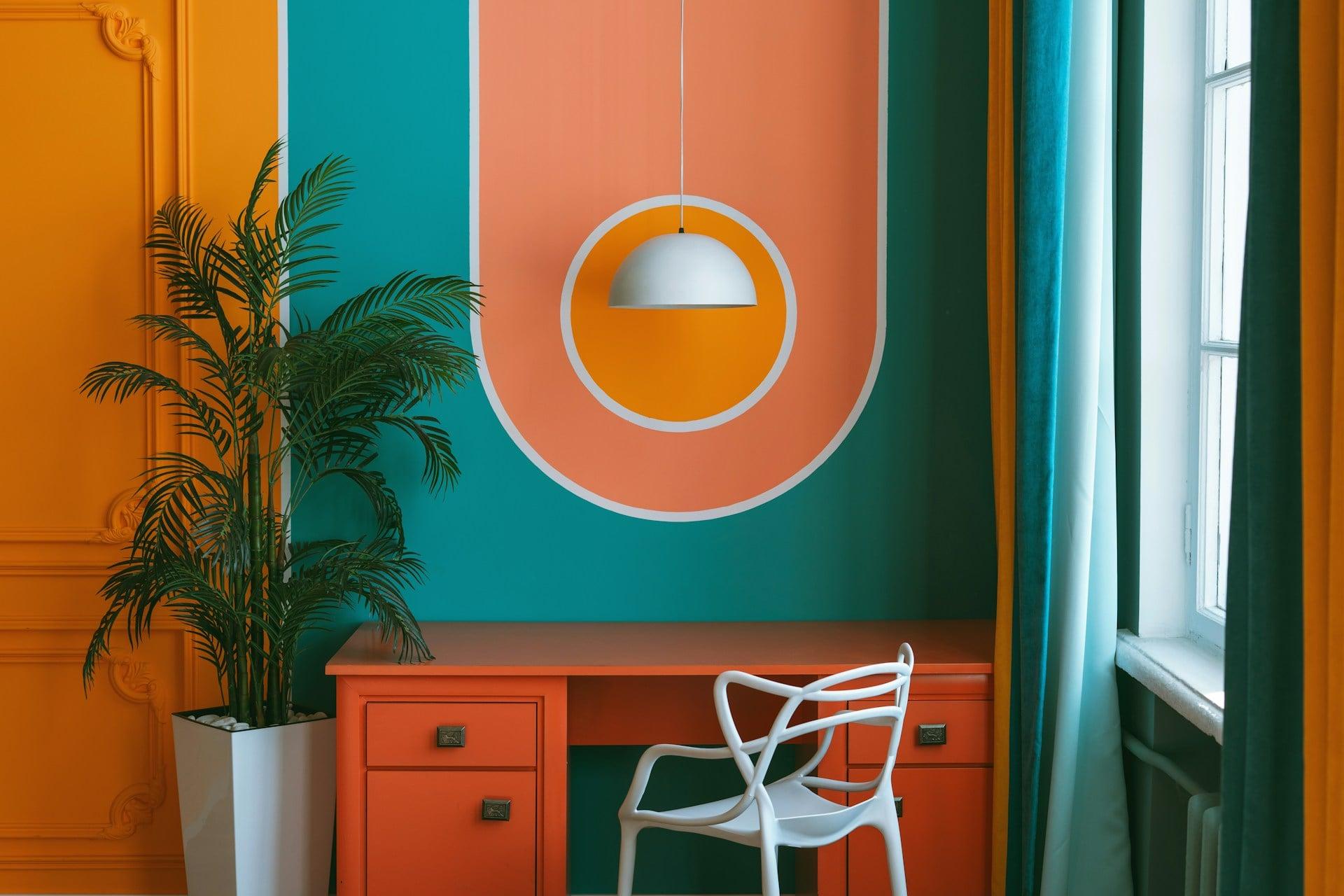
Ever walk into a room on a hot day and feel like the heat is closing in on you, even with the windows open and a fan running? The answer is often hiding in plain sight, on your walls or draped over the back of the sofa.
Some of the design choices we love in winter quietly work against us in summer. Your décor can radiate back the very heat you're trying to keep out — and the good news is, most of it is easy to fix.
1. Deep terracotta and red walls
Terracotta and deep red tones look stunning in Tuscan villas and Mediterranean restaurants, but they come with a downside no one talks about: warm, saturated colors feel hot, both visually and physically.
Your eyes read the space as warmer, and because these dark, dense pigments absorb more light than they reflect, the wall surface genuinely heats up during the day — then slowly releases that warmth into the evening.
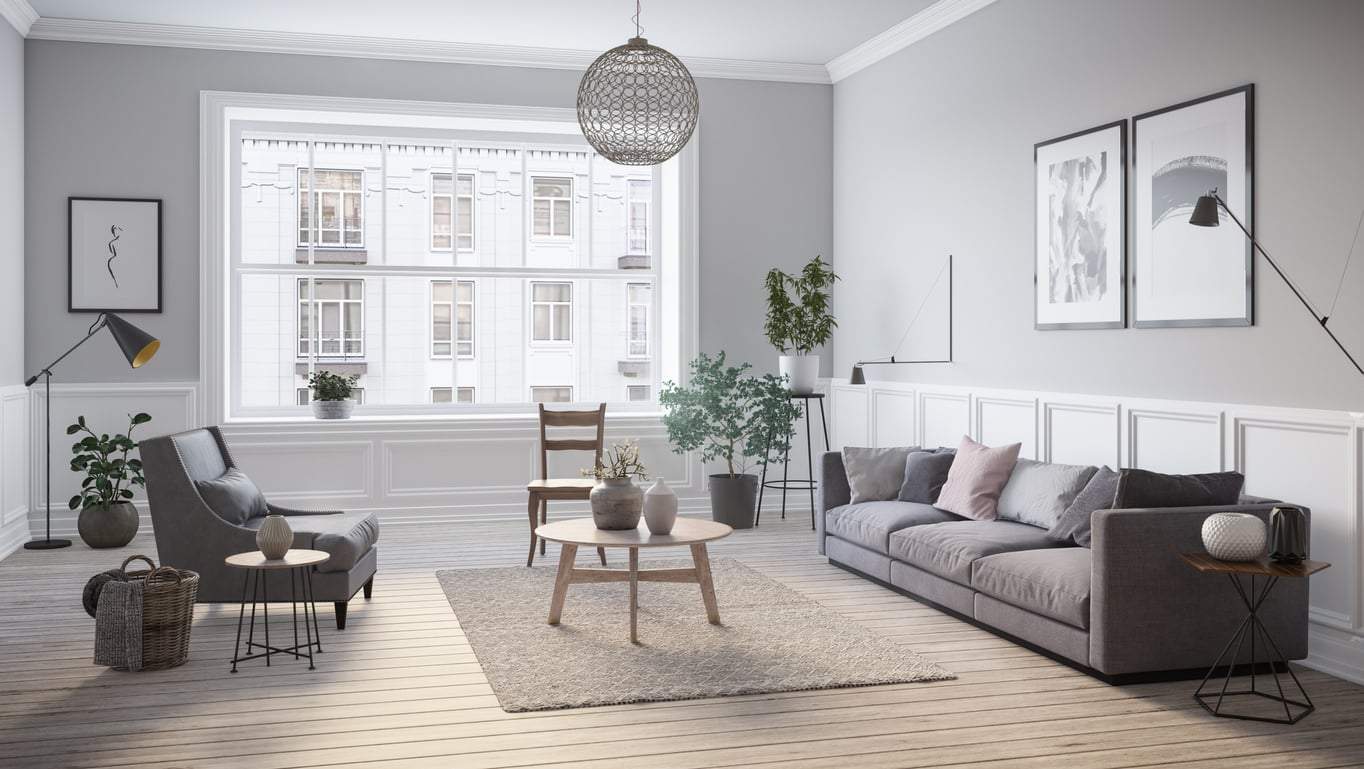
For summer, swap them for off-white, sandy beige or a pale greenish-grey. If you can't bear to lose the cozy mood entirely, keep one accent wall in terracotta and cool the rest down with a lighter shade. The room keeps its character, but instantly feels more open and breathable.
2. Too many heavy, dark-wood pieces
Dark oak or walnut dressers, cabinets and solid dining tables feel warm and grounding in winter. In summer, though, they visually crowd the space, and a bulky block of dark furniture in a small living room can feel almost suffocating to look at.
Dark surfaces absorb most of the light, so the room looks shadier and more closed-in — even when the actual temperature hasn't changed at all.
You don't have to throw anything out. Drape one or two larger pieces with a light linen or cotton cover, swap the dark tablecloth for a natural rattan placemat, and if you can, move the heaviest, darkest item out of the room entirely — into a cooler space like the bedroom, where a moodier atmosphere actually works in your favor.
If you're already rethinking your summer setup, it's worth starting with your textiles — they're the fastest and cheapest thing to change.
3. Thick mustard and orange accents
Mustard-yellow cushions, chunky orange throws, coarse linen curtains — these are cozy, warming touches, which is exactly why we love them in autumn and winter. In summer, those same saturated, warm tones and heavy textures create the illusion that the room is tighter and stuffier than it really is.
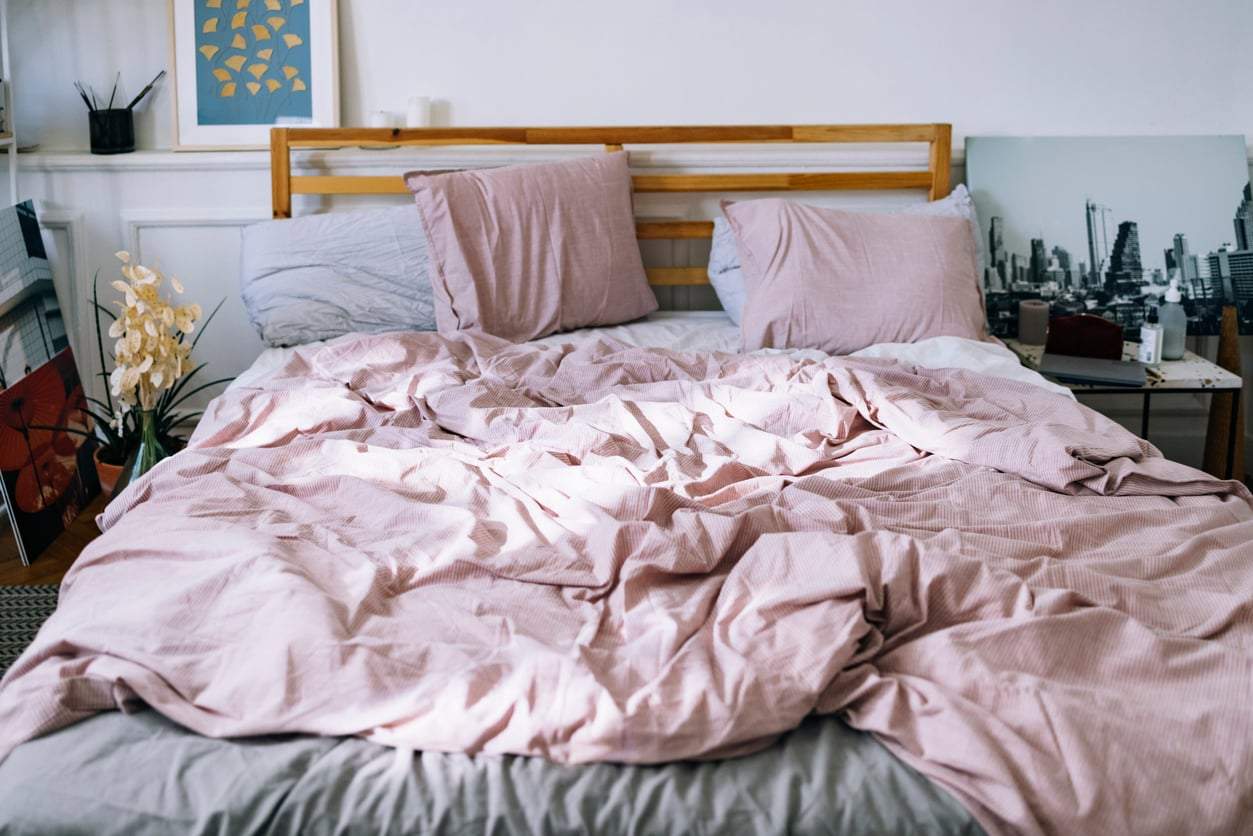
Swap them for lightweight, light-colored linen or cotton: pale blue, mint, sand, off-white. And remember, the thickness of a textile matters just as much as its color. A light, loosely woven throw can let air move around it — a dense mustard blanket simply can't.
It's not the thermometer that really matters, but what your eyes and skin register as heat — and that's shaped by small décor decisions too.
If you were only going to change one thing for summer, make it the textiles: it's the lowest-effort, lowest-cost tweak, and the difference is immediate. Repainting a wall is a bigger project, but a well-timed switch to a lighter shade can change how warm your home feels all year round — not just during the summer months.
Do wall colors really make a room feel hotter?
Yes. Deep, saturated colors like terracotta and red absorb more light than they reflect, so the surface warms up during the day and the space reads as hotter to your eyes.
What are the best colors to cool a room in summer?
Light, airy shades work best — off-white, sandy beige, pale greenish-grey, pale blue and mint all help a room feel more open and breathable.
Do I have to get rid of my dark wood furniture?
Not at all. You can drape larger pieces in light linen or cotton covers, swap dark tablecloths for natural rattan, or move the heaviest, darkest piece into a cooler room like the bedroom.
What's the easiest change to make my home feel cooler?
Start with your textiles. Swapping thick, warm-toned throws and cushions for lightweight, light-colored linen or cotton is the cheapest, fastest change with the most immediate effect.