You walk in after a long day, sink into the couch, and something feels slightly off. You can't name it. The room looks clean and modern, but instead of relaxing, you feel oddly tense. Often, the culprit is right in front of you — on the walls.
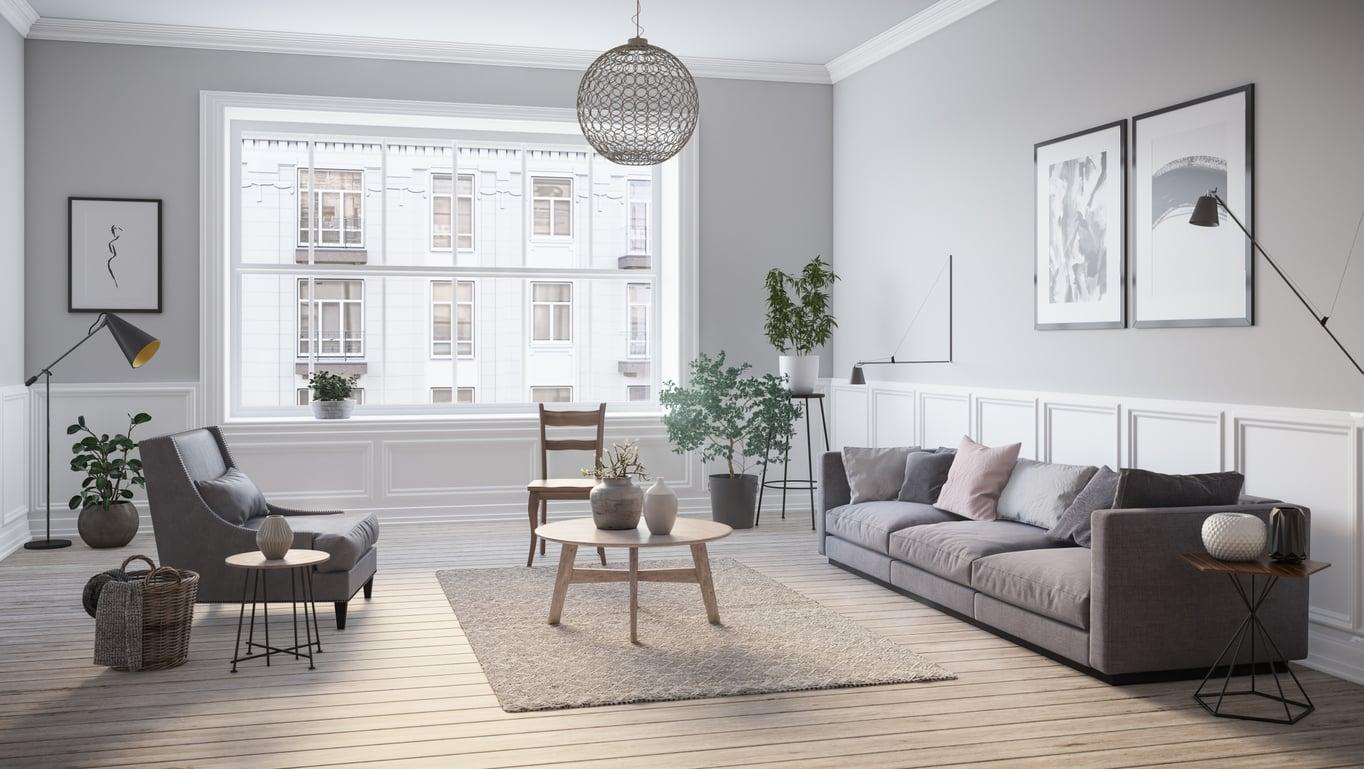
Cool, blue-based gray — the shade catalogs love to label "Scandinavian" or "minimalist" — is one of the most popular paint choices of the last few years. Yet many people quietly feel worse in a room drenched in it, without ever understanding why.
In the paint store, it all makes perfect sense. On the sample card, cool gray looks crisp, expensive, effortlessly French. The trouble starts when four walls of it surround you — especially in a home that doesn't get much natural light to begin with.
Why this color quietly throws off the mood
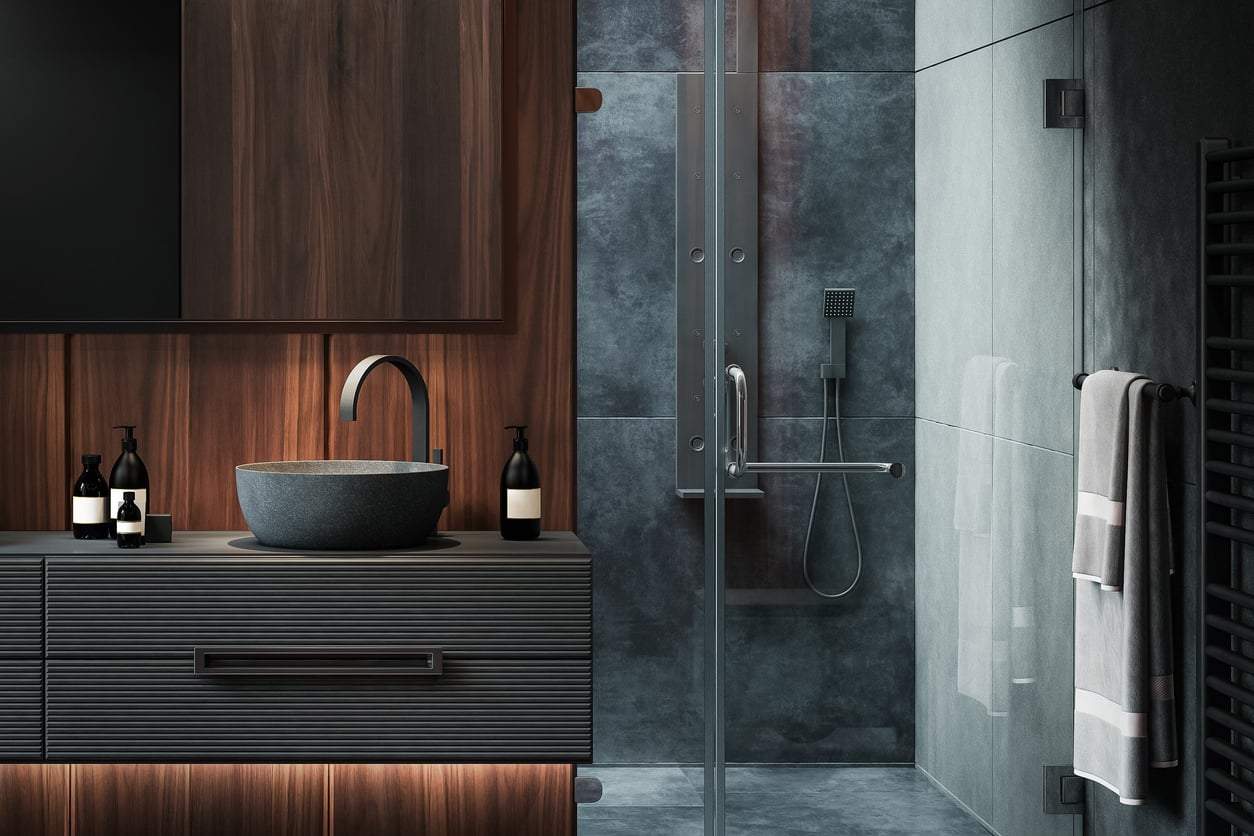
Color isn't just a matter of taste. It shapes how we actually feel inside a space. Warm tones like peach, sand and off-white signal comfort and safety. Very cool, bluish-gray shades — especially across a large surface — create a clinical, almost sterile atmosphere.
It's no accident that hospitals and offices lean on similar tones. In those places the goal is neutrality, not warmth. That's exactly the opposite of what you want from a living room.
On its own, this gray is harmless. On a small piece of furniture or a throw pillow, it's completely fine. The problem begins when it wraps an entire living room, because then the eye finds no place to rest — it keeps searching for the warm spot that simply isn't there.
Lack of light only makes it worse
Most homes don't get anywhere near the flood of daylight you see in those glossy Scandinavian showrooms. In those photos, the cool gray wall almost always comes with a huge window, pale floors and soft afternoon sun that balances out the chill.
In a real apartment where the light starts fading by mid-afternoon, that same gray can turn heavy and oppressive fast. What looked airy in a magazine feels cold and closed-in by evening.
Artificial lighting can push it even further in the wrong direction. Cool-toned LED bulbs paired with an already blue-based wall amplify the feeling that you're sitting in a waiting room rather than your own home.
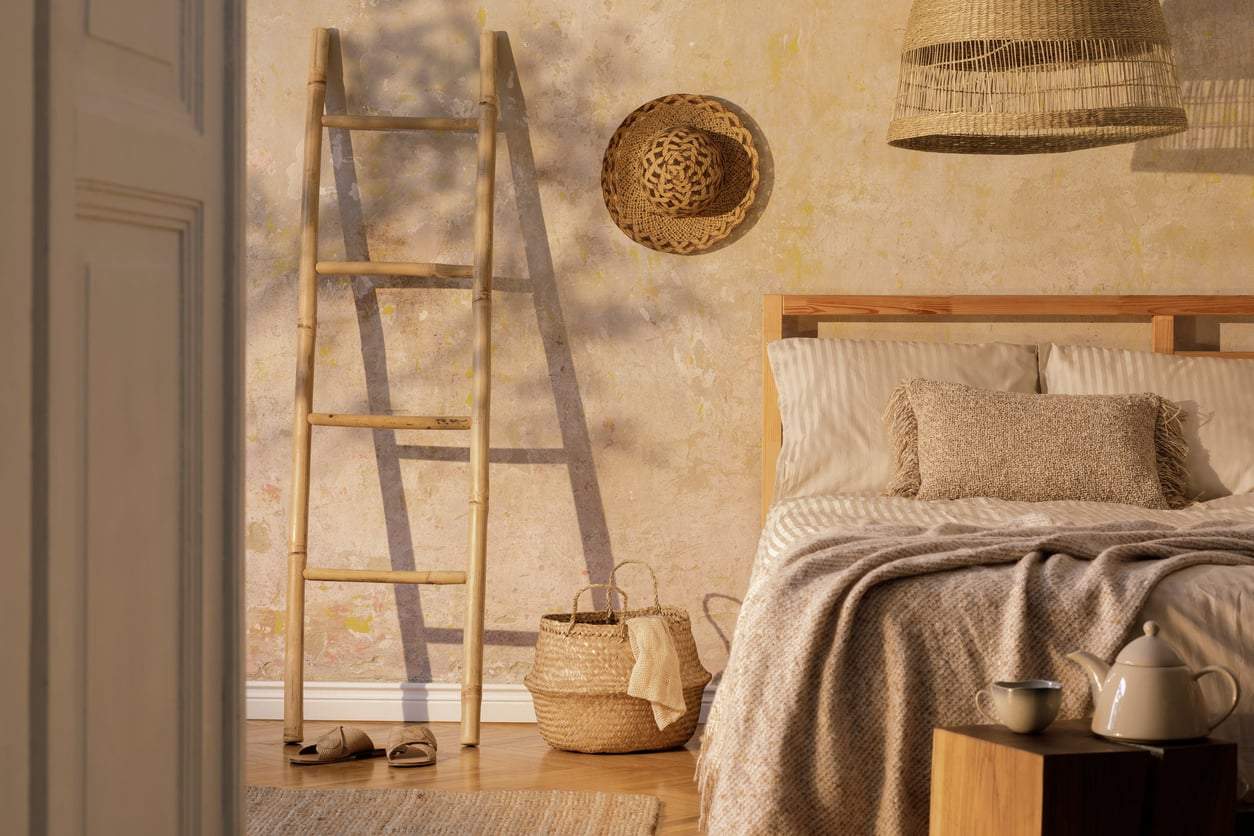
If you're rethinking your space, it's worth exploring how natural materials and earthy tones can warm up a room before you commit to a full repaint.
When cool gray actually works
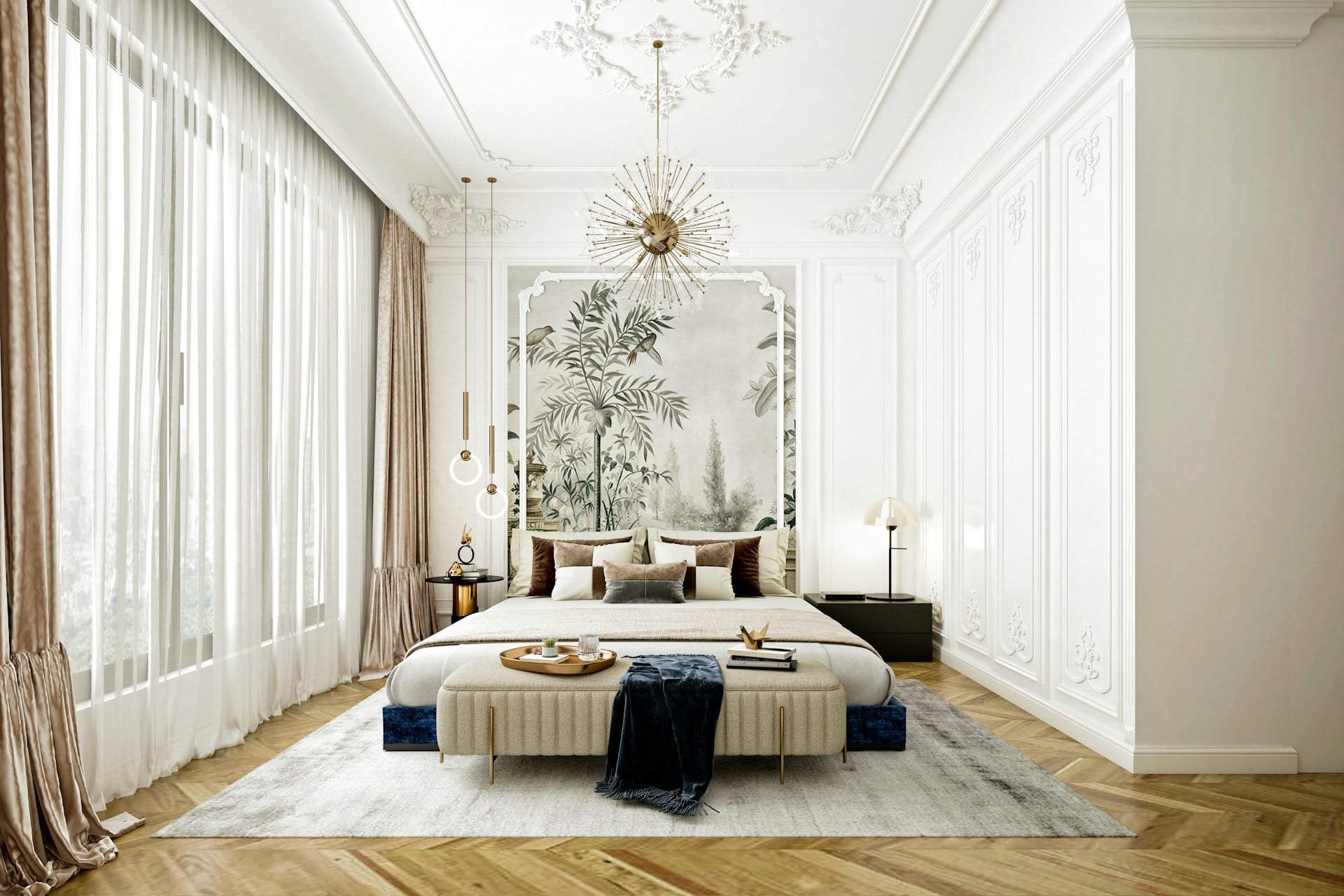
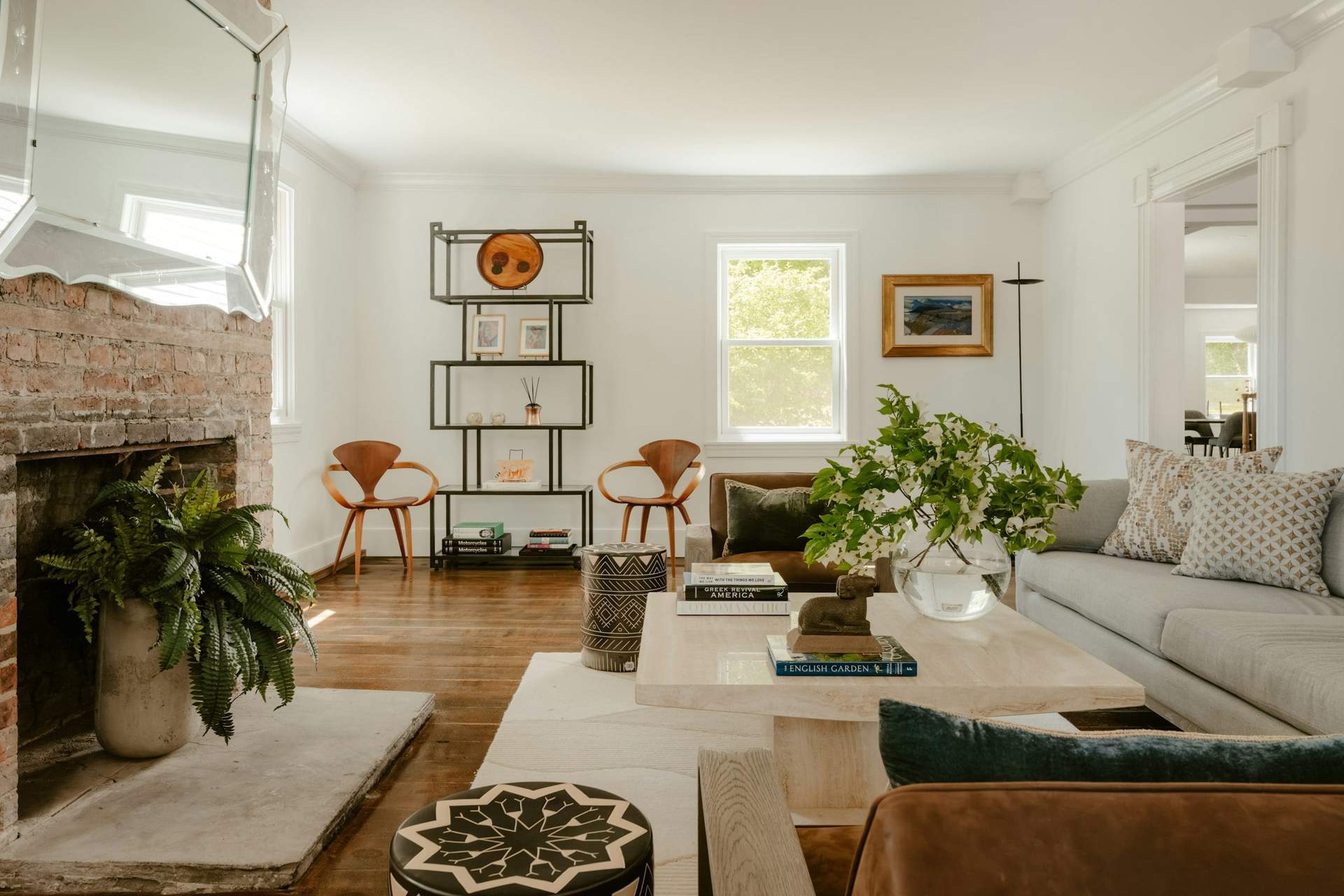
None of this means gray is a mistake. In a bright, high-ceilinged room with big windows, paired with warm wood furniture and soft textiles, cool gray can look genuinely elegant.
The key is balance: if the wall color is cool, the furnishings should be warm — and the other way around.
Many interior designers suggest not painting the whole living room in cool gray, but reserving it for a single feature wall. Keep the rest in warmer off-white or beige tones. You get the modern edge without the space turning cold.
What to use instead
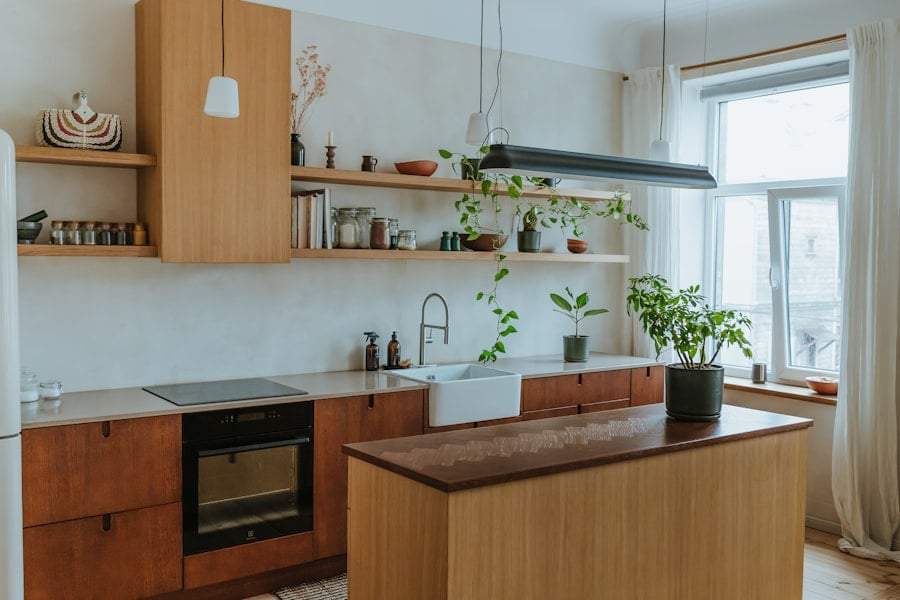
If your current walls feel more draining than calming by nightfall, you don't need a dramatic overhaul. Warm gray shades — the ones with a hint of beige or brown underneath — deliver the same modern look but feel far friendlier.
Warm earthy colors like clay-brown or soft green also work beautifully in rooms that don't get much natural light. They add depth without the chill.
Before you commit, paint a small test patch on the wall and watch it over a few days at different times. What looked perfect under store lighting can feel completely different at home in the glow of an evening lamp.
Is gray really a bad color for a living room?
Not at all. Gray only becomes a problem when a cool, blue-based shade covers every wall in a room with little natural light. In balanced, bright spaces it can look genuinely elegant.
Why does cool gray feel uncomfortable in some homes?
Very cool, bluish-gray creates a clinical, sterile atmosphere on large surfaces. When there isn't enough warm light or warm furnishings to balance it, the eye keeps searching for comfort it can't find.
What colors work better in a room with little light?
Warm gray shades with a hint of beige or brown, plus earthy tones like clay-brown or soft green, keep a modern look while feeling much warmer and more inviting.
How can I test a wall color before painting the whole room?
Paint a small sample patch on the wall and observe it over several days at different times. Store lighting can be misleading, and evening lamplight often changes the color completely.