Some interior design trends exist purely for the photo — not for real life. A handful of the most talked-about, often expensive ideas look absolutely stunning in a studio shoot or on a Pinterest board, but once you bring them home, they quietly become a source of extra work, frustration, and regret. Here are five of the worst offenders.
1. Open kitchen shelving
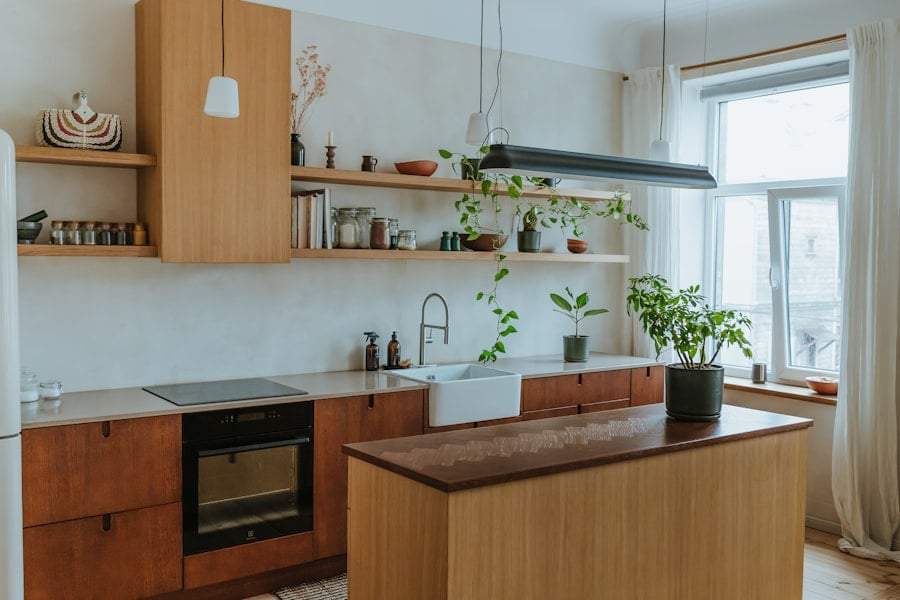
There's a reason open shelving dominates design magazines: a few artfully arranged plates, a trailing plant, a couple of beautiful glasses — and suddenly your kitchen looks like it belongs in a lifestyle editorial. The reality, though, is that every single dish, mug, and bowl sits out in the open collecting dust and grease around the clock.
If you actually cook every day, you'll quickly realize that closed cabinets aren't just an aesthetic choice — they're a practical one. Mismatched mugs and worn-out pots disappear behind a door. Open shelves only work if you're willing to maintain near-catalog-level discipline about what goes on them and keep everything spotless at all times. For most households, that's simply not sustainable long-term.
2. Snow-white boucle armchairs
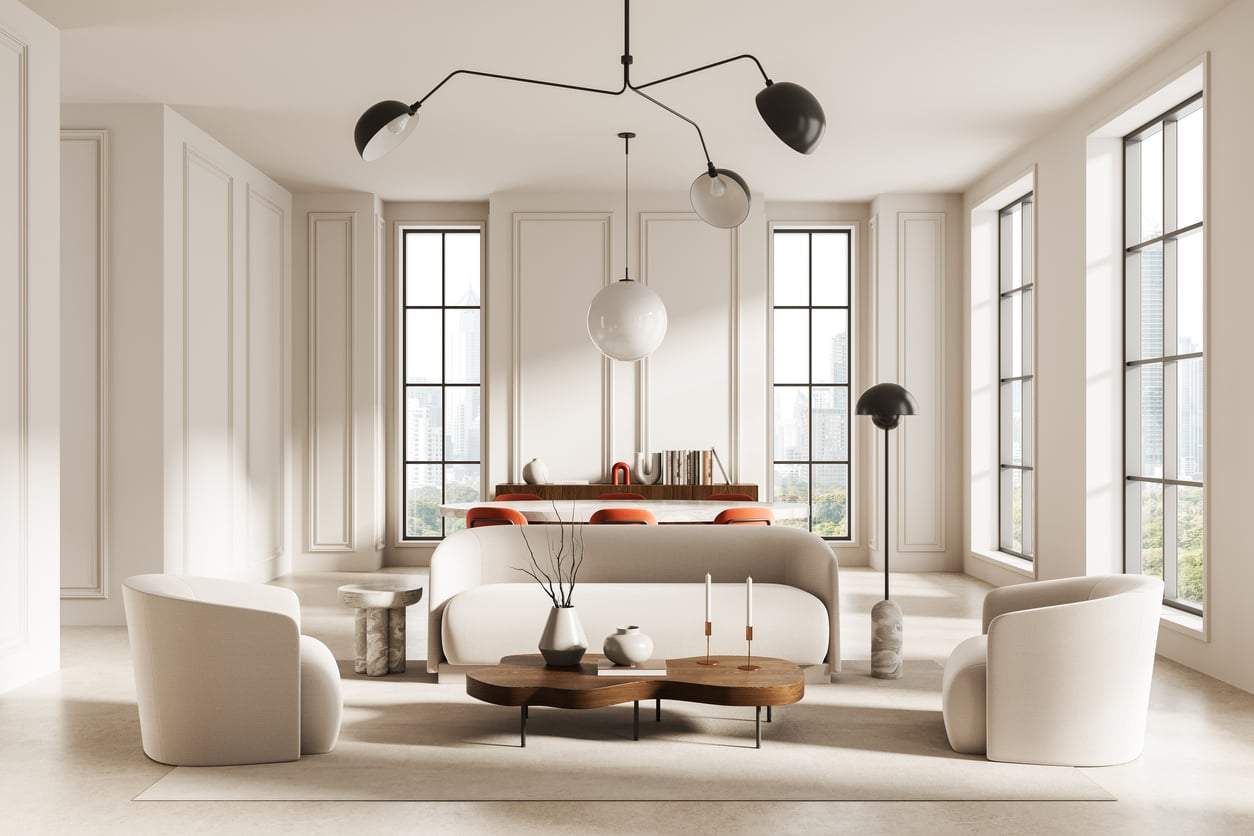
Creamy white boucle upholstery has been one of the biggest furniture trends of recent years, and it genuinely looks elegant in a bright, minimal living room. The problem? That soft, loopy texture is a magnet for stains. A slipped coffee cup, pet hair, or even dye transfer from a pair of dark jeans can leave a mark that's nearly impossible to ignore.
Because of boucle's looped weave, stains are harder to remove than on a flat fabric, and professional upholstery cleaning isn't cheap — especially if you need it several times a year. Anyone living with kids, pets, or simply a full, active life will quickly discover that this chair is more of a showpiece than an everyday seat, unless you specifically order it with removable, washable covers.
If you love the look but want something more practical, it's worth exploring performance fabrics that mimic the texture without the maintenance nightmare.
3. Sunken seating areas (the conversation pit)
The sunken conversation pit — where part of the living room floor is literally lowered to create a cozy, built-in lounge — radiates retro-luxury energy and creates a genuinely dramatic effect in photos. In practice, it's a major structural undertaking: you're actually lowering a section of your floor, which involves significant construction, insulation work, and cost. In most apartments, it's not even possible.
Day-to-day, a sunken pit is also a safety hazard. The sudden drop in floor level is easy to miss — especially for children, older family members, or anyone navigating the room in dim evening light. Cleaning is a headache too: vacuums and mops don't reach every corner easily, and the upholstered surfaces collect dirt just like any sofa, only with far less convenient access.
4. Matte black faucets
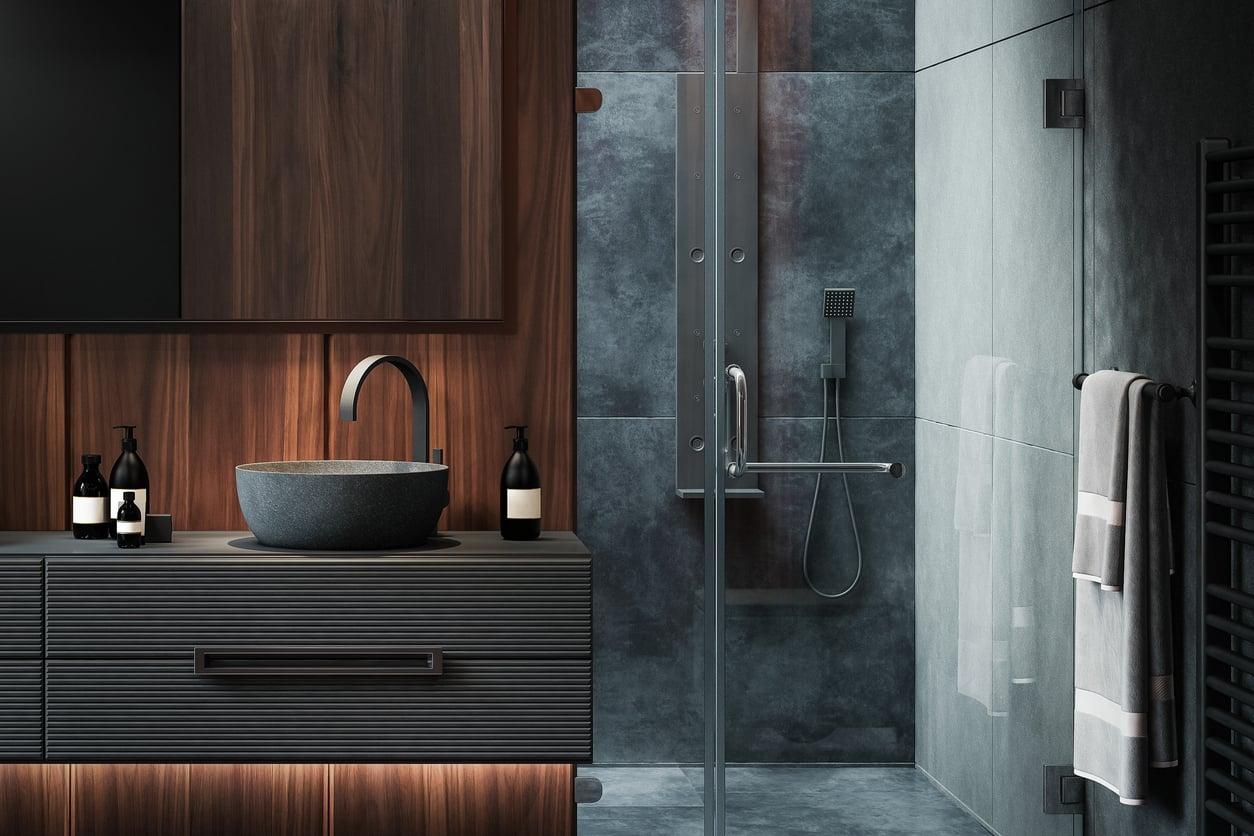
Matte black fixtures make a striking, modern statement against white tile or marble surfaces, and they look extraordinary in showrooms. They do have one genuine advantage over polished chrome: fingerprints and smudges are less visible because there's no mirror-like surface to magnify them. The real enemy, however, is hard water — the chalky, whitish limescale buildup that shows up in sharp contrast against a dark matte surface, making deposits far more visible than they'd ever be on chrome.
The matte coating can also scratch and wear over time, and harsh cleaning products — anything acidic, chlorinated, or abrasive — can damage the finish permanently. The gentle approach is the only safe one: a soft cloth and a mild, pH-neutral cleaner. What you're really signing up for with matte black faucets is wiping them dry after almost every use, or watching limescale quietly ruin the whole effect.
5. Oversized stone and concrete planters
A massive terrazzo or concrete planter holding a towering fiddle-leaf fig or palm looks breathtaking in a magazine spread. In your actual living room, these planters can easily weigh several dozen pounds even when empty — meaning once they're placed, they're essentially permanent fixtures. Moving them for cleaning or rearranging the room is a serious undertaking.
The weight itself can also damage flooring, particularly hardwood, where sustained pressure leaves dents and marks over time. Many of these decorative pots also lack drainage holes, so water pools at the bottom after watering, leading to root rot — and a moisture stain on your floor beneath the planter. These pieces belong in a spacious showroom, not in an average home where flexibility and livability matter far more than a dramatic accent piece.
Trends look good in photos because in photos, nobody is doing dishes, feeding kids on the sofa, or cleaning up on a Sunday morning. A home is only truly a home when you can actually live in it — not just admire it.
Are open kitchen shelves ever a good idea?
They can work well in kitchens where the owner is genuinely committed to keeping things organized and clutter-free. They're best suited to people with a small, curated set of matching dishware and the habit of wiping surfaces regularly. For most busy households, closed cabinets are simply more practical.
What's the biggest maintenance mistake with matte black faucets?
Using the wrong cleaning products is the most common problem. Acidic, chlorinated, or abrasive cleaners can permanently damage the matte coating. Only soft cloths and mild, pH-neutral cleaners should be used — and the surface should be dried after each use to prevent limescale buildup.
Can a sunken conversation pit work in a regular apartment?
In most cases, no. Creating a sunken seating area requires lowering part of the structural floor, which is a major construction project and is typically not feasible in apartment buildings. It also introduces safety risks and cleaning challenges that make it impractical for everyday living.
How do you protect hardwood floors from heavy planters?
Placing felt pads, rubber mats, or purpose-made furniture coasters under large, heavy planters can help distribute the weight and reduce the risk of denting or scratching hardwood floors. Choosing lighter materials like fiberglass or resin — which can convincingly mimic stone or concrete — is an even more effective solution.