You spent real money on that sofa. The coffee table is solid wood. The rug is anything but budget. And yet — something still feels off. The room doesn't look polished. It doesn't feel expensive. The problem is almost never the big pieces. It's the small details most people overlook that quietly drag the whole space down.
Here are six surprisingly common mistakes that make even beautifully furnished rooms look cheap, and exactly what to do about each one.
The wrong light color undoes everything
This is the single biggest culprit in most homes. Cool, bluish LED bulbs — around 6000 Kelvin — cast a harsh, clinical light that flattens every surface and makes even beautiful materials look dull. Think hospital corridor, not luxury hotel lobby.
Warm bulbs in the 2700–3000 Kelvin range do the opposite: they add depth, shadow, and richness to a room — the same effect you notice in a great restaurant or an upscale boutique hotel. And it's not just about bulb temperature. If your room relies on a single overhead light, it will always look flat and impersonal, no matter what's in it.
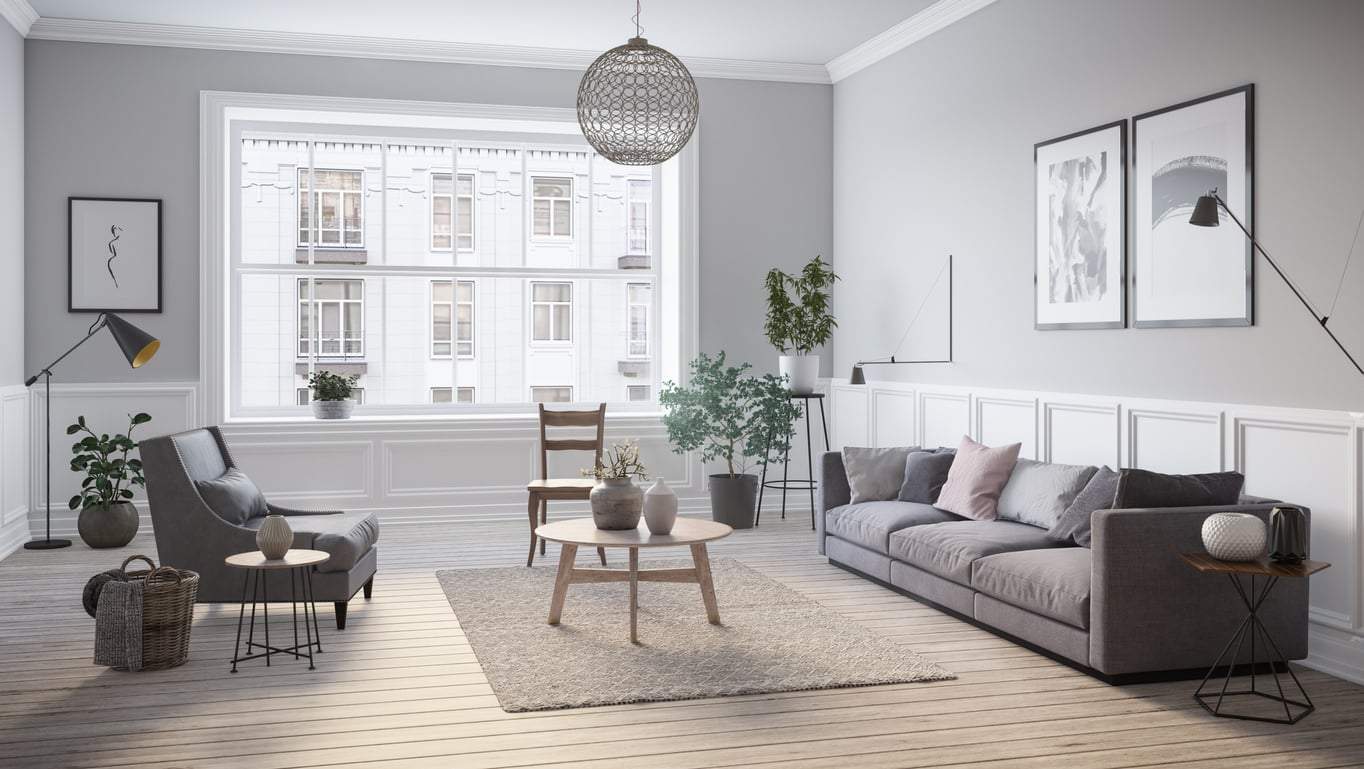
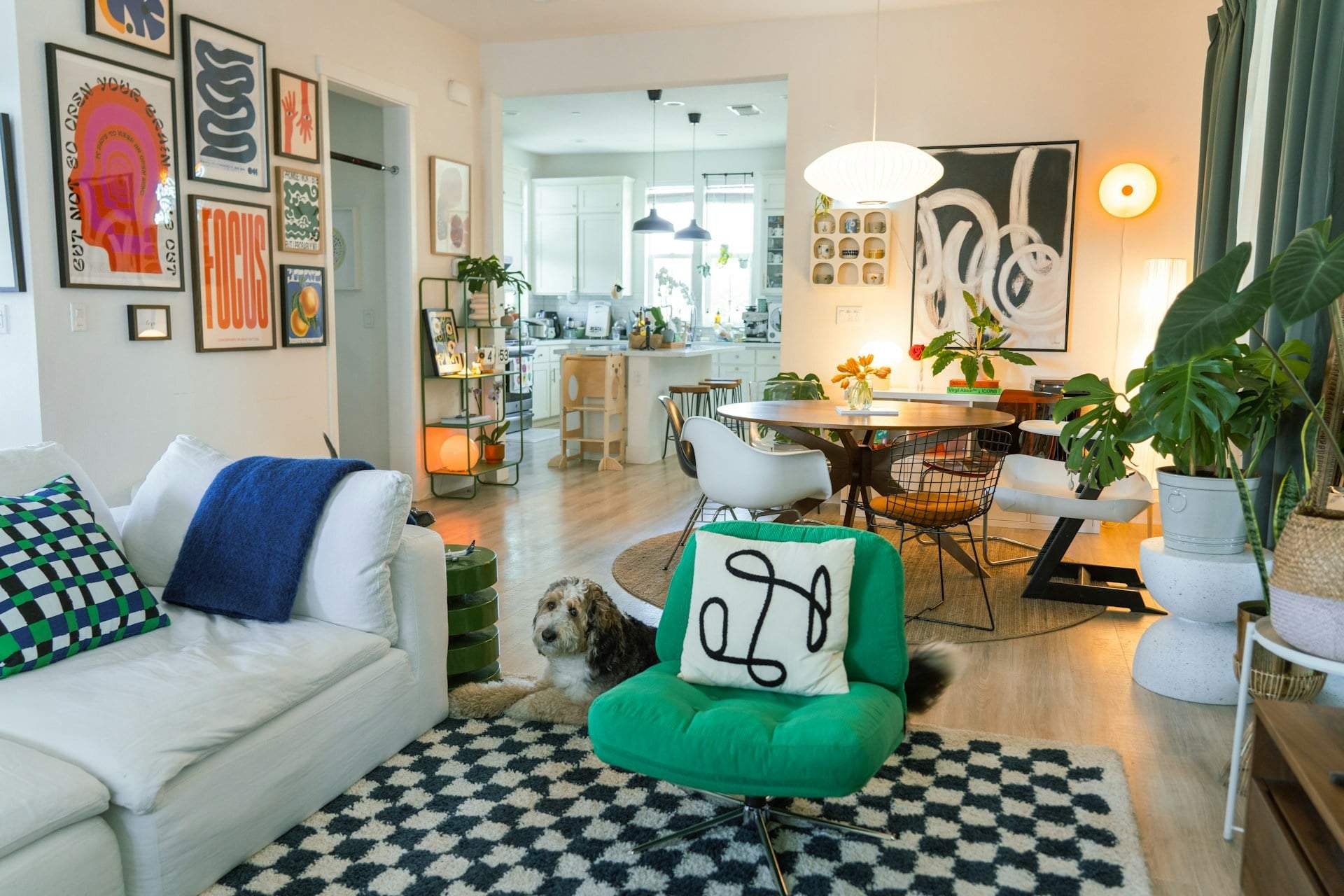
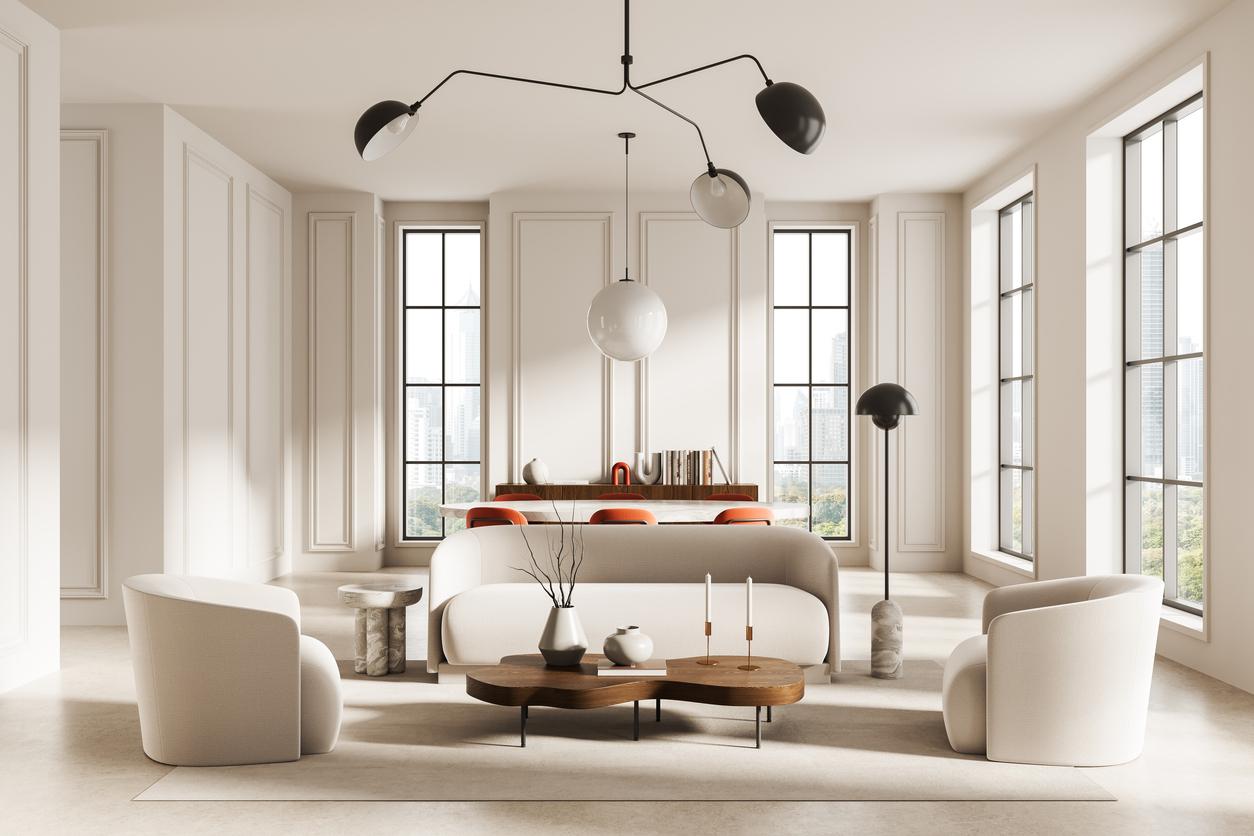
A well-lit room needs at least two or three light sources at different heights — a floor lamp in the corner, a table lamp on the sideboard, a wall sconce near the sofa. Layer the light, and the room transforms.
Short curtains are a dead giveaway
Interior design editors at publications like Elle Decor and House Beautiful flag this constantly, and for good reason: curtains that hang a few inches above the floor are one of the strongest signals that a room wasn't carefully thought through.
Short curtains cut the eye line, make ceilings look lower than they are, and give a space a temporary, unfinished feeling. The fix is simple and costs nothing extra if you plan it from the start.
Mount the curtain rod close to the ceiling — not just above the window frame — and let the fabric fall all the way to the floor, even grazing it by an inch or two. That single change makes the ceiling feel taller and the whole room feel more intentional.
Bare walls are just as bad as cluttered ones
Many people leave walls completely empty because they can't decide, or they hang a small cluster of tiny prints too high up where they disappear entirely. Both approaches create the same problem: the room feels unfinished.
The widely accepted rule in interior design is to center wall art at roughly eye level — about 57 to 60 inches (145–150 cm) from the floor. When hanging art above furniture, it should span at least two-thirds of the furniture's width to feel anchored rather than floating.
One well-sized canvas — even a simple frameless print — does far more for a room than three small decorations scattered across the wall.
Scale matters more than quantity. Choose fewer, larger pieces and place them with intention.
Visible cables and tech clutter
An HDMI cable snaking across the floor, a router blinking on a shelf, a power strip sitting in plain sight — these details instantly make a room feel temporary and messy, even if everything else is beautifully styled.
Cable management doesn't require a renovation. Adhesive cable channels, a small basket to corral charger cables, or simply routing cords behind furniture takes less than an afternoon and makes a dramatic difference. It's one of the cheapest, fastest upgrades you can make to how a room feels.
Missing texture and layering
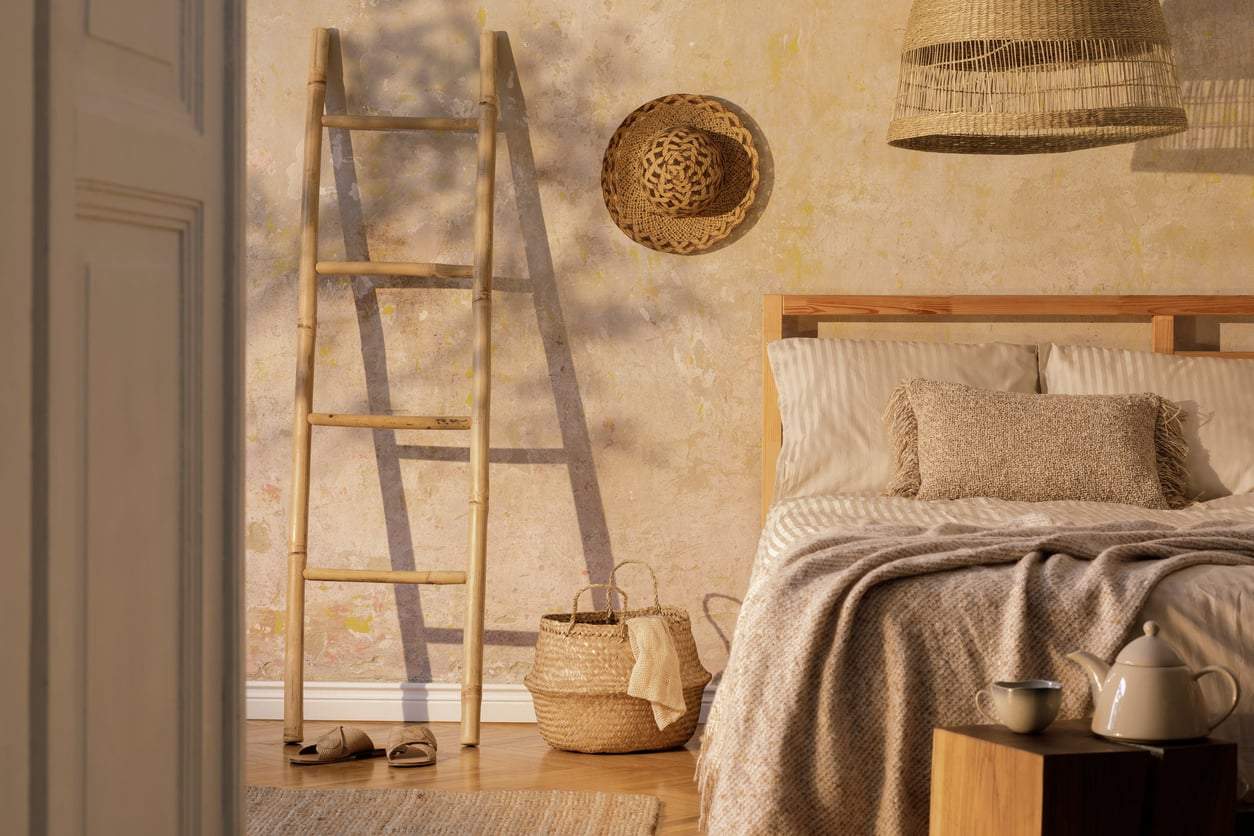
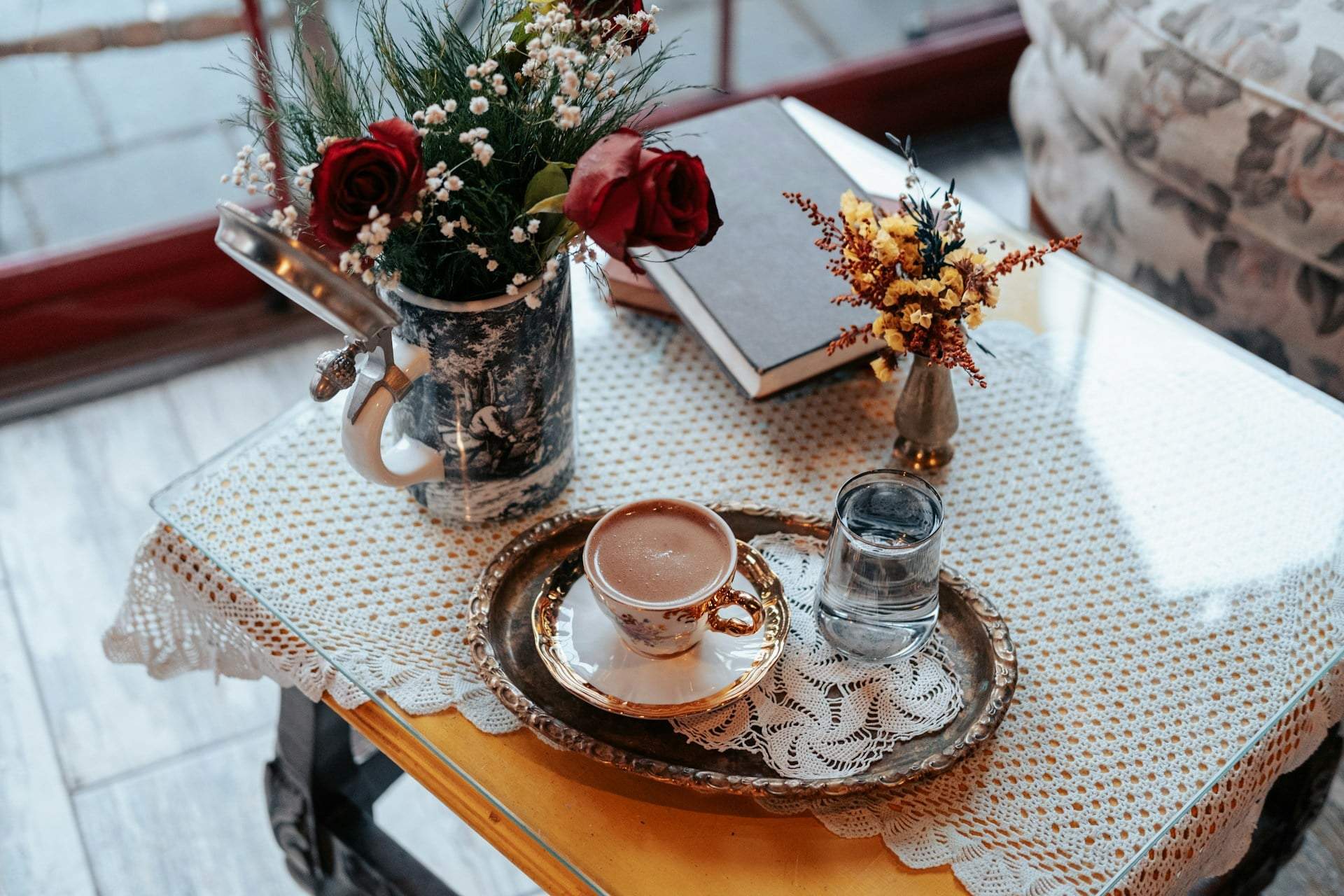
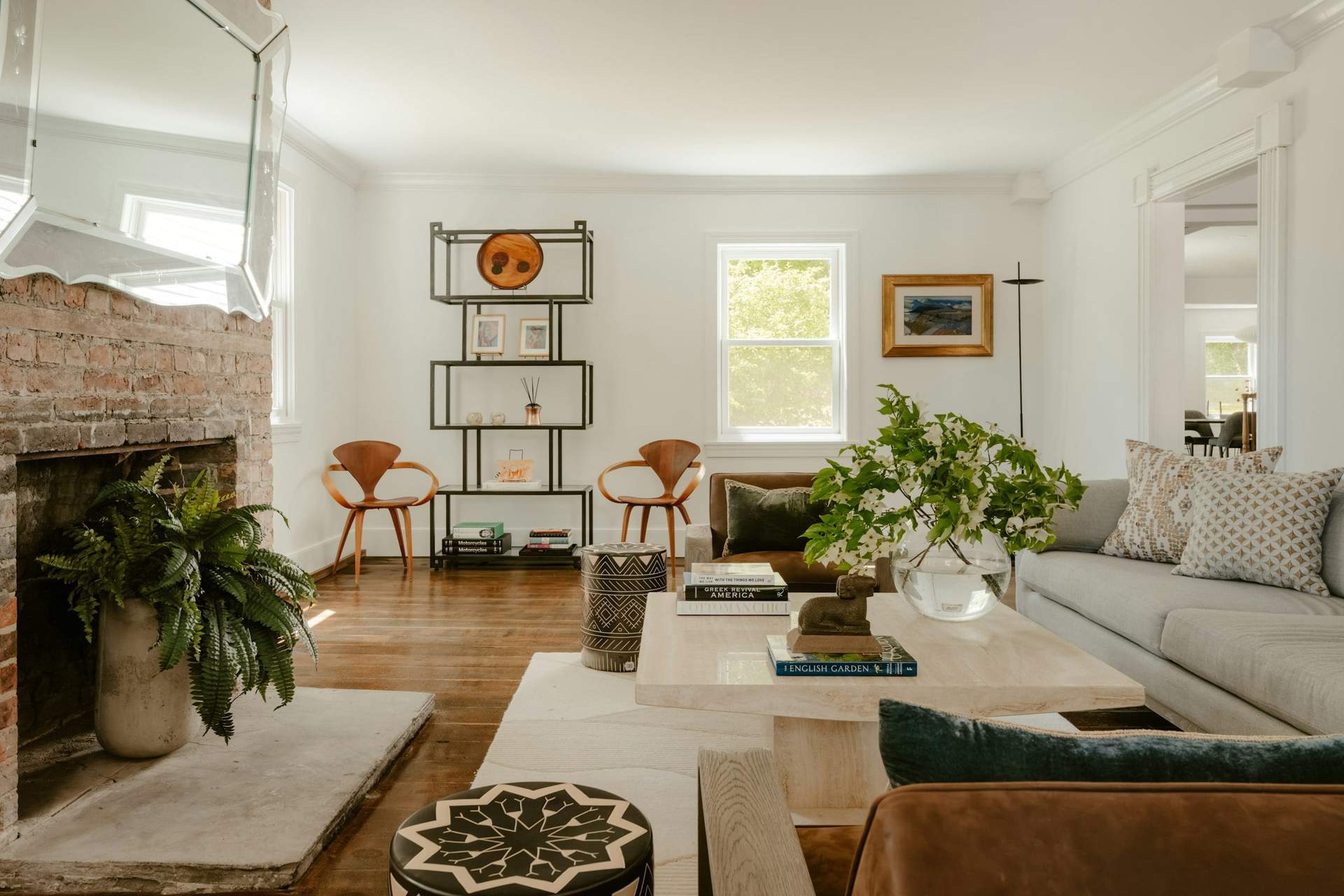
A room furnished entirely in one material — even an expensive one — reads as flat and unfinished. This is why a leather sofa needs a wool throw. Why a wooden coffee table benefits from a ceramic vase. Why a plain rug becomes more interesting with a textured cushion layered on top of it.
Texture creates the tactile richness that makes a room feel curated rather than assembled. This is a core principle of both Scandinavian and Japandi interior design — the price of individual pieces matters far less than the variety of materials and surfaces working together.
Mix matte and shiny, rough and smooth, soft and hard. The contrast is what gives a space its depth.
Styles that clash without intention
A sleek minimalist sofa next to an ornate baroque mirror isn't automatically a mistake — eclectic interiors can be stunning. But they only work when the contrast is deliberate.
The real problem is when furniture and accessories accumulate through impulse purchases with no common thread connecting them. The room ends up looking like it can't decide what it wants to be.
You don't need to commit to a single rigid style. But one or two recurring elements — a consistent color, a repeated material, a shared shape — running through a space is enough to tie even very different pieces together into something that feels cohesive.
Small details are what separate a room that looks expensive from one that merely contains expensive things. Fix the light, hang the curtains properly, add some texture, hide the cables — and you'll be surprised how much the whole space shifts.
Why does my room still look cheap after buying nice furniture?
Expensive furniture alone can't carry a space. Details like lighting color temperature, curtain length, visible cables, and a lack of texture all undermine the overall effect — often more than the furniture itself contribuves to it.
What color temperature bulbs should I use at home?
Warm white bulbs between 2700 and 3000 Kelvin are the sweet spot for living spaces. They add depth and warmth that cooler, bluish bulbs (around 6000K) completely strip away.
How high should I hang curtains to make a room look bigger?
Mount the curtain rod as close to the ceiling as possible — not just above the window frame — and let the curtains fall all the way to the floor. This makes ceilings appear taller and the room feel more polished.
How do I add texture to a room without spending a lot?
Small additions make a big difference: a wool throw over a leather sofa, a ceramic vase on a wooden surface, or a patterned cushion on a plain rug. Mixing materials with different surfaces creates the layered, curated look that expensive rooms have.
Does my home decor need to follow one style?
Not at all — but it does need a common thread. Repeating one or two colors, materials, or shapes throughout the space is enough to make even very different pieces feel like they belong together.