My mom once hauled an entire box of lace doilies out to the curb during a big spring clean, ready to drop them at the thrift store. I was a teenager at the time, and I didn't just let her — I helped carry the boxes. Honestly, I was relieved. To me, those things looked dusty, outdated, and completely at odds with the sleek, minimal style I was dreaming of for my future home.
What I didn't know then: one of those doilies had been crocheted by hand by my great-grandmother. It didn't matter to me at the time. All I saw was clutter. Now, scrolling through the most-saved home decor posts online, I keep seeing those exact same patterns — and I find myself wondering whether I could somehow track down those boxes again.
If I told my mom, she'd laugh. And she'd be right to.
How something so "old-fashioned" became genuinely cool again
For decades, a lace doily was a reliable signal that you'd just walked into an elderly relative's home. You'd find them draped over the TV, perched on the dresser, folded over armchair backs. Then the minimalism wave hit, clean lines took over, and these delicate little things quietly disappeared — first to the attic, then to the thrift store, then into oblivion.
But something unexpected is happening now. Lace is back — just in a completely different context. There's a growing hunger in interior design for spaces that feel warmer, more layered, and a little lived-in — a direct pushback against the cold, sterile minimalism that made so many homes look identical.
Lace delivers exactly that feeling. It reads as handmade even when it isn't, and it instantly brings a sense of warmth and generational continuity to a room.
Many people are now deliberately chasing this kind of nostalgic, "grandmother's house" aesthetic — not out of irony, but because it offers something that endlessly replicated Scandinavian-minimalist interiors simply can't: a sense of soul.
How people are using lace differently now
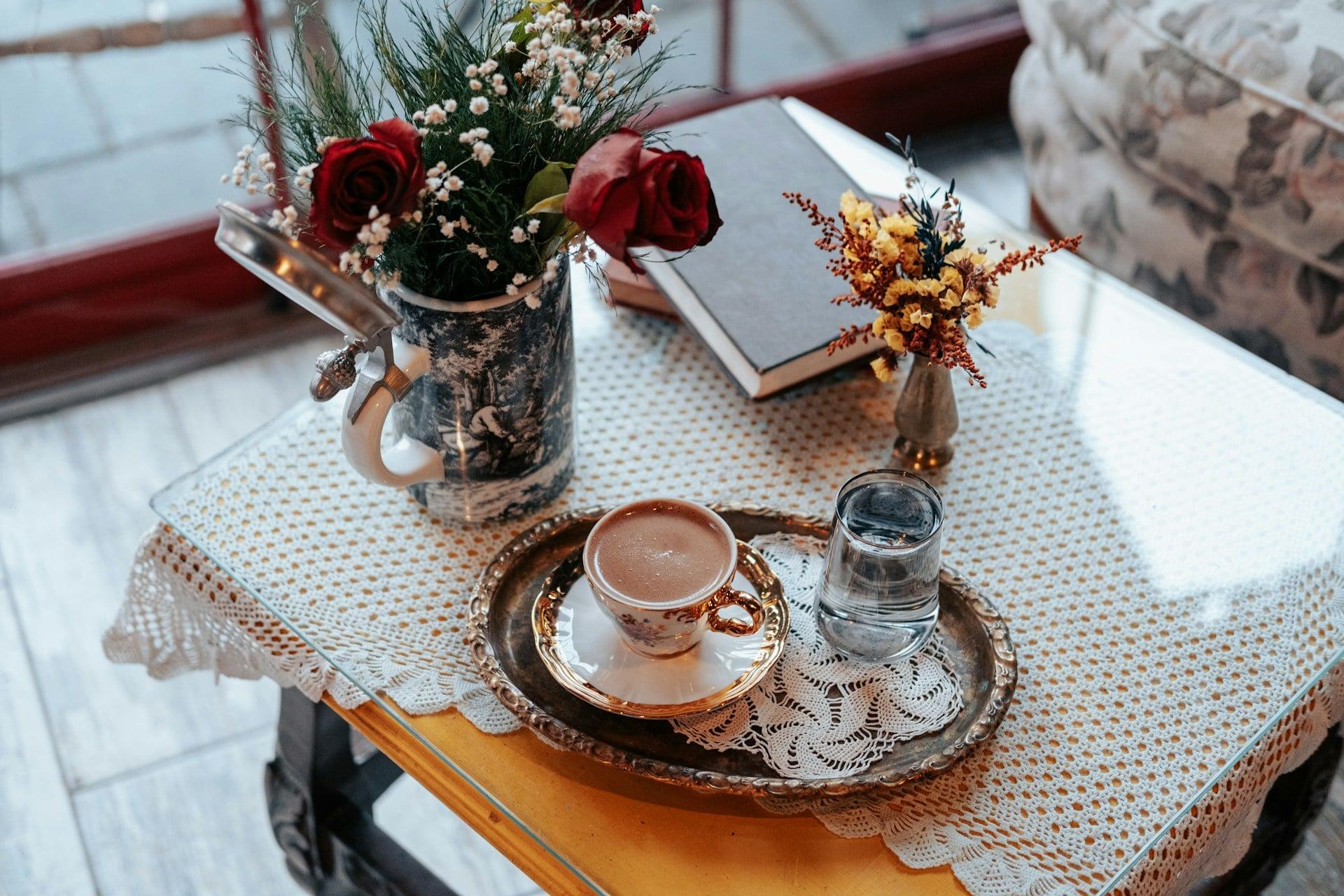
The way lace shows up today looks nothing like what our parents had. Nobody's covering entire tables with sprawling, formal lace cloths. Instead, it's about small, intentional placements — a single piece used as a considered accent rather than a default covering.
Think a delicate lace runner on a coffee table, a small doily placed at the edge of a shelf, or a lace-trimmed pillowcase that catches the eye for just a moment before blending back into the room. The real magic happens when lace is paired with modern furniture — a doily on a clean-lined oak table creates a tension, a contrast, that makes both pieces more interesting.
That contrast is exactly why younger decorators are drawn to it. The mix of old and new is where the real character lives. It's the same instinct that has people pairing vintage finds with contemporary design — and it works just as well here.
How to bring lace into your own home
If this trend is new to you, start small and deliberate. One piece on a shelf or tucked under a plant on a side table is all you need to test the look — no need to redecorate the whole room. If you happen to have an old family piece stored somewhere, all the better: it stops being just a decoration and becomes a small piece of family history on display.
No heirlooms in the cupboard? Flea markets, estate sales, and antique shops still turn up genuinely hand-crocheted pieces all the time, and they're usually inexpensive. What you find there will be far more unique than anything you'd pick up in a chain homeware store — and that uniqueness is the whole point.
Before your next big clear-out, take a second look at anything lace-related hiding at the back of a drawer or the bottom of a box. What felt like clutter a decade ago might be exactly what the most style-conscious decorators are hunting for right now. I can't get my mom's boxes back — but I've started checking the closets a lot more carefully every time I visit family. You never know what forgotten treasure might be waiting to have its moment again.
Are lace doilies really back in style?
Yes — but with a twist. The current trend favors small, intentional lace accents rather than the wall-to-wall lace tablecloths of previous decades. Used sparingly, lace adds warmth and character to modern spaces.
What's driving the nostalgia for "grandma's house" aesthetics?
Many people are reacting against interiors that all look the same. Warmer, layered spaces with handmade or vintage touches offer something cold minimalism can't — a sense of personality and history.
Where can I find vintage lace doilies today?
Flea markets, estate sales, and antique shops are your best bets. Hand-crocheted pieces turn up regularly and are usually very affordable — and far more distinctive than anything mass-produced.
How do I style a lace doily without it looking dated?
Pair it with clean, modern furniture and keep the rest of the space uncluttered. The contrast between the delicate lace and contemporary lines is precisely what makes the look feel fresh rather than old-fashioned.