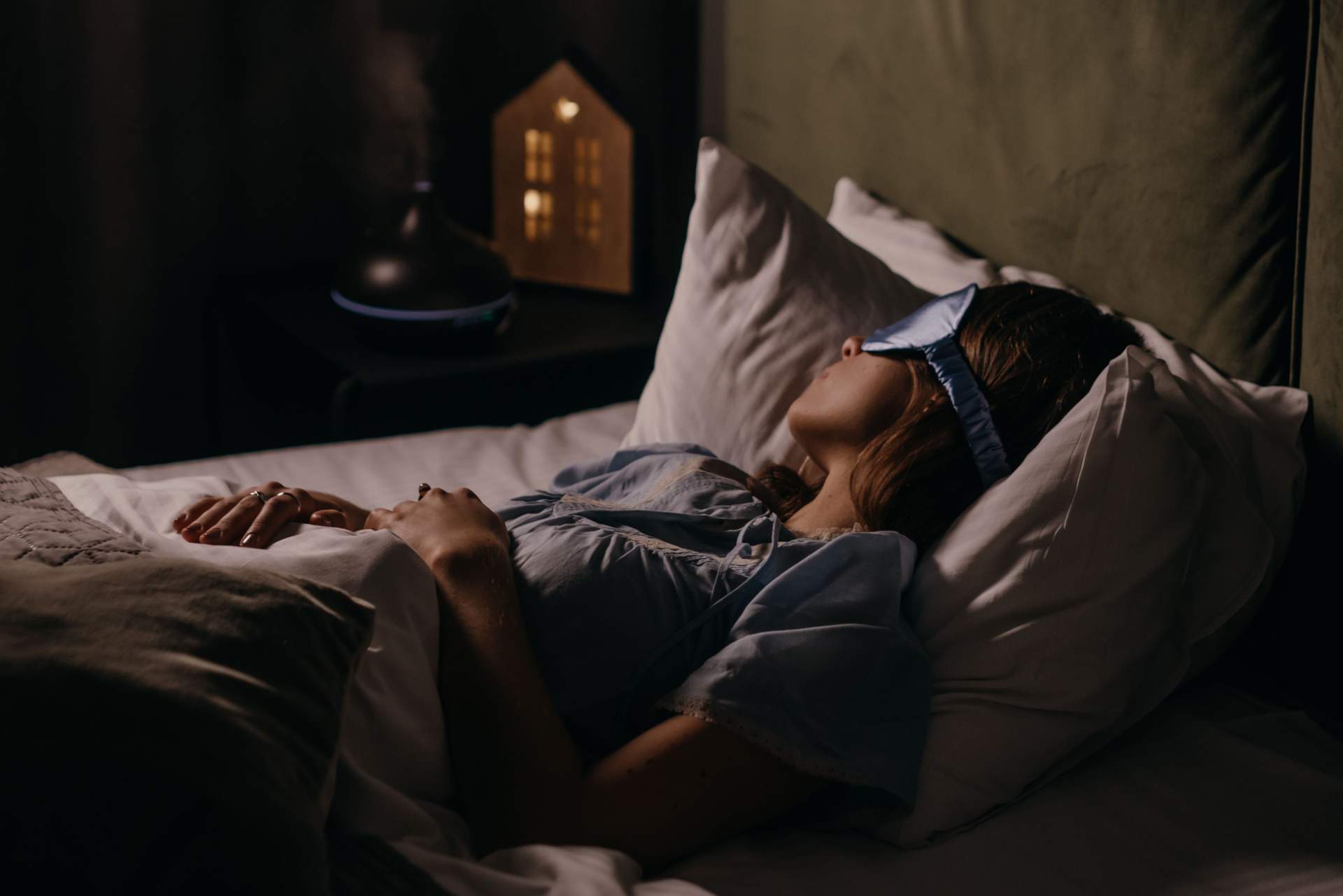
If you've been waking up tired despite getting enough hours in bed, your bedroom color might be quietly working against you. Psychologists and color therapists agree: the shades surrounding you while you sleep have a real and measurable impact on your mental state, stress levels, and sleep quality. Here are the three colors most backed by research for creating the ultimate sleep environment.
Blue: the original sleep color
There's a reason we feel instantly calmer gazing at a clear sky or the open ocean. Blue has long been recognized for its deeply soothing effect on the nervous system. Studies suggest it can actively lower blood pressure and slow heart rate — two things your body needs to do naturally before drifting into deep sleep.
For the bedroom, soft, muted shades of blue work best. Think pale sky blue or dusty powder blue rather than bold cobalt. These lighter tones create a gentle, airy atmosphere that signals to your brain it's time to wind down. Pair them with natural wood tones or linen textures and the effect is even stronger.
If you're redesigning your bedroom with sleep in mind, blue walls are one of the most consistently recommended choices by both interior designers and sleep specialists.
Green: bringing the calm of nature indoors
Green is the color of forests, meadows, and everything the natural world uses to signal safety and stillness. In color psychology, it represents balance, renewal, and quiet — exactly what you want surrounding you after a long, draining day.
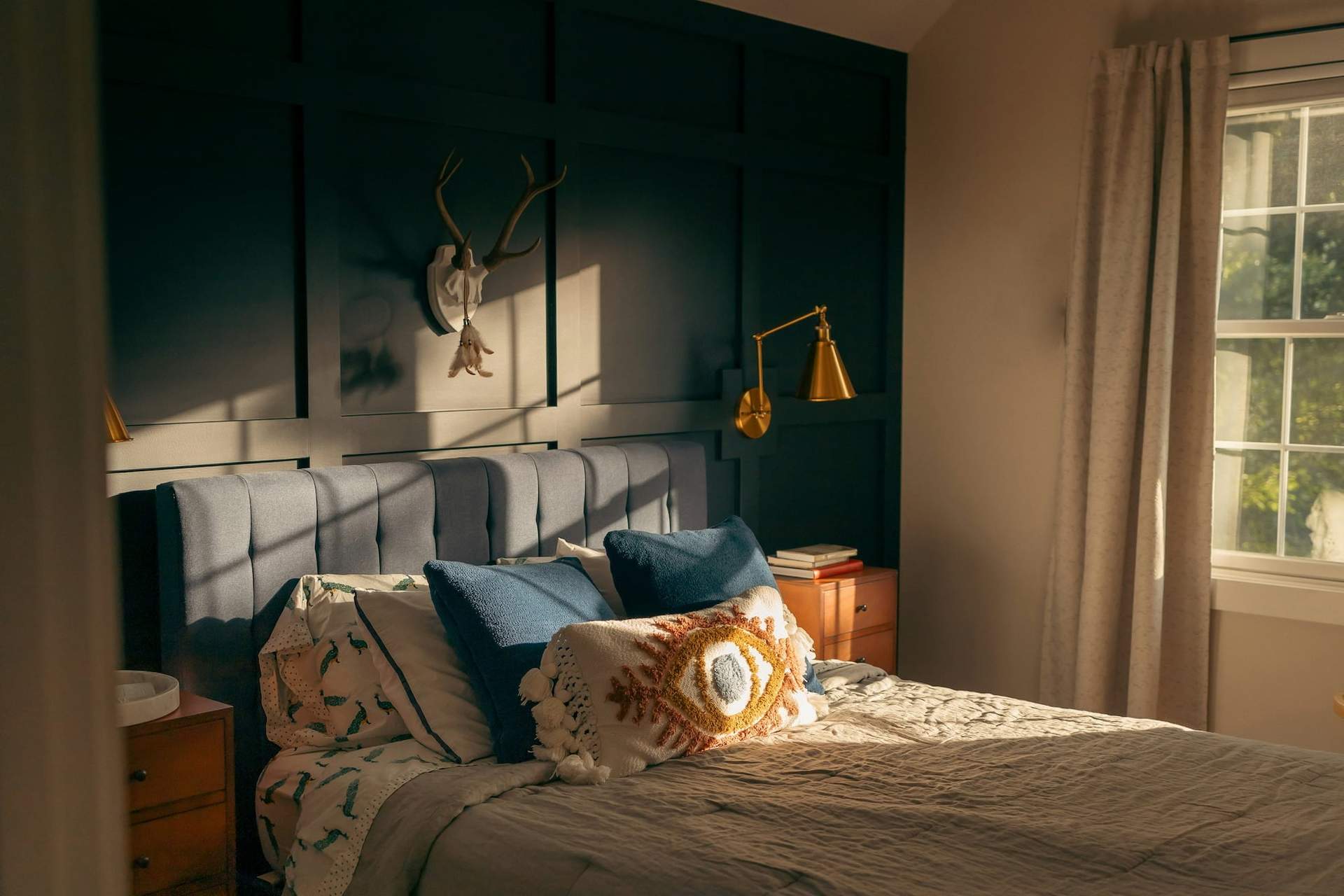
The shade you choose matters more than you might think. Light sage and soft mint greens bring a fresh, gentle energy to the room without feeling stimulating. Deeper forest greens, on the other hand, create a sense of groundedness and security — almost like being wrapped in a quiet woodland at night.
Both ends of the green spectrum can improve sleep quality, as long as they're paired with neutral, understated accents rather than bold contrasting colors. Green is also one of the easiest shades to live with long-term, making it a smart investment for any bedroom refresh.
Beige and neutrals: timeless, warm, and effortlessly calming
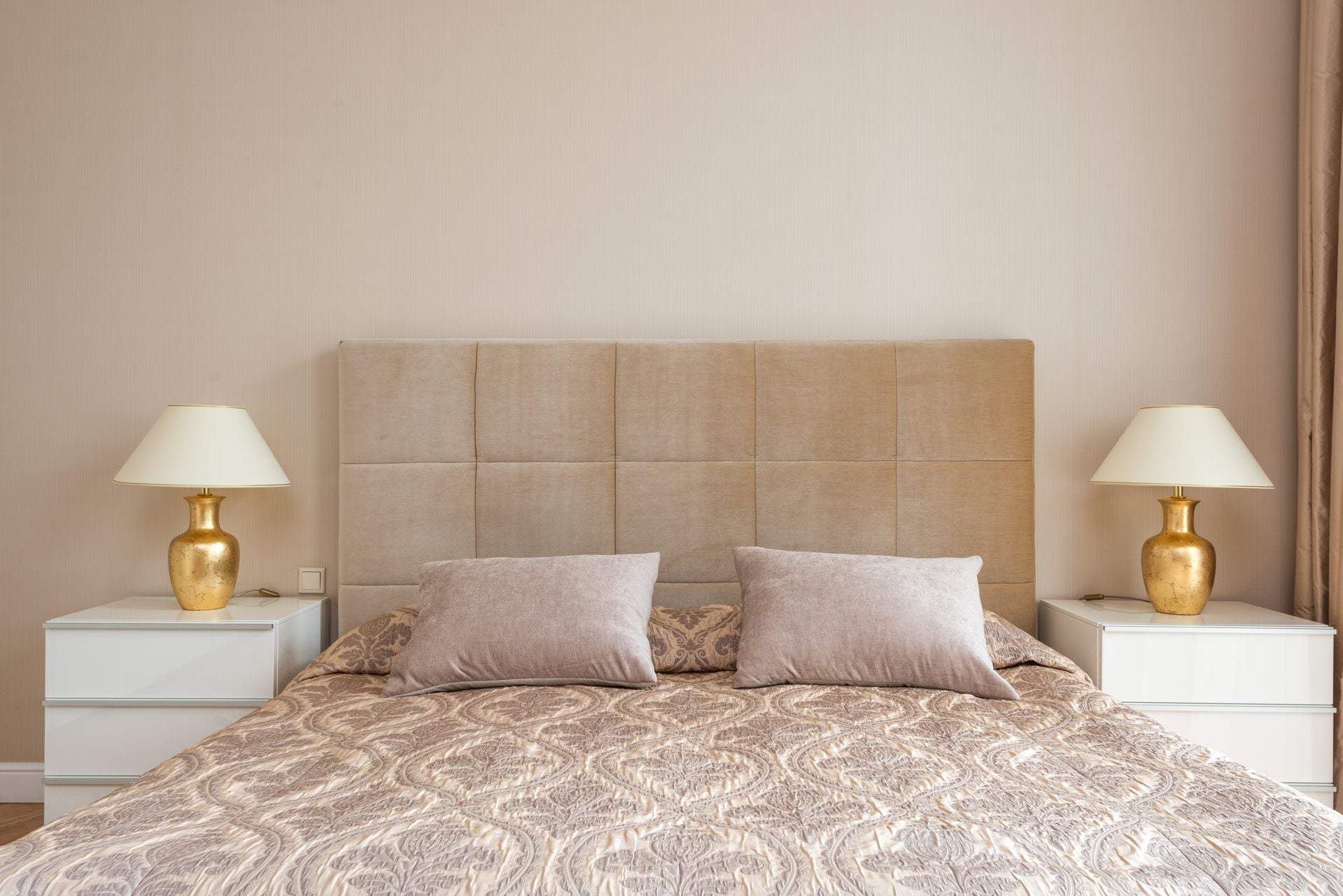
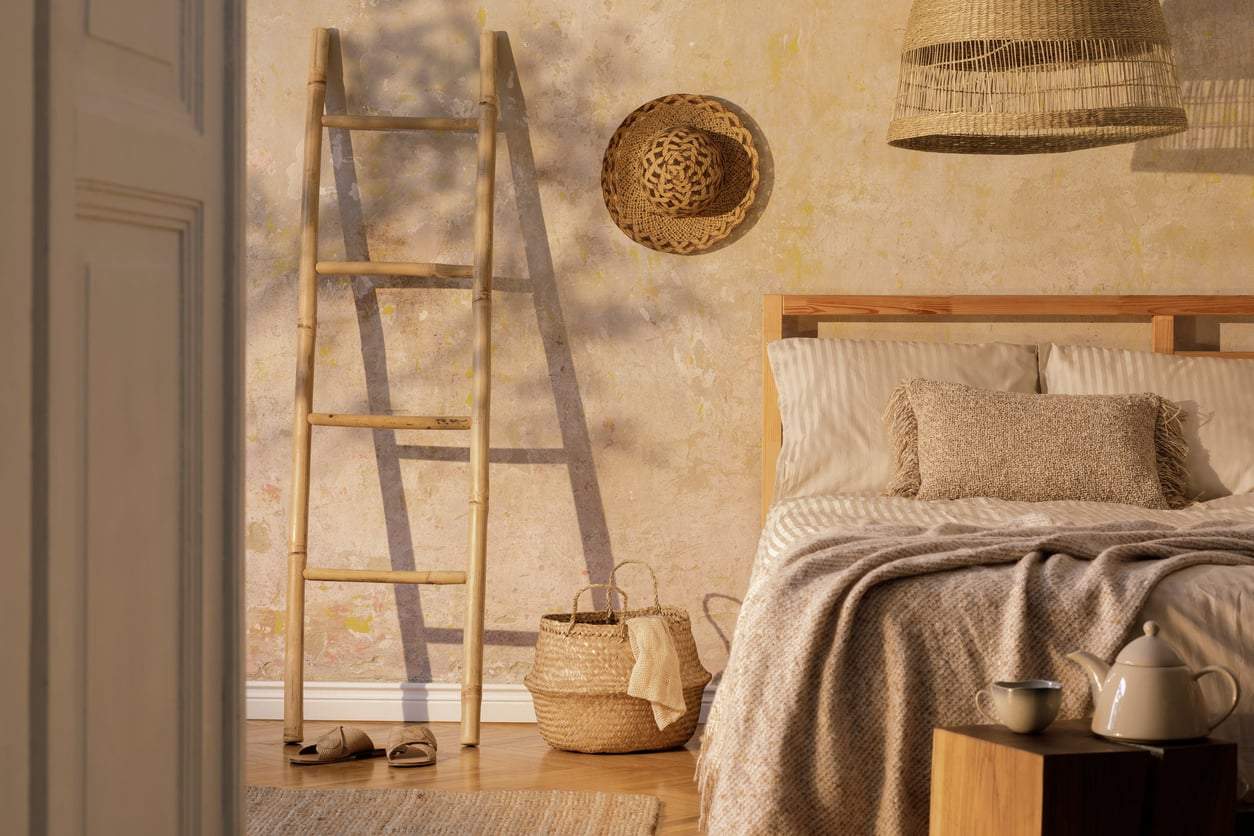
Neutral tones — warm beige, soft greige, gentle taupe — might not sound exciting, but they are quietly one of the most effective choices for a sleep-friendly bedroom. These shades create a balanced, cocoon-like warmth that makes it easier to relax and let go of the day.
Unlike bolder colors, neutrals don't compete for your attention. They recede into the background and let your mind settle. For minimalists especially, a well-chosen beige palette delivers a clean, harmonious look that feels both elegant and deeply restful.
Neutrals are also incredibly versatile — they work with almost any bedding, furniture, or decorative style, so you can refresh the feel of your room with accessories alone without ever repainting.
The right color choice can transform your bedroom from just a room into a genuine sanctuary — a place where rest comes naturally and the outside world stays outside.
Why bedroom color matters more than you think
Color isn't just an aesthetic decision. Research in environmental psychology shows that the shades we're surrounded by can trigger real physiological and psychological responses — affecting hormone levels, heart rate, and even how quickly we fall asleep. Your bedroom, more than any other room in your home, deserves intentional color choices.
Of course, everyone responds slightly differently to color. Personal associations and individual sensitivity play a role. But the three shades above — blue, green, and warm neutrals — consistently come out on top when it comes to promoting mental relaxation and restorative sleep.
Colors to avoid in the bedroom
Just as some colors help you sleep, others can quietly sabotage it. Red is one of the most stimulating colors in the spectrum — it raises energy, increases heart rate, and keeps the mind alert. Great for a gym or creative studio, but the opposite of what you want at bedtime.
Bright yellow, while cheerful and uplifting in living spaces, can have a similarly activating effect over time. These high-energy shades are best saved for rooms where energy and motivation are the goal — not rest.
Making a thoughtful color choice for your bedroom is one of the simplest, highest-impact changes you can make for your sleep and overall wellbeing. It costs little, lasts for years, and every single night, it quietly works in your favor.